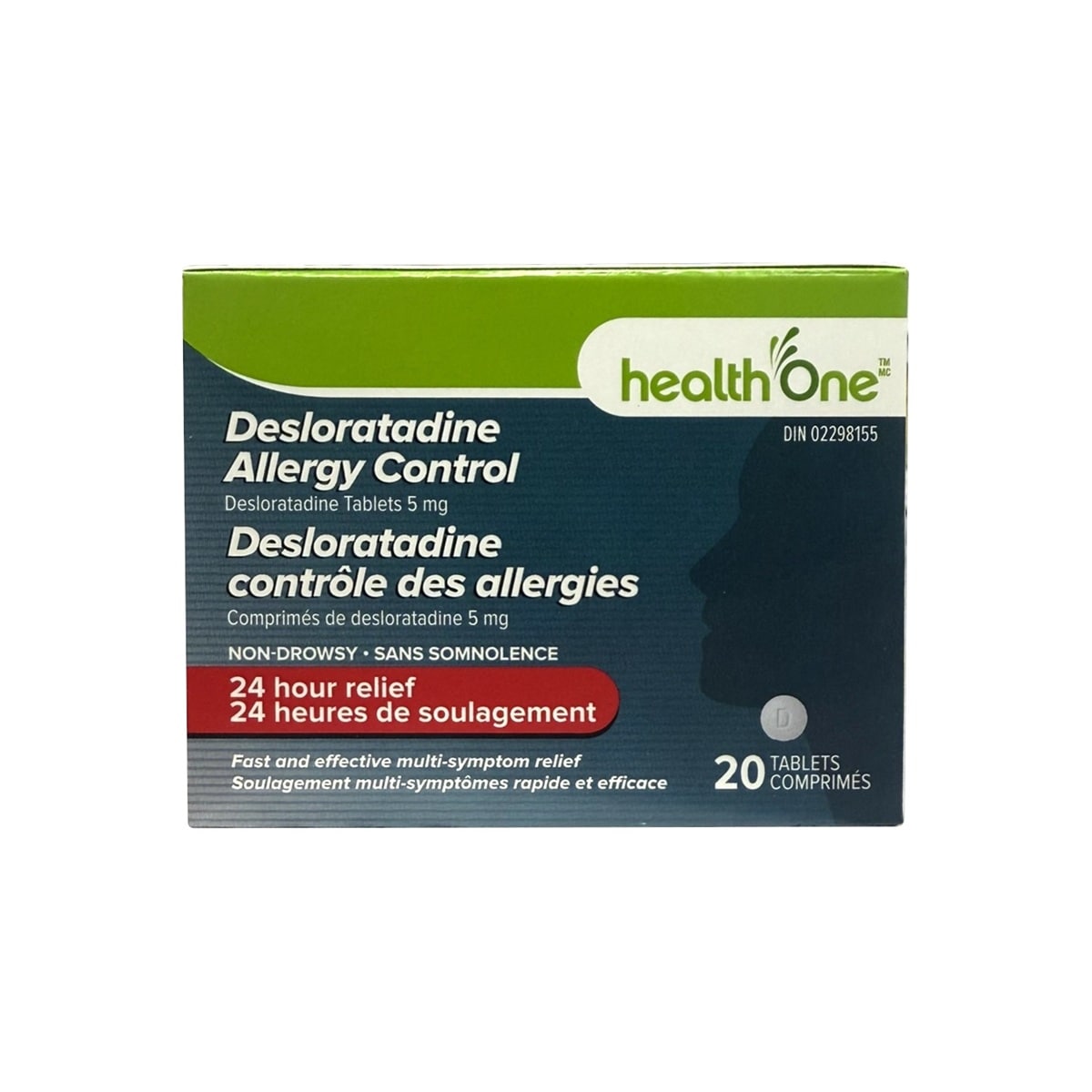
Desloratadine 5 mg is a second-generation, long-acting, non-sedating antihistamine utilized primarily to manage the symptoms of allergic rhinitis and chronic idiopathic urticaria. By selectively blocking peripheral histamine H1-receptors, this medication provides sustained relief from sneezing, nasal congestion, itching, and hives without readily crossing the blood-brain barrier, thereby minimizing daytime drowsiness.
Understanding Desloratadine 5 mg: Pharmacological Profile and Mechanism
To appreciate the diverse applications of desloratadine 5 mg, it is helpful to examine its underlying pharmacology. As a primary active metabolite of loratadine, desloratadine exhibits a high affinity for histamine H1 receptors. When allergens such as pollen, dust mites, or pet dander trigger an immune response, mast cells degranulate, releasing histamine into surrounding tissues. This chemical release causes vasodilation, capillary leakage, sensory nerve stimulation, and subsequent allergy symptoms.
Unlike older, first-generation antihistamines like diphenhydramine, desloratadine is structurally designed to possess minimal lipophilicity. This chemical property prevents the medication from easily penetrating the central nervous system, which explains its non-sedating classification. Furthermore, desloratadine demonstrates anti-inflammatory properties by inhibiting the release of various pro-inflammatory cytokines and adhesion molecules from human mast cells and basophils, offering a dual-action approach to allergy management.
10 Clinical Uses and Indications for Desloratadine 5 mg
While most individuals associate allergy medications with basic sneezing, modern clinical practice utilizes desloratadine 5 mg across a broad spectrum of histamine-mediated conditions. Below is a detailed breakdown of its ten primary uses.
1. Relief from Seasonal Allergic Rhinitis (Hay Fever)
Seasonal allergic rhinitis occurs during specific times of the year when trees, grasses, and weeds release pollens into the air. Desloratadine 5 mg effectively targets acute flare-ups of seasonal allergies, mitigating symptoms such as paroxysmal sneezing, rhinorrhea (runny nose), and nasal pruritus (itching). Its 24-hour pharmacokinetic profile ensures that patients maintain stable therapeutic blood concentrations with a single daily dose, preventing the recurring morning symptom spikes common with shorter-acting agents.
2. Management of Perennial Allergic Rhinitis
Unlike seasonal variants, perennial allergic rhinitis persists year-round due to indoor triggers such as house dust mites, animal dander, molds, and indoor cockroaches. Because continuous exposure is difficult to avoid completely, chronic pharmacotherapy is often required. Desloratadine 5 mg provides a safe, non-sedating option for long-term daily management, helping patients maintain clear nasal passages and reduce mucosal inflammation over extended periods.
3. Alleviating Allergic Conjunctivitis Symptoms
Allergic conjunctivitis frequently accompanies rhinitis, resulting in red, itchy, watery, and swollen eyes. When airborne allergens contact the conjunctiva, localized mast cell activation leads to histamine release and ocular discomfort. While specialized eye drops offer direct topical relief, systemic antihistamines like desloratadine 5 mg complement ocular therapies by reducing overall systemic histamine load, thereby diminishing eye-related irritation and tearing.
4. Treatment of Chronic Idiopathic Urticaria (Hives)
Chronic idiopathic urticaria (CIU) involves the recurring appearance of itchy wheals and hives of unknown origin lasting for six weeks or longer. Desloratadine 5 mg is FDA-approved for the relief of dermatological symptoms associated with CIU. It reduces both the number and intensity of hives while significantly curbing the debilitating pruritus that often disrupts sleep and daily functioning.
5. Reducing Nasal Congestion Secondary to Allergies
While true nasal decongestants (such as pseudoephedrine) rely on vasoconstriction, second-generation antihistamines assist with congestion by blocking the histamine pathways that drive vascular permeability and tissue swelling. Desloratadine 5 mg helps open blocked nasal passages in allergic individuals, facilitating easier nasal breathing without the rebound congestion risks associated with prolonged topical decongestant nasal spray use.
6. Control of Post-Nasal Drip and Associated Cough
Excessive mucus production stemming from chronic allergic rhinitis often pools in the posterior nasopharynx, triggering a chronic throat-clearing reflex and cough. By suppressing the underlying allergic cascade and reducing hypersecretion from nasal goblet cells, desloratadine 5 mg helps break the cycle of post-nasal drip, relieving secondary throat irritation and allergy-induced coughing.
7. Adjunctive Support for Mild Allergic Asthma Symptoms
While not a primary bronchodilator or anti-inflammatory treatment for asthma, allergic rhinitis and asthma frequently coexist as part of united airway disease. Clinical guidelines recognize that managing upper airway inflammation can positively influence lower airway symptoms. Desloratadine 5 mg is often utilized adjunctively in patients with mild asthma whose exacerbations are clearly triggered by underlying seasonal or perennial allergies.
8. Relief from Contact-Related Skin Itching (Mild Dermatographism)
Dermatographism is a form of physical urticaria where light stroking or pressure on the skin results in raised, red lines or welts accompanied by itching. Although severe cases require specialized dermatological intervention, standard antihistamines like desloratadine 5 mg help stabilize mast cells in the dermis, raising the threshold for skin reactivity and providing meaningful relief from everyday mechanical skin irritation.
9. Management of Insect Bite Reactions (Local Hypersensitivity)
Localized reactions to insect bites—such as those from mosquitoes, gnats, or ants—are driven primarily by localized histamine release in response to salivary proteins injected during the bite. Taking desloratadine 5 mg during peak outdoor seasons or immediately following exposure can moderate the intensity of localized swelling, redness, and intense pruritus around bite sites.
10. Prevention of Anticipatory Allergenic Flare-Ups
For individuals with known, predictable allergen triggers—such as visiting a home with pets or spending time outdoors during high-pollen forecasts—proactive administration of desloratadine 5 mg provides preventative mucosal protection. By occupying peripheral histamine receptors prior to allergen contact, the medication blunts the initial immune cascade, minimizing the severity of acute flare-ups.
Comparison of Second-Generation Antihistamines
To better understand where desloratadine fits within modern allergy therapeutics, the following table compares it with other commonly prescribed second-generation antihistamines.
| Generic Name | Standard Adult Dose | Onset of Action | Typical Duration | Sedation Potential | Primary Metabolite Status |
|---|---|---|---|---|---|
| Desloratadine | 5 mg once daily | 1 to 3 hours | 24 hours | Very Low | Active metabolite of loratadine |
| Loratadine | 10 mg once daily | 1 to 3 hours | 24 hours | Very Low | Requires hepatic conversion |
| Cetirizine | 10 mg once daily | 20 to 60 hours | 24 hours | Low to Moderate | Active metabolite of hydroxyzine |
| Fexofenadine | 60 mg twice daily or 180 mg daily | 1 to 2 hours | 24 hours | Lowest | Independent active substance |
Dosage, Administration, and Pharmacokinetics
Desloratadine 5 mg is formulated primarily as standard oral tablets, orally disintegrating tablets (ODTs), and oral syrups. For adults and adolescents aged 12 years and older, the standard dosage is one 5 mg tablet taken orally once daily, with or without food.
Because food intake does not significantly affect the bioavailability of desloratadine, patients can take the medication regardless of meals. However, consistency in timing—taking the dose at the same time each day—helps maintain steady-state plasma concentrations for optimal 24-hour symptom control.
Patients with hepatic or renal impairment require careful dosage adjustments, typically starting with one 5 mg tablet every other day, as the liver and kidneys are primarily responsible for the metabolism and elimination of the drug and its metabolites.
Potential Side Effects and Safety Considerations
While desloratadine 5 mg is generally well-tolerated across diverse patient populations, like all pharmaceutical agents, it carries potential side effects. Clinical trials indicate that adverse events are typically mild and transient.
- Common Side Effects: Fatigue, dry mouth, headache, somnolence (mild drowsiness in sensitive individuals), and pharyngitis.
- Rare Side Effects: Tachycardia, palpitations, hypersensitivity reactions (such as rash, pruritus, and anaphylaxis), elevated liver enzymes, and jaundice.
Important Medical Precautions
- Pregnancy and Lactation: Consult an obstetrician or healthcare provider prior to use, as desloratadine passes into breast milk and crosses the placental barrier.
- Hepatic/Renal Impairment: Requires dose modification under physician supervision to prevent drug accumulation.
- Pediatric Use: The 5 mg tablet strength is generally reserved for adolescents and adults aged 12 and older; younger children require weight-adjusted syrup or lower-dose pediatric formulations.
Disclaimer: This article is for informational purposes only and does not constitute professional medical advice, diagnosis, or treatment. Always seek the advice of your physician or other qualified health provider with any questions regarding a medical condition.
Frequently Asked Questions
Can I take desloratadine 5 mg every day?
Yes, desloratadine 5 mg is designed for daily continuous use, particularly for chronic conditions like perennial allergic rhinitis and chronic idiopathic urticaria. However, if symptoms persist or worsen despite continuous daily use for more than 14 days, consult a healthcare provider for re-evaluation.
Does desloratadine 5 mg cause drowsiness?
Desloratadine is classified as a non-sedating second-generation antihistamine because it poorly penetrates the blood-brain barrier. While clinical trials show that the incidence of drowsiness is comparable to a placebo, a small percentage of sensitive individuals may still experience mild fatigue.
Can I consume alcohol while taking desloratadine?
While desloratadine does not significantly increase the central nervous system impairment caused by alcohol in clinical studies, combining alcohol with any antihistamine should be approached with caution to avoid excessive drowsiness or additive central nervous system depression.
What should I do if I miss a dose?
If you miss a dose of desloratadine 5 mg, take it as soon as you remember. If it is almost time for your next scheduled dose, skip the missed dose and resume your normal dosing schedule. Never take a double dose to make up for a forgotten one.
Is desloratadine safe for elderly patients?
Yes, desloratadine is often preferred over first-generation antihistamines in older adults because it lacks significant anticholinergic effects (such as urinary retention, confusion, and severe dry mouth). However, elderly patients with reduced kidney or liver function should use it under medical supervision.
Conclusion and Next Actions
Desloratadine 5 mg remains a versatile, effective, and non-sedating therapeutic option for managing a wide array of allergic conditions, ranging from seasonal hay fever to chronic hives. To ensure safe and effective use, evaluate your specific allergy triggers, monitor for any adverse reactions, and consult a qualified healthcare provider to tailor an individualized allergy management plan suited to your specific health profile.