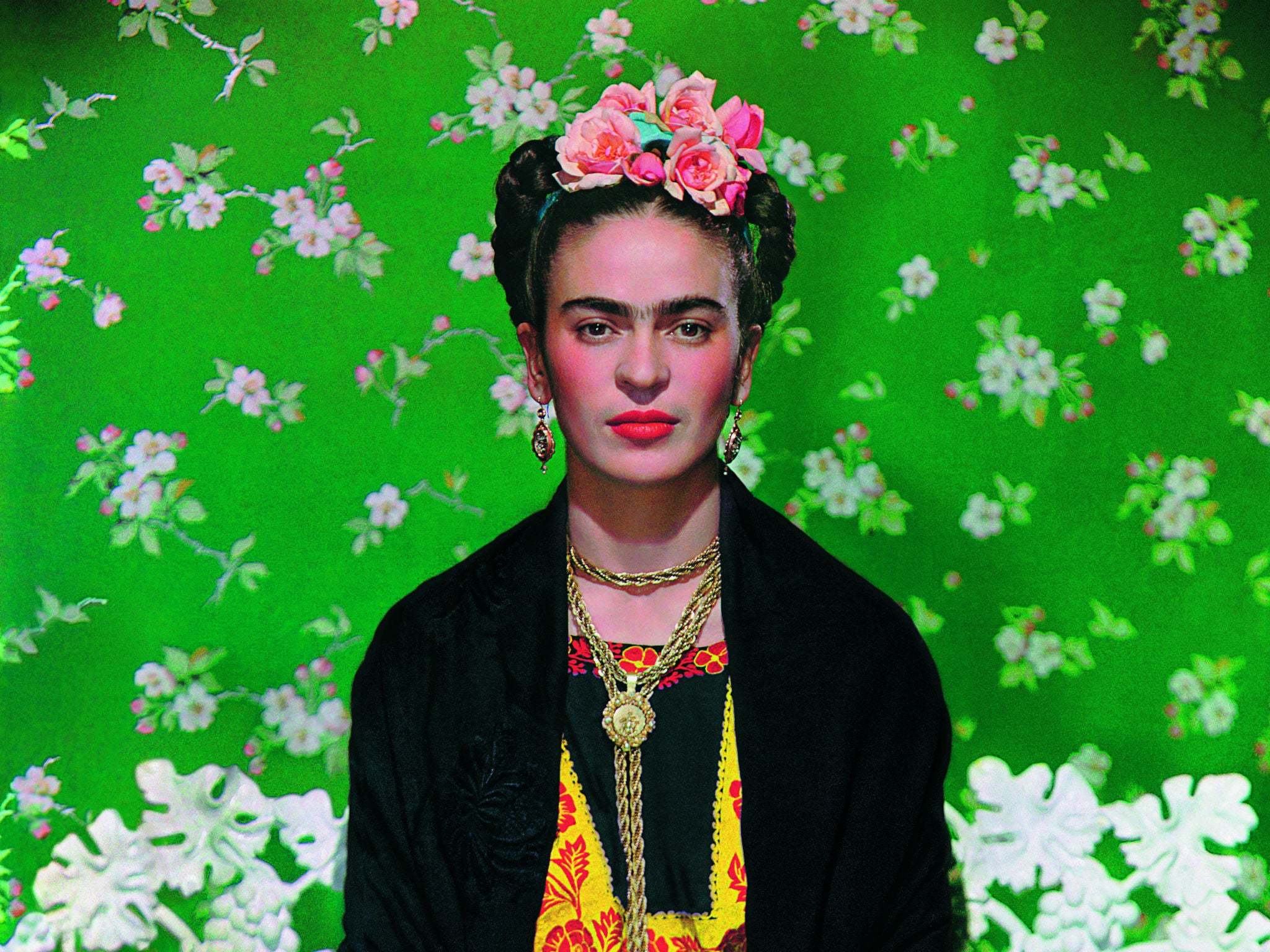
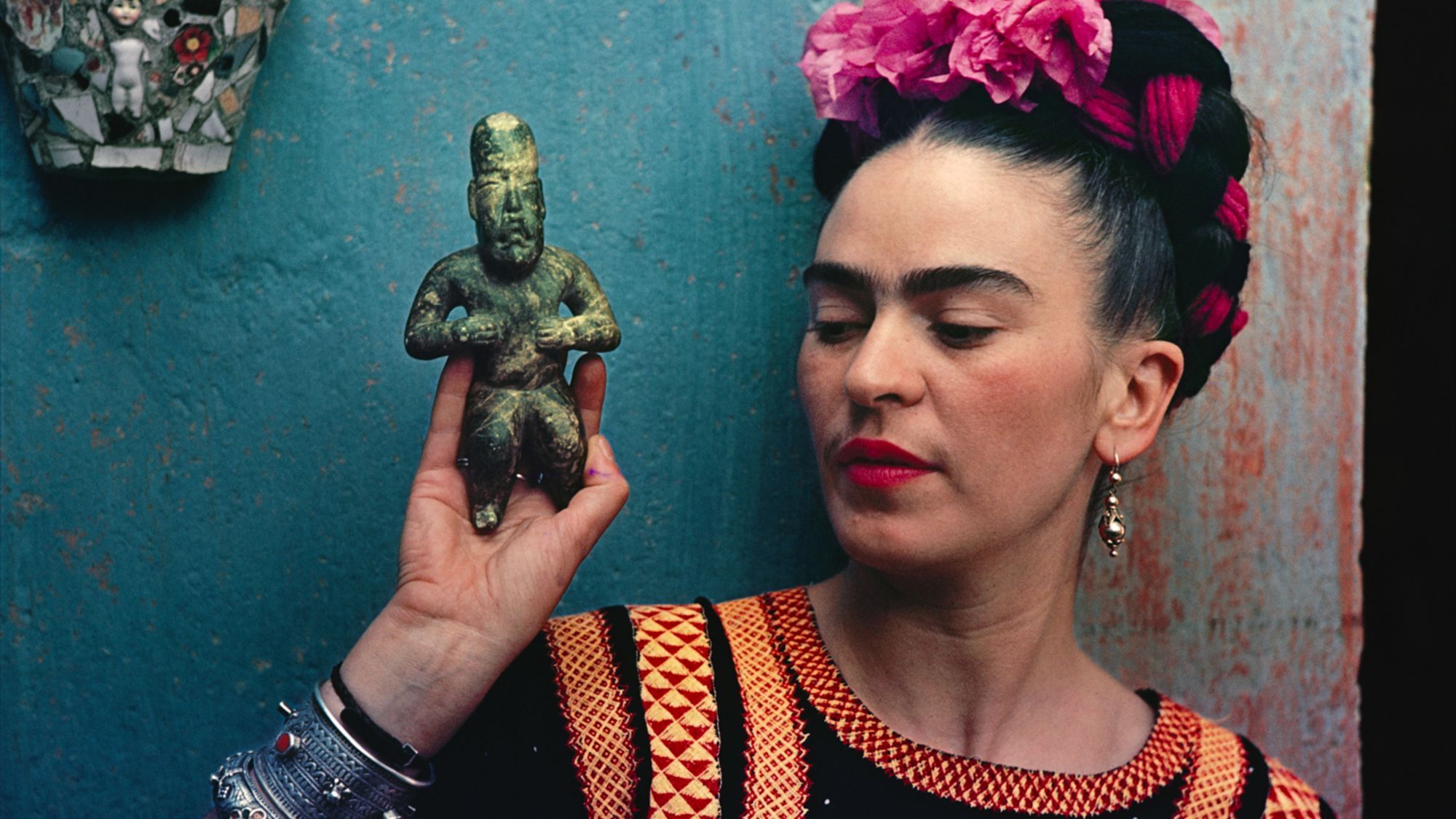
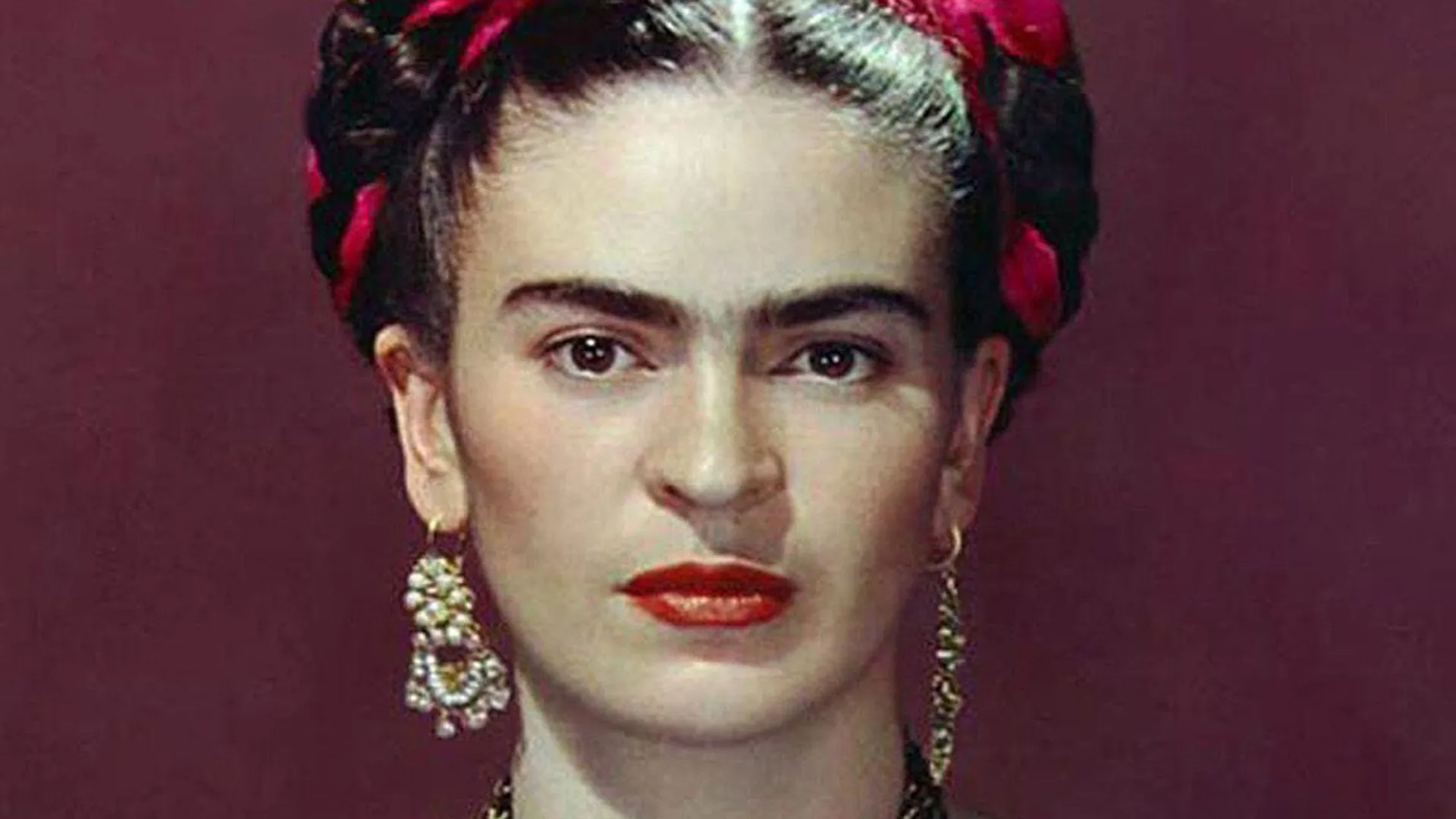
Frida Kahlo stands as one of the most iconic, celebrated, and deeply analyzed artists of the twentieth century, renowned worldwide for her uncompromising self-portraits, vibrant palette, and fearless exploration of identity, pain, and Mexican culture. While her distinctive unibrow and traditional Tehuana dresses are universally recognized visual motifs, the layers of her personal history, artistic techniques, political convictions, and physical endurance reveal a woman whose life was every bit as complex and revolutionary as her canvas work. Examining her legacy moves beyond surface-level pop culture iconography to uncover the actual historical and biographical forces that shaped her enduring masterpieces.
Introduction to Frida Kahlo's Enduring Legacy
Magdalena Carmen Frieda Kahlo y Calderón was born in Coyoacán, Mexico, in 1907. Her life was defined by an extraordinary resilience in the face of profound physical suffering and turbulent personal relationships, most notably with the famed muralist Diego Rivera. Although she achieved significant acclaim during her lifetime—particularly in Mexico and through exhibitions in New York and Paris—her global superstar status surged decades after her death in 1954. Today, her former home, La Casa Azul (The Blue House), operates as one of Mexico City's most visited museums, preserving the tangible environment where she lived, painted, and breathed. Exploring these ten key facts sheds light on the multifaceted realities of an artist who turned her own physical and emotional trauma into timeless visual poetry.
1. She Contracted Polio at a Young Age
Long before her life-altering bus accident, Frida's resilience was tested in early childhood. At the age of six, she contracted poliomyelitis, an infectious viral disease that primarily affected her right leg and foot. The illness caused her right leg to grow thinner and shorter than her left, leaving her with a permanent limp.
During her recovery, her father, Guillermo Kahlo—a professional photographer—encouraged her to engage in sports such as soccer, swimming, and even wrestling (which was highly unconventional for young girls in Mexico at the time) to strengthen her body. Despite these efforts, the bullying she endured from peers left deep emotional scars. This early encounter with long-term illness and bodily difference planted the seeds for her lifelong preoccupation with physical vulnerability, isolation, and medical imagery.
2. A Catastrophic Bus Accident Altered Her Destiny
On September 17, 1925, an eighteen-year-old Frida boarded a wooden bus that collided violently with a streetcar. The accident was catastrophic: an iron handrail pierced her abdomen and pelvis, fracturing her spine in three places, breaking her collarbone, ribs, and pelvis, and fracturing her right leg in eleven places.
Doctors did not expect her to survive the initial impact, let alone walk again. Confined to a bed for months in a full-body plaster cast, Kahlo began painting out of sheer necessity and boredom. Her mother had a special easel constructed that allowed her to paint while lying flat on her back, with a mirror positioned above her bed so she could study her own reflection. This tragedy effectively birthed her career as an artist, as she famously noted later: "I paint myself because I am so often alone and because I am the subject I know best."
3. Her Artistic Style Blended Surrealism with Mexican Folk Art
While frequently associated with the Surrealist movement—largely due to the championing of French poet André Breton, who organized her 1939 Paris exhibition—Kahlo firmly rejected the label. She insisted that her work did not depict dreams, hallucinations, or the subconscious realm, but rather her own literal, waking reality.
Her unique visual vocabulary drew heavily from traditional Mexican folk art, indigenous pre-Columbian artifacts, and Catholic ex-voto paintings (small devotional votive offerings). She combined these elements with visceral anatomical precision, vibrant tropical colors, and symbolic motifs such as bleeding hearts, thorn necklaces, weeping monkeys, and roots sprouting from wounds. This synthesis created a distinct aesthetic style that defied tidy categorization within twentieth-century European art movements.
4. She Married Diego Rivera Twice
Frida's tumultuous romantic and marital life with the legendary muralist Diego Rivera is one of the most famous and tempestuous relationships in art history. They first met when Rivera was painting a mural at the National Preparatory School where Frida was a student. They married in 1929, when she was 22 and he was 43.
The marriage was plagued by numerous infidelities on both sides—including an affair between Rivera and Frida's younger sister, Cristina—alongside intense political arguments and creative tensions. They divorced in 1939, only to remarry just one year later in 1940 under stricter terms, which included financial independence and no sexual relations. Despite the heartbreak, betrayal, and emotional chaos, they remained deeply devoted creative anchors for one another until Frida's death.
5. She Was a Fierce Political Activist and Communist
Beyond her canvas work, Kahlo was deeply committed to radical politics and Marxist-Leninist ideology. She was an active member of the Mexican Communist Party (PCM) and proudly aligned her life with leftist revolutionary ideals. In her later years, despite being physically debilitated, she participated in a political protest against United States intervention in Guatemala just days before her death in July 1954.
Her political convictions also intersected with her personal life. In 1937, she and Diego Rivera successfully lobbied the Mexican government to grant political asylum to Leon Trotsky, the exiled Russian revolutionary leader, and his wife, Natalia Sedova. Trotsky stayed at La Casa Azul for a period, and he and Frida maintained a brief romantic affair, highlighting the intersecting circles of avant-garde art, political exile, and intellectual rebellion in Mexico City during the 1930s.
6. Self-Portraits Formed the Core of Her Oeuvre
Of the approximately 143 paintings Frida created during her lifetime, 55 are self-portraits. For Kahlo, the self-portrait was not an exercise in vanity, but an empirical study of psychological states, physical agony, and cultural identity.
In works like The Two Fridas (Las dos Fridas, 1939) and The Broken Column (La columna rota, 1944), she externalized her internal pain, displaying exposed spines, bleeding hearts, surgical corsets, and surgical scars with unflinching honesty. These paintings served as a psychological shield and an assertion of agency over a body that had betrayed her through illness and injury.
7. She Had Her First Solo Exhibition in Mexico Just Before Her Death
Despite achieving international renown through group exhibitions in New York, Paris, and London, Kahlo struggled for decades to secure a solo exhibition in her home country. That long-awaited milestone finally occurred in April 1953 at the Galería de Arte Contemporáneo in Mexico City.
At this point in her life, Frida was bedridden due to gangrene in her right leg, which ultimately required amputation below the knee. Refusing to miss the opening of her own show, she arrived at the gallery via an ambulance, was carried inside on a hospital bed, and spent the evening greeting guests, drinking tequila, and singing revolutionary songs from the comfort of her bed. It was a characteristically dramatic, resilient, and defiant public appearance.
8. She Curated Her Own Identity Through Fashion
Frida's clothing choices were a deliberate, highly calculated form of political and cultural self-expression. Following her marriage to Diego Rivera, she adopted traditional Tehuana attire—originating from the matriarchal society of the Isthmus of Tehuantepec in southern Mexico.
The wardrobe featured voluminous embroidered skirts (huipiles), elaborate braided hairstyles interwoven with ribbons and fresh flowers, and heavy silver jewelry. This style served multiple purposes: it celebrated indigenous Mexican heritage, expressed her leftist solidarity with Mexico's working-class indigenous populations, and cleverly concealed her medical corsets, surgical steel back braces, and thinner right leg beneath flowing layers of vibrant fabric.
9. La Casa Azul Preserves Her Physical and Creative World
Located in the Coyoacán borough of Mexico City, La Casa Azul (The Blue House) is where Frida was born, lived for much of her life, and died. Following her death, Diego Rivera donated the house to the nation to establish a museum dedicated to her life and art.
The museum houses an extraordinary collection of her personal belongings—including her painted medical corsets, medicine bottles, antique paint tubes, pre-Columbian figurines, and books—which remained locked away in a bathroom for fifty years after her death and were only unsealed in 2004. Walking through the cobalt-blue courtyard and sunlit studios provides visitors with an intimate window into her daily routines, creative inspirations, and domestic environment.
10. Her Artistic Revival Sparked a Global Cultural Phenomenon
While Frida enjoyed critical respect during her life, her transformation into a global pop culture icon occurred gradually in the late twentieth century, catalyzed by the publication of Hayden Herrera’s definitive 1983 biography Frida: A Biography of Frida Kahlo and the critically acclaimed 2002 Hollywood film Frida, starring Salma Hayek.
Today, her face adorns everything from postage stamps and tote bags to murals, fashion lines, and gallery walls worldwide. This widespread commercialization has sometimes divorced her image from her actual political beliefs and physical struggles, yet it testifies to the extraordinary magnetism of an artist who turned pain into power and vulnerability into an eternal artistic legacy.
Comparison of Key Life Milestones
| Year | Event / Milestone | Significance in Frida Kahlo's Life |
|---|---|---|
| 1907 | Birth in Coyoacán, Mexico | Began her life in the house that would later become La Casa Azul. |
| 1913 | Contracts Polio | Caused permanent damage and thinning to her right leg, sparking early medical struggles. |
| 1925 | Catastrophic Bus Accident | Resulted in severe spinal and pelvic fractures, forcing her to take up painting while bedridden. |
| 1929 | Marries Diego Rivera | Marked the beginning of a famously turbulent, lifelong creative and romantic partnership. |
| 1939 | The Two Fridas Painted & Paris Exhibition | Created her iconic dual self-portrait and exhibited work alongside European Surrealists. |
| 1953 | First Solo Exhibition in Mexico | Arrived at her home-country gallery exhibition via ambulance while bedridden. |
| 1954 | Death in Coyoacán | Passed away at La Casa Azul at age 47, leaving behind an immortal artistic footprint. |
Frequently Asked Questions About Frida Kahlo
Did Frida Kahlo consider herself a Surrealist?
No, Frida Kahlo actively rejected the Surrealist label applied to her work by European critics and poets like André Breton. While her paintings often featured dreamlike, bizarre, and symbolic imagery, she insisted that her art represented her actual lived experiences, physical suffering, and psychological reality rather than subconscious fantasies or dreams.
Why did Frida Kahlo paint so many self-portraits?
Her focus on self-portraiture stemmed from her long periods of isolation, immobility, and intense physical rehabilitation following her 1925 bus accident. Because she spent months confined to a bed facing a mirror, her own image was the most accessible and intimate subject available to her. It served as a vehicle to explore pain, identity, anatomy, and emotional trauma.
What caused Frida Kahlo's physical disabilities?
Her physical challenges were the result of two major medical events: a severe case of polio contracted when she was six years old, which affected her right leg, and a horrific bus accident at age eighteen that shattered her spine, collarbone, ribs, and pelvis, requiring dozens of surgeries and lifelong medical interventions.
What is the significance of Frida Kahlo's Tehuana clothing?
Frida's adoption of traditional Tehuana dresses—characterized by embroidered blouses (huipiles) and sweeping skirts—served as a tribute to indigenous Mexican culture and women from the matriarchal Isthmus of Tehuantepec. Politically, it aligned with her leftist beliefs, and practically, it helped conceal her rigid medical corsets and bodily deformities.
Where can visitors see Frida Kahlo's original artwork and home?
Her primary physical and creative home, La Casa Azul (The Blue House) in Coyoacán, Mexico City, functions as a dedicated museum showcasing her personal artifacts, studio space, and selected works. Additional major collections of her paintings can be seen at the Museo Dolores Olmedo and the Museo de Arte Moderno in Mexico City, as well as various international galleries.
Next Steps for Art Enthusiasts and Researchers
To deepen your understanding of Frida Kahlo beyond surface-level pop culture representations, start by reading a reputable biography such as Hayden Herrera’s Frida. If possible, plan a virtual or physical visit to La Casa Azul in Mexico City to examine her original workspace, medical corsets, and personal collections. For a deeper academic study, explore catalogs from major international retrospective exhibitions that analyze the intersection of her medical history, political activism, and revolutionary artistic output.