Staying informed on current US visa news and H-1B updates is essential for foreign professionals and their sponsoring employers, as the program governing non-immigrant work authorization continues to shift through regulatory updates, procedural adjustments, and evolving adjudication standards.
The H-1B visa category remains the primary vehicle for US employers to hire foreign nationals in specialty occupations that require highly specialized knowledge and at least a bachelor’s degree. Navigating the program in 2026 requires understanding the annual lottery registration process, prevailing wage requirements, USCIS adjudication trends, and the critical timelines that dictate legal employment status. While USCIS updates focus on improving digital accessibility and administrative efficiency, applicants must remain vigilant regarding eligibility criteria, site visits, and the maintenance of their status throughout their period of stay.
Understanding the H-1B Registration and Selection Process
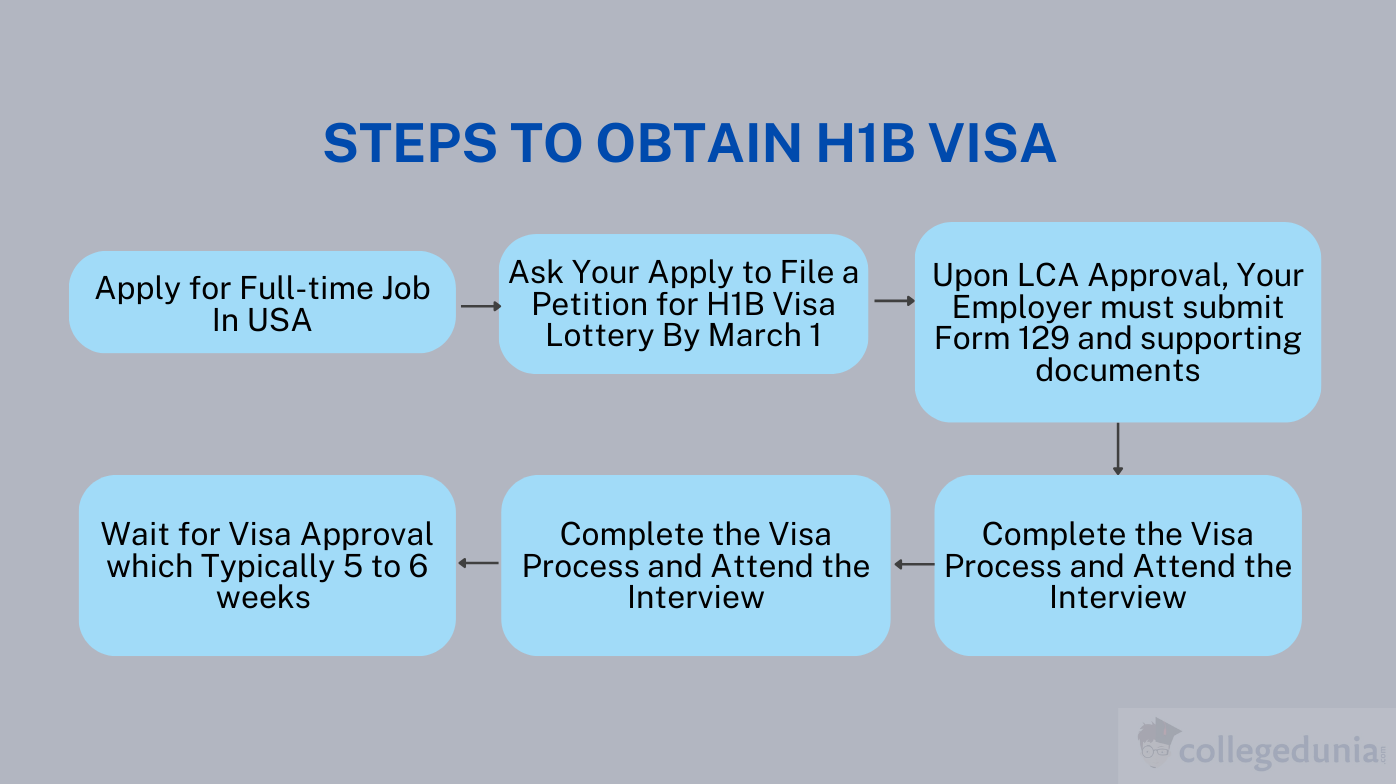
The H-1B visa process typically begins with the electronic registration period, usually held in March of each year. Employers or their authorized representatives must register beneficiaries online through the USCIS portal. This system is designed to streamline the intake of petitions and manage the congressionally mandated cap of 65,000 regular H-1B visas, with an additional 20,000 visas reserved for those with a master’s degree or higher from a US institution.
Once the registration window closes, USCIS conducts a random selection process. If a beneficiary is selected, the employer receives a notification in their USCIS account, granting them a 90-day window to submit a full Form I-129, Petition for a Nonimmigrant Worker. It is important to note that a selection in the lottery is not a guarantee of visa approval; it merely grants the employer the eligibility to file a petition for the candidate.
Key Factors in Petition Adjudication
Adjudicators evaluate petitions based on three primary pillars:
- Specialty Occupation Requirement: The role must involve a position that normally requires at least a bachelor’s degree in a specific specialty, and the complexity of the duties must be such that they can only be performed by a degreed professional.
- Employer-Employee Relationship: The petitioner must demonstrate that they have the right to hire, fire, pay, and supervise the worker. This is particularly relevant for third-party worksites or consulting firms.
- Prevailing Wage Compliance: Employers must obtain a Labor Condition Application (LCA) from the Department of Labor, certifying they will pay the beneficiary at least the prevailing wage for the occupation in the specific geographic area of employment.
Regulatory Updates and Compliance Standards in 2026
As of 2026, USCIS continues to prioritize the integration of advanced screening technologies to verify the legitimacy of petitions. Employers should be aware that the agency has increased its focus on "Material Changes" to employment. If a beneficiary changes work locations, job duties, or compensation structures significantly, the employer may be required to file an amended H-1B petition.
Furthermore, the Department of Labor (DOL) has maintained strict oversight regarding the Wage Level definitions. Applicants and employers should use the FLAG (Foreign Labor Application Gateway) system to verify that their wage levels align with current economic data. Failure to meet these wage obligations can lead to significant penalties, back-pay requirements, and potential debarment from the H-1B program.
Site Visits and Administrative Verification
USCIS officers may conduct unannounced site visits to verify the information provided in the I-129 petition. These site visits are designed to ensure that the beneficiary is physically working at the location specified in the petition and that they are performing the duties described in the job description. Employers should maintain a "Public Access File" for each H-1B employee, which must be kept accessible for public inspection and include the LCA, the wage rate, and documentation supporting the wage determination.
Strategic Comparison of H-1B Status and Alternatives
Applicants often consider other visa categories if they are not selected in the H-1B lottery or if their specific circumstances make H-1B filing impractical. The following table compares the H-1B with other common non-immigrant statuses used by professionals.
| Visa Type | Primary Purpose | Cap Subject | Duration |
|---|---|---|---|
| H-1B | Specialty Occupations | Yes (mostly) | 3+3 years |
| L-1A/B | Intracompany Transferee | No | 5-7 years |
| O-1A | Extraordinary Ability | No | Initial 3 years |
| TN (NAFTA) | Canadian/Mexican Professionals | No | Indefinite (renewals) |
| F-1 OPT | Student Work Authorization | No | 12-36 months |
For those currently in the US on F-1 status, the "Cap-Gap" provision is a critical piece of information. If an employer files an H-1B petition for an F-1 student with a request for a change of status, the student may be eligible to remain in the US and continue working if their OPT expires after the filing date but before the October 1 start date of the H-1B.
Troubleshooting Common H-1B Hurdles
Many applicants face challenges due to administrative errors or misunderstandings of the evidentiary requirements. Below are common pitfalls that lead to Requests for Evidence (RFE) or outright denials.
Insufficient Specialty Occupation Documentation
The most frequent cause of an RFE is the failure to demonstrate why a position is a "specialty occupation." A generic job description is rarely sufficient. Employers must provide a detailed breakdown of daily tasks, how those tasks require specific theoretical knowledge, and how the employer typically hires for this role. If the employer has never required a degree for this position in the past, USCIS may challenge the petition.
Degree Equivalency Issues
If a candidate does not have a degree in the specific field required for the job, their experience may sometimes be evaluated as an equivalent. However, USCIS is stringent regarding how this is calculated—generally, three years of specialized experience is considered equivalent to one year of academic study. Applicants must provide expert evaluations that verify this experience according to professional standards.
Maintaining Status during Transfers
When an H-1B holder moves to a new employer, the new company must file a "H-1B transfer" petition. A common point of confusion is whether the worker can start immediately. Under the "portability" provisions, an H-1B worker may begin working for the new employer as soon as the petition is filed with USCIS, provided they have been lawfully admitted to the US, are in valid status, and have not engaged in unauthorized employment.
Professional Guidance and Best Practices
Navigating US immigration law is a complex, fact-specific endeavor. It is strongly recommended that both employers and applicants consult with a qualified immigration attorney. Immigration laws are subject to rapid change, and individual circumstances—such as prior visa overstays, criminal records, or previous visa denials—can have a profound impact on eligibility.
Preparation Checklist for Applicants
- Verify Education: Ensure your academic credentials are fully accredited and, if earned outside the US, accompanied by a professional credential evaluation.
- Document Experience: Keep detailed records of previous employment, including letters of support, pay stubs, and performance reviews.
- Stay Informed: Monitor official USCIS announcements and the Department of Labor’s FLAG portal for updates on wage definitions or filing fee changes.
- Engage Early: Discuss immigration sponsorship with your employer at least six months before the registration period to allow ample time for LCA certification and document preparation.
The H-1B program, while competitive and procedurally demanding, remains a foundational element of the US employment-based immigration system. By understanding the rigorous requirements for specialty occupations, maintaining strict adherence to wage and employment standards, and staying updated on USCIS procedural changes, stakeholders can significantly improve their prospects for a successful application.
Frequently Asked Questions
Can I hold two H-1B jobs at the same time?
Yes, it is possible to hold "concurrent" H-1B employment. Each employer must file a separate H-1B petition for you, and both must be approved. You must maintain valid status with the primary employer while adding the second part-time or full-time position.
What happens if I am laid off while on an H-1B visa?
If you are laid off, you generally enter a 60-day "grace period" or until the end of your authorized validity period, whichever is shorter. During this time, you may seek a new employer to file a transfer petition, apply for a change of status to another visa category (such as B-2), or prepare for departure from the US.
Does an H-1B petition guarantee a Green Card?
No. An H-1B is a non-immigrant, temporary visa. While it is a "dual intent" visa—meaning you may apply for permanent residency while on an H-1B—the visa itself does not grant permanent residency. You must initiate a separate labor certification (PERM) and immigrant petition process to pursue a Green Card.
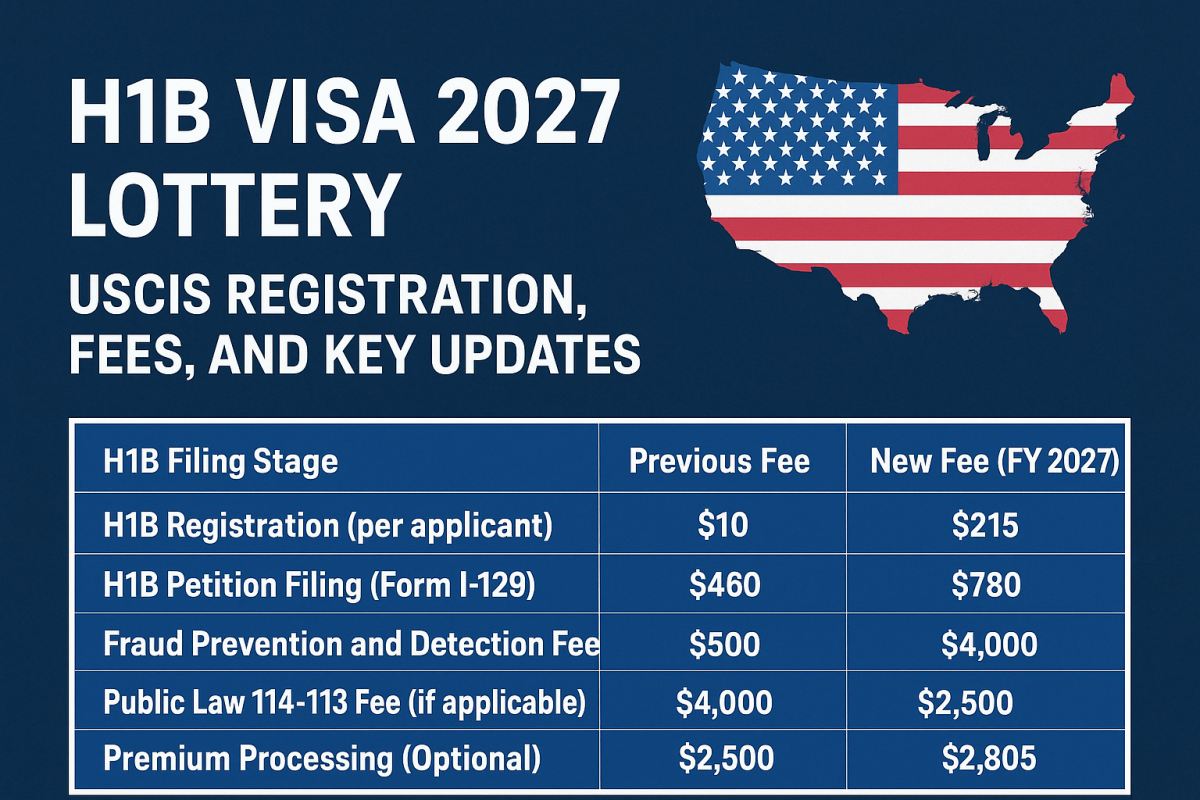
Are there any new fees for H-1B filings in 2026?
USCIS periodically updates its fee schedule. Always check the official USCIS "Fee Schedule" page (Form G-1055) before submitting any filings, as fees for the I-129 petition and the mandatory Asylum Program Fee can vary based on employer size and previous filing history.
Can my spouse work while I am on an H-1B?
Spouses of H-1B holders (on H-4 status) are generally not eligible to work in the US unless the H-1B holder has reached certain milestones in the permanent residency (Green Card) process, such as having an approved I-140 petition.
How do I check the status of my H-1B petition?
If you have a receipt number (a 13-character code), you can track your case status through the official USCIS online portal. Your employer or attorney will have access to official notices and RFE requests via the same system.
Next Action: Employers should immediately review their current H-1B workforce to ensure all Public Access Files are updated and that all LCAs remain compliant with current geographic prevailing wage data. Applicants should begin auditing their academic and professional credentials to ensure they are ready for the upcoming registration cycle.