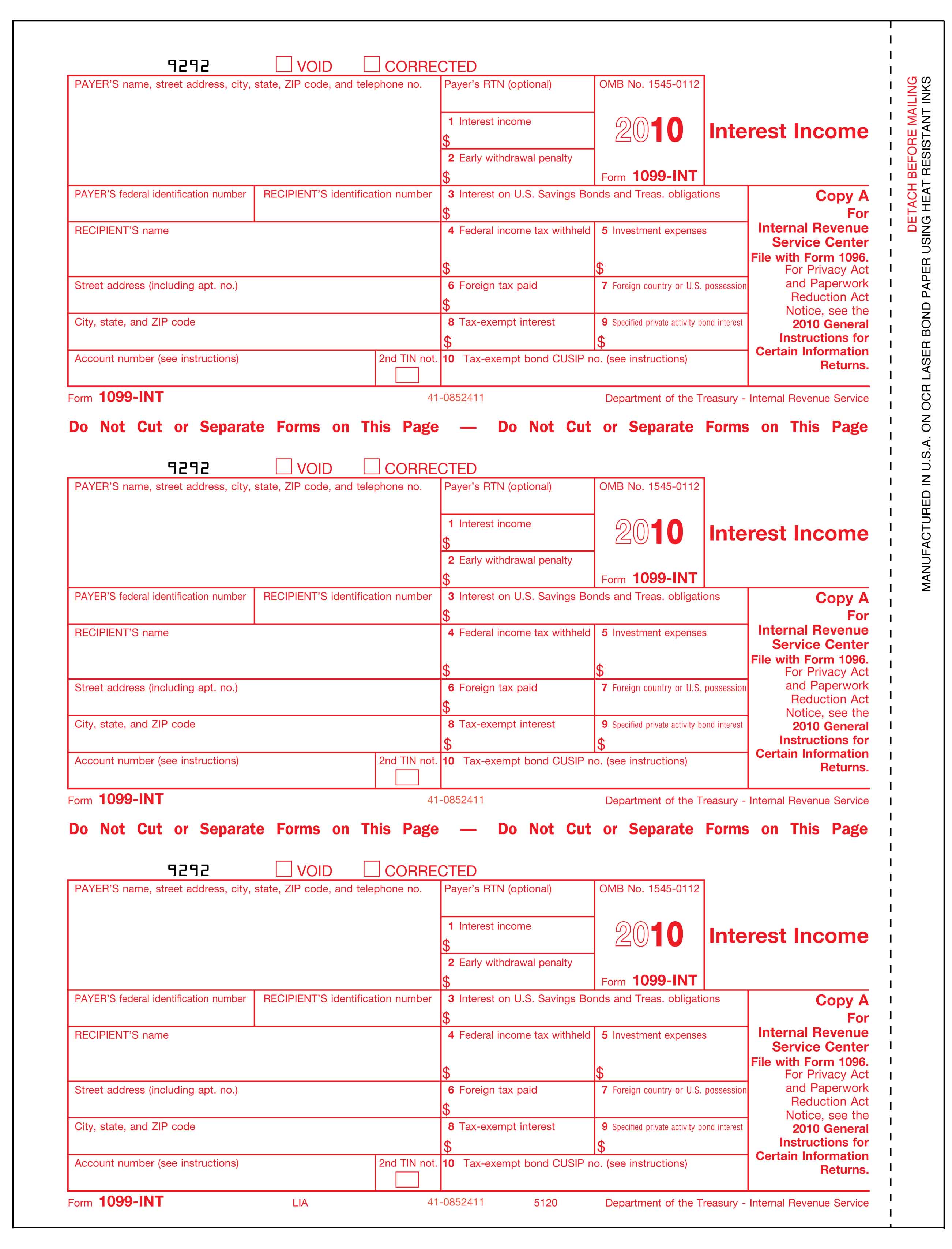
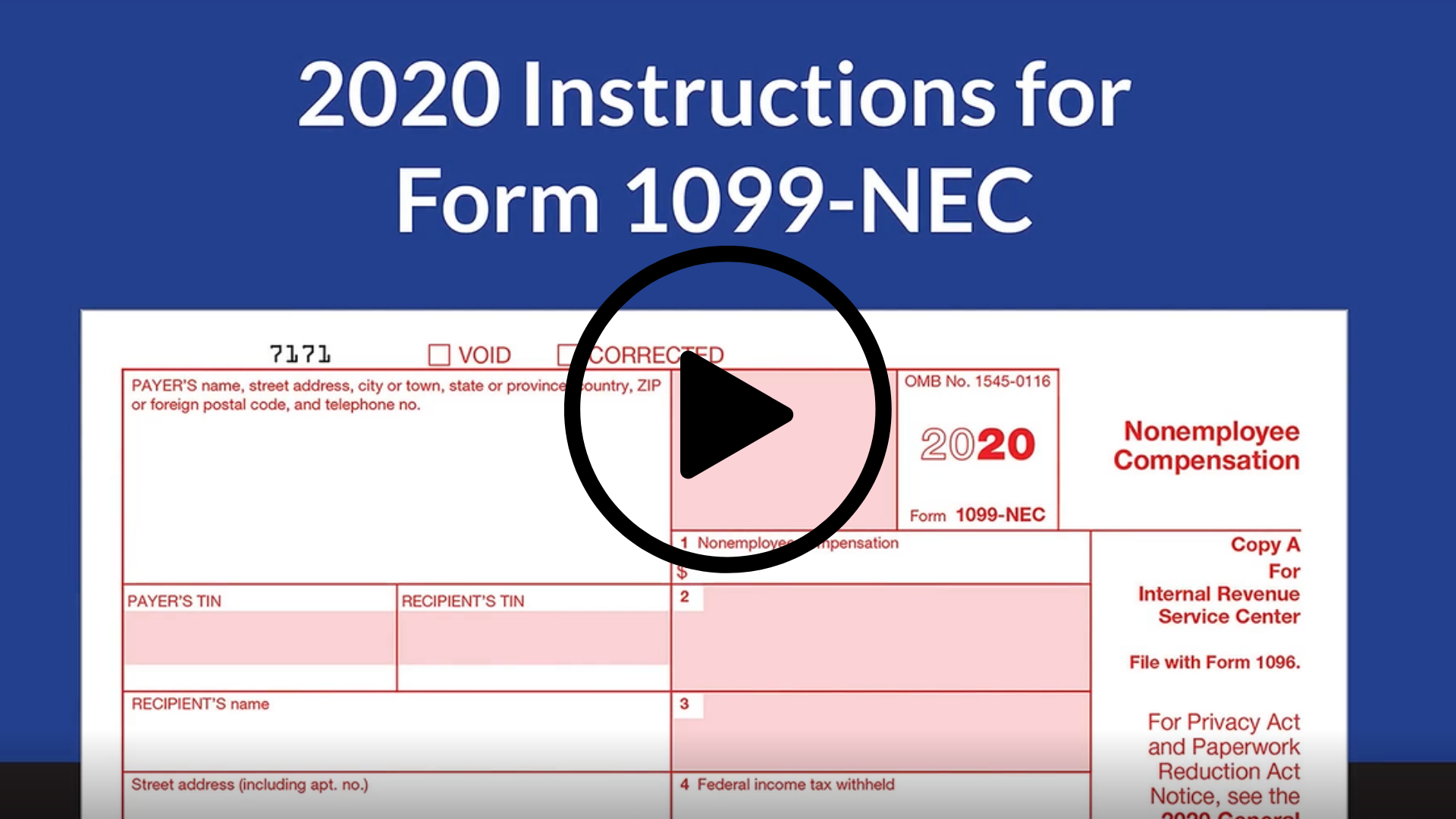
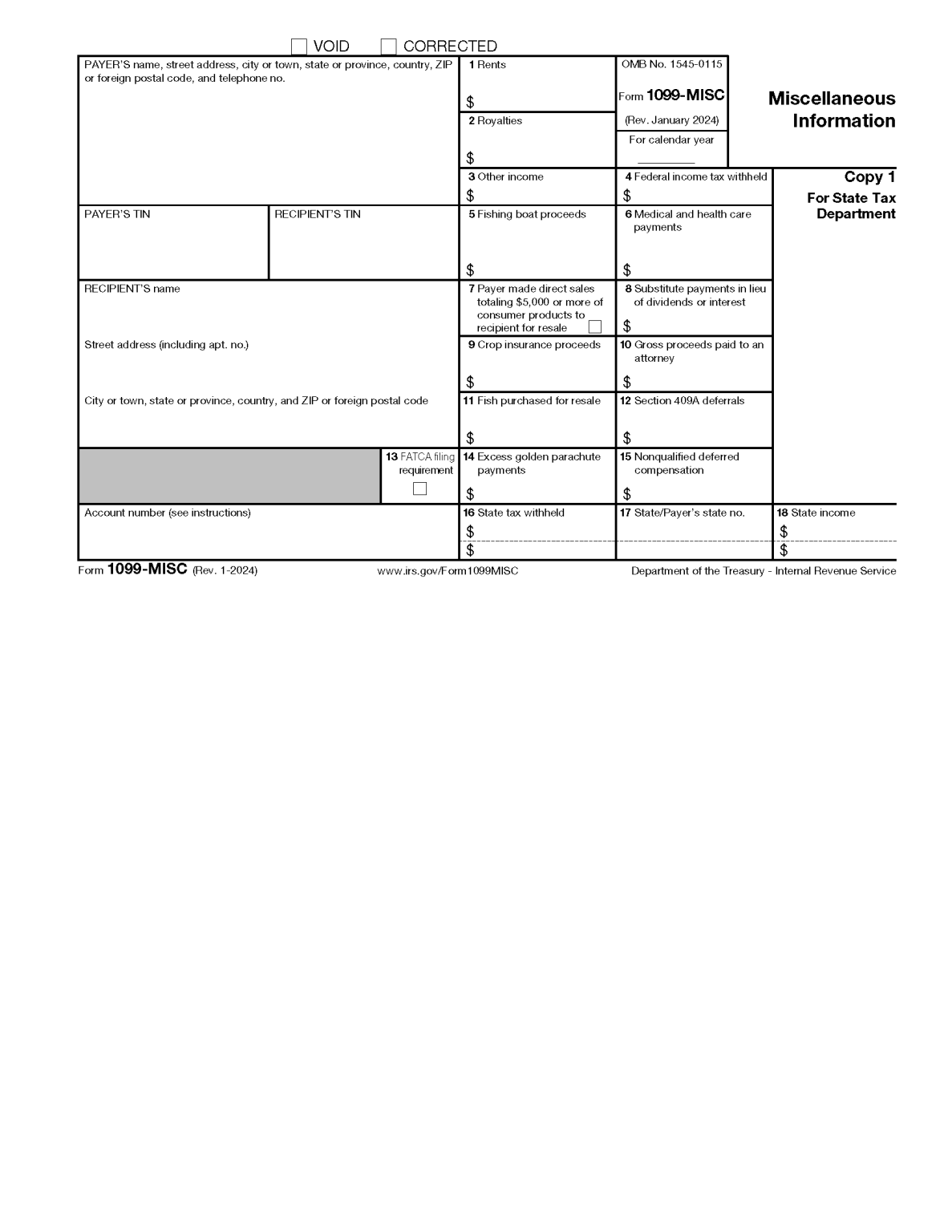
The single most critical rule for printing or issuing a 1099 form related to life insurance is that you must only report taxable interest or specific reportable distributions, such as the surrender of a policy or gains from a life insurance contract, to the Internal Revenue Service (IRS). Life insurance death benefits are generally received income-tax-free, meaning they are rarely reported on a 1099, but failure to distinguish between non-taxable death benefits and taxable cash value growth can lead to significant reporting errors and IRS penalties.
Distinguishing Between Death Benefits and Taxable Distributions
To understand why the "1 rule" focuses on taxable events, one must differentiate between the primary types of payouts associated with life insurance. Most people associate life insurance with a death benefit—the sum paid to beneficiaries upon the passing of the insured. Under current federal tax laws, these proceeds are typically excluded from gross income. Because they are not taxable, they do not require the issuance of a 1099-R or 1099-INT.
Conversely, "taxable distributions" refer to money pulled from a policy while the insured is still alive or payments that exceed the owner's "basis" in the policy. The tax basis is essentially the total amount of premiums paid into the policy minus any dividends or previous distributions received. If the cash value of a policy is surrendered, or if a policy is sold, the gain—the amount by which the payout exceeds the basis—is taxable. It is this specific gain that triggers the requirement for an insurance company to print and file a 1099-R.
The Role of Form 1099-R in Life Insurance
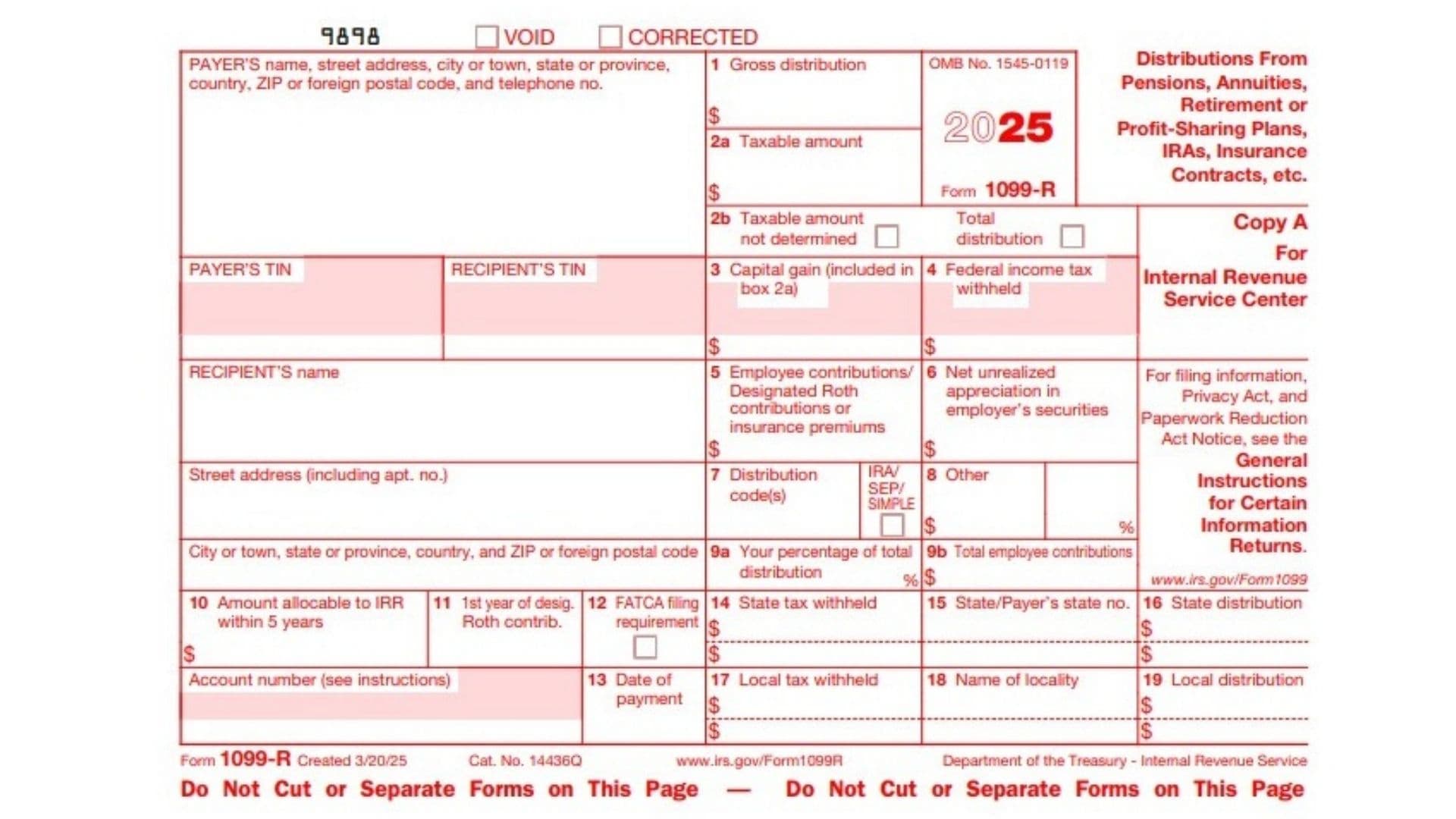
For insurance carriers and financial institutions, the 1099-R (Distributions From Pensions, Annuities, Retirement or Profit-Sharing Plans, IRAs, Insurance Contracts, etc.) is the standard instrument for reporting taxable life insurance transactions. When you are the entity responsible for printing or generating this form, you must follow the IRS guidelines for 2026 reporting.
The requirement to generate this form arises when an insurance contract experiences a "reportable event." This includes:
- Full surrenders of a cash-value life insurance policy where the cash value exceeds the cost basis.
- Partial withdrawals that exceed the owner’s investment in the contract.
- Maturity of an endowment contract.
- Certain assignments or transfers of ownership that the IRS deems a taxable event.
If you are an individual policyholder attempting to print a 1099 from your insurance portal, the system will only provide this document if your policy triggered one of these events during the tax year. If you received a death benefit or a non-taxable withdrawal, no 1099 will be available because there is no reportable income.
Step-by-Step Guidance for Accessing and Printing Forms
If you have confirmed that your life insurance activity resulted in a taxable event, obtaining the document is usually a straightforward process through your insurer’s digital portal.
- Verification of Event: Before searching for a form, verify if you received a distribution that exceeds your basis. If you are unsure, contact your insurance agent or the company’s customer service department to request a "Cost Basis Statement."
- Digital Portal Authentication: Log in to your secure insurance carrier account. Most major carriers provide tax documents under a "Tax Center," "Documents," or "Statements" tab.
- Authentication: Ensure you are using a secure, private connection. Because tax documents contain your Social Security Number and financial details, avoid using public Wi-Fi or shared computers.
- Generation and Verification: Once you locate the 1099-R, review the figures. Ensure the "Gross Distribution" (Box 1) and "Taxable Amount" (Box 2a) align with your records. If they appear incorrect, do not print and file them; contact the insurance company immediately for a correction.
- Secure Printing: Download the document as a PDF to save a local copy before printing. Use a high-quality printer to ensure the forms, particularly the IRS scannable fields, are legible.
Why You Cannot Print a 1099 for Death Benefits
A common point of confusion for beneficiaries is the desire to document the receipt of a large sum of money. While the death benefit is a significant financial event, the IRS does not require it to be reported as income. Therefore, life insurance companies do not issue 1099s for these payments. If you are asked by a lender or a financial institution to provide proof of income from the insurance policy, the correct document is the "Letter of Beneficiary Payment" or the "Claim Settlement Statement," which verifies the receipt of the funds without implying they are taxable. Printing a tax document that does not exist is not possible, and attempting to create a substitute can lead to confusion during tax filing.
Comparison of Insurance Document Types
To ensure you are looking for the correct paperwork, refer to the following table which differentiates common insurance financial documents.
| Document Type | Purpose | Taxable? | Is a 1099 Required? |
|---|---|---|---|
| 1099-R | Reporting taxable cash value gains | Yes | Yes |
| 1099-INT | Reporting interest on dividends | Yes | Yes |
| Death Benefit Letter | Proof of life insurance payout | No | No |
| Cost Basis Statement | Tracking premiums paid vs. withdrawals | N/A | No |
| Policy Annual Report | Summarizing account values and growth | No | No |
Troubleshooting Common Issues
When attempting to print or locate a 1099 form, you may encounter several common roadblocks. Understanding these will save you time and unnecessary calls to your provider.
The "No Documents Available" Error If you are logged into your account and the portal states that no tax documents are available, this is usually because no reportable event occurred. If you know you received money, consider the timing. If the money was received in December, the insurance company may not have finalized the 1099 reporting until the following January.
Mismatched Personal Data Insurance companies must match the name and Social Security Number on file exactly with the IRS database. If you recently moved or changed your name, the 1099 may have been mailed to an old address or may not be visible in your online account due to a profile mismatch. Contact the provider to verify that your information is up to date before attempting to access digital documents.
The 1099 vs. 1099-R Distinction Many users search for a "1099" generally, but insurance companies specifically use the "1099-R." If you are searching your inbox or portal for "1099" and finding nothing, try specifically filtering for "1099-R" or "Tax Statements."
Technical and Legal Considerations for 2026
As of 2026, the IRS continues to move toward more rigorous electronic reporting requirements. Insurance companies are required to submit these forms to the IRS electronically by the end of January. If you are a policyholder, you should expect your forms to be available online or via mail by early February.
It is also important to note that tax laws are subject to jurisdictional variations. While the federal rules for life insurance are uniform, some states have specific requirements regarding the reporting of interest or dividends on cash-value policies. If you live in a state with high income tax reporting requirements, ensure you are reviewing your state-specific tax instructions, though the 1099-R provided by your insurer should generally consolidate the necessary federal and state data.
When to Consult a Professional
If you are dealing with a complex policy, such as a Universal Life policy with multiple sub-accounts, or if you have conducted a 1035 exchange (where one policy is swapped for another), tax reporting can become complicated. In these instances, the 1099-R might contain figures that represent deferred gains. You should not attempt to calculate these figures yourself.
Always consult a certified public accountant (CPA) or a tax attorney if you have received a 1099-R that you believe is incorrect. Modifying an IRS form is not permitted; instead, you must request a "corrected" form from the insurance provider. The provider will then issue a new 1099-R with the "Corrected" box checked, which you will then use to amend or file your tax return.
Practical Next Actions
If you need to verify or print your document today, follow these final steps:
- Check your Policy Status: Ensure the policy was active and a withdrawal occurred in the previous tax year.
- Verify Digital Access: Confirm that your online account is linked correctly to your policy number.
- Request a Duplicate: If you are unable to view or print the document, call the insurer’s policyholder services department. They can typically mail a hard copy to your address on file, even if their online portal is undergoing maintenance.
- Keep Records: Regardless of whether you print it yourself or receive it via mail, keep a digital and physical copy of your 1099-R for at least seven years, consistent with general IRS audit record-keeping recommendations.
Disclaimer: This information is for educational purposes and does not constitute professional tax, legal, or financial advice. Tax laws can change, and individual circumstances vary significantly. Always consult with a qualified professional regarding your specific financial situation before filing your tax returns.