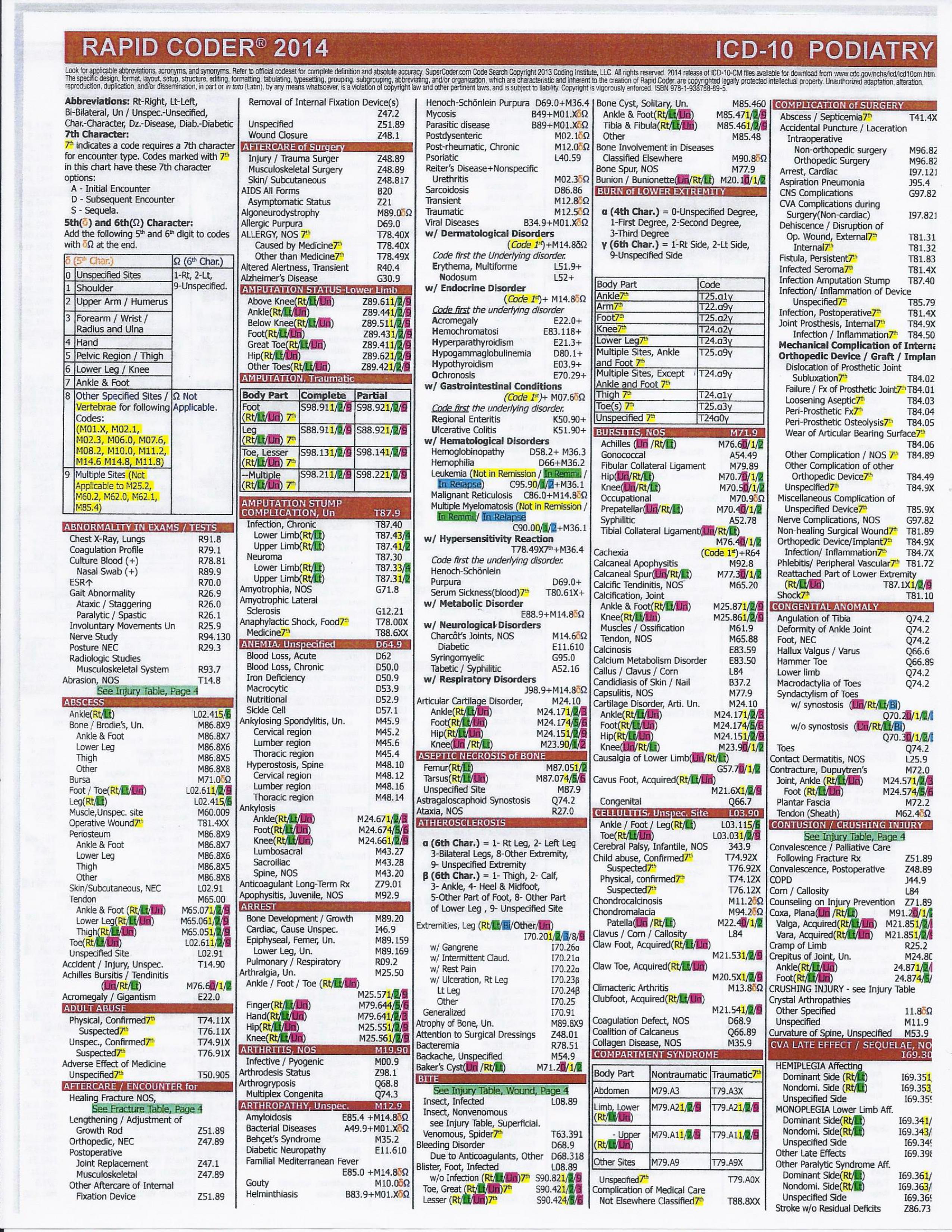
The primary ICD-10-CM code for an unspecified irregular heartbeat is I49.9, which stands for "Cardiac arrhythmia, unspecified." However, medical coding for heart rhythm issues is highly specific; depending on the clinical documentation, codes ranging from I48.0 (Atrial fibrillation) to R00.2 (Palpitations) may be more accurate for billing and clinical records.
Understanding the Complexity of Irregular Heartbeat Coding
In the medical coding landscape of 2026, the term "irregular heartbeat" is considered a broad clinical descriptor rather than a final diagnosis. To code this condition accurately, healthcare providers and medical billers must navigate the ICD-10-CM (International Classification of Diseases, 10th Revision, Clinical Modification) hierarchy. While a patient might describe their condition as an "irregular heartbeat," the clinician’s task is to identify the specific type of arrhythmia—the underlying rhythm disturbance—to assign the most precise code.
The ICD-10-CM system is designed to provide a granular level of detail. This detail is essential for several reasons: it ensures that the patient’s medical history is accurately reflected, it justifies the medical necessity for specific treatments (like pacemakers or anticoagulants), and it ensures that healthcare facilities receive the correct reimbursement from insurance payers. Using a general code like I49.9 when a more specific diagnosis is available in the medical record can lead to claim denials or audits in the current 2026 regulatory environment.
The Distinction Between Symptoms and Diagnoses
One of the most common points of confusion in cardiac coding is the difference between a symptom and a definitive diagnosis.
- Symptom Coding (R00.2): If a patient arrives at a clinic complaining of a "fluttering" or "skipping a beat," but a 12-lead EKG (Electrocardiogram) or Holter monitor does not yet show a specific arrhythmia, the code R00.2 (Palpitations) is typically used. This is a "Sign and Symptom" code located in Chapter 18 of the ICD-10-CM manual.
- Definitive Diagnosis Coding (I47-I49): Once a physician confirms that the irregular heartbeat is due to a specific electrical malfunction in the heart—such as Atrial Fibrillation or Ventricular Tachycardia—the coder must move to Chapter 9 (Diseases of the Circulatory System).
The "Default" Code: I49.9 Cardiac Arrhythmia, Unspecified
When a medical record mentions an "irregular heartbeat" or "arrhythmia" without any further qualification or diagnostic detail, I49.9 is the designated default code.
I49.9 falls under the category of "Other cardiac arrhythmias." In the 2026 coding guidelines, "unspecified" codes are generally discouraged if a more specific diagnosis is supported by the clinical evidence. However, I49.9 remains a valid choice in the following scenarios:
- The physician has documented an arrhythmia but has not yet identified the type.
- The patient is being referred to a specialist (electrophysiologist) for further evaluation.
- Emergency department settings where initial stabilization occurs before a definitive diagnosis is reached.
While I49.9 is the most direct answer to "what is the code for irregular heartbeat," it is rarely the final code used in a longitudinal patient record.
Beyond the Basics: Specific Codes for Common Irregularities
To provide a comprehensive explanation, we must look at the specific codes that clinicians use once they move past the "unspecified" stage. The heart's electrical system is divided into the upper chambers (atria) and lower chambers (ventricles). The codes are grouped based on where the irregularity originates.
Atrial Fibrillation and Flutter (The I48 Series)
Atrial Fibrillation (AFib) is perhaps the most common form of irregular heartbeat. It involves rapid, disorganized electrical signals in the atria. In 2026, the I48 category remains one of the most frequently utilized in cardiology.
- I48.0 (Paroxysmal atrial fibrillation): Used when the irregular heartbeat starts and stops suddenly, usually lasting less than seven days.
- I48.11 (Longstanding persistent atrial fibrillation): Used for AFib that has lasted for more than 12 months.
- I48.20 (Chronic atrial fibrillation, unspecified): A general code for long-term AFib.
- I48.3 (Atrial flutter, typical): Often confused with AFib, flutter is a more organized but still rapid rhythm.
Tachycardia: When the Heart Beats Too Fast (The I47 Series)
Tachycardia refers to a heart rate that exceeds the normal resting rate (usually over 100 beats per minute).
- I47.1 (Supraventricular tachycardia): This irregularity originates above the ventricles. It is a common "irregular heartbeat" diagnosis in younger patients.
- I47.2 (Ventricular tachycardia): A more serious condition originating in the lower chambers. This requires immediate medical intervention and specific coding to reflect its severity.
Bradycardia: When the Heart Beats Too Slow
While "irregular" often implies "fast" or "chaotic," a heartbeat that is abnormally slow is also an irregularity.
- R00.1 (Bradycardia, unspecified): Similar to the palpitations code, this is often used for the symptom of a slow heart rate.
- I49.5 (Sick sinus syndrome): This is a specific diagnosis where the heart's natural pacemaker (the sinus node) does not function correctly, leading to irregular, slow rhythms.
Comparison of Common Irregular Heartbeat ICD-10 Codes
The following table summarizes the most common codes used in 2026 for irregular heart rhythms to help clarify which code applies to specific clinical scenarios.
| ICD-10 Code | Clinical Term | Classification Type | When to Use |
|---|---|---|---|
| I49.9 | Cardiac arrhythmia, unspecified | Diagnosis | Use when "arrhythmia" is documented without further detail. |
| R00.2 | Palpitations | Symptom | Use when the patient feels an irregular beat, but no diagnosis is confirmed. |
| I48.91 | Unspecified atrial fibrillation | Diagnosis | Use for AFib when the type (paroxysmal/persistent) isn't noted. |
| I47.1 | Supraventricular tachycardia | Diagnosis | Use for rapid rhythms originating in the upper heart chambers. |
| I49.1 | Atrial premature depolarization | Diagnosis | Use for "skipped beats" originating in the atria (PACs). |
| I49.3 | Ventricular premature depolarization | Diagnosis | Use for "skipped beats" originating in the ventricles (PVCs). |
| I49.5 | Sick sinus syndrome | Diagnosis | Use for irregularities caused by sinus node dysfunction. |
Documentation Requirements for 2026
Accurate coding is not just about picking a number from a list; it is about the "Why" and "How" of the documentation. For a coder to move from the general I49.9 to a specific code, the physician's documentation must meet certain standards. In 2026, payers (including Medicare and private insurers) have increased their scrutiny of "unspecified" codes.
The Role of the EKG/ECG
The primary piece of evidence for an irregular heartbeat code is the Electrocardiogram. The EKG provides a visual representation of the heart's electrical activity. To support a code like I48.0 (Paroxysmal AFib), the medical record should include the EKG interpretation or the report from a cardiac monitor (like a Zio patch or Holter monitor).
Clinical Indicators
Beyond the EKG, physicians often document clinical indicators that support a specific diagnosis:
- Pulse Character: Documentation of an "irregularly irregular" pulse is a classic clinical indicator of Atrial Fibrillation.
- Symptoms: Shortness of breath (dyspnea), chest pain (angina), and lightheadedness (syncope) often accompany specific arrhythmias.
- Associated Conditions: Coding an irregular heartbeat often requires checking for underlying causes, such as hypertension, valvular heart disease, or hyperthyroidism.
The Impact of Specificity on Insurance and Reimbursement
In the 2026 healthcare economy, the "specificity" of a code directly impacts the financial health of a medical practice and the coverage for the patient.
Medical Necessity
Insurance companies use ICD-10 codes to determine "medical necessity." For example, if a doctor wants to perform a catheter ablation (a procedure to scar small areas of the heart to block irregular electrical signals), the code I49.9 might not be enough to get the procedure authorized. The insurer will likely require a specific code from the I48 or I47 series to prove that the procedure is necessary for that specific type of arrhythmia.
Risk Adjustment and Hierarchical Condition Categories (HCC)
For patients covered by Medicare Advantage or other value-based care models, specific codes carry more weight. Some irregular heartbeat codes, such as certain types of Atrial Fibrillation, are part of the HCC (Hierarchical Condition Category) model. This model predicts future healthcare costs for a patient. Using a specific code like I48.20 rather than I49.9 can significantly change the risk profile of the patient, ensuring the healthcare provider receives adequate funding to manage the patient's complex needs.
Common Mistakes in Irregular Heartbeat Coding
Even experienced coders can encounter pitfalls when dealing with cardiac rhythms. Avoiding these mistakes is crucial for compliance.
1. Coding "Palpitations" Instead of a Diagnosis
If an EKG confirms Atrial Fibrillation, the coder should not code R00.2 (Palpitations). According to the ICD-10-CM Official Guidelines for Coding and Reporting, symptoms that are an integral part of a disease process should not be assigned as additional codes.
2. Misusing "Unspecified" vs. "Other"
There is a technical difference between I49.9 (Unspecified) and I49.8 (Other specified cardiac arrhythmias).
- Use I49.9 when the record lacks information.
- Use I49.8 when the record is specific, but the ICD-10 manual doesn't have a dedicated code for that specific type of arrhythmia (e.g., Brugada syndrome or certain types of re-entrant tachycardias).
3. Ignoring "Excludes1" Notes
The ICD-10 manual contains "Excludes1" notes which mean "not coded here." For example, if a patient has an irregular heartbeat due to a congenital heart condition, the coder is often directed to a different section (Q20-Q28) rather than the I47-I49 section. Ignoring these instructions can lead to incorrect data and claim rejections.
Practical Steps for Patients and Providers
For Patients
If you see "I49.9" or "R00.2" on your medical bill or patient portal in 2026, it indicates that your heartbeat was noted as irregular, but a final, specific diagnosis may still be pending. You should:
- Ask your doctor if the EKG showed a specific type of arrhythmia.
- Ensure that follow-up tests, like a stress test or echocardiogram, are documented so that your medical record can be updated with a more precise code.
For Healthcare Providers
To ensure your coding reflects the high quality of care provided:
- Avoid using "Arrhythmia" as a standalone diagnosis in the Assessment and Plan.
- Clearly state the type (e.g., "Paroxysmal Atrial Fibrillation" instead of "Irregular Pulse").
- Link the arrhythmia to its clinical manifestations and treatment plan.
Frequently Asked Questions
Is ICD-10 code I49.9 the same as Atrial Fibrillation?
No. While Atrial Fibrillation is a type of irregular heartbeat, it has its own specific set of codes in the I48 category. I49.9 is only used when the specific type of irregular heartbeat is not documented or known. Using I49.9 for a known AFib case is considered inaccurate coding.
What is the ICD-10 code for an irregular pulse?
An "irregular pulse" is a clinical finding. If there is no confirmed diagnosis, it is typically coded as R00.2 (Palpitations) or R00.8 (Other abnormalities of heart beat). If the irregular pulse is confirmed by an EKG to be a specific arrhythmia, the diagnostic code for that arrhythmia should be used instead.
Can I49.9 be used for a heart murmur?
No. A heart murmur is a sound heard through a stethoscope, usually relating to blood flow through the valves. The ICD-10 code for an unspecified heart murmur is R01.1. Irregular heartbeats (arrhythmias) refer to the electrical timing, while murmurs refer to the mechanical/structural sound.
How has irregular heartbeat coding changed in 2026?
The 2026 updates have focused largely on the refinement of the I48 category to better capture the stages of Atrial Fibrillation for research and value-based care. There is also an increased emphasis on coding the underlying cause of the arrhythmia, such as hypertensive heart disease (I11.9).
Does insurance always cover I49.9?
Insurance coverage for I49.9 depends on the context. While it may be covered for an initial diagnostic visit, it is often insufficient for long-term treatment approvals or surgical authorizations, which require more specific diagnostic codes to prove medical necessity.
Final Recommendation: Prioritizing Diagnostic Specificity
In the complex regulatory environment of 2026, the best approach to "1 ICD 10 irregular heartbeat code" is to treat I49.9 as a temporary placeholder. For accurate clinical tracking, optimal reimbursement, and clear patient communication, healthcare professionals must strive to identify and code the specific nature of the arrhythmia. Whether it is paroxysmal AFib (I48.0) or a premature ventricular contraction (I49.3), the goal is always to move from the general "irregularity" to a specific, actionable diagnosis.
Always consult the most recent CDC ICD-10-CM Browser or the World Health Organization (WHO) ICD-11 resources for the most current coding updates, as minor revisions occur annually to reflect new clinical understandings in cardiology.