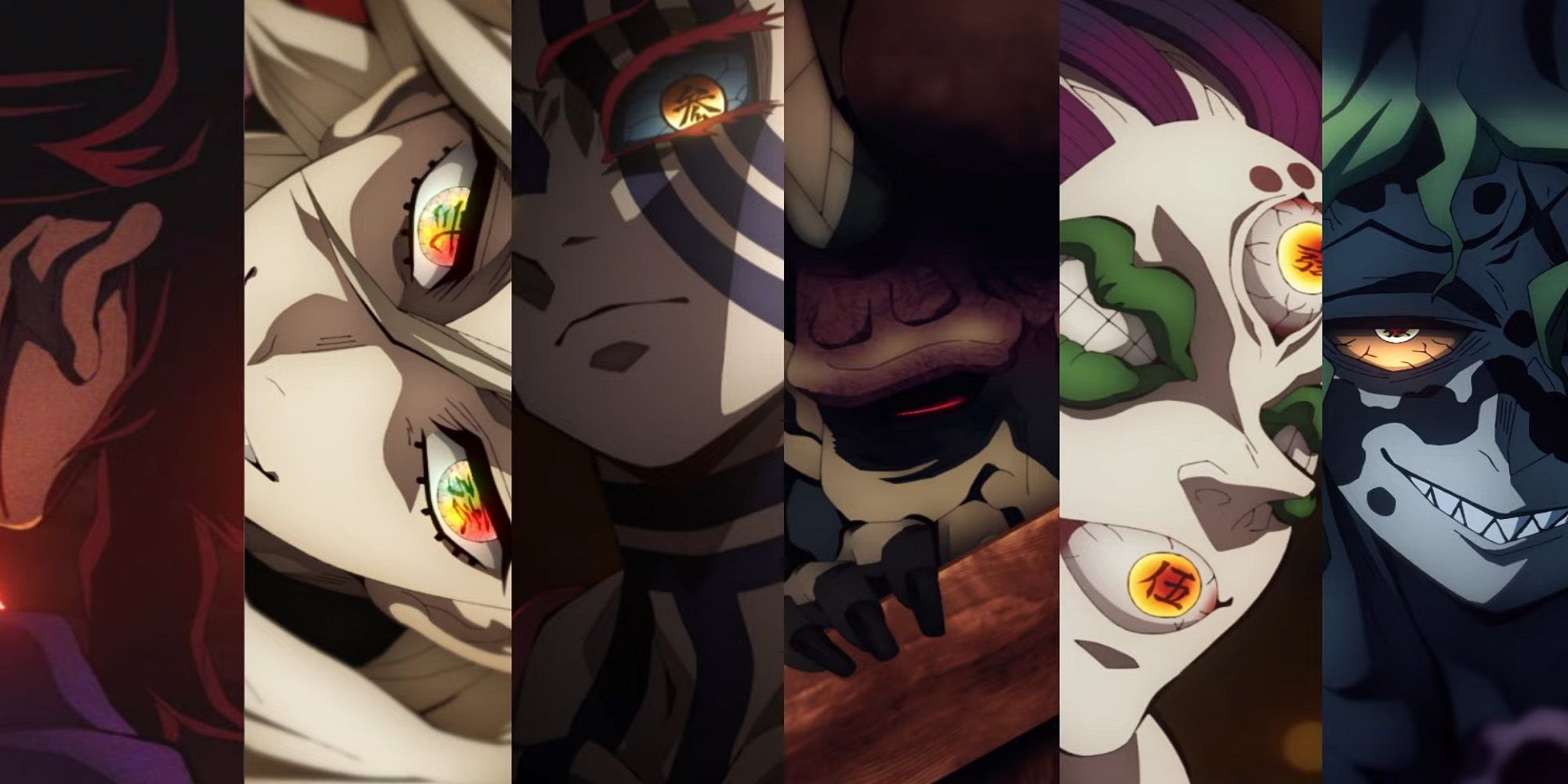
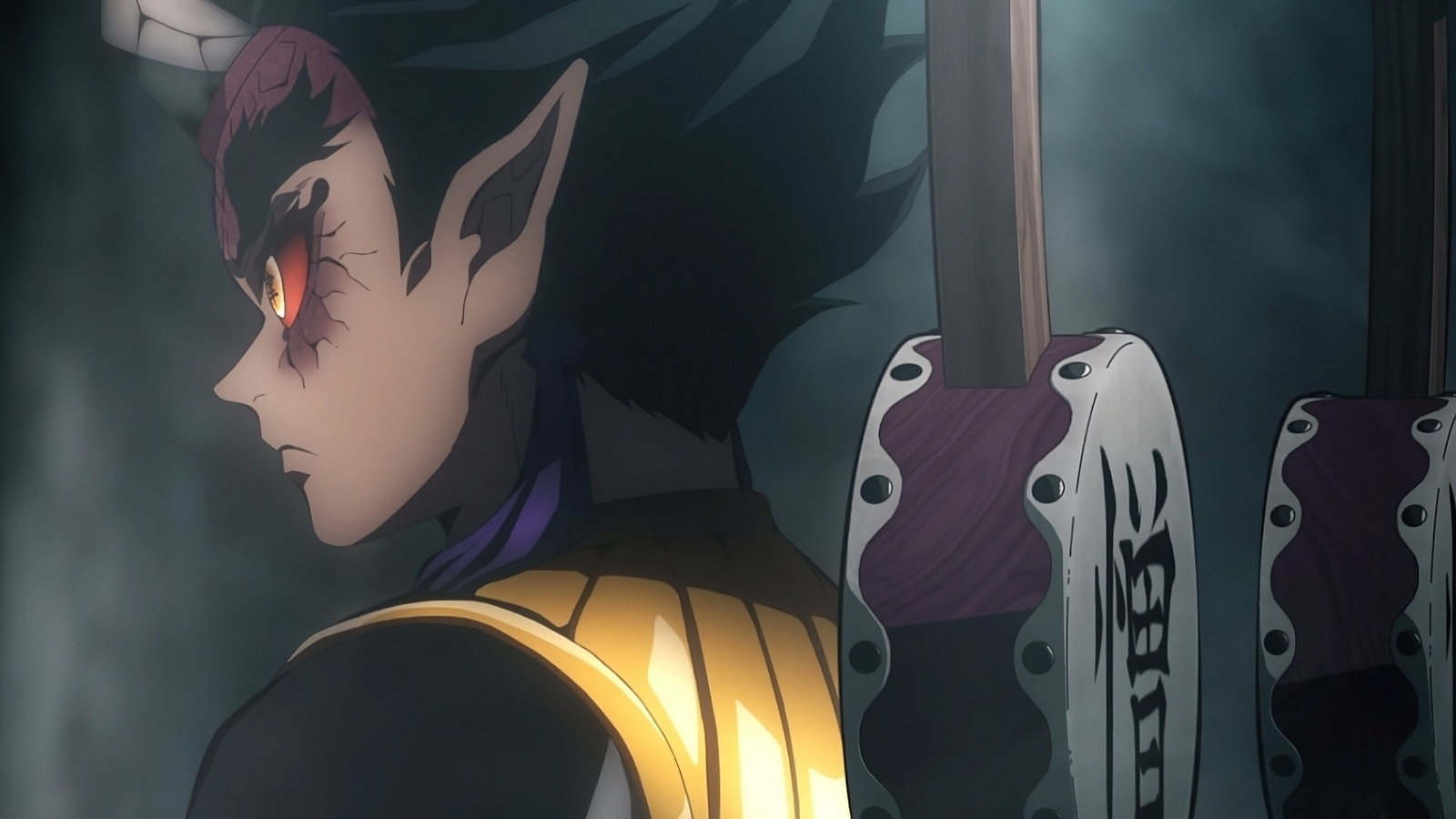
The official name for Demon Slayer Season 3 was confirmed as the Swordsmith Village Arc (Katanakaji no Sato-hen), adapting the manga's corresponding chapters where Tanjiro travels to a hidden village of weaponsmiths to repair his damaged Nichirin sword and encounters new Upper Rank demons.
Introduction to the Demon Slayer Season 3 Title Confirmation
The announcement surrounding the title of Demon Slayer: Kimetsu no Yaiba Season 3 marked a major milestone for one of the most successful anime franchises of the modern era. Following the massive box office and streaming success of the Mugen Train Arc and the expansive television broadcast of the Entertainment District Arc, fans eagerly anticipated confirmation of how ufotable, the studio behind the anime adaptation, would title and structure the next phase of Tanjiro Kamado’s journey.
When the official production committee confirmed the name as the Swordsmith Village Arc, it verified that the narrative would directly follow the chronological progression of Koyoharu Gotouge’s original manga series. This confirmation did more than just provide a title; it set expectations for the tone, setting, scale, and character roster of the upcoming television broadcast. Understanding the implications of this title requires looking at how the anime structures its narrative arcs, what the setting entails, and how this particular chapter bridges the gap between mid-tier conflicts and the ultimate endgame of the series.
Understanding the Narrative Structure of Demon Slayer
To fully appreciate the confirmation of the Season 3 title, it is helpful to understand how Demon Slayer organizes its story. Unlike traditional shonen anime that run continuously with heavy filler content, Demon Slayer relies on distinct, tightly paced narrative arcs that mirror specific volumes and chapters of the manga.
Each arc focuses on a distinct geographical location, a unique set of challenges, and specific members of the Demon Slayer Corps, particularly the elite Hashira. The structured approach allows the production studio to maintain cinematic animation quality across shorter episode counts.
The Arc Progression
| Arc Name | Primary Location | Key Opponents | Core Focus |
|---|---|---|---|
| Unwavering Resolve Arc | Various (Final Selection, etc.) | Hand Demon, Temari Demon | Tanjiro's training and introduction to the Corps. |
| Mugen Train Arc | Infinity Train | Lower Rank One, Upper Rank Three (Akaza) | Sacrifice, growth, and introduction of the Hashira power scale. |
| Entertainment District Arc | Yoshiwara Pleasure District | Upper Rank Six (Daki and Gyutaro) | Team synchronization and overcoming first Upper Rank threats. |
| Swordsmith Village Arc | Hidden Swordsmith Village | Upper Rank Four (Hantengu) & Upper Rank Five (Gyokko) | Weapon maintenance, secret training grounds, and dual-threat combat. |
The confirmation of the Swordsmith Village Arc as Season 3 signaled that the story would avoid original filler storylines and dive straight into one of the most mechanically significant turning points of the overarching plot.
The Significance of the Swordsmith Village Setting
The title Swordsmith Village Arc immediately signaled a shift away from the urban nightlife and flashing lights of the Entertainment District Arc toward a secluded, highly secretive mountain settlement. The swordsmiths are the unsung heroes of the Demon Slayer Corps, responsible for hand-forging the unique Nichirin swords that can decapitate demons. Because Muzan Kibutsuji and his inner circle have spent centuries trying to eradicate the Corps by hunting both fighters and forgers, the location of this village is one of the organization's most closely guarded secrets.
For Tanjiro, the journey to the village is prompted by necessity. During his brutal clash against Upper Rank Six siblings Daki and Gyutaro, his blade suffers severe chipping—so much so that Hotaru Haganezuka, his eccentric swordsmith, threatens to quit making swords for him. To get a replacement, Tanjiro must travel directly to the source. This premise shifts the narrative spotlight onto the logistical backbone of the Demon Slayer universe, exploring how weapons are made, the unique temperament of the artisans, and the vulnerabilities of a community entirely unaccustomed to direct front-line combat.
Furthermore, the secluded mountain setting serves as a pressure cooker when the village is suddenly infiltrated by upper-tier demonic forces. Without the sprawling escape routes of a city, the characters must defend a civilian-heavy sanctuary while dealing with asymmetrical threats.
Key Characters and New Additions in Season 3
With the title confirmed, attention quickly turned to the character roster that would define the season. The Swordsmith Village Arc introduces or expands upon several pivotal figures who change the balance of power within the series.
Tanjiro, Nezuko, and Zenitsu/Inosuke Absence
Tanjiro and Nezuko remain the emotional anchor of the narrative. However, the early episodes of the arc feature a notable dynamic shift: Zenitsu Agatsuma and Inosuke Hashibira are absent during the initial stages due to separate assignments, leaving Tanjiro to navigate the village alongside familiar faces from his generation, specifically Genya Shinazugawa, a volatile Demon Slayer with a unique and brutal combat style, and Kanao Tsuyuri in supporting capacities.
The Hashira Expansion
The true heavy lifting of the arc falls upon two specific pillars who take center stage:
- Muichiro Tokito (Mist Hashira): A young prodigy who achieved Hashira rank in a remarkably short time. Initially portrayed as detached, forgetful, and indifferent to human life outside his duties, Muichiro undergoes a profound character evolution as his forgotten past catches up to him.
- Mitsuri Kanroji (Love Hashira): Energetic, affectionate, and possessing bizarre physical muscle density that grants her superhuman strength and flexibility, Mitsuri brings a lighter, more vibrant energy to the narrative before the fighting escalates.
The Upper Ranks
Confirming the arc name also confirmed the antagonists: Hantengu (Upper Rank Four) and Gyokko (Upper Rank Five). These two demons present an entirely different kind of threat compared to the physical brawn of Akaza or the dual-body coordination of Daki and Gyutaro. Their Blood Demon Arts rely on psychological disorientation, numerical multiplication, and bizarre transmutation abilities, forcing the heroes to adapt on the fly.
Production and Broadcast Context
When the confirmation of Season 3 was rolled out by ufotable and distributor Aniplex, it was accompanied by teaser trailers and promotional artwork that highlighted the intricate visual style fans had come to expect. The studio utilized theatrical screenings—pairing the final episodes of the Entertainment District Arc with the premiere feature-length episode of the Swordsmith Village Arc—to build global momentum.
This release strategy underscored the immense commercial weight of the franchise. By confirming the title well ahead of the broadcast window, the production team allowed manga readers and anime-only viewers to align their expectations. The title served as a roadmap, letting fans know precisely which volume range (specifically chapters 100 through 127) would be adapted into the television format.
Common Misconceptions Regarding the Title and Arc Structure
When major anime adaptations are announced, confusion often arises regarding naming conventions, season numbers, and movie tie-ins. Clarifying these points helps prevent misunderstandings about how the story is delivered.
- Season Numbers vs. Arc Names: While western streaming platforms often label releases as "Season 3," official Japanese marketing heavily emphasizes arc names (Katanakaji no Sato-hen). Because the Mugen Train Arc was broadcast in both movie and episodic television formats, some viewers debate whether the Swordsmith Village is technically season three or four. Officially, the production committee classifies the sequence by its arcs.
- Movie Integration: Unlike Mugen Train, which premiered primarily as a feature film before being re-edited into a television arc, the Swordsmith Village Arc debuted as a direct television series, preceded by theatrical compilation feature events rather than an original cinematic release.
- Pacing Expectations: Because the title specifies a single arc, viewers anticipated a balanced run of approximately eleven episodes, mirroring the length of the Entertainment District Arc while focusing intensely on dense, multi-episode boss battles rather than extensive training montages.
Frequently Asked Questions
What does the confirmed name of Demon Slayer Season 3 mean?
The confirmed name is the Swordsmith Village Arc. It indicates that the primary setting and narrative focus center around the secret village where the blacksmiths forge Nichirin swords for the Demon Slayer Corps, leading to a direct confrontation with infiltrating Upper Rank demons.
Which manga chapters does the Swordsmith Village Arc cover?
The arc adapts chapters 100 through 127 of Koyoharu Gotouge’s original manga series. It bridges the events of the Entertainment District Arc and sets up the final training phases leading into the ultimate conflict against Muzan Kibutsuji.
Which Hashira are featured in Demon Slayer Season 3?
The two main Hashira featured in this arc are Muichiro Tokito, the Mist Hashira, and Mitsuri Kanroji, the Love Hashira. Both play critical roles in defending the village and unlocking new levels of combat capability.
Are Zenitsu and Inosuke in Season 3?
While Zenitsu and Inosuke appear in promotional materials and brief framing sequences, they do not accompany Tanjiro to the Swordsmith Village at the start of the arc, leaving Tanjiro to team up with other characters like Genya Shinazugawa.
Who are the main villains in the Swordsmith Village Arc?
The primary antagonists are Upper Rank Four, Hantengu, and Upper Rank Five, Gyokko. Both demons infiltrate the hidden village simultaneously, forcing the Demon Slayer Corps to fight a two-front defensive battle.
Conclusion and Next Steps
The official confirmation of the Swordsmith Village Arc as the title for Demon Slayer Season 3 provided clarity for millions of fans waiting to see how the anime would continue. By anchoring the title to a specific, high-stakes location, the production team set clear expectations for the narrative arc's focus on weapon lore, character development for the Mist and Love Hashira, and an intense clash against Upper Ranks Four and Five. For viewers catching up on the series or preparing for subsequent arcs like the Hashira Training Arc, understanding this title's place in the broader chronology ensures a complete appreciation of Tanjiro's ongoing journey.