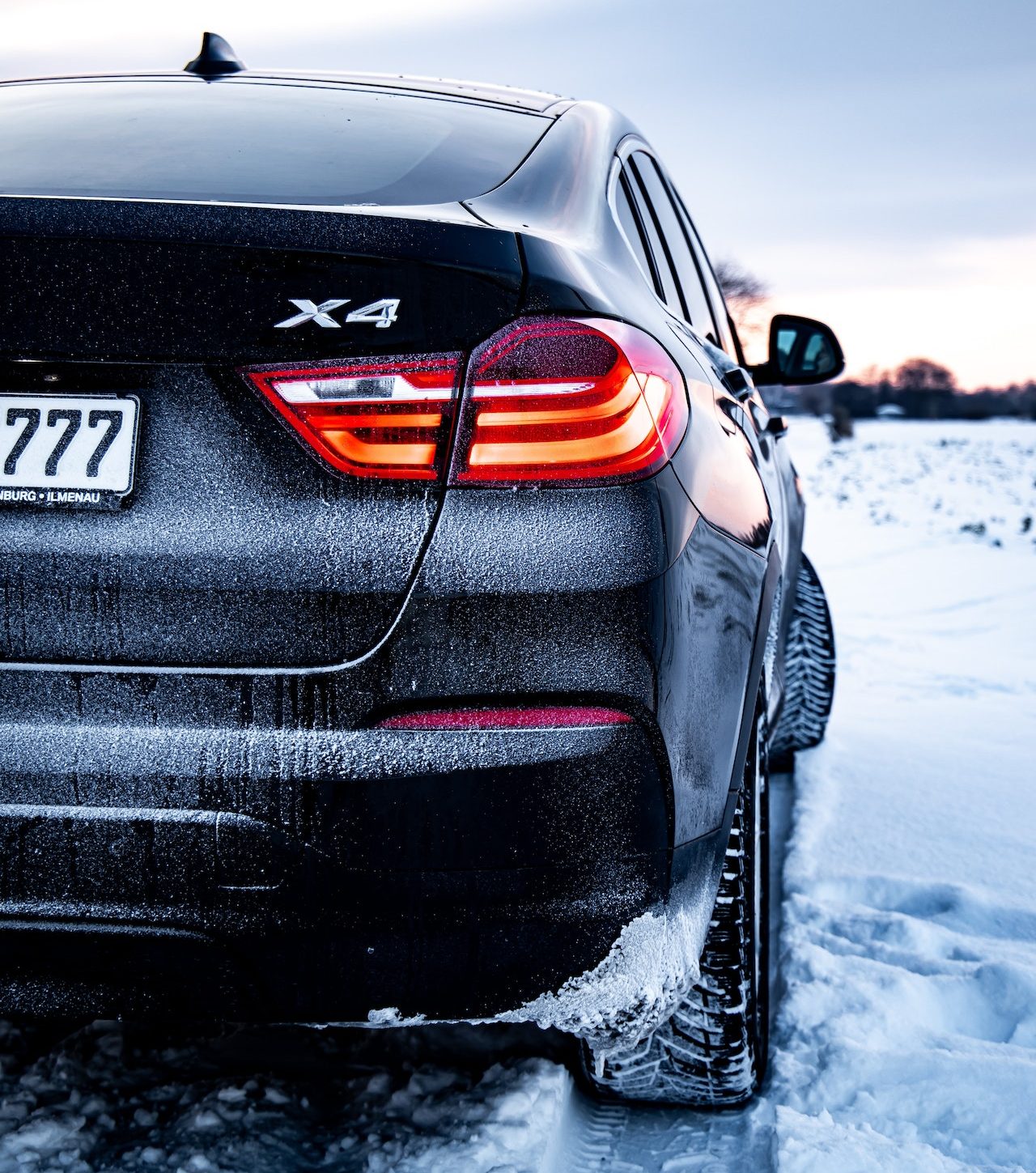
For most BMW X4 models, including the G02 and F26 generations, the recommended tire pressure typically ranges from 32 PSI to 35 PSI for the front tires and 35 PSI to 42 PSI for the rear tires. These values vary based on your specific wheel diameter (18" to 21"), engine configuration, and whether the vehicle is carrying a full passenger load.
Maintaining the correct tire pressure in your BMW X4 is not merely a suggestion for comfort; it is a fundamental requirement for vehicle safety, fuel efficiency, and the longevity of your high-performance rubber. As a Sports Activity Coupe (SAC), the X4 relies heavily on precise tire inflation to maintain its signature handling characteristics and all-wheel-drive (xDrive) integrity. This guide provides a deep dive into the specifications, procedures, and troubleshooting steps necessary to keep your X4 performing optimally in 2026.
Understanding the BMW X4 Tire Pressure Specifications
The BMW X4 uses a staggered or square tire setup depending on the trim level (30i, M40i, or X4 M). Because the X4 is designed with a rear-biased xDrive system, the rear tires often require higher pressure to support the vehicle's weight distribution and potential cargo load.
Where to Find Your Specific Pressure Data
While general guidelines exist, your specific vehicle contains the most accurate information in three primary locations:
- The B-Pillar Placard: Open the driver’s side door. On the pillar (the frame of the car), you will find a multi-colored sticker listing tire sizes and the corresponding recommended "cold" inflation pressures.
- iDrive Infotainment System: In 2026 models equipped with iDrive 8.5 or 9, you can navigate to "Vehicle Status" and then "Tire Pressure Monitor" to see the recommended vs. actual pressures in real-time.
- The My BMW App: If your vehicle is synced, the app provides a digital readout of current pressures and alerts you if they fall below the safety threshold.
Tire Pressure Table for BMW X4 Models
The following table outlines the standard recommended pressures for the most common BMW X4 configurations under "Normal Load" conditions (1–3 passengers).
| Wheel Size | Tire Location | Recommended PSI (Cold) | Recommended Bar (Cold) |
|---|---|---|---|
| 18" All-Season | Front | 32 PSI | 2.2 Bar |
| Rear | 35 PSI | 2.4 Bar | |
| 19" Performance/All-Season | Front | 32 PSI | 2.2 Bar |
| Rear | 35 PSI | 2.4 Bar | |
| 20" Performance (Staggered) | Front | 33 PSI | 2.3 Bar |
| Rear | 38 PSI | 2.6 Bar | |
| 21" Performance (X4 M40i / X4 M) | Front | 35 PSI | 2.4 Bar |
| Rear | 42 PSI | 2.9 Bar | |
| Space-Saver Spare (if equipped) | N/A | 60 PSI | 4.2 Bar |
Note: For "Full Load" (5 passengers plus luggage), rear tire pressure should typically be increased by 3–5 PSI. Always consult your door placard for the maximum load rating.
The Impact of Improper Tire Pressure
Driving a BMW X4 with incorrect tire pressure leads to a cascade of mechanical and financial issues. Because the X4 utilizes the xDrive system, the rolling circumference of the tires must remain within a very tight tolerance.
Risks of Under-Inflation
When tires are under-inflated, the contact patch—the area of the tire touching the road—increases unnaturally. This leads to:
- Excessive Heat Buildup: The tire sidewalls flex more, generating heat that can lead to a catastrophic blowout, especially at highway speeds.
- Reduced Fuel Economy: Increased rolling resistance requires the engine to work harder, noticeably dropping your MPG.
- Edge Wear: The outer edges of the tread will wear down prematurely, forcing a replacement long before the tire's rated mileage.
Risks of Over-Inflation
Conversely, over-inflating your tires causes the center of the tread to bulge. This results in:
- Harsh Ride Quality: The tires lose their ability to absorb road imperfections, making the X4’s sport-tuned suspension feel brittle.
- Center Tread Wear: The middle of the tire wears out while the edges remain deep, ruining the tire's traction capabilities.
- Increased Vulnerability: A rock-hard tire is more susceptible to structural damage from potholes or road debris.
How to Properly Check and Adjust Pressure
To get an accurate reading, you must check your tire pressure when the tires are "cold." In automotive terms, this means the car has been stationary for at least three hours or has been driven less than one mile.
Step-by-Step Adjustment Process
- Remove the Valve Cap: Unscrew the cap from the tire valve stem. Note that many BMW X4 models use metal caps that can seize if not moved occasionally.
- Measure Current Pressure: Use a high-quality digital pressure gauge. Press it firmly onto the valve stem until the hissing sound stops.
- Compare to Specifications: Check the reading against the B-pillar sticker.
- Add or Release Air:
- If low, use a compressor to add air in short bursts.
- If high, use the small nipple on the back of the tire gauge to depress the valve pin and release air.
- Replace the Cap: Ensure it is finger-tight to prevent dust and moisture from entering the valve core.
The Role of Nitrogen
Many BMW centers offer nitrogen inflation. While standard compressed air is 78% nitrogen, using 93–95% pure nitrogen reduces the rate of pressure loss through the tire rubber and minimizes pressure fluctuations caused by temperature changes. If your X4 has green valve stem caps, it likely contains nitrogen. You can still top it off with regular air in an emergency, though this will dilute the nitrogen purity.
Resetting the Tire Pressure Monitor System (TPMS)
The BMW X4 uses an "Active TPMS," which utilizes sensors mounted inside each wheel to transmit pressure and temperature data to the vehicle's computer. After adjusting your tire pressure, you must reset the system so it can learn the new "baseline" values.
Reset Procedure for iDrive 7, 8, and 8.5
- Turn on the ignition (engine can be running or off).
- Navigate to the "Vehicle Apps" or "Car" menu on the central touchscreen.
- Select "Vehicle Status."
- Select the "Tire Pressure Monitor" (indicated by a tire icon).
- Select "Tire Settings."
- Ensure the correct tire type (Summer/Winter/All-season) and size are selected in the menu. This allows the system to suggest the correct target pressure.
- Select "Perform Reset" or "Save Settings."
- Drive the vehicle. The system usually requires 5–10 minutes of driving at speeds above 19 mph (30 km/h) to complete the calibration.
Seasonal Pressure Changes and Environmental Factors
In 2026, climate volatility remains a key factor in vehicle maintenance. Tire pressure is directly influenced by ambient temperature—a relationship governed by Gay-Lussac's Law.
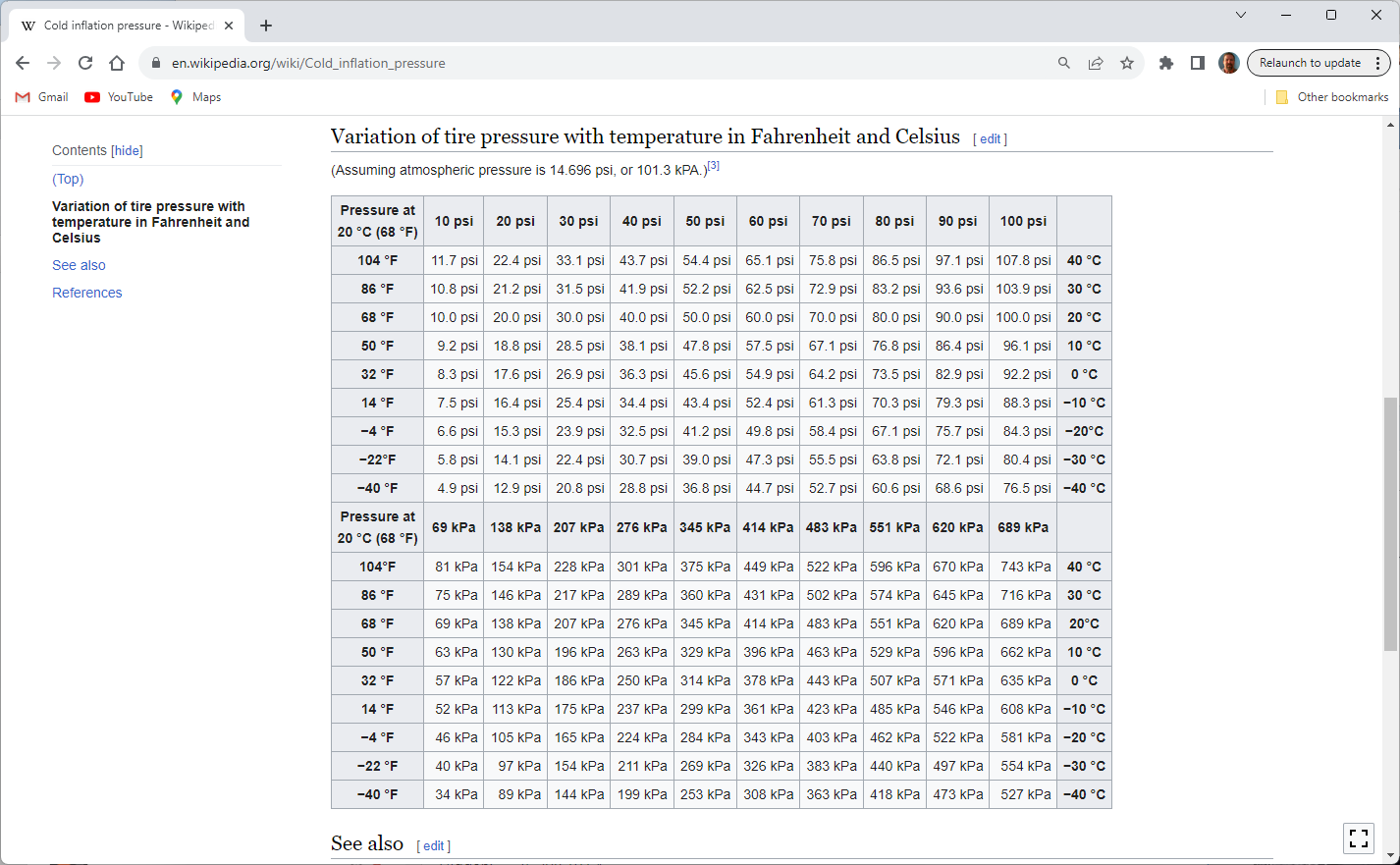
- The 10-Degree Rule: For every 10°F (5.6°C) change in temperature, your tire pressure will change by approximately 1 PSI.
- Winter Drops: When the first cold snap hits in autumn, it is common for the TPMS light to illuminate because the cooling air inside the tires has contracted, dropping the pressure below the warning threshold.
- Altitude Adjustments: If you are driving your X4 from sea level into high-altitude mountain regions, the pressure differential between the inside of the tire and the thinner outside air will cause the tire's internal pressure to read higher.
Run-Flat Tires (RFT) on the BMW X4
The majority of BMW X4 models come factory-equipped with Run-Flat Tires. These tires have reinforced sidewalls that allow you to continue driving for up to 50 miles at a maximum speed of 50 mph even after a complete loss of air.
Warning: Because RFT sidewalls are so stiff, it is visually impossible to tell if an RFT is low on air just by looking at it. This makes the TPMS and regular manual checks even more vital. If you replace your RFTs with "Go-Flat" (standard) tires, ensure you carry a mobility kit (sealant and compressor), as most X4s do not come with a physical spare tire.
Troubleshooting Common TPMS Issues
If your tire pressure warning light stays on after you have inflated the tires and performed a reset, consider these common culprits:
- Temperature Fluctuations: If you reset the system in a warm garage and then drive into sub-zero temperatures, the light may trigger again.
- Sensor Battery Failure: TPMS sensors have internal batteries that typically last 5–8 years. For older F26 or early G02 models, a sensor may have died.
- Slow Leaks: A small nail or screw in the tread can cause a pressure drop of 1–2 PSI per week—enough to trigger the system eventually but slow enough to be missed during a casual inspection.
- Electromagnetic Interference: Occasionally, cheap USB chargers or aftermarket electronic devices can interfere with the radio frequency used by the TPMS sensors.
Expert Recommendations for 2026
- Invest in a Digital Gauge: Analog "pencil" gauges are notoriously inaccurate. A calibrated digital gauge is essential for a vehicle as sensitive as the X4.
- Check Monthly: Don't wait for the dashboard light. Checking your pressure once a month and before any long trip is the best way to prevent uneven wear.
- Align with Rotation: While BMW generally does not recommend tire rotation for staggered setups (where rear wheels are wider than front wheels), you should have your alignment checked annually to ensure the tires are wearing evenly across the tread.
For further technical data or safety recalls regarding tires, you can consult the National Highway Traffic Safety Administration (NHTSA) or the BMW USA Owners Manual portal.
Frequently Asked Questions
Why is my BMW X4 tire pressure light still on after filling the tires?
The system requires a manual reset through the iDrive menu to acknowledge the new pressure levels. Additionally, you must drive the vehicle for several minutes to allow the sensors to sync with the receiver. If the light persists, there may be a puncture or a faulty sensor.
Can I use the same tire pressure for winter tires?
Winter tires often require a slightly higher pressure (usually 2–3 PSI more) than summer tires to compensate for the colder operating environment and to keep the tread sipes open for better snow traction. Always check the tire manufacturer’s specific recommendation for winter sets.
What should I do if my X4 has a "Tire Pressure Loss" warning?
Safely pull over immediately. Check all four tires for visible damage or nails. If you have Run-Flat tires, you can continue to a repair facility at a reduced speed (under 50 mph). If you have standard tires and no spare, use your BMW Roadside Assistance or a tire sealant kit.
Is 40 PSI too high for a BMW X4?
For the rear tires under a full load, 40 PSI is often the manufacturer-recommended setting. However, for the front tires or an unladen vehicle, 40 PSI may be too high, leading to a center-wear pattern and a bouncy ride. Always stick to the door jamb placard values.
How do I know if my BMW X4 has a staggered tire setup?
Look at the tire size numbers on your front and rear tires (e.g., 245/45R20 on the front and 275/40R20 on the rear). If the middle numbers (the width) are different, you have a staggered setup, and your front and rear tire pressures will likely be different.