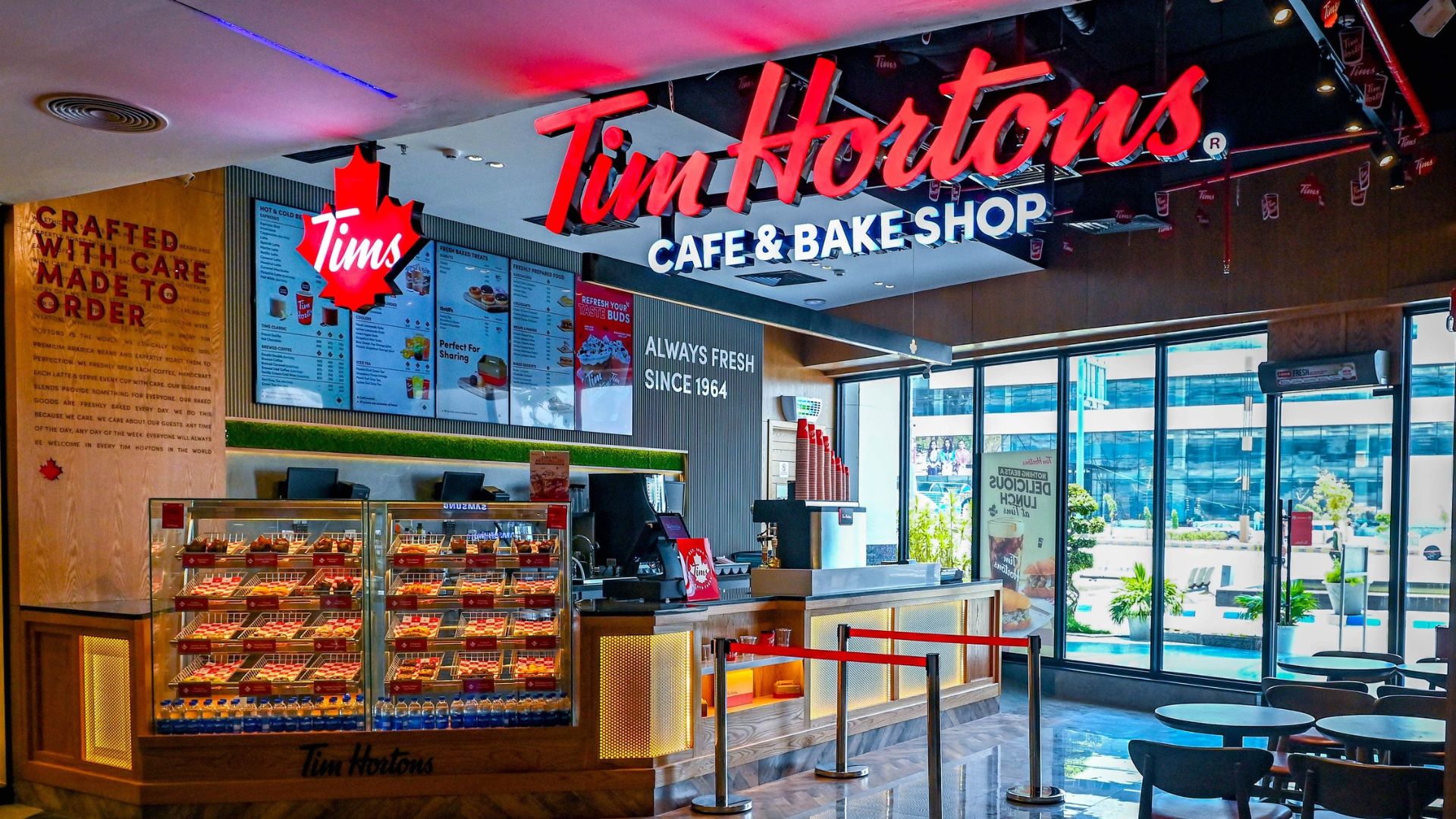
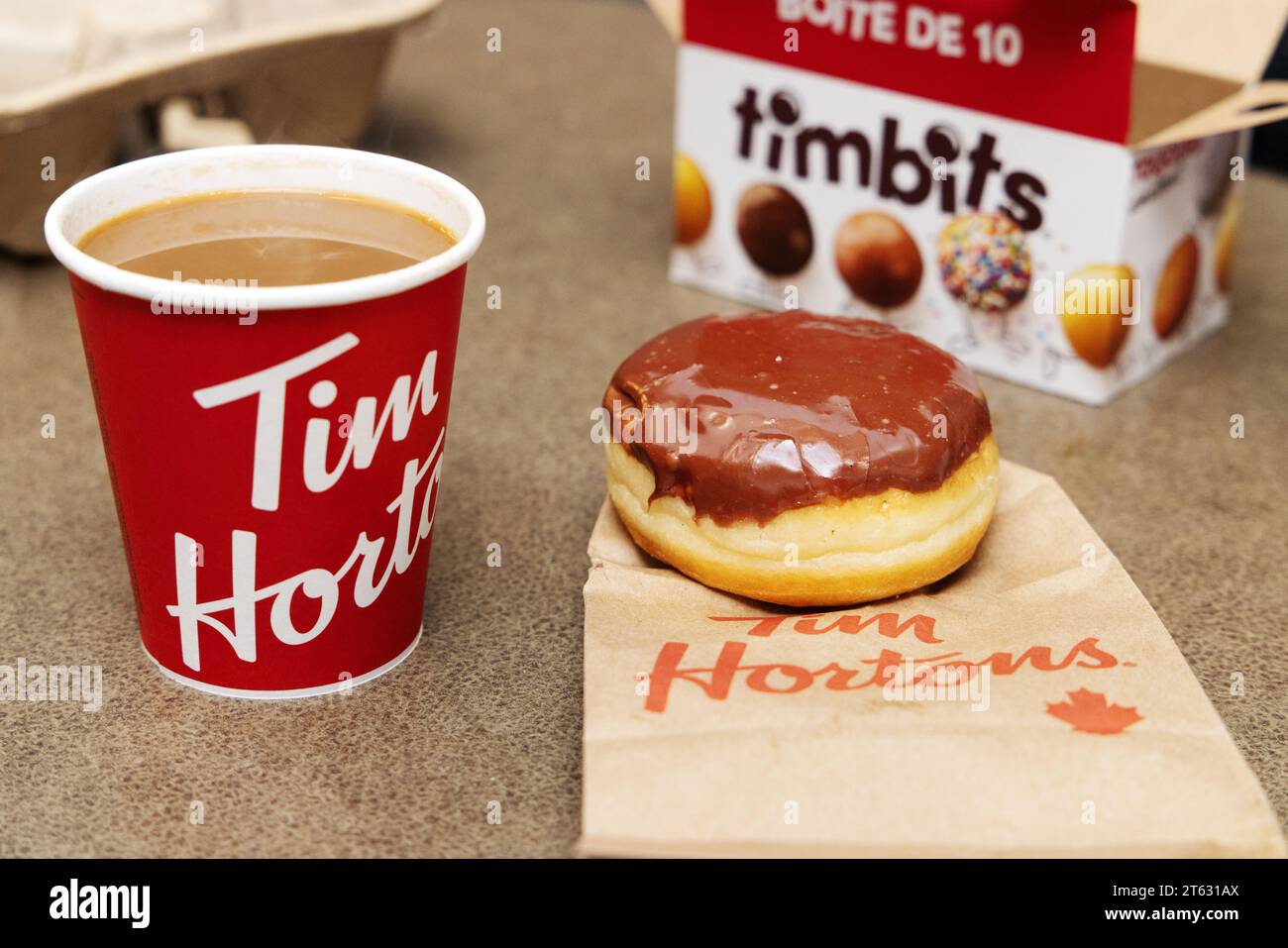
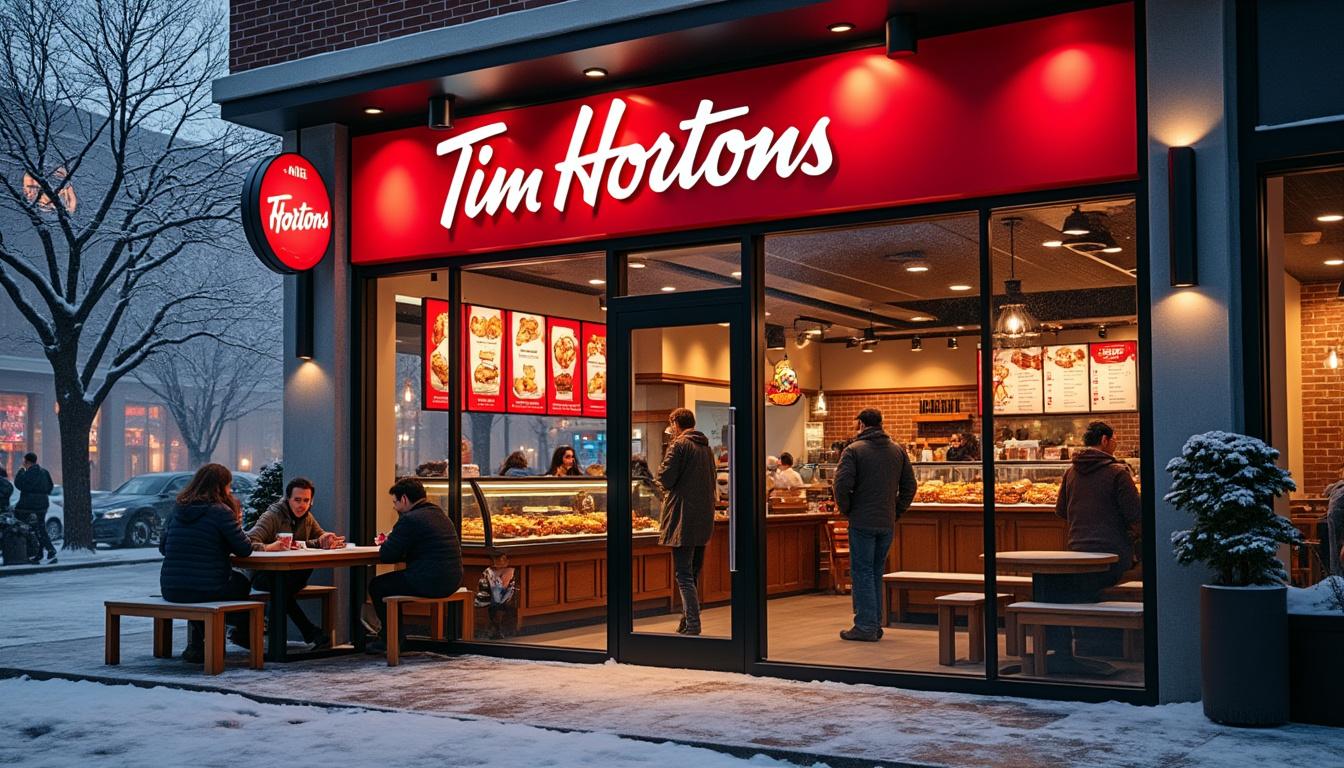
Tim Hortons stands as a defining cultural institution in Canada, famous for its signature coffee, fresh-baked donuts, and iconic "Double Double," while maintaining a vast international presence with thousands of locations across North America and global markets.
Origins and Historical Evolution of Tim Hortons
Understanding Tim Hortons requires examining its roots in professional sports and mid-century Canadian commerce. The brand bears the name of its co-founder, Tom "Tim" Horton, a legendary National Hockey League (NHL) defenseman who played primarily for the Toronto Maple Leafs. While still active in professional hockey, Horton recognized the need for a secondary business venture to secure his financial future. In 1964, he launched the first Tim Hortons restaurant in Hamilton, Ontario. The original location focused primarily on coffee and donuts, a simple concept that resonated strongly with working-class consumers.
Following Tim Horton’s accidental death in 1974, his business partner, investor Ron Joyce, assumed full control of the fledgling enterprise. Joyce spearheaded the rapid expansion of the chain, transforming it from a single storefront into a national franchise network. During the 1970s and 1980s, the menu expanded to include items like soup, chili, and the now-iconic Timbits—bite-sized donut holes introduced in 1976. Joyce’s operational strategies standardized food preparation, supply chain logistics, and store layouts, laying the groundwork for the modern quick-service restaurant (QSR) empire.
Over subsequent decades, the company underwent significant corporate restructuring. In 1995, fast-food conglomerate Wendy’s International acquired Tim Hortons. However, this partnership proved temporary; Wendy’s spun off Tim Hortons as an independent publicly traded company in 2006. In 2014, Tim Hortons merged with Burger King under the parent company Restaurant Brands International (RBI), which also manages Popeyes and Firehouse Subs. Despite these corporate changes, the brand retained its distinct Canadian identity while scaling its operations to new international markets.
Core Menu Offerings and Culinary Culture
The menu at Tim Hortons centers heavily on hot beverages and baked goods, though it has diversified extensively over the years to capture breakfast, lunch, and snack dayparts.
Coffee and Signature Beverages
Coffee remains the foundational pillar of the business. The brand's signature medium-roast blend—often ordered as a "Double Double," which indicates two portions of cream and two portions of sugar—holds a unique place in Canadian culinary lexicon. Beyond drip coffee, the beverage lineup includes espresso-based drinks, iced coffees, steeped tea, and the proprietary Iced Capp, a blended frozen coffee beverage introduced in 1999 that remains a top seller during warmer months.
Baked Goods and Breakfast
The bakery case traditionally features an array of donuts, muffins, cookies, and croissants baked fresh daily or delivered via par-baked supply chains depending on the location. Alongside sweets, the breakfast segment features breakfast biscuits, bagels with cream cheese, and breakfast wraps filled with eggs, cheese, and bacon or sausage.
Lunch and Snacking
To compete effectively in the broader QSR market, Tim Hortons expanded into lunch items. The menu includes paninis, wraps, homestyle soups (such as chili and cream of broccoli), and potato wedges. The introduction of Craveables and other specialized sandwiches represents an ongoing effort to capture afternoon and evening dining traffic.
| Category | Representative Items | Cultural / Operational Significance |
|---|---|---|
| Hot Beverages | Original Blend Coffee, Steeped Tea, Lattes | The core revenue driver; defines customer morning habits. |
| Cold Beverages | Iced Capp, Real Fruit Chillers, Cold Brew | Crucial for capturing afternoon and summer sales volume. |
| Bakery | Donuts, Timbits, Muffins, Croissants | The historical foundation of the brand since 1964. |
| Breakfast | Farmers Breakfast Wrap, Bagels, Biscuits | Targets the competitive morning commuter demographic. |
| Lunch / Dinner | Soups, Chili, Paninis, Wraps | Broadens the brand appeal beyond breakfast and snack hours. |
Global Footprint and Franchise Model
Tim Hortons operates on a franchise business model, meaning the vast majority of its restaurants are owned and operated by independent franchisees. This structure allowed the brand to scale rapidly across Canada, penetrating both major metropolitan centers and small rural communities. In many Canadian towns, a Tim Hortons location functions as a central community hub.
International Expansion
While Canada remains its dominant market—accounting for the majority of its over 5,000 global restaurants—Tim Hortons has pursued international growth aggressively. The brand has established significant footprints in the United States, particularly in border states like New York, Michigan, and Ohio. Furthermore, RBI has master-franchise agreements that have brought Tim Hortons to international markets including the United Kingdom, Spain, China, the Middle East, and Mexico. Adapting to these international markets often requires local menu tailoring, such as offering distinct tea varieties in Asian markets or localized bakery items in Europe.
Loyalty Programs and Digital Transformation
In the digital era, Tim Hortons shifted from traditional paper stamp cards to a modern digital engagement strategy. The Tims Rewards loyalty program, integrated via a mobile application, allows customers to earn points on beverage and food purchases. Members can redeem accumulated points for free menu items, ranging from basic coffees to specialty lunches.
The mobile application also supports mobile ordering, curbside pickup, and delivery integrations, streamlining operations during peak morning hours. Additionally, the brand operates retail partnerships, selling its signature coffee grounds, instant coffee, and bagged Timbits in grocery stores across North America, allowing consumers to replicate the experience at home.
Sustainability and Corporate Social Responsibility
As a major global purchaser of coffee, paper products, and agricultural goods, Tim Hortons faces ongoing scrutiny regarding its environmental and ethical practices. The corporation has implemented several initiatives to address sustainability:
- Sourcing: The brand participates in coffee-sourcing verification programs aimed at supporting smallholder farmers and improving agricultural practices.
- Packaging: Responding to consumer and regulatory pressure regarding single-use plastics, Tim Hortons has transitioned away from traditional plastic stirrers and introduced recyclable paper straw initiatives, alongside trials of fiber lids for hot beverages.
- Community Investment: The Tim Horton Children's Foundation operates camps across North America, providing subsidized camp experiences for youth from low-income families, funded largely by annual events such as Camp Day, where proceeds from coffee sales are donated directly to the charity.
Frequently Asked Questions
What does "Double Double" mean at Tim Hortons?
A "Double Double" is a standard Canadian coffee order terminology indicating a regular drip coffee with two portions of liquid cream and two portions of sugar. It is one of the most frequently ordered beverage configurations at the chain.
Who founded Tim Hortons?
The company was founded in 1964 by Tim Horton, a professional NHL hockey player, alongside his business partner Ron Joyce, who later expanded the brand into a national franchise network following Horton's death.
How many Tim Hortons locations exist worldwide?
Tim Hortons operates more than 5,000 system-wide restaurants globally. While the vast majority are concentrated in Canada, the chain maintains a growing presence in the United States, the UK, the Middle East, China, and other international regions.
What is the Tims Rewards program?
Tims Rewards is the digital loyalty program operated via the Tim Hortons mobile app. Customers earn points based on their spending, which can then be redeemed for free menu items such as coffee, baked goods, and breakfast sandwiches.
Are Tim Hortons restaurants corporate-owned or franchised?
The vast majority of Tim Hortons restaurants are independently owned and operated by franchisees, adhering to corporate standards regarding menu, supply chain, and store design.
Conclusion and Summary Recommendations
Tim Hortons has evolved from a single coffee and donut shop in Hamilton, Ontario, into a multinational quick-service giant deeply embedded in Canadian cultural identity. Whether evaluating its business model, navigating its expansive menu, or examining its international growth strategies, understanding the brand requires recognizing its dual identity as a neighborhood staple and a global corporate franchise. For consumers, engaging with the brand involves exploring its traditional coffee offerings, utilizing digital rewards programs, and understanding the operational framework that keeps thousands of locations running daily.