The Vikings were Scandinavian seafarers, traders, and warriors who significantly influenced European history between the late 8th and late 11th centuries. Originating from modern-day Denmark, Norway, and Sweden, they established vast trade networks, founded cities, and explored as far as North America, leaving a lasting legacy in law, language, and genetics.
The Origins and Social Structure of the Norse Peoples
The term "Viking" originally functioned more as a verb than a noun; to go a-viking meant to embark on an overseas expedition. These people, more accurately called the Norse or Northmen, emerged from a complex social landscape in Scandinavia. By the year 2026, archaeological advancements using satellite imagery and DNA sequencing have provided a much clearer picture of their domestic lives, revealing a society that was far more settled and organized than the "barbarian" stereotype suggests.
Norse society was structured into three distinct social classes. At the top were the Jarls, the aristocracy who held land and political power. Below them were the Karls, the free peasants who owned farms, worked the land, and comprised the majority of the population. At the bottom were the Thralls, or slaves, who performed the most menial tasks and were often captured during raids. Despite this rigid hierarchy, Norse society was governed by a sophisticated legal system. The Thing, an early form of a democratic assembly, served as a forum for dispute resolution, law-making, and political decisions. This emphasis on communal governance indicates that while they were warriors abroad, they were highly litigious and organized at home.
The geography of Scandinavia—characterized by rugged coastlines, deep fjords, and limited arable land—pushed the Norse toward the sea. As the population grew and local chieftains competed for dominance, the necessity for new resources, wealth, and land led to the first overseas ventures.
Mastery of the Seas: The Technical Innovation of the Viking Ship
The defining feature of the Viking Age was the Norse mastery of naval technology. Without their innovative ship designs, the expansion into Europe and the North Atlantic would have been impossible. The Norse developed several specialized vessels, each tailored for specific environmental challenges.
The Longship (or langskip) is the most iconic of these. These ships were built using the "clinker" method, where overlapping planks were riveted together. This created a flexible hull that could withstand the torsion of heavy Atlantic swells. Most importantly, the longship featured a shallow draft, allowing it to navigate shallow rivers that were previously thought inaccessible to ocean-going vessels. This technical advantage allowed the Vikings to strike deep inland, surprising monasteries and towns that had no coastal defenses.
While the longship was designed for speed and warfare, the Knarr was the workhorse of Norse trade and colonization. It was wider, deeper, and slower than the longship, designed to carry heavy cargo such as livestock, timber, and trade goods across the open ocean to Iceland, Greenland, and beyond.
| Vessel Type | Primary Purpose | Key Features | Cargo Capacity |
|---|---|---|---|
| Longship (Snekke/Drakkar) | Warfare and Raiding | Shallow draft, symmetrical ends, highly maneuverable | Low (mostly personnel) |
| Knarr | Trade and Colonization | Deep hull, wide beam, reliant on sail power | High (livestock, goods) |
| Karve | General Utility/Coastal | Versatile, used for personal transport and small raids | Moderate |
| Faering | Fishing/Local Travel | Small, two sets of oars, open deck | Very Low |
The Viking Expansion: Raids, Trade, and Conquest
The traditional start of the Viking Age is dated to June 8, 793, when Norse raiders attacked the monastery at Lindisfarne in Northumbria. This event sent shockwaves through Christian Europe, as monasteries were typically undefended and held significant wealth. However, the Vikings were not merely opportunistic looters; they were strategic expansionists.
Eastern Expansion: The Varangians
While many are familiar with the westward raids, the Swedish Vikings (often called the Rus or Varangians) expanded eastward. They navigated the river systems of modern-day Russia, Ukraine, and Belarus, eventually reaching the Black and Caspian Seas. This expansion led to the founding of the Kievan Rus' and established trade links with the Byzantine Empire and the Abbasid Caliphate. By 2026, historical consensus reinforces that these Norsemen served as the elite "Varangian Guard" for the Byzantine Emperors, showcasing their reputation as formidable mercenaries.
Westward Colonization: Iceland, Greenland, and Vinland
To the west, the Norse sought land for settlement. They reached the Faroe Islands in the early 9th century, followed by the colonization of Iceland around 874. Under the leadership of Erik the Red, they pushed further to Greenland. Perhaps most impressively, Leif Erikson reached the shores of North America (Vinland) around the year 1000, nearly 500 years before Christopher Columbus. Excavations at L’Anse aux Meadows in Newfoundland provide definitive proof of this brief but significant North American presence.
The Danelaw and Normandy
In England and France, the Vikings transitioned from raiders to rulers. Large parts of northern and eastern England came under Norse control, a region known as the Danelaw. In France, the Viking leader Rollo was granted land by the Frankish King Charles the Simple in exchange for protection against other raiders. This territory became Normandy (land of the Northmen), and its inhabitants, the Normans, would eventually conquer England in 1066.
Norse Mythology and the Transition to Christianity
The spiritual world of the Vikings was populated by a pantheon of gods known as the Æsir and Vanir. Their religion was not codified in a single book but was passed down through oral poetry and later recorded in the Prose Edda and Poetic Edda.
Central to their belief was the concept of Wyrd (fate) and the inevitable destruction of the world during Ragnarök. Gods like Odin (the All-Father, god of wisdom and war), Thor (the protector of humanity and god of thunder), and Freyja (goddess of love and fertility) played active roles in the lives of the Norse. Bravery in battle was paramount, as it was believed that those who died heroically would be taken by Valkyries to Valhalla, Odin’s great hall, to prepare for the final battle.
The transition to Christianity was a slow and often political process that began in the 9th century and was largely completed by the 12th century. Scandinavian kings, such as Harald Bluetooth of Denmark, recognized that adopting Christianity facilitated better diplomatic and trade relations with the rest of Europe. Christianity also offered a centralized religious authority that helped kings consolidate their power over rival chieftains. By 2026, research into runestones shows a fascinating "syncretic" period where Christian crosses and Thor’s hammers appeared on the same monuments, reflecting a society in spiritual flux.
The Role of Women and Family in Norse Society
Norse society was patriarchal, but women enjoyed significantly more rights and agency than their contemporaries in much of Christian Europe. While men were away on long voyages, women were responsible for managing the farm, the finances, and the household's defense.
Under Norse law, women had the right to own property, inherit wealth, and initiate a divorce. If a marriage ended, a woman was typically entitled to her dowry and a share of the marital property. While the historical reality of "shield-maidens" (female warriors) remains a subject of academic debate, archaeological finds like the Birka female Viking warrior burial suggest that some women did indeed hold high-ranking military or leadership roles.
Family was the core unit of Norse life. Blood feuds were common and could last generations if a family’s honor was perceived to be slighted. This strong sense of kinship provided a safety net in a harsh environment but also fueled the internal conflicts that occasionally destabilized Norse regions.
The Twilight of the Viking Age: 1066 and Beyond
The end of the Viking Age is traditionally marked by the Battle of Stamford Bridge in 1066. The Norwegian King Harald Hardrada, often called "the last Viking," attempted to claim the English throne but was defeated by the English King Harold Godwinson. Shortly thereafter, the Norman Conquest (led by descendants of Vikings) permanently changed the trajectory of English and European history.
Several factors contributed to the decline of the Viking Age:
- State Formation: The small chiefdoms of Scandinavia consolidated into the organized kingdoms of Denmark, Norway, and Sweden. This centralized authority reduced the internal pressure that had previously driven men to raid.
- Christianization: As Scandinavia joined the European Christian community, the ideological and cultural gap between the Northmen and the rest of Europe narrowed.
- Defensive Improvements: European kingdoms became better organized and built more effective coastal and riverine defenses, making Viking-style raids less profitable and more dangerous.
Legacy and Modern Historical Understanding
The Viking legacy is woven into the fabric of the modern world. In the English language, words such as sky, window, husband, and law have Old Norse origins. The city of Dublin was founded as a Viking trading post, and the genetic markers of the Norse expansion are still prevalent throughout the British Isles, Normandy, and Russia.
In 2026, modern historical perspectives have moved away from the 19th-century "romanticized" Viking with horned helmets (which are historically inaccurate) toward a more nuanced view. We now recognize them as pioneers of global trade, skilled artisans, and sophisticated legal thinkers who bridged the gap between the classical world and the Middle Ages.
For further academic study, the National Museum of Denmark and the British Museum offer extensive digital archives of Viking artifacts and recent archaeological findings.
Frequently Asked Questions
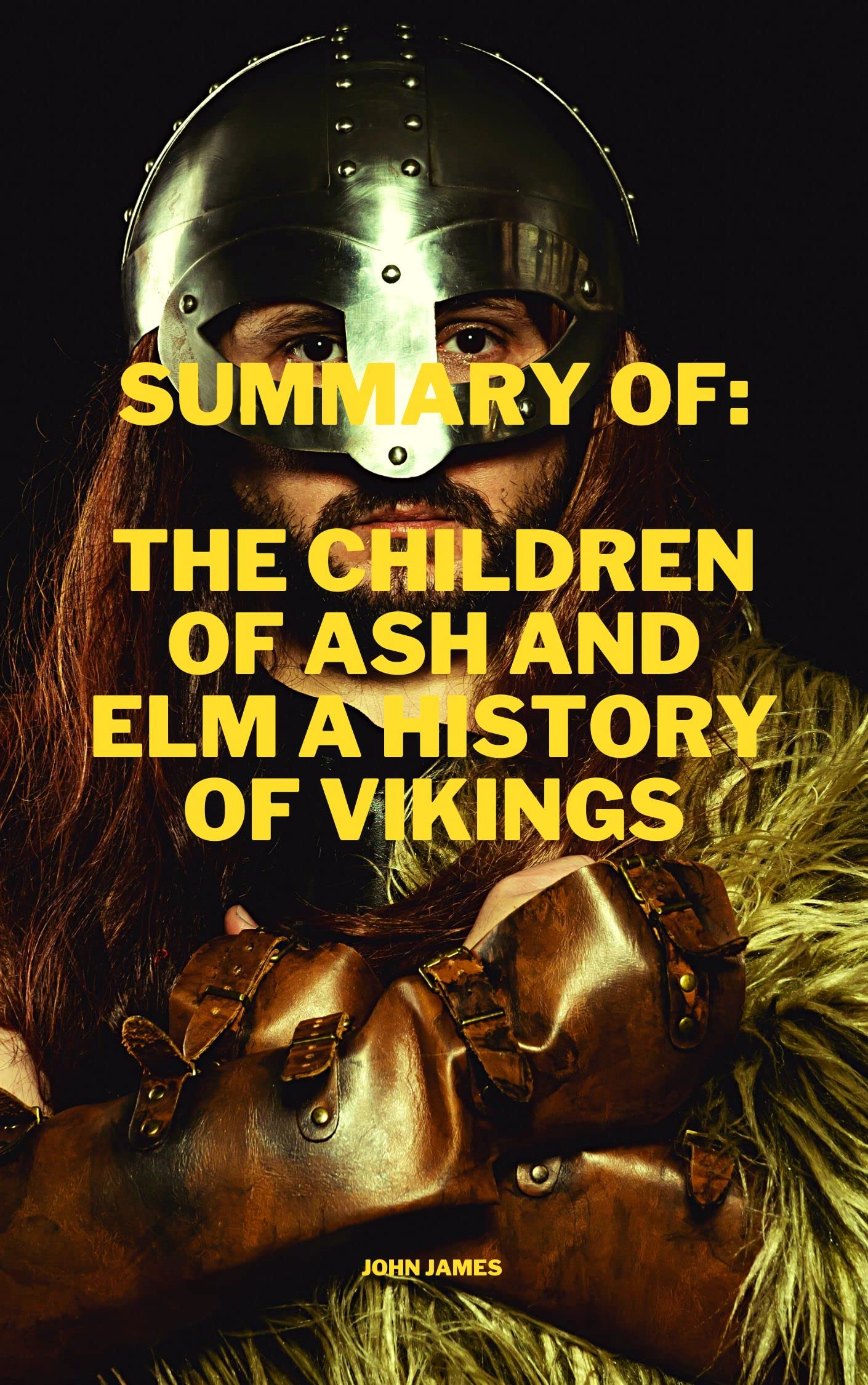
Did Vikings actually wear horned helmets? No, there is no historical or archaeological evidence that Vikings wore horned helmets in battle. This image was popularized by 19th-century costume designers for Wagnerian operas. In reality, Viking helmets were simple, conical, or rounded iron caps, often with a "spectacle" guard to protect the eyes and nose.
Why did the Vikings stop raiding? The cessation of raiding was due to a combination of factors, including the Christianization of Scandinavia, the establishment of stable European monarchies with better defenses, and the consolidation of Scandinavian territories into centralized kingdoms. As these societies became more integrated into the European economy, peaceful trade became more viable and less risky than raiding.
How far did the Vikings actually travel? The Vikings were incredibly far-ranging. They reached North America to the west, the Caspian Sea and Baghdad to the east, the Arctic Circle to the north, and North Africa and the Mediterranean to the south. Their ability to navigate both open oceans and shallow rivers allowed them a geographic range unmatched by any other European group of their time.
Were the Vikings a single, unified empire? No. The Vikings were never a single political entity. They were composed of various independent tribes and kingdoms from Norway, Denmark, and Sweden. While they shared a similar language (Old Norse), religion, and culture, they often fought among themselves as much as they fought against foreign nations.
What was the "Blood Eagle" and was it real? The "Blood Eagle" was a purported method of ritual execution mentioned in late Norse sagas, involving the ribcage being hacked open to resemble wings. Most modern historians and medical experts believe it was either a literary invention intended to vilify the pagans or a misunderstood poetic metaphor, as there is no contemporary archaeological evidence to support its practice.
Recommended Next Action
To truly understand the Norse impact, explore the UNESCO World Heritage sites associated with the Vikings, such as Jelling in Denmark or L’Anse aux Meadows in Canada. These sites provide a tangible connection to the scale and sophistication of their civilization beyond the written word.