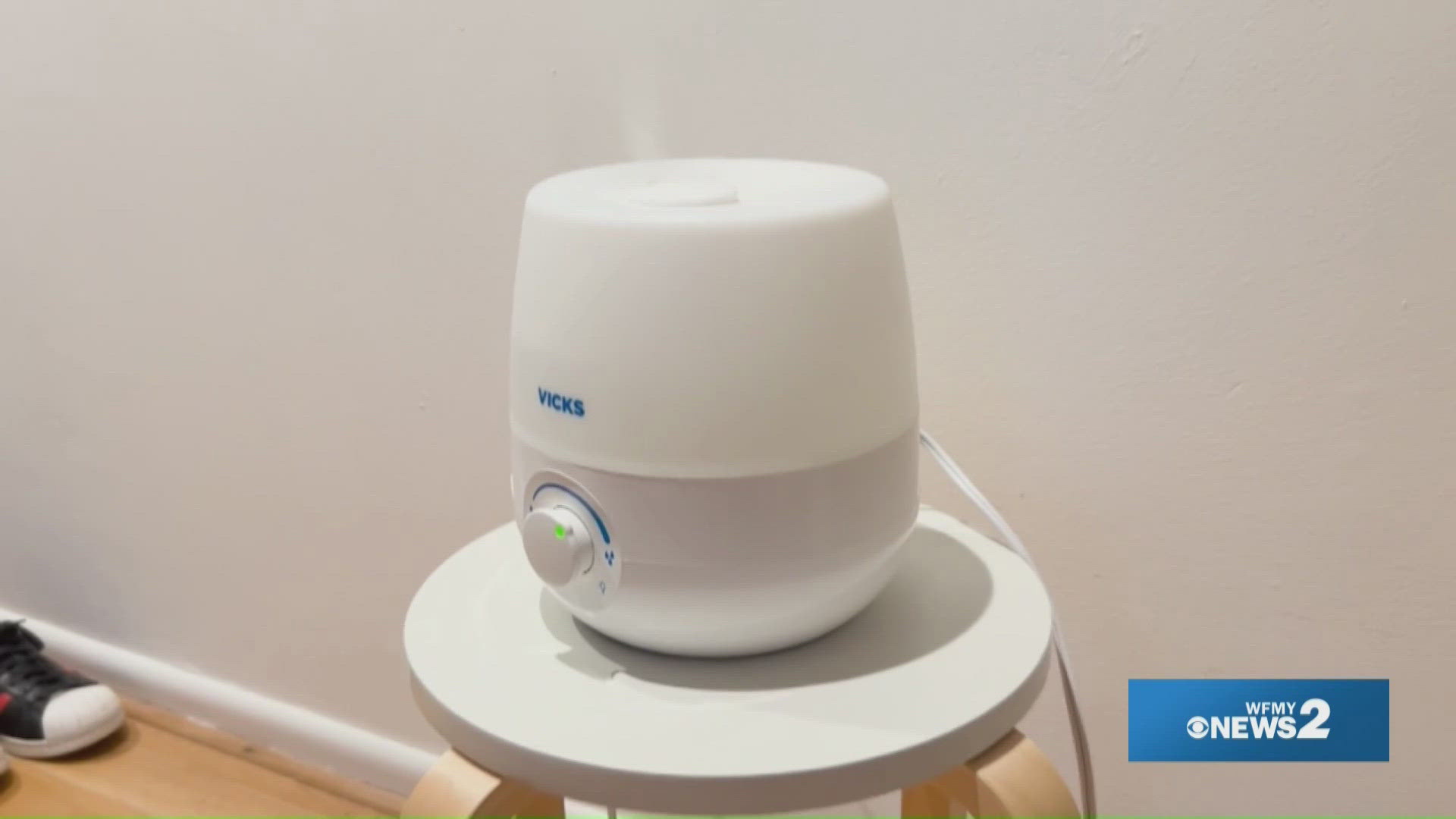
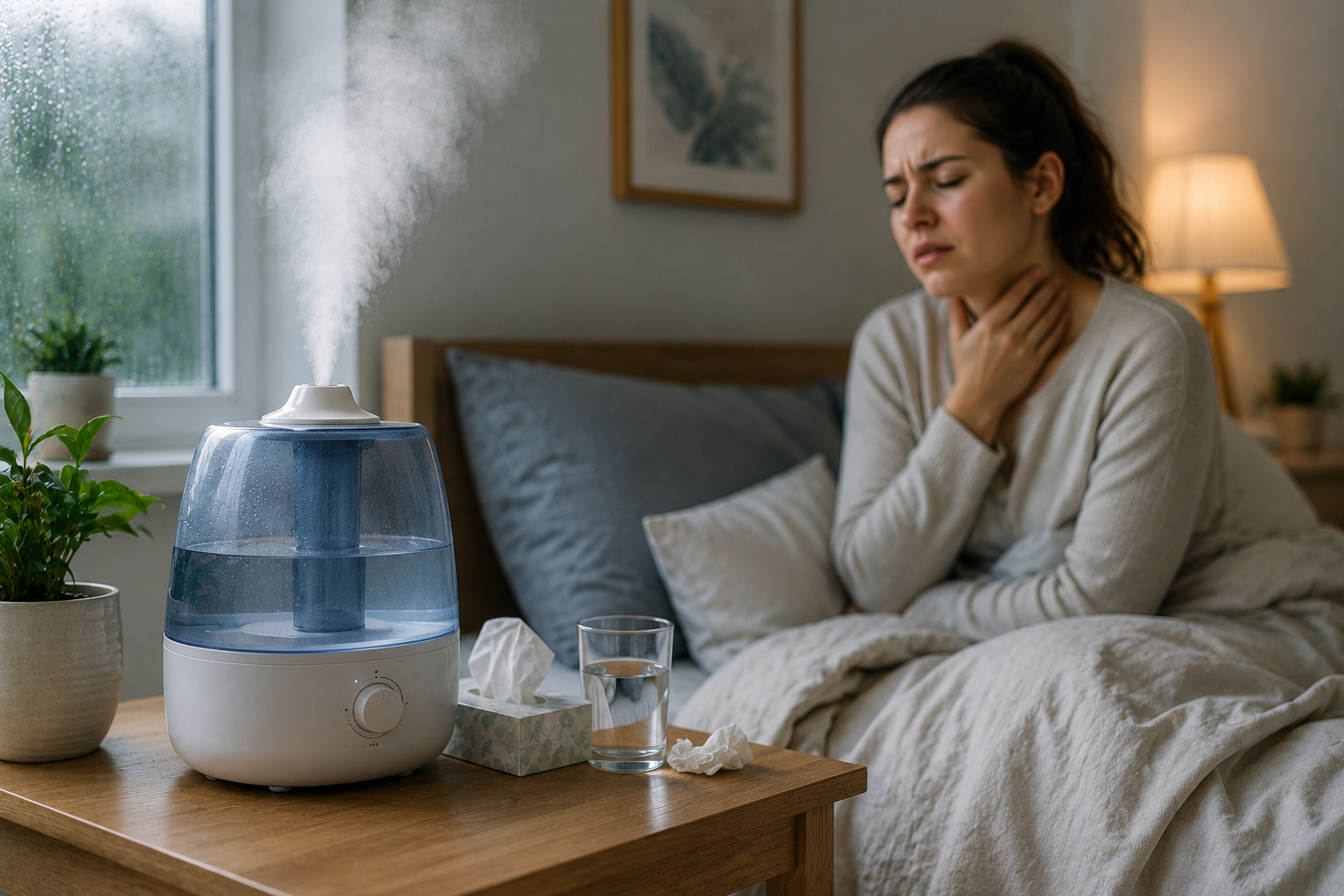
A humidifier can ease cold symptoms by adding essential moisture to indoor air, which helps thin mucus secretions, lubricates irritated nasal passages, and soothes a scratchy throat. Maintaining an optimal indoor humidity level between 30% and 50% supports the respiratory system's natural ability to clear pathogens and improves overall comfort during recovery.
The common cold remains one of the most frequent illnesses globally, often exacerbated by the dry, recycled air found in modern indoor environments. While a humidifier is not a cure for the viral infections that cause colds or the flu, it serves as a powerful supportive therapy. By modifying the physical environment, these devices address the primary sources of discomfort that often lead to sleep deprivation and prolonged malaise during an illness.
The Science of Humidity and Respiratory Relief
To understand how a humidifier eases cold symptoms, one must first look at the physiology of the human respiratory tract. Our airways are lined with a thin layer of mucus and microscopic, hair-like structures called cilia. This "mucociliary escalator" is the body’s primary defense mechanism against inhaled irritants and pathogens. In a healthy environment, the cilia move rhythmically to push mucus—and the trapped viruses or bacteria within it—up and out of the lungs and nasal passages.
When indoor air becomes excessively dry, typically during the winter months or in air-conditioned environments in 2026, this system begins to fail. Dry air evaporates the moisture from the protective mucus layer, causing it to become thick, sticky, and difficult to move. This leads to the "stuffy" feeling associated with colds. Furthermore, dry membranes are more prone to micro-fissures, which can increase sensitivity to irritants and prolong inflammation.
By introducing water vapor into the air, a humidifier prevents this dehydration. The increased ambient moisture allows the mucus to remain fluid, enabling the cilia to function correctly. This process effectively thins the phlegm in the chest and nose, making it much easier to expel through coughing or blowing the nose.
Comparing Cool Mist vs. Warm Mist Humidifiers
When selecting a device to manage cold symptoms, the primary choice is between cool mist and warm mist (steam) technologies. While both increase indoor humidity, they operate differently and offer distinct advantages depending on the user's environment and safety needs.
Cool Mist Humidifiers
Cool mist humidifiers are the most common recommendation for households with children. They use one of two technologies:
- Ultrasonic: These devices use a metal diaphragm vibrating at an ultrasonic frequency to create tiny water droplets that are dispersed into the air as a fine mist. They are exceptionally quiet and energy-efficient.
- Evaporative: These use a fan to blow air through a moistened wick or filter. As the air passes through, it picks up moisture. This method is self-regulating; as the room's humidity rises, the rate of evaporation naturally slows down.
The primary benefit of cool mist is safety. Because there is no heating element, there is no risk of accidental burns, making them the standard choice for nurseries and playrooms.
Warm Mist Humidifiers (Steam Vaporizers)
Warm mist humidifiers boil water to create steam, which is then released into the room. Because the water is heated to the boiling point, these devices are often more effective at killing waterborne bacteria and mold before the moisture enters the air.
Many users find that the slightly warmer air is more soothing for a heavy cough or a severely sore throat. Additionally, warm mist units allow for the use of medicated inhalants (such as menthol or eucalyptus) which can be added to a specialized cup on the device to provide localized aromatic relief. However, they must be kept out of reach of children and pets due to the risk of scalding.
Key Benefits for Specific Cold Symptoms
The application of humidity provides targeted relief for the most "troublesome" symptoms of upper respiratory infections.
Nasal Congestion and Sinus Pressure
Dry air causes the tissues inside the nose to swell, a condition known as inflammation. This swelling, combined with thickened mucus, creates the sensation of being "clogged." Humidity acts as a natural decongestant. It keeps the nasal passages lubricated, reducing the urge to pick or blow aggressively, which can further damage the sensitive lining.
Persistent Coughing
A "dry" or "unproductive" cough is often triggered by an itchy sensation in the back of the throat (the pharynx). When the throat is dry, every breath of air can act as an irritant. Increasing the humidity coats the throat in a thin layer of moisture, reducing the "tickle" and helping to turn a dry cough into a productive one that clears the lungs.
Sore Throat and Vocal Strain
Many people with colds experience "morning sore throat," which occurs when nasal congestion forces them to breathe through their mouths while sleeping. Mouth breathing quickly dehydrates the oral cavity and throat. A humidifier running through the night ensures that the air being inhaled is saturated, preventing the painful "sandpaper" feeling upon waking.
Maintaining the 30% to 50% Humidity Window
While moisture is beneficial, more is not always better. The Environmental Protection Agency (EPA) and leading health organizations in 2026 emphasize that indoor humidity should ideally stay between 30% and 50%.
If humidity levels exceed 50%, the environment becomes a breeding ground for biological pollutants. Dust mites thrive in high-humidity conditions, and mold can begin to grow on walls, carpets, and under furniture. These allergens can trigger secondary respiratory issues, such as allergic rhinitis or asthma attacks, which complicate the recovery from a simple cold.
To manage this, it is highly recommended to use a hygrometer—a small, inexpensive device that measures the percentage of moisture in the air. Many modern humidifiers in 2026 come with built-in "humidistats" that automatically cycle the machine on and off to maintain a pre-set level.
Essential Maintenance and Cleaning Protocols
The most significant risk associated with using a humidifier is the potential for the device itself to become a source of illness. If not cleaned properly, the water reservoir can grow bacteria and fungi, which are then aerosolized and inhaled directly into the lungs. This can lead to "humidifier fever" or more serious conditions like Legionnaire's disease.
To ensure the humidifier eases cold symptoms rather than making them worse, follow these 2026 safety guidelines:
- Change Water Daily: Empty the tank, dry the interior surfaces, and refill with clean water every single day. Standing water is a primary site for microbial growth.
- Use Distilled or Demineralized Water: Tap water contains minerals that can create a "white dust" on furniture and inside the machine. More importantly, these minerals can provide a substrate for bacteria to grow. Distilled water is the safest option for respiratory health.
- Weekly Deep Cleaning: Once a week, use a solution of white vinegar or a 3% hydrogen peroxide solution to disinfect the tank and the base. Ensure all cleaning agents are thoroughly rinsed out before restarting the machine to avoid inhaling chemical fumes.
- Replace Filters Promptly: If using an evaporative model, the wick/filter must be changed according to the manufacturer's schedule—usually every 30 to 60 days—as it traps mineral deposits and pollutants.
| Feature | Ultrasonic (Cool Mist) | Evaporative (Cool Mist) | Steam Vaporizer (Warm Mist) |
|---|---|---|---|
| Noise Level | Extremely Quiet | Moderate (Fan Noise) | Low (Bubbling/Hissing) |
| Maintenance | High (Needs frequent cleaning) | Medium (Filter changes) | Low (Boiling kills most germs) |
| Burn Risk | None | None | High |
| Mineral Dust | Yes (if using tap water) | No (trapped in filter) | No (stays in heating element) |
| Best For | Bedrooms, Nurseries | Large living areas | Targeted congestion relief |
Potential Limitations and Contraindications
While a humidifier can ease cold symptoms, it is not a universal solution. Individuals with chronic respiratory conditions, such as asthma or chronic obstructive pulmonary disease (COPD), should consult a physician before using a humidifier. For some, the increased moisture or the presence of microscopic minerals in the mist can trigger bronchospasms.
Furthermore, a humidifier should never replace traditional medical advice. If cold symptoms are accompanied by a high fever (above 103°F or 39.4°C), difficulty breathing, or symptoms that last longer than 10 days, medical intervention is necessary. According to 2026 healthcare standards, the goal of home humidity is comfort and symptom management, not the treatment of underlying viral pathologies.
Frequently Asked Questions
Can I put essential oils in my humidifier?
Only if the device is specifically designed for them. Most standard humidifiers use plastics that can be degraded by essential oils, and the oils may clog the ultrasonic diaphragm or the wick. For aromatic relief, look for models with a dedicated "aroma tray" or use a separate oil diffuser.
Is it better to run the humidifier only at night?
Running a humidifier at night is often most effective because that is when cold symptoms—specifically coughing and congestion—tend to worsen due to lying flat. However, if you are spending the day resting in a specific room, maintaining consistent humidity throughout the day will provide more continuous relief for your respiratory membranes.
Does a humidifier help with a fever?
A humidifier does not directly lower body temperature. However, it can help with the chills or discomfort associated with a fever by preventing the air from feeling "harsh." For those with a fever, a cool-mist humidifier is generally preferred to keep the ambient temperature comfortable.
Why does my humidifier leave a white film on my furniture?
This is "mineral dust" caused by high mineral content in tap water (hard water). When the water is turned into a mist, the minerals are released as well. While generally harmless to healthy adults, this dust can irritate the lungs of people with sensitivities. Using distilled or demineralized water solves this problem entirely.
Can a humidifier help prevent getting a cold in the first place?
There is evidence to suggest that proper humidity may reduce the transmission of certain viruses. Studies from organizations like the Mayo Clinic indicate that viruses may survive better and spread more easily in dry air. Furthermore, healthy, moist nasal membranes are more effective at trapping viruses before they can cause an infection.
Summary of Next Actions
To effectively use a humidifier for cold relief, begin by assessing your current indoor humidity. If the air feels dry or your skin and lips are parched, a humidifier is likely to provide significant relief. Purchase a unit sized correctly for your room—oversized units can create excessive moisture—and invest in a gallon of distilled water to prevent mineral buildup.
Consistent daily maintenance is the most critical step. By keeping the device clean and the humidity within the 30-50% range, you can create an environment that supports your body's natural healing processes and significantly reduces the discomfort of cold and flu symptoms throughout the 2026 season.