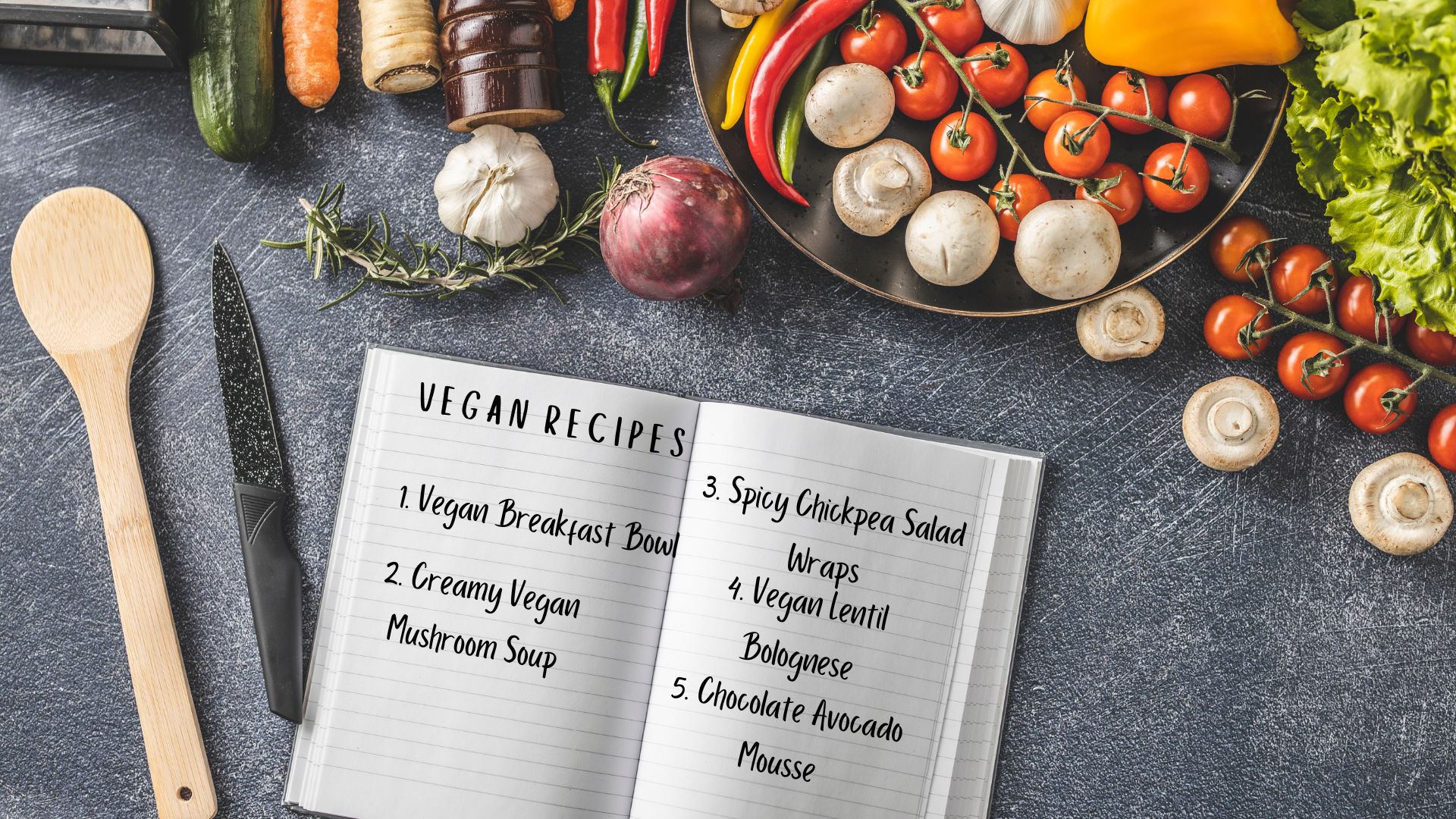
Navigating the plant-based landscape in Corvallis, Oregon, involves identifying dedicated vegan establishments alongside inclusive local eateries that offer robust vegetable-forward menus. By leveraging the city's agricultural proximity and university-town culture, residents and visitors can easily sustain a vegan lifestyle through local markets, specialized cafes, and restaurants that accommodate specific dietary requirements.
Understanding the Corvallis Plant-Based Landscape
Corvallis, while smaller than neighboring Eugene or Portland, maintains a surprisingly sophisticated food ecosystem. The presence of Oregon State University (OSU) drives a consistent demand for diverse culinary options, including vegetarian and vegan cuisines. For a newcomer or a visitor, the primary task is distinguishing between "vegan-friendly" establishments—those that offer a few marked items—and dedicated plant-based venues that prioritize ethical sourcing and the absence of animal products across their entire kitchen workflow.
The local food scene is deeply influenced by the Willamette Valley’s agrarian roots. Farmers' markets are not just seasonal novelties but central pillars of the city’s nutritional infrastructure. When exploring vegan options here, the most effective strategy involves prioritizing businesses that highlight locally sourced produce, as these locations are inherently more flexible and knowledgeable about their ingredients.
Navigating Dedicated Vegan and Vegetarian Eateries
Dedicated vegan establishments in Corvallis are rare but highly specialized. These venues eliminate the stress of cross-contamination and the need for rigorous questioning regarding hidden ingredients like honey, gelatin, or whey. When visiting these spots, you are supporting businesses that have built their entire operational model around plant-based nutrition.
If a restaurant labels itself as "vegan," it typically implies that no animal products are used in preparation. However, it is always professional practice to confirm if they accommodate specific allergies, such as nut or soy, which are frequently used as meat and dairy substitutes. Always check current operational hours, as small-scale specialized businesses in Corvallis may have seasonal or limited schedules.
Finding Vegan-Friendly Options in Conventional Restaurants
Many of the city's popular dining institutions are increasingly adapting to plant-based diets. To navigate these, you should look for menus that utilize clear iconography. If a menu lacks these indicators, common dishes often found in Corvallis restaurants that are easily veganized include:
- Thai and Vietnamese Cuisine: Often reliant on coconut milk and tofu, these menus frequently offer curries and noodle dishes that can be prepared without fish sauce or shrimp paste.
- Mediterranean and Middle Eastern Spots: Look for falafel, hummus, tabbouleh, and grape leaves. Confirm that pita bread is not brushed with butter.
- Mexican-Inspired Eateries: Many local establishments now offer plant-based proteins. Ensure beans are not prepared with lard and that rice is not cooked in chicken stock.
Practical Tips for Dining and Grocery Shopping
To maintain a consistent vegan diet, you must bridge the gap between dining out and preparing meals at home. Corvallis provides access to high-quality produce through a mix of large-scale grocery stores and independent food cooperatives.
- The Food Co-op Advantage: Locally owned markets often serve as the primary hub for vegan staples like nutritional yeast, tempeh, seitan, and specialty dairy-free cheeses. These stores often stock local Oregon products that are not available in national chains.
- Ingredient Verification: When shopping, read labels specifically for non-obvious animal-derived additives such as casein, whey, and certain food dyes (e.g., carmine).
- Cross-Contamination Awareness: In casual dining settings, it is acceptable to ask your server if deep-fryers are shared between meat and vegetable items. In a town with a high proportion of health-conscious diners, this is a standard and respected inquiry.
Comparing Dietary Accessibility in Corvallis
The following table provides a breakdown of how to identify and verify vegan offerings across different types of local businesses.
| Establishment Type | Reliability | Primary Advantage | Verification Method |
|---|---|---|---|
| Dedicated Vegan Cafe | Very High | Zero cross-contamination risk | Check online menu; verify hours |
| Local Co-ops/Markets | High | Access to bulk/specialty items | Read ingredients lists; look for local labels |
| Multi-Cuisine Restaurants | Moderate | High variety and socialization | Request vegan-specific menu/waitstaff query |
| Seasonal Food Carts | Variable | Unique, small-batch options | Direct inquiry with operator |
Managing Challenges: Costs and Availability
One of the common challenges in a smaller city like Corvallis is the perceived higher cost of specialized vegan products. Because many plant-based staples are often artisanal or sourced from smaller distributors, the price points can be higher than mass-market animal products. You can mitigate these costs by:
- Buying in Bulk: Utilize the bulk sections of local markets for staples like lentils, beans, grains, and nuts. This reduces packaging waste and lowers the unit price significantly.
- Seasonality: Align your meal planning with the Willamette Valley harvest cycle. Vegetables like kale, beets, winter squash, and root vegetables are often significantly cheaper when sourced locally during peak months.
- Planning Ahead: If you are visiting for an event at OSU, do not rely solely on campus dining. Check the menus of surrounding downtown establishments in advance, as busy days can lead to menu limitations.
Frequently Asked Questions
Are there fully vegan restaurants in Corvallis? Yes, but the landscape changes frequently. It is recommended to verify current status through real-time mapping services or by checking if a venue has maintained its business license and operations for the current year. Most dedicated spots will clearly state their status on their primary website or social media channels.
How do I handle inquiries about vegan options in non-vegan establishments? The most effective way is to be specific rather than general. Instead of asking "Do you have vegan options?", ask "Are there any items that contain no dairy, eggs, honey, or meat products, and can these be prepared without lard or animal stocks?" This level of specificity helps staff understand exactly what you need to avoid.
Is it difficult to find plant-based protein in grocery stores here? No. Because of the regional focus on health and sustainability, most major grocery stores in Corvallis maintain a dedicated plant-based section. Smaller independent grocers are often better for high-quality, local, or house-made tofu and tempeh options.
What should I do if I am traveling to Corvallis with non-vegans? The best strategy is to look for "inclusive" restaurants. These are businesses that offer a mix of high-quality meat dishes and substantial, well-thought-out vegan entrees. By choosing restaurants that prioritize overall culinary quality rather than just dietary labeling, you ensure a positive experience for your entire group.
Are farmers' markets a good source for vegan staples? The Corvallis Farmers' Market is an excellent resource, especially during the peak growing season. While they may not stock processed vegan "meat" alternatives, they offer high-quality produce, local grains, and occasionally artisanal vegan baked goods.
Next Steps for the Vegan Resident or Visitor
If you are planning your week in Corvallis, your first step should be to audit your immediate needs. Are you looking for a daily meal solution, or are you preparing to host a dinner?
For daily needs, establish a routine with a local grocer that stocks your core staples. For social dining, create a shortlist of three restaurants that have verified vegan entrees—not just sides—and save them in a digital map application. Finally, follow the social media accounts of local plant-focused pop-ups or cafes, as these businesses often update their menus with weekly specials that may not be reflected in static online directories. By staying engaged with the local food community, you ensure that your experience remains both sustainable and enjoyable.