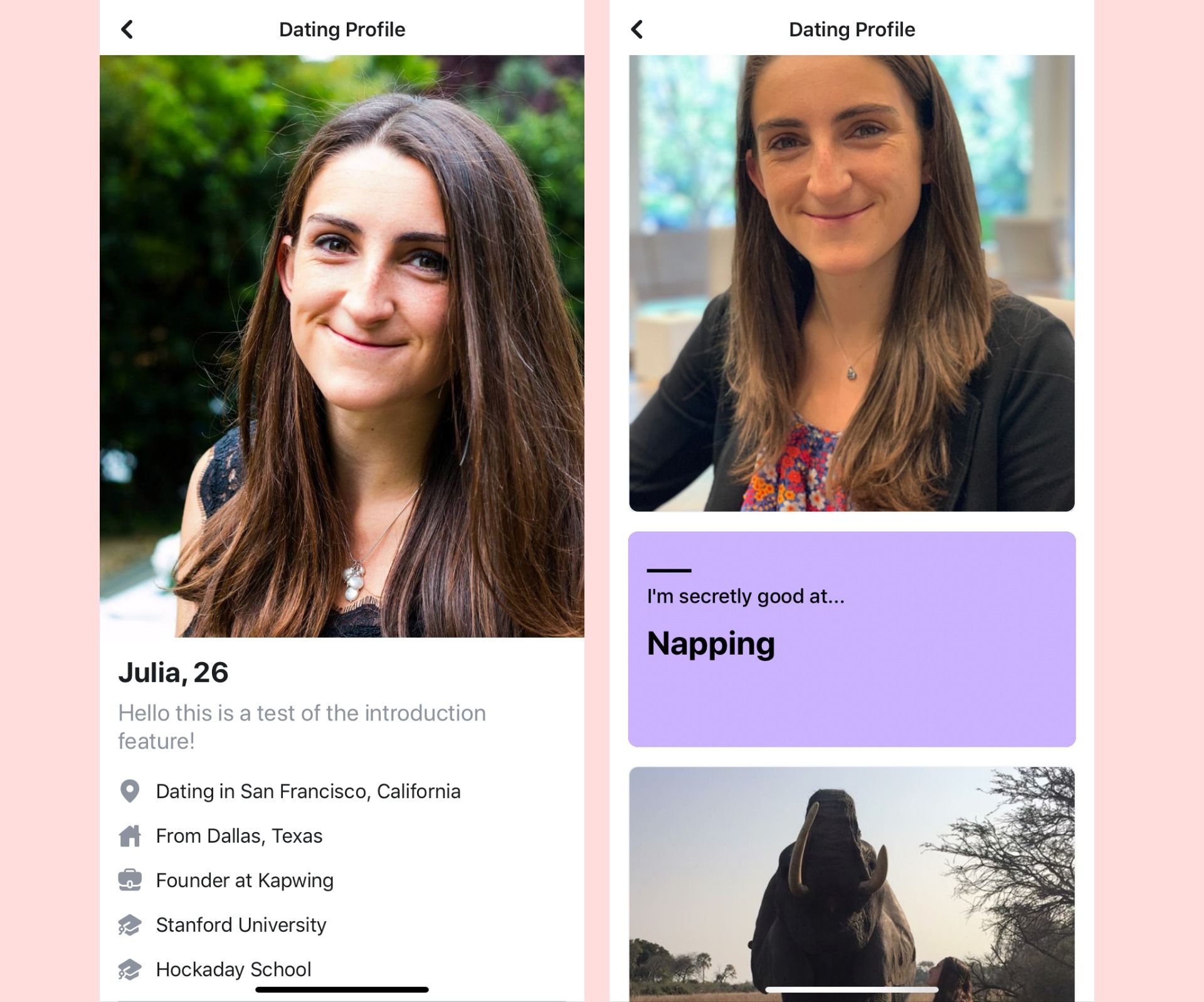
A good online dating profile is a strategic blend of high-quality, authentic visual storytelling and concise, hook-laden text. By prioritizing verified photos, specific personal anecdotes over clichés, and clear relationship intentions, users significantly increase their match quality and conversion rates from digital swipes to real-world connections.
The landscape of digital romance has evolved significantly by 2026. While the core human desire for connection remains unchanged, the methods for signaling compatibility have become more sophisticated. A profile is no longer just a digital resume; it is a dynamic calling card that must navigate both human psychology and platform algorithms. To stand out in a saturated market, you must move beyond generic self-descriptions and focus on "show, don't tell" principles.
The Visual Foundation: Photography and Presence
In 2026, the quality of your visual presentation remains the most critical factor in profile performance. However, "quality" no longer means "perfection." Users have become increasingly wary of overly filtered or AI-generated imagery, leading to a movement toward "radical authenticity." A good online dating profile requires a minimum of four to six distinct photos that provide a 360-degree view of your life and personality.
The Anchor: The Primary Portrait
Your first photo has approximately two seconds to make an impression. It should be a clear, high-resolution headshot or "waist-up" photo where your face is fully visible. Natural lighting—particularly during the "golden hour"—is statistically proven to be more flattering than indoor lighting or harsh camera flashes. Avoid sunglasses, hats, or distracting filters in this primary slot. Eye contact is essential, as it establishes a subconscious sense of trust and approachability.
Contextual and Lifestyle Imagery
The subsequent photos must build a narrative. A good profile includes a full-body shot to establish physical transparency, preventing "misrepresentation" fatigue. Beyond physical appearance, use your photos to showcase your environment and hobbies. If you are an avid hiker, include a photo of yourself on a trail. If you are a culinary enthusiast, a photo of you in the kitchen is more effective than a block of text saying "I love to cook." These contextual clues provide immediate "hooks" for potential matches to reference in their first message.
The Decline of AI and Filters
By 2026, many major dating platforms like Tinder and Bumble have integrated advanced detection for AI-altered images. Profiles that rely heavily on "beautification" filters or generative AI for professional-looking portraits often see lower engagement. Authentic, slightly imperfect photos taken on a modern smartphone often outperform staged studio sessions because they feel more "real" and attainable. The goal is to look like the best version of yourself, not a different person entirely.
Crafting the Narrative: Beyond the Clichés
The written portion of your profile—the bio and prompts—serves to filter for compatibility. While your photos get people to stop scrolling, your words get them to swipe right and start a conversation. A good online dating profile avoids "empty adjectives" like "adventurous," "funny," or "laid-back." Instead, it uses specific examples to demonstrate these traits.
The "I, You, We" Strategy
A successful bio often follows a tripartite structure:
- The "I": Something unique about your life or personality (e.g., "I spend my Saturday mornings searching for the city's best sourdough.")
- The "You": A specific trait or interest you are looking for in a partner (e.g., "You’re someone who actually enjoys a lively debate about 90s cinema.")
- The "We": A potential shared activity or vision (e.g., "Let's figure out if we can actually finish a 1,000-piece puzzle in one sitting.")
This structure is effective because it provides a complete picture: who you are, what you want, and what a future together might look like. It moves the interaction from a passive reading experience to an active visualization of a relationship.
Leveraging Platform Prompts
Apps like Hinge have popularized "prompts" as a replacement for the traditional open-ended bio. In 2026, the most successful profiles use these prompts to showcase humor and vulnerability. Avoid low-effort answers like "The way to my heart is... food." Instead, try "The way to my heart is... knowing the difference between a good flat white and a great one." Specificity is the enemy of boredom.
Technical Optimization and Platform Nuances
Every dating app operates on a unique algorithm that prioritizes certain profile behaviors. Understanding the technical side of "a good online dating profile" is just as important as the content itself.
Verification and Trust Signals
Identity verification is no longer optional for high-performing profiles. Most apps now prioritize "Verified" accounts in their discovery stacks to combat bots and "catfishing." Completing the biometric verification process (usually a video selfie) adds a blue checkmark to your profile, which significantly increases the likelihood of matches with high-intent users. According to data from the Pew Research Center, users are 60% more likely to interact with a verified profile than an unverified one.
The Algorithm and Profile Freshness
Dating algorithms favor active, frequently updated profiles. A "good" profile is not static; it is updated every few months with new photos or prompt answers. This signaling of "freshness" tells the app that the user is currently active and responsive, which often results in a temporary boost in the discovery queue. Additionally, the "ratio" of your swiping behavior matters. Being overly selective or overly permissive can negatively impact your visibility; aiming for a balanced, thoughtful approach to swiping keeps your profile "healthy" in the eyes of the algorithm.
| Profile Element | Impact Level | Primary Function | 2026 Best Practice |
|---|---|---|---|
| Lead Photo | Critical | Capture attention | High-res, natural light, no sunglasses. |
| Identity Verification | High | Establish trust | Complete biometric "blue check" process. |
| Bio/Prompts | High | Start conversations | Use "hooks" and specific anecdotes. |
| Lifestyle Tags | Medium | Filter compatibility | Fill out 100% of tags (height, habits, etc.). |
| Activity Level | Medium | Boost visibility | Open the app daily; update text monthly. |
Platform-Specific Tailoring
A profile that works on Tinder may not perform as well on Hinge or Bumble. Each platform has a distinct "culture" and user expectation.
- Tinder: This platform remains fast-paced. Your photos do 90% of the work here. Keep the bio extremely short—usually two to three punchy sentences—and focus on high-energy, attractive imagery.
- Bumble: Since women must message first, a good Bumble profile must include an easy "conversation starter." If your profile doesn't give them a specific question to ask or a topic to comment on, you will find yourself with many matches but zero messages.
- Hinge: Hinge is designed to be deleted. The focus is on depth. Every photo and prompt should be a conversation piece. Use the "Voice Prompt" feature; hearing a person's voice significantly increases the sense of connection and reduces the "uncanny valley" effect of digital profiles.
Common Pitfalls to Avoid
Even a profile with great photos can fail if it contains certain "red flags" or "clichés" that have become ubiquitous in the dating world.
Negativity and "Don'ts"
One of the most common mistakes is listing what you don't want. Phrases like "No drama," "Don't bother if you're not..." or "Swipe left if..." create a hostile first impression. Even if your intentions are valid, this language makes you appear cynical or difficult. A good profile focuses on the positive—what you are looking for—rather than what you are trying to avoid.
The "Group Photo" Trap
While showing you have friends is important, using a group photo as your primary image is a major deterrent. Users do not want to play a game of "Where's Waldo" to figure out who the profile belongs to. If you include a group photo, place it at the end of your gallery and ensure you are the most visible person in it.
Over-Generalization
Avoid words that apply to 99% of the human population. Everyone likes "music," "travel," and "spending time with friends and family." These are baseline human traits, not personality markers. Instead of "music," list the last concert you attended. Instead of "travel," mention the specific city you’re planning to visit next.
Safety and Privacy Considerations
As we move through 2026, digital safety is more integrated into the dating experience than ever. While a good profile is open and engaging, it should not compromise your personal security.
- Avoid Sensitive Data: Do not include your home address, specific workplace, or phone number in your public profile. Most apps have built-in calling and messaging features to keep your data private until you trust the other person.
- Social Media Linking: Be cautious about linking your Instagram or TikTok. While it provides "proof of life," it also allows strangers to browse your social history without a match. Many users now prefer to share these handles only after a successful first conversation.
- The FTC Guidelines: Be aware of common red flags for "romance scams." According to the Federal Trade Commission (FTC), scammers often pressure users to move off the platform quickly or ask for financial assistance. A "good" profile holder respects boundaries and keeps communication on the app until a meeting is planned.
Final Practical Recommendations
To maintain a successful online dating presence, treat your profile as a living document. The goal is not to appeal to everyone, but to be a "magnet" for the specific type of person you want to attract and a "filter" for everyone else.
- Audit your photos: Ask a friend of the gender you are trying to attract to look at your photos for 10 seconds. Ask them what three words come to mind. If those words aren't what you're aiming for, change the photos.
- Refresh the text: If you aren't getting the quality of conversations you want, change your prompts. Swap a "funny" prompt for a "sincere" one to see how it affects your match pool.
- Check your settings: Ensure your age and distance filters are realistic. Narrowing your filters too much can "starve" the algorithm, while widening them too much can lead to "match fatigue."
By focusing on authenticity, specific conversation hooks, and platform-specific optimization, you can create a profile that doesn't just get matches, but leads to meaningful real-world outcomes.
Frequently Asked Questions
How many photos should I actually use?
A good profile should have between five and seven photos. Fewer than four suggests you are hiding something or are not serious; more than seven can feel repetitive or self-indulgent. The goal is to provide enough variety to show different facets of your life (hobbies, social, professional, candid) without overwhelming the viewer.
Is it better to be funny or serious in a bio?
The most effective profiles use a "80/20" rule: 80% genuine and 20% humorous. If you are entirely funny, people may not think you are looking for a real connection. If you are entirely serious, you may seem boring or intimidating. A touch of self-deprecating humor or a lighthearted "hot take" can break the ice and make you appear more approachable.
Should I list my height and job?
In 2026, most platforms have specific fields for these details. It is generally recommended to fill them out. Transparency reduces friction. If these details are important to you or your potential matches, providing them upfront saves time for both parties. However, your bio should focus on your personality and interests rather than repeating these technical stats.
How often should I change my profile?
Ideally, you should refresh at least one photo or one prompt every 30 to 45 days. This keeps your profile "active" in the algorithm's eyes and ensures that recurring users in your area see something new, which might prompt a "second look" and a eventual right-swipe.
What is the most important "hook" to include?
The most important hook is an "easy win" for a message. This is often a question or a "this or that" scenario. For example, "Tell me your most controversial food opinion" or "Rank these three travel destinations." These give the other person an immediate path to start a conversation without the stress of thinking of a clever opening line.