The debate surrounding the gorillas at Zoo Atlanta primarily centers on the legacy of Willie B., a silverback who became a national symbol for animal welfare after spending 27 years in solitary confinement. Today, in 2026, the discussion has evolved into a broader evaluation of the ethics of great ape captivity versus the zoo's role as a global leader in primatology and cardiovascular research.
The story of the Atlanta zoo gorilla is not merely a chronicle of an animal in a cage; it is a complex narrative involving municipal failure, scientific revolution, and the ongoing ethical tension of wildlife conservation in the 21st century. To understand the "debate" mentioned by critics and supporters alike, one must look at the transition from the "World’s Worst Zoo" in the 1980s to the world-class research institution that exists today in 2026.
The Historical Catalyst: The Life and Legacy of Willie B.
For nearly three decades, the central figure of the Atlanta zoo gorilla debate was Willie B., a Western lowland gorilla named after former Atlanta Mayor William B. Hartsfield. Arriving at the zoo in 1961, Willie B. became a local celebrity, but his living conditions eventually sparked an international outcry.
For 27 years, Willie B. lived in a 1,600-square-foot indoor concrete room. He had no access to natural sunlight, no grass beneath his feet, and, most critically, no contact with other gorillas. As social primates, gorillas require complex group dynamics to thrive. Willie B.’s isolation was seen by animal rights activists as a form of psychological torture, leading to a massive debate over the city's responsibility to its captive animals.
In 1984, the Zoo Atlanta (then known as the Atlanta Zoo) was ranked as one of the worst in the United States by the Humane Society. This designation, fueled largely by the treatment of Willie B. and other primates, forced a total reorganization of the institution. Under the leadership of Dr. Terry Maple, a primatologist, the zoo began a radical transformation. The debate shifted from "should we close the zoo?" to "can we create a habitat that respects the biological and social needs of a silverback?"
The Great Transformation: The Ford African Rain Forest
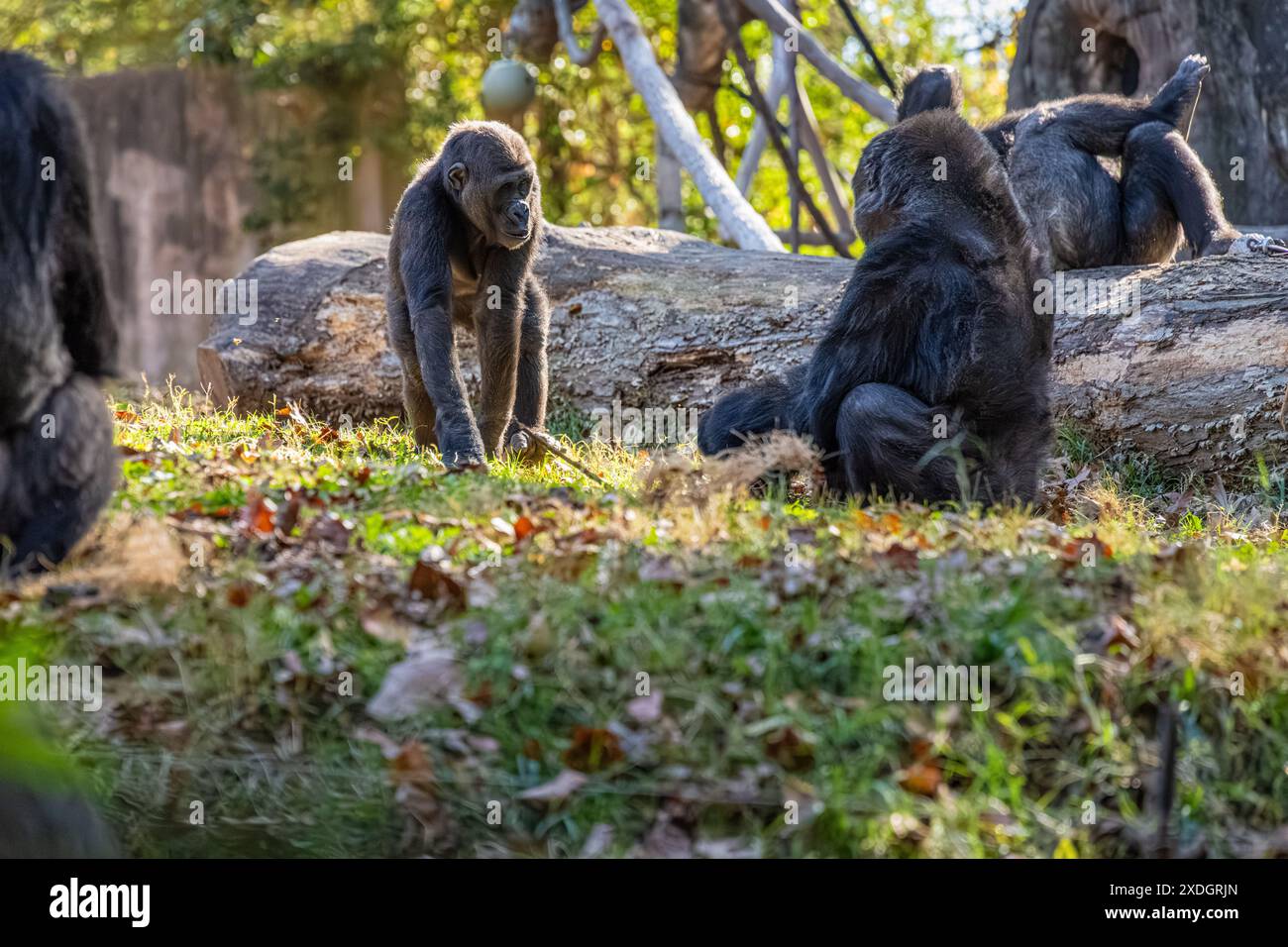
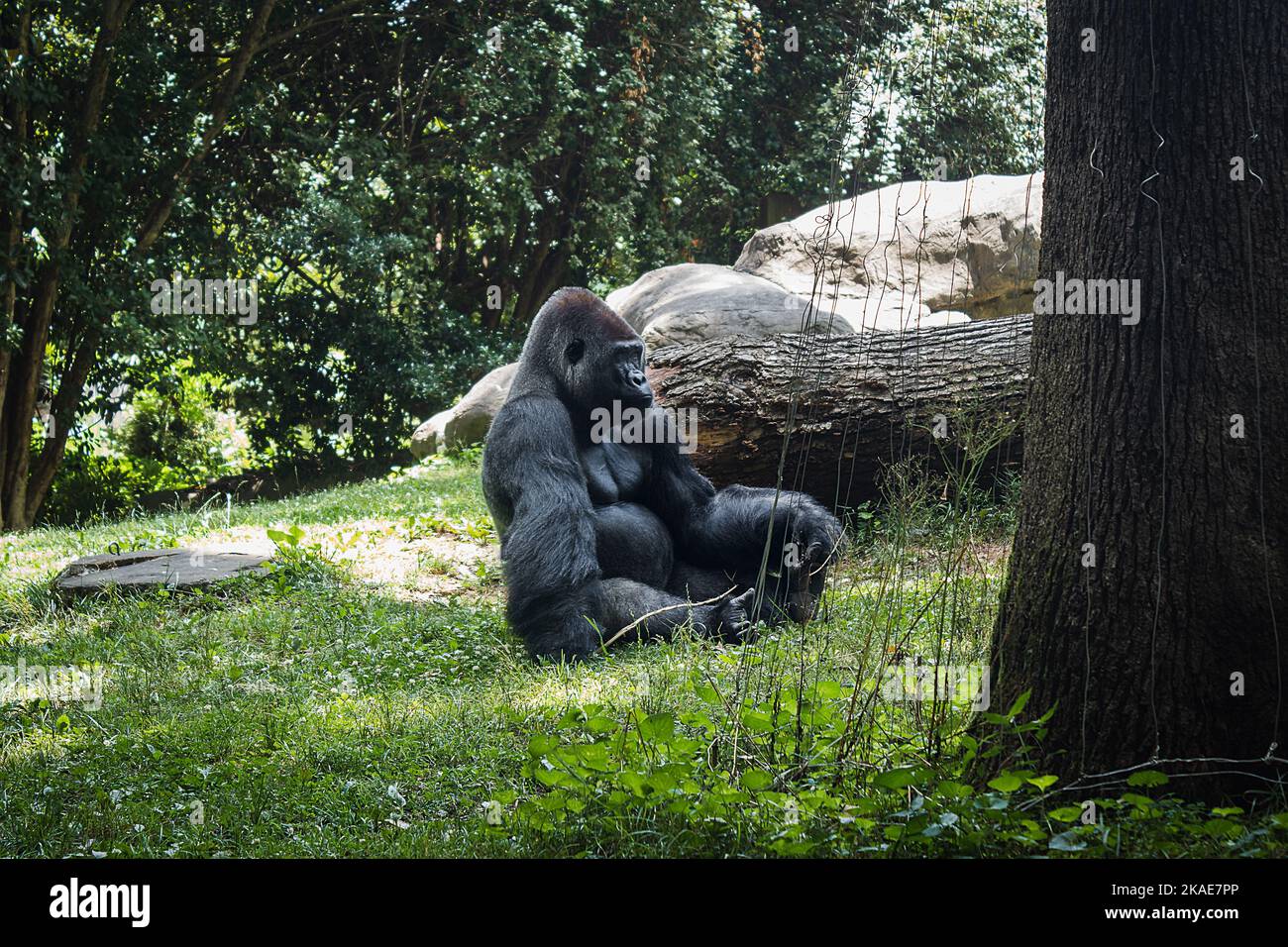
The resolution to the Willie B. debate came in 1988 with the opening of the Ford African Rain Forest. This was a landmark moment in zoo design. Instead of concrete cells, the zoo constructed large, naturalistic outdoor habitats that allowed gorillas to live in social groups (troops) for the first time in Atlanta's history.
When Willie B. took his first steps onto natural grass in May 1988, it was a televised event. This transition did more than just improve one gorilla's life; it pioneered the "landscape immersion" philosophy in zoo architecture.
As of 2026, the Ford African Rain Forest remains a gold standard for great ape management. It features:
- Complex Social Structures: Multiple distinct habitats that allow for various family groups and "bachelor" groups.
- Naturalistic Foraging: Environments that encourage gorillas to search for food, mimicking their behavior in the wild.
- Environmental Enrichment: Sophisticated sensory stimuli designed to keep the gorillas cognitively engaged.
While the 1988 transition silenced many critics, it birthed a new debate: Is a "better cage" still a cage? In 2026, Zoo Atlanta remains at the center of this philosophical discussion, balancing the welfare of individual animals against the survival requirements of an endangered species.
Scientific Depth: The Great Ape Heart Project
One of the most technical and significant aspects of the Atlanta gorilla program is its leadership in the Great Ape Heart Project (GAHP). This multi-institutional initiative was founded to address the primary cause of death in captive great apes: cardiovascular disease, specifically fibrosing cardiomyopathy.
Gorillas in human care often appear healthy but can suffer from sudden cardiac events. Zoo Atlanta has served as the headquarters for this research, providing a centralized database for cardiac health across North American zoos. This scientific focus has positioned the zoo as a medical research hub, but it also fuels the debate regarding the physiological impact of captivity.
Technical Breakthroughs in Gorilla Health
In the years leading up to 2026, the GAHP has utilized advanced diagnostic tools including:
- Voluntary Ultrasounds: Through positive reinforcement training, gorillas at Zoo Atlanta participate in their own healthcare, leaning against the mesh to allow keepers to perform cardiac ultrasounds without the need for anesthesia.
- Blood Pressure Monitoring: Innovations in cuff technology have allowed for more accurate readings on the thick limbs of silverbacks.
- Genetic Mapping: Researchers are investigating whether the captive diet or specific genetic markers in the North American population contribute to heart wall thickening.
By providing this level of care, Zoo Atlanta argues that it offers a "biological insurance policy" for the species. Critics, however, point to these very health issues as evidence that the captive environment—no matter how naturalistic—cannot fully replicate the health benefits of the wild.
Managing a Geriatric Population: The Legacy of Ozzie and Choomba
As we look at the state of the zoo in 2026, much of the recent debate has focused on geriatric care. Zoo Atlanta has historically housed some of the oldest gorillas in the world. Ozzie, who passed away in 2022 at the age of 61, was the oldest male gorilla in recorded history. Choomba, his female counterpart, also lived into her late 50s.
The longevity of these animals is often cited by the zoo as evidence of superior care. However, it presents unique challenges that keep the institution at the center of ethical debates:
- Palliative Care: At what point does medical intervention for a 60-year-old gorilla become more about human attachment than animal welfare?
- Social Stability: When an elder silverback like Ozzie dies, it creates a power vacuum in the troop. The management of these social shifts requires deep expertise in primatology.
- Mobility Issues: Like humans, elderly gorillas suffer from arthritis and cognitive decline, requiring customized diets and physical therapy routines.
The debate in 2026 is less about "concrete rooms" and more about the "ethics of the end-of-life." Zoo Atlanta’s specialized geriatric protocols have become a model for other institutions globally, though they continue to face scrutiny from groups advocating for the relocation of aging apes to specialized sanctuaries.
Comparing Management Eras at Zoo Atlanta
The following table highlights the dramatic shift in how gorillas have been managed in Atlanta, illustrating why the debate has changed so significantly over the decades.
| Feature | The Willie B. Era (1960s-1980s) | The Modern Era (2020s-2026) |
|---|---|---|
| Housing | Indoor concrete and tile "bunkers" | Multi-acre naturalistic outdoor rainforests |
| Social Grouping | Solitary confinement (Willie B. lived alone) | Complex family troops and bachelor groups |
| Healthcare | Reactive; relied heavily on anesthesia | Proactive; voluntary medical participation |
| Diet | Processed "monkey chow" and fruit | High-fiber forage, browse, and specialized nutrients |
| Research Focus | Observational and basic biology | Cardiovascular health, genetics, and cognitive science |
| Public Role | Spectacle and entertainment | Education, conservation, and species survival |
The Role of the Species Survival Plan (SSP)
The debate regarding the Atlanta gorillas often ignores the logistical reality of the Species Survival Plan (SSP). Managed by the Association of Zoos and Aquariums (AZA), the SSP oversees the breeding and transfer of Western lowland gorillas across North America.
Zoo Atlanta is a major player in the SSP. Because the Atlanta troop is one of the most genetically diverse and successful breeding populations in the world, the zoo acts as a "genetic reservoir." Since Willie B.’s first offspring, Kudzoo, was born in 1994, the zoo has seen over 20 successful births.
In 2026, the debate often involves the ethics of transferring these animals to other zoos. While these transfers prevent inbreeding and ensure the survival of the species, they can be disruptive to the strong social bonds gorillas form. Critics argue that these animals are treated as "genetic assets" rather than sentient individuals. The zoo counters that without the SSP, the Western lowland gorilla—which is critically endangered in the wild due to poaching and habitat loss—might face total extinction within our lifetime.
Ethical Considerations: Captivity vs. Sanctuary
The most modern iteration of the debate involves the concept of the "Great Ape Sanctuary." Advocacy groups like the Nonhuman Rights Project have argued that great apes, including the gorillas in Atlanta, possess a level of self-awareness and autonomy that makes any form of captivity unethical.
The "Atlanta Zoo gorilla debate" is currently defined by these three pillars:
- The Sanctuary Argument: Proponents suggest that gorillas should be moved to large-acreage sanctuaries where human interaction is minimized, and breeding is ceased.
- The Conservation Argument: Zoo Atlanta argues that seeing gorillas in person inspires the public to support conservation efforts in Africa. They point to the millions of dollars raised for the Dian Fossey Gorilla Fund and the Wild Nature Institute.
- The Educational Argument: The zoo serves as a classroom for millions of visitors. In 2026, the focus has shifted toward "conservation psychology"—studying how the bond between a visitor and a gorilla (like Willie B., Jr.) can lead to sustainable lifestyle changes in humans.
Frequently Asked Questions
Why was Willie B. the center of a major debate?
Willie B. became the center of a debate because he spent 27 years in solitary confinement in a small, concrete room at Zoo Atlanta. His plight became a national symbol for the "old way" of zoo management, which prioritized human entertainment over animal welfare. His successful move to a naturalistic habitat in 1988 marked the beginning of a new era in primatology.
Is Zoo Atlanta considered ethical in its treatment of gorillas in 2026?
Ethical standards are subjective, but Zoo Atlanta is accredited by the Association of Zoos and Aquariums (AZA) and is widely considered a world leader in gorilla care. While animal rights groups still debate the core concept of captivity, the zoo’s work in cardiovascular health and geriatric care is respected globally by scientists and veterinarians.
What is the Great Ape Heart Project?
The Great Ape Heart Project is a collaborative effort, headquartered at Zoo Atlanta, to investigate and treat heart disease in great apes. Because heart disease is the leading cause of death for gorillas in human care, this project uses ultrasound, genetic testing, and diet analysis to extend the lives of these animals.
How many gorillas are currently at Zoo Atlanta?
The number of gorillas fluctuates due to births and SSP-directed transfers, but Zoo Atlanta typically houses one of the largest populations of Western lowland gorillas in North America, often exceeding 20 individuals across several different social groups.
Can I see the descendants of Willie B. at the zoo?
Yes. Willie B. left a significant legacy, fathering several offspring before his death in 2000. His descendants, including Willie B., Jr. and several grandchildren, continue to live at Zoo Atlanta as of 2026, representing the ongoing success of the zoo’s breeding and socialization programs.
Moving Forward: Next Actions for Interested Visitors
If you are following the debate or interested in the welfare of these animals, the best way to form an educated opinion is through direct engagement with the science and the animals.
- Visit the Ford African Rain Forest: Observe the social dynamics of the troops. Pay close attention to the enrichment activities and the interactions between the silverbacks and their young.
- Support Field Conservation: If the ethics of captivity concern you, consider donating directly to the Dian Fossey Gorilla Fund, which works on the ground in Rwanda and the DRC to protect gorillas in their natural habitat.
- Review AZA Standards: Familiarize yourself with the AZA accreditation standards to understand the rigorous requirements for space, nutrition, and veterinary care that Zoo Atlanta must meet to remain operational.
The "debate" is not something to be resolved with a simple "yes" or "no" regarding the existence of zoos. Instead, it is a continuing dialogue about our responsibility to the species we share the planet with, using the history of the Atlanta gorillas as a roadmap for constant improvement.