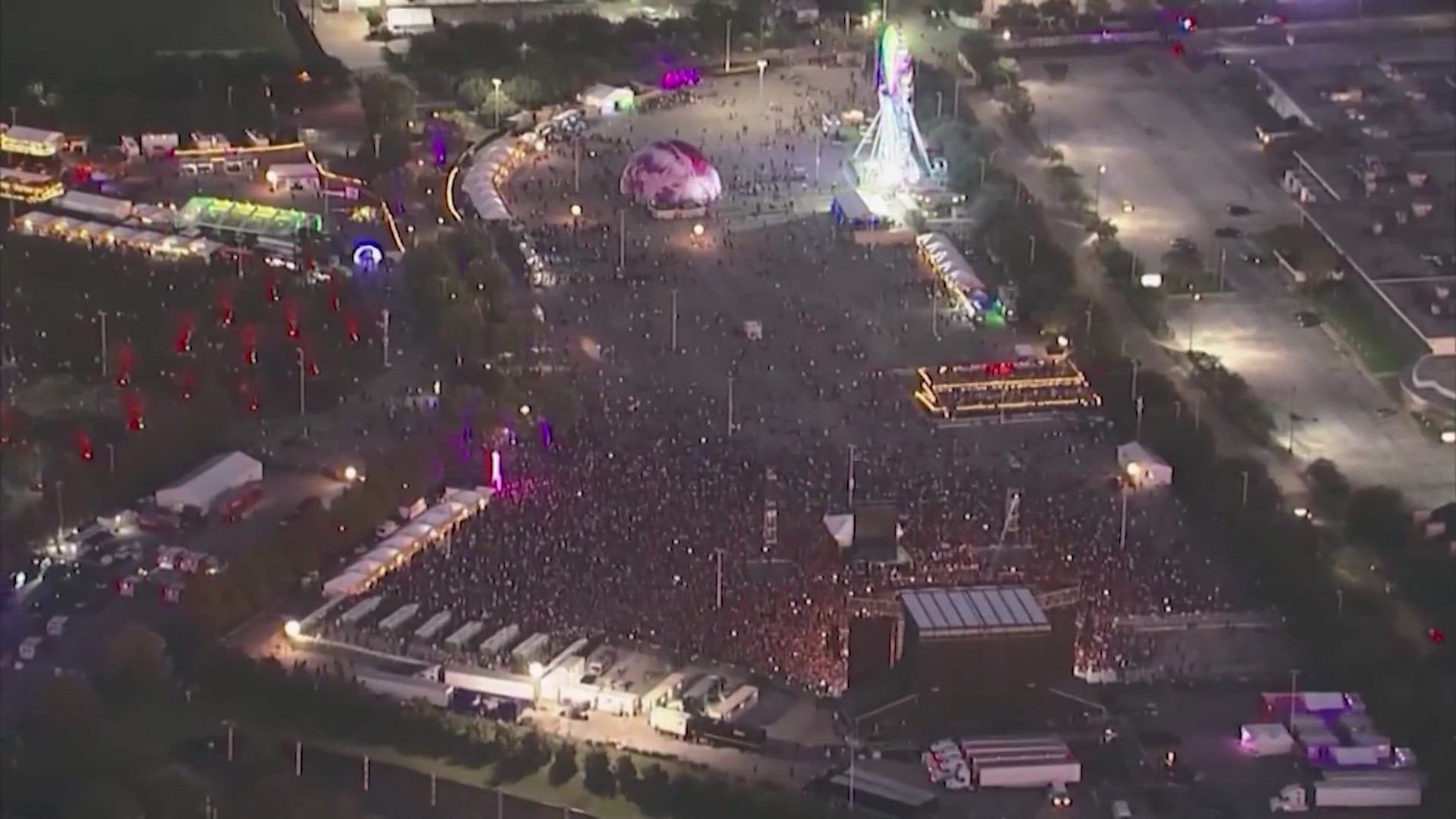
The Astroworld tragedy of 2021 resulted in a massive, complex multidistrict litigation (MDL) involving thousands of plaintiffs against Travis Scott, Live Nation, and various event organizers. By 2024, the vast majority of these civil lawsuits reached confidential settlements, effectively resolving the primary litigation phase and allowing for the finalization of claims related to the injuries and fatalities sustained during the festival.
Contextualizing the Astroworld Litigation
The Astroworld Festival, held on November 5, 2021, at NRG Park in Houston, Texas, remains one of the most significant mass-casualty incidents in modern concert history. The crowd crush resulted in ten deaths and hundreds of injuries. Following the event, attorneys filed nearly 400 separate lawsuits, which were consolidated into a single multidistrict litigation to streamline the discovery process and pre-trial motions.
The primary legal objective was to determine liability for the planning, security, and medical response protocols. Because the incident involved a intersection of commercial liability, premises liability, and professional negligence, the resulting legal framework became a landmark case for event management and crowd safety standards in the United States.
The Status of Settlements in 2024
By the start of 2024, the legal landscape had shifted from active discovery to private resolution. The defendants, including Scott, Live Nation, Apple (which live-streamed the event), and various security and venue contractors, pursued a strategy of individual confidential settlements.
The rationale for this approach was twofold: it allowed for the swift compensation of victims without the unpredictability of a multi-year jury trial and minimized the reputational damage associated with a long-running public legal battle. While specific financial terms remained sealed under court-approved confidentiality agreements, the resolution process involved meticulous verification of injuries and losses for each claimant.
Why Settlements Became the Preferred Path
In civil litigation involving large-scale disasters, trials are fraught with risk for both sides. For plaintiffs, proving individual damages against a web of corporate entities is time-consuming and emotionally taxing. For the defendants, a jury trial presents the risk of massive punitive damages, which are intended to punish gross negligence rather than simply compensate for actual harm.
By 2024, the courts had largely cleared the docket of these cases. Plaintiffs who accepted these terms waived their right to further litigation, effectively closing the chapter on their specific claims. For those few remaining disputes, mediation served as the primary mechanism for concluding the legal proceedings.
Key Legal Developments and Institutional Impacts
While the 2024 updates focused on the closure of the litigation, the aftermath of the lawsuit has fundamentally altered the event industry. The legal scrutiny applied to the 2021 event forced a re-evaluation of how large-scale concerts are managed.
The Standard of Care in Event Management
Legal experts and safety consultants have pointed to the Astroworld litigation as a catalyst for a "safety-first" paradigm shift. New insurance requirements and security protocols for major festivals now explicitly reference the failures identified during the discovery process of the lawsuits. These include:
- Crowd Density Monitoring: Real-time technology to identify overcrowding before a crush becomes dangerous.
- Stop-Work Authority: Clear, unambiguous contractual language that empowers security and medical personnel to stop a performance, overriding artist or production desires.
- Communication Silos: Addressing the breakdown in radio communication between the artist's production team and onsite police/medical staff.
Comparison of Legal Liability Factors
To understand why the litigation took the path it did, it is helpful to categorize the areas of contention that dominated the discovery phase.
| Liability Area | Primary Focus | Defendant Response |
|---|---|---|
| Crowd Control | Barricade design and venue capacity. | Compliance with local permits and fire codes. |
| Security Training | Effectiveness of contracted guard firms. | Allegations of inadequate staffing and poor training. |
| Artist Responsibility | Perceived encouragement of crowd surges. | Claiming reliance on professional safety experts. |
| Venue Safety | Ingress and egress routes for emergency vehicles. | Claims that the venue was fit for the planned capacity. |
Addressing Unresolved and Lingering Legal Issues
Although the civil suits have reached a resolution, the legal legacy persists through ongoing administrative and regulatory inquiries. Furthermore, the criminal side of the proceedings concluded earlier, with a grand jury declining to indict Travis Scott or other event organizers on criminal charges. This distinction is critical: the failure to find criminal liability does not exonerate parties from civil liability, which operates on a lower burden of proof (preponderance of the evidence) compared to the criminal standard (beyond a reasonable doubt).
The Role of Professional Indemnity
A significant portion of the settlements was facilitated through high-level professional indemnity insurance. In 2024, the industry saw an increase in premium costs for major event insurance, as underwriters factored in the potential for "black swan" crowd crush events. This has forced organizers to demonstrate, with higher scrutiny, their compliance with revised safety standards before insurance is granted.
Frequently Asked Questions
Did the Astroworld litigation result in a public trial?
No. The vast majority of the lawsuits were resolved through confidential out-of-court settlements. This prevented the airing of internal corporate documents and specific evidence in a public forum, which is common in high-stakes civil litigation to protect the privacy of the victims and the proprietary business interests of the defendants.
Are there any remaining lawsuits?
As of 2026, looking back at the 2024 landscape, the overwhelming majority of cases were settled. A minute fraction of claims that did not qualify for or accept settlement terms were either dismissed by the court for lack of evidence or settled via final mediation. There is no active, large-scale consolidated trial ongoing.
How were settlement amounts determined?
Settlements are generally calculated based on the severity of the injury, the economic loss (including medical bills and lost wages), and the emotional trauma suffered by the plaintiff. In mass tort scenarios, a matrix is often established to ensure equitable distribution among claimants with similar injury profiles.
Was Travis Scott held liable?
Travis Scott was a primary defendant in the civil lawsuits. However, the settlements reached did not involve an admission of liability. In the criminal justice system, a Harris County grand jury reviewed the case in 2023 and chose not to bring criminal charges, meaning he was not held criminally liable for the events of that night.
What should victims do if they were involved but never filed a claim?
In most jurisdictions, the statute of limitations for personal injury claims expires after a certain period. Given that the event occurred in 2021, the window for initiating new legal action has almost certainly closed in Texas. Anyone who believes they still have a viable claim should consult with a personal injury attorney immediately to determine if any legal exceptions exist in their specific circumstances.
How has this changed concert safety for fans?
Fans may notice more stringent bag checks, increased visible security presence, and more robust "stop-show" protocols. These measures were refined through the legal pressure applied by the litigation, which essentially forced promoters to invest in safety features that were previously deemed optional or unnecessary.
Next Steps for Stakeholders
For those who were involved in the litigation, the primary focus is now the management of settlement distributions and the tax implications of those funds. It is recommended that individuals who received significant settlements consult with a qualified financial advisor to ensure that lump-sum payments are managed in a way that provides long-term financial security.
For industry professionals, the Astroworld case serves as a permanent reference point for "duty of care." The most effective way to honor the resolution of these lawsuits is to prioritize the implementation of advanced crowd management software and the rigorous training of personnel to ensure that the logistical failures of 2021 are never repeated.