Establishing an art artist name as a reference entry involves formalizing an artist's identity within an academic or professional database, such as the Union List of Artist Names (ULAN) or a library catalog. This process requires standardizing the name, identifying unique identifiers (like ORCID or ISNI), and providing verifiable biographical data to ensure accurate attribution and discoverability in scholarly research.
Defining the Purpose of a Reference Entry
In the context of art history, library science, and digital archives, a reference entry is more than a simple biography. It is a controlled authority record designed to distinguish one artist from another who may share the same name. Without a rigorous reference entry, professional databases suffer from data fragmentation—where works by multiple artists are erroneously attributed to one individual—or data siloing, where one artist’s body of work is split across several different name variants.
For an artist, being included in a formal reference entry serves as a form of institutional validation. It ensures that researchers, auction houses, and curators can correctly track the provenance and bibliography of their work. A high-quality entry links the artist to their specific movement, nationality, and chronological activity, providing the metadata necessary for automated systems and scholars to interact with the artist’s record reliably.
Essential Components of an Artist Reference Record
When preparing an artist name for a reference entry, the record must adhere to international standards for archival and biographical information. The following data points are considered mandatory for a robust entry:
- Primary Authorized Name: The name under which the artist is most commonly known or officially documented.
- Variant Names: Pseudonyms, maiden names, translated name variants, or nicknames that may have been used in historical documents or early exhibition catalogs.
- Dates of Activity: Birth and death dates are critical. If these are unknown, providing a "flourished" (fl.) date range is standard practice in art historical documentation.
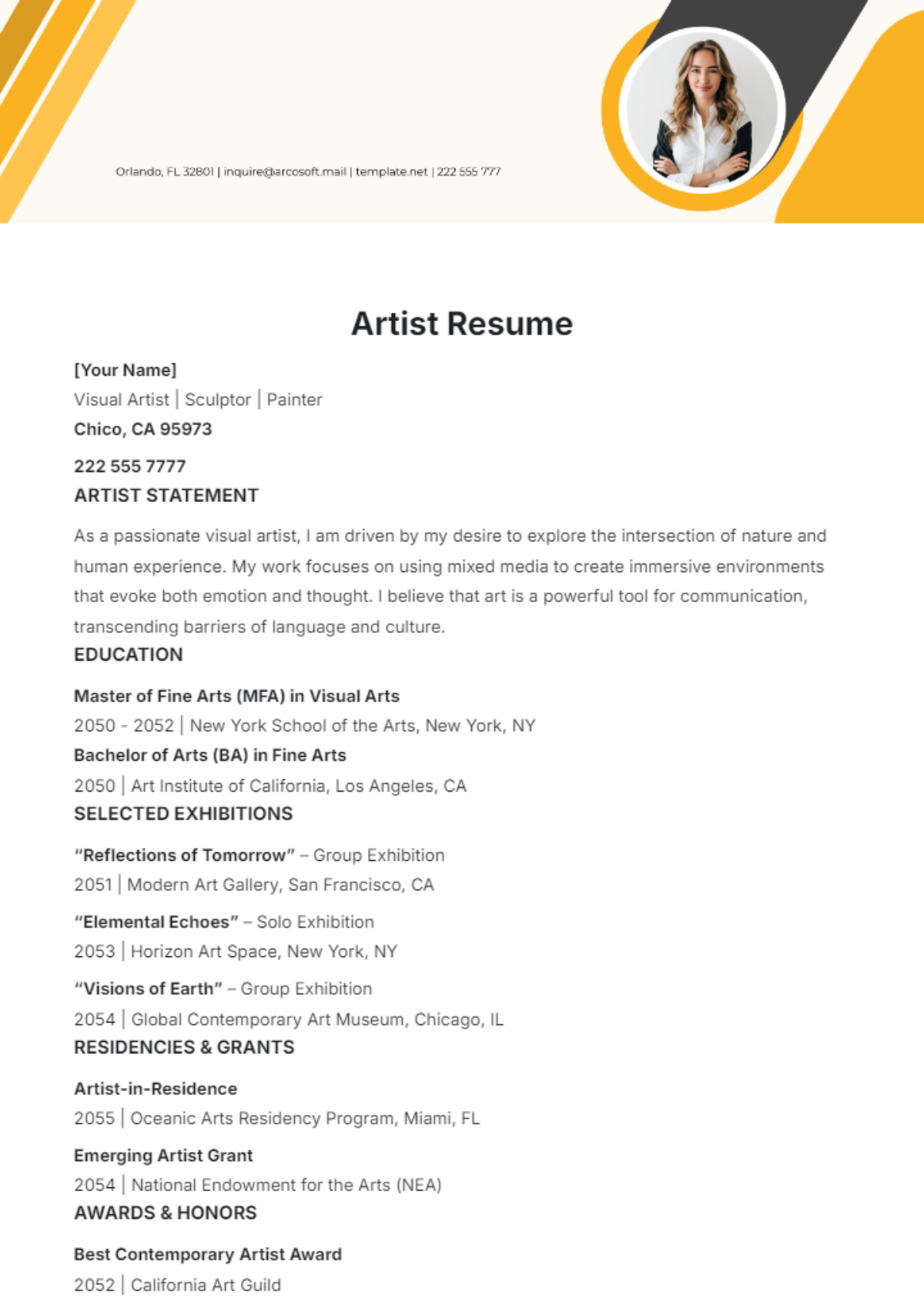
- Biographical Sketch: A concise, neutral summary of the artist's life, including education, major influences, and significant artistic contributions.
- Unique Identifiers: Modern reference entries increasingly incorporate persistent identifiers, such as an International Standard Name Identifier (ISNI) or an ORCID, which provide a permanent digital link that remains stable even if the artist’s name changes or is updated.
Choosing the Correct Database and Authority
Not all reference entries are created equal, and the value of an entry depends heavily on the prestige and verification standards of the organization hosting it. Before attempting to submit a name, verify which authority is the most appropriate for the artist’s niche.
| Authority Type | Primary Function | Ideal For |
|---|---|---|
| ULAN (Getty) | Structured vocabulary of artist names | Academic research and museum documentation |
| Library of Congress (LCNAF) | Name authority files for global libraries | Bibliographical tracking and archival indexing |
| ISNI | Global identifier for public identities | Cross-industry copyright and data management |
| DNB (Integrated Authority File) | German-language cultural and research metadata | European art historical context |
The selection of a database should align with where the artist’s work is primarily cited. For instance, if an artist’s work is held in a major museum collection, the Getty’s Union List of Artist Names (ULAN) is often the gold standard for institutional interoperability.
The Verification Process and Submission Requirements
Achieving a listing in an established reference database is not a casual task; it is a verification process that requires supporting evidence. Most major authority bodies do not accept user-generated content from the artists themselves due to conflict-of-interest policies. Instead, they rely on "proof of record" submitted by institutional representatives or established catalogers.
To move toward an entry, one must gather documentation that proves the artist’s professional standing. This includes:
- Exhibition History: Published catalogs from recognized galleries or museums.
- Bibliography: Mentions in peer-reviewed art journals, reputable newspapers, or books published by established presses.
- Collection Status: Evidence that the artist’s work is included in an institutional or public collection.
Once these materials are collated, the submission follows a structured review. Librarians and data curators check these sources against existing entries to determine if a new record is needed or if the documentation should be merged into an existing, incomplete record.
Common Pitfalls and Troubleshooting
A primary issue in creating an artist reference entry is the "homonym problem." Many artists share common names, making it difficult to isolate the correct identity in search results. When a reference entry is poorly maintained, the "disambiguation" process becomes a burden for researchers.
If you find that an artist's name is being conflated with another's in a public catalog, you should not attempt to edit it through informal channels. Instead, contact the institution's registrar or the library's metadata librarian directly. Provide clear evidence—such as a birth certificate, an artist statement cross-referenced with dated exhibition catalogs, or a CV—to help them perform a formal "split" of the authority record.
Another common mistake is the failure to include non-Latin script variations for international artists. If an artist produces work in a region where a different script is used, the reference entry is effectively invisible to international scholars unless the metadata includes both the original script and the Romanized transliteration.
Maintaining the Integrity of the Entry
In 2026, the landscape of digital archives is moving toward "Linked Open Data." This means that an artist’s reference entry is likely being pulled into dozens of other websites, such as Wikidata or aggregator platforms like Europeana. Because of this, it is essential that the primary reference entry remains as accurate as possible.
If the artist changes their professional name or adopts a new medium that requires a different cataloging approach, the original record must be updated at the source. Once the source record (the "authority") is updated, the changes will eventually propagate across the linked network. This is why it is vital to secure a permanent URI (Uniform Resource Identifier) for the artist's entry—a link that does not change over time.
Related Questions
1. Can an artist create their own Wikipedia entry to act as a reference? While a Wikipedia page can provide visibility, it is not an "authority record" in the academic or museum sense. Museums and libraries do not use Wikipedia as a primary source for authority control. You should focus on contributing to established academic databases like ULAN or the Library of Congress.
2. What should I do if an artist has multiple versions of their name? In a formal reference entry, one name is designated as the "preferred" term, and all others are listed as "non-preferred" or "variant" terms. These variants are cross-linked in the database so that searching for any of the names will direct the user to the single, primary authority record.
3. Is there a cost to register an artist name in a reference database? Most reputable academic and library authority databases are free to use and do not charge for the creation of an entry. Any organization asking for a fee to "register" an artist name for a "reference entry" is likely a commercial directory, which does not hold the same academic weight as institutional authority files.
4. How does an artist’s reference entry affect copyright? The entry itself does not grant or remove copyright, but it provides a clear historical trail of the creator. By establishing a professional reference entry, it becomes easier for copyright administrators to link the artist to their works, which is particularly important for estate management and posthumous copyright renewals.
5. How long does it take for a new entry to appear? Verification processes at major institutions can be lengthy, often taking several months. Because these records are meant to last for decades, the vetting process prioritizes accuracy over speed. Do not expect instant updates.
Final Next Action
To begin the process of establishing a professional reference entry, start by searching the Getty Research Institute's ULAN search portal. Search for the artist’s name exactly as it appears on their most recent exhibition catalogs. If no record exists, identify an institution or curator who holds the artist’s work in their collection and inquire about their process for contributing to national or international name authority files. If a record already exists but is incomplete, collect high-quality digital copies of primary source material—such as dated exhibition catalogs—and contact the database’s editorial team to propose a correction or expansion of the existing entry.