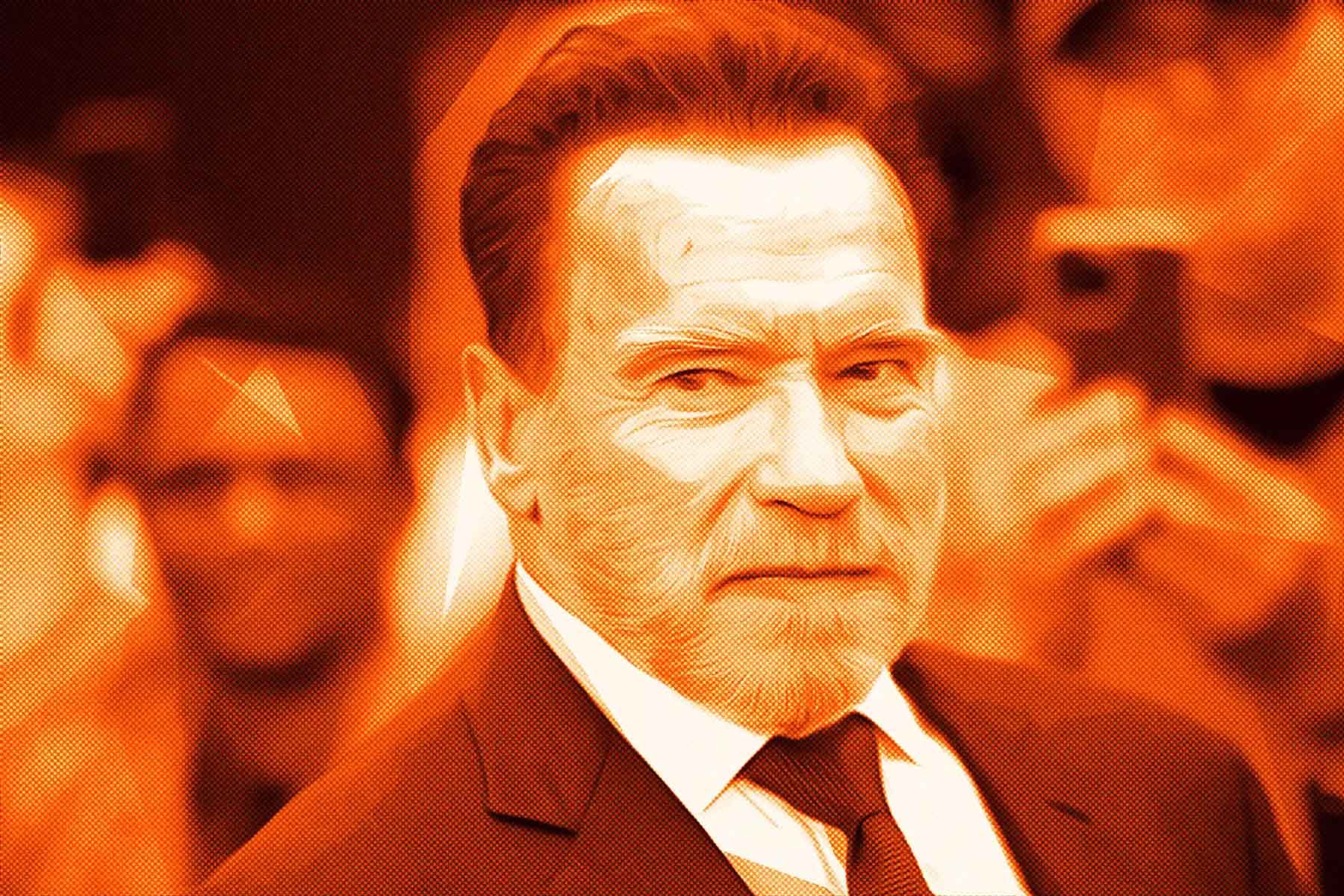
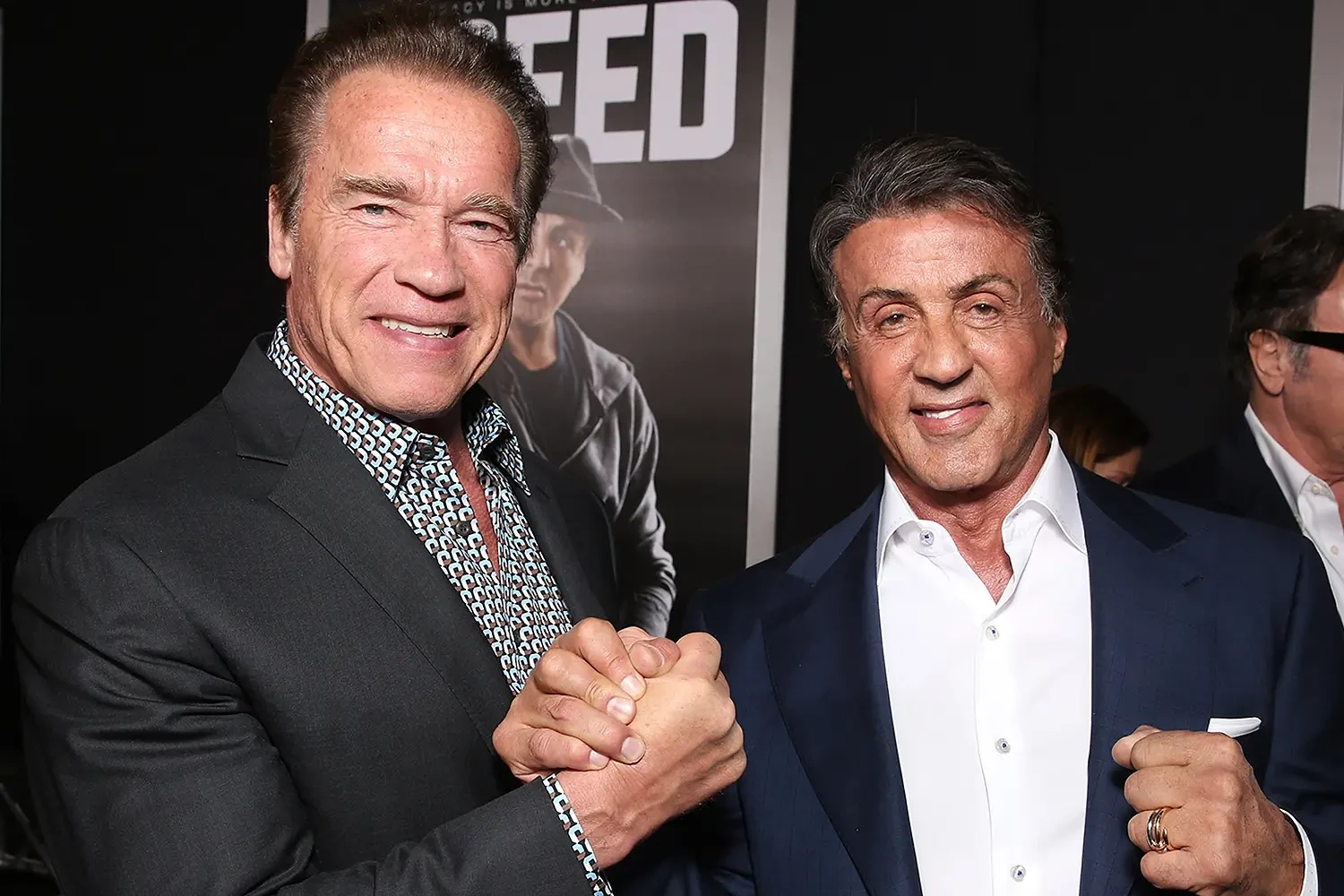
As of 2026, Arnold Schwarzenegger’s status as a billionaire is officially confirmed, with his net worth holding steady at approximately $1 billion. This financial milestone, first verified by major wealth-tracking publications like Forbes in 2024, is the culmination of a six-decade career spanning professional bodybuilding, record-breaking Hollywood contracts, strategic real estate acquisitions, and early-stage venture capital investments.
Unlike many celebrities who rely on high salaries to maintain their lifestyle, Schwarzenegger’s billionaire status is rooted in a "business-first" philosophy that predates his acting career. His wealth is not merely a collection of movie residuals; it is a sophisticated portfolio managed with the discipline of a professional athlete and the foresight of a seasoned venture capitalist. To understand how the "Austrian Oak" achieved this rare financial feat, one must look beyond the box office and into the mechanics of his investment strategies.
The Foundation: Real Estate Before Fame
A common misconception is that Arnold Schwarzenegger became wealthy through his acting roles in the 1980s. In reality, he was a millionaire before he ever landed a leading role in a major motion picture. Upon moving to the United States, Schwarzenegger applied the same discipline he used in the gym to the Los Angeles real estate market.
In the 1970s, using his savings from bodybuilding competitions and a small bricklaying business he started with fellow bodybuilder Franco Columbu, Schwarzenegger began purchasing apartment buildings in Santa Monica and West Los Angeles. His first major investment was a six-unit apartment building, which he quickly leveraged to purchase a 12-unit building, and then a 36-unit complex.
The 1031 Exchange Strategy
Schwarzenegger utilized a tax-deferral strategy known as the 1031 Exchange, which allows an investor to sell a property and reinvest the proceeds into a "like-kind" property while deferring capital gains taxes. By continuously "trading up" into larger residential and eventually commercial properties, he grew his equity exponentially without the immediate friction of heavy taxation. This real estate foundation provided the "passive" income that allowed him to be selective with his film roles, ensuring he never had to take a job out of financial desperation.
The Hollywood Economics of "Participation" Deals
While his real estate provided stability, Hollywood provided the massive capital injections required to reach the billionaire bracket. However, Schwarzenegger’s wealth didn’t come from flat salaries alone; it came from his mastery of "backend participation" or "points."
The "Twins" Masterstroke (1988)
One of the most famous deals in Hollywood history occurred when Schwarzenegger teamed up with Danny DeVito and director Ivan Reitman for the comedy Twins. Schwarzenegger was so confident in the film's success—and so eager to prove he could do comedy—that he agreed to take zero salary in exchange for a massive percentage of the film’s ownership (roughly 13.3% to 20% depending on the source).
The film was a global smash, and because Schwarzenegger owned a piece of the "negative" (the film itself) as well as the ancillary rights (VHS, TV licensing, and sequels), he reportedly earned more than $35 million from that single movie. Adjusted for inflation, this remains one of the highest single-paydays for an actor in history.
The Terminator 3 Record (2003)
By the time Terminator 3: Rise of the Machines was in development, Schwarzenegger’s leverage was absolute. His contract for the film is often studied in entertainment law for its "Pay-or-Play" clause. He was guaranteed $29.25 million regardless of whether the movie was actually made, plus a 20% share of the gross receipts. He even negotiated a $1.6 million per week "overage" fee if the production ran long. These types of contracts ensured that his wealth grew even during periods when he was not actively filming.
Diversification Through Main Street Advisors
A significant portion of Schwarzenegger's billionaire valuation comes from his partnership with Main Street Advisors, led by Paul Wachter. This firm helped Schwarzenegger navigate the world of private equity and venture capital, moving him away from the "celebrity spokesperson" model and toward the "celebrity owner" model.
Early Tech and Consumer Goods
Through his investment vehicles, Schwarzenegger was an early investor in companies that have since become global behemoths. His portfolio has historically included:
- Google: He was an early-stage investor before the company’s IPO in 2004.
- Starbucks: He held significant positions in the coffee giant during its massive global expansion phase.
- Beyond Meat: Schwarzenegger participated in the plant-based meat company's growth, aligning with his later-life focus on environmentalism and health.
- Dimensional Fund Advisors: His stake in this investment firm is often cited as one of the largest single components of his non-real-estate wealth.
The Arnold Classic and Fitness Empire
Beyond the screen and the stock market, Schwarzenegger owns the Arnold Sports Festival, which includes the Arnold Classic. What started as a single bodybuilding competition in Columbus, Ohio, has expanded into a multi-continent franchise including events in Europe, South America, Africa, and Australia.
This "fitness ecosystem" generates revenue through:
- Sponsorships: Major supplement, apparel, and gym equipment brands pay millions for presence at these events.
- Ticketing and PPV: The festivals attract hundreds of thousands of attendees annually.
- Media Rights: Licensing the competitions to various sports networks and streaming platforms.
This empire serves as a perpetual marketing machine for his other ventures, including his newsletter "The Pump Daily" and his supplement partnerships, ensuring that his brand remains relevant to new generations of fitness enthusiasts.
Asset Allocation and Estimated Valuation
To understand the scale of his wealth in 2026, it is helpful to look at the estimated distribution of his assets. While private holdings are difficult to pinpoint exactly, financial analysts typically break down his $1 billion valuation as follows:
| Asset Category | Estimated Value (2026) | Primary Components |
|---|---|---|
| Real Estate | $300M - $400M | Commercial properties in CA, Oak Productions offices, residential holdings. |
| Private Equity & Stocks | $350M - $450M | Dimensional Fund Advisors stake, Google, Starbucks, various tech startups. |
| Entertainment Assets | $150M - $200M | Rights to the "Arnold Classic," residuals from 50+ films, production company assets. |
| Cash & Personal Assets | $50M - $100M | Art collection (including Wyeths), car collection, and liquid holdings. |
Note: These figures reflect gross estimated values before factoring in personal debt or tax liabilities, which are believed to be minimal given his long-term "buy and hold" strategy.
The Impact of the Shriver Divorce
It is important to note that Schwarzenegger achieved billionaire status despite a high-profile divorce from Maria Shriver, which was finalized in 2021. Because the couple did not have a prenuptial agreement, California law mandated a 50/50 split of all assets acquired during their 25-year marriage.
The fact that Schwarzenegger’s net worth surpassed the billion-dollar mark after this massive split speaks to the aggressive growth of his investment portfolio in the late 2010s and early 2020s. The surge in California real estate values and the bull market of the early 2020s helped him recoup the assets liquidated or transferred during the settlement.
Common Pitfalls and Misconceptions
When discussing Schwarzenegger's wealth, many observers focus on his "extravagant" lifestyle, such as his collection of Hummers or his private jet. However, from a technical SEO and financial analysis perspective, these are negligible compared to his income-producing assets.
Misconception: He made his money as Governor. Actually, Schwarzenegger famously refused his $175,000 annual salary as Governor of California, calling it "petty cash." During his time in office (2003–2011), he actually lost money in terms of "opportunity cost," as he could not film movies or actively manage new business deals. His wealth grew during this time primarily through the appreciation of his existing real estate and blind trusts.
Misconception: He is just a "lucky" investor. Schwarzenegger’s success is attributed to his "Master Plan" philosophy. He famously studied business and marketing at the University of Wisconsin-Superior (graduating in 1979) specifically to ensure he wouldn't be "cheated" by Hollywood agents. His billionaire status is the result of formal education combined with high-level mentorship from figures like Warren Buffett.
Frequently Asked Questions
Did Arnold Schwarzenegger make a billion dollars from movies alone?
No. While his total career film earnings (salaries and backend) are estimated to be over $500 million, taxes, agent fees, and lifestyle costs would have prevented him from reaching billionaire status on acting alone. His wealth is a "three-legged stool" of acting, real estate, and private equity investments.
What was Arnold's most profitable investment?
While the Twins deal is his most famous entertainment win, his stake in Dimensional Fund Advisors (DFA) and early Google stock are widely considered his most profitable financial moves. These investments provided the exponential growth required to move from the hundreds of millions into the billionaire category.
Does he still own the rights to the Terminator franchise?
No. The rights to the Terminator franchise have famously changed hands many times (passing through Hemdale, Carolco, Pacificorp, and eventually Skydance). Schwarzenegger was an employee/star for these films, though his later contracts included significant percentages of the profits.
How did the 2024 Forbes verification change things?
Before 2024, Schwarzenegger was often listed in the $400M–$700M range. The 2024 verification was significant because it finally accounted for the full scale of his private equity holdings and the current market value of his commercial real estate portfolio, which had been undervalued in previous "celebrity net worth" estimates.
Is he the wealthiest actor in the world?
As of 2026, he is among the top tier, alongside figures like Jerry Seinfeld, Tyler Perry, and Dwayne "The Rock" Johnson. While some stars may have higher "peak" annual earnings, Schwarzenegger’s long-term asset appreciation makes him one of the few verified billionaires in the industry.
Final Guidance for Financial Observers
To replicate or understand the "Schwarzenegger Model," one must focus on diversification and ownership. Arnold’s path to a $1 billion net worth was not built on a single lucky break, but on the strategic use of fame to gain access to high-level investment opportunities.
If you are tracking the wealth of high-net-worth individuals, the key takeaway from Schwarzenegger's status is the power of reinvesting active income into passive assets. He used his movie salaries to buy "boring" assets like office buildings and index-fund-management firms, which eventually outpaced his Hollywood earnings. For those looking to analyze celebrity wealth, Schwarzenegger remains the gold standard for transitioning from a "talent-for-hire" to a "global conglomerate."