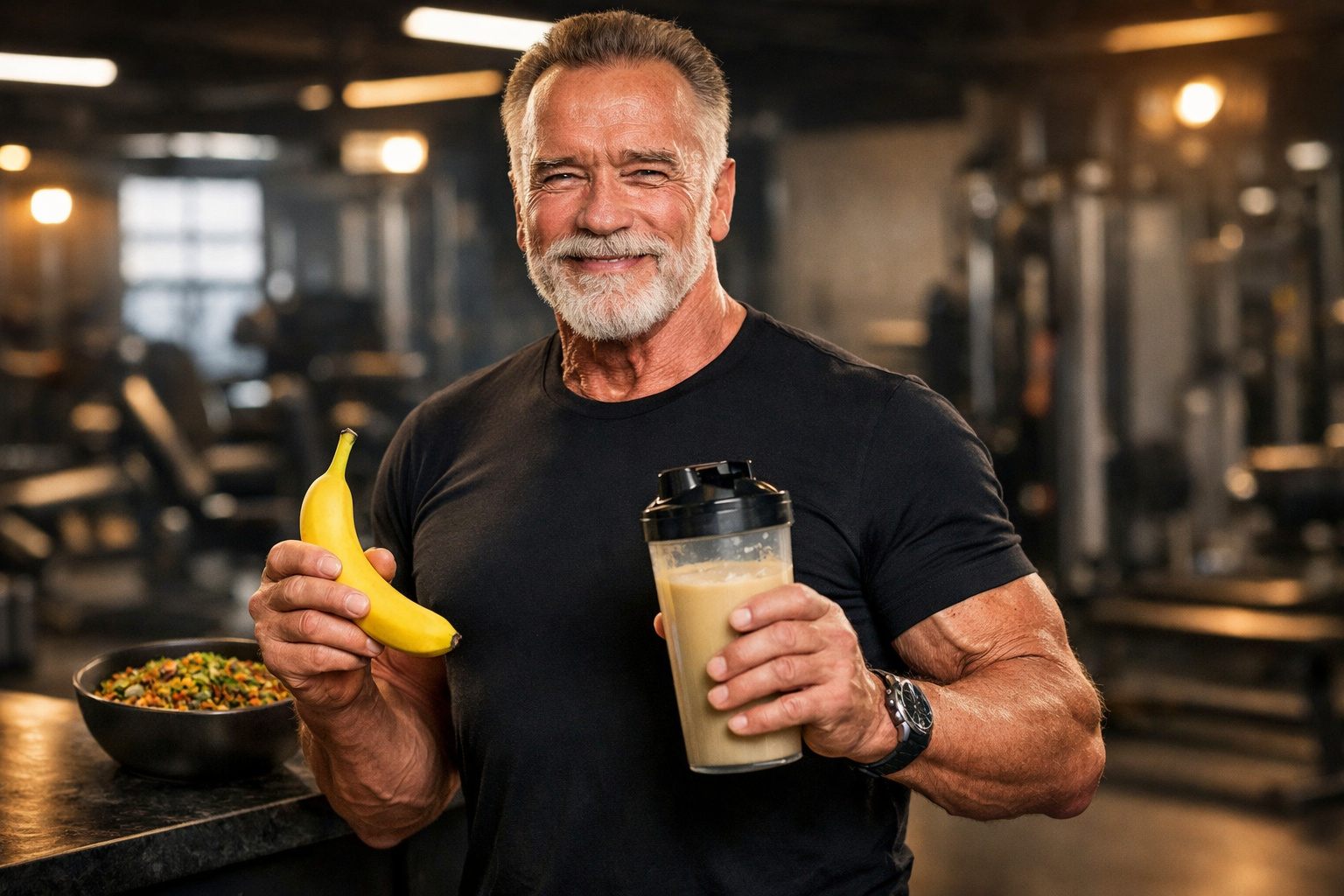
Arnold Schwarzenegger’s bodybuilding diet was built on a foundation of high protein intake, frequent whole-food meals, and a focus on nutrient density to support massive muscle growth and recovery. By consuming five to six meals daily and prioritizing roughly one gram of protein per pound of body weight, Schwarzenegger maintained the metabolic momentum necessary to fuel his legendary twice-a-day training sessions. This approach emphasized quality animal proteins, complex carbohydrates, and strategic supplementation to build the most iconic physique in the history of the sport.
The Core Principles of Arnold’s Nutritional Philosophy
Arnold Schwarzenegger did not rely on the complex macronutrient tracking apps or digital scales common in 2026. Instead, his approach was rooted in high-volume nutrition that mirrored his high-volume training. To understand the "Arnold Diet," one must first recognize that it was not a static plan but a fluctuating strategy that scaled based on his proximity to a competition.
High Frequency and Metabolic Fire
One of the most critical aspects of Schwarzenegger's diet was the frequency of consumption. He famously argued that the body functions like a furnace; to keep the fire burning, you must feed it small amounts of fuel constantly. Eating five to six times a day ensured a steady stream of amino acids reached his muscle tissues, preventing catabolism (muscle breakdown) during his grueling four-hour daily workouts. In an era before the widespread availability of modern "intra-workout" supplements, this constant feeding was the primary defense against overtraining.
The 1-Gram Rule
Schwarzenegger adhered to the golden rule of bodybuilding nutrition: consuming at least one gram of protein per pound of body weight. For Arnold, who often competed at a stage weight of 235 pounds and bulked up to 250–260 pounds in the off-season, this meant consuming 250 to 300 grams of protein daily. This was not merely a suggestion but a requirement to repair the micro-tears in muscle fibers caused by his high-set, high-rep training style.
Intuitive Eating and Scale Feedback
While he was disciplined, Arnold practiced a form of "intuitive eating" that was guided by the mirror and the scale. If he felt he was losing muscle fullness, he would increase his red meat and carbohydrate intake. If he began to lose the separation in his midsection, he would immediately scale back on dairy and fruit sugars. This feedback loop allowed him to maintain a formidable physique year-round, rather than fluctuating wildly between "fit" and "unfit" states.
Macronutrient Breakdown: Building the Foundation
The composition of Arnold’s diet was relatively simple by modern standards, yet it was highly effective. He focused on high-quality whole foods, avoiding "empty calories" such as refined sugars and processed white flour, which he believed led to lethargy and unwanted fat gain.
Protein: The Essential Building Block
Protein was the centerpiece of every meal. Arnold favored whole food sources over powders whenever possible.
- Whole Eggs: Arnold was a major proponent of eggs, often eating three to four for breakfast. Unlike many modern bodybuilders who only eat egg whites, Arnold frequently ate the whole egg, valuing the fats and vitamins found in the yolk.
- Red Meat: Beef was a staple in the Schwarzenegger household. It provided not only protein but also natural creatine, B vitamins, and zinc, which are essential for testosterone production and strength.
- Poultry and Fish: Chicken and turkey provided leaner protein options, while fish like salmon or tuna offered essential omega-3 fatty acids for joint health and inflammation control.
- Dairy: Cottage cheese and whole milk were common snacks. Arnold often mixed protein powder into milk rather than water to increase the caloric and nutrient density of his shakes.
Carbohydrates: The Fuel for Performance
In the 1970s, carbohydrates were not feared as they often are in modern ketogenic or low-carb circles. Arnold understood that carbohydrates were "protein-sparing," meaning that by consuming enough carbs, his body would use them for energy instead of burning protein for fuel.
- Complex Carbs: Brown rice, baked potatoes, and oatmeal provided sustained energy levels.
- Vegetables: Arnold consumed large quantities of green vegetables, particularly broccoli, asparagus, and salads. These provided the fiber necessary for digestive health and the micronutrients required for metabolic function.
- Fruit: While he kept fruit intake moderate, he often used it as a quick energy source before or after a workout.
Fats: For Hormonal Health
Arnold did not shy away from healthy fats. He understood that fats were necessary for hormone regulation, including the production of testosterone. His fat sources included the natural fats in meats and eggs, as well as nuts, seeds, and avocado. He avoided trans fats and heavily processed vegetable oils, which were becoming more prevalent during his competitive years.
A Typical Day of Eating: A Sample Meal Plan
To visualize how Arnold structured his nutrition, we can look at a representative daily meal plan used during his "mass-building" phase. As of 2026, this remains a standard blueprint for those looking to add significant muscle mass.
| Meal | Typical Contents | Primary Function |
|---|---|---|
| Meal 1: Breakfast | 3-4 whole eggs, 2 slices of Ezekiel or whole-grain bread, 1 cup of oatmeal with fruit. | Recovery from overnight fast; fueling the morning workout. |
| Meal 2: Post-Workout | Protein shake (often mixed with milk), a piece of fruit or a small bowl of rice. | Replenishing glycogen and initiating muscle repair. |
| Meal 3: Lunch | 8-10 oz Grilled steak or chicken, large baked potato, mixed green salad with olive oil. | High-calorie nutrient density for mid-day recovery. |
| Meal 4: Late Afternoon | 1-2 cups of cottage cheese, a handful of walnuts or almonds. | Slow-digesting protein (casein) to sustain the body until dinner. |
| Meal 5: Dinner | 8-10 oz Fish or lean beef, 1 cup brown rice, steamed vegetables (broccoli/asparagus). | Clean fuel for overnight recovery and hormone support. |
| Meal 6: Evening Snack | Small protein shake or a small serving of Greek yogurt. | Preventing catabolism during sleep. |
Off-Season vs. Pre-Contest Adjustments
The "Arnold Schwarzenegger bodybuilding diet" was not a one-size-fits-all plan. It shifted dramatically depending on whether he was trying to pack on size or get "shredded" for the Mr. Olympia stage.
The Off-Season: The Pursuit of Mass
During the off-season, Arnold's goal was to stay in a caloric surplus. He would often consume between 4,000 and 5,000 calories per day. During this time, he was less concerned with strict "cleanliness" and would occasionally enjoy "cheat meals" like cheeseburgers or beer. However, the foundation remained consistent: protein stayed high, and he never allowed his body fat to get so high that he lost the basic outline of his muscularity.
Pre-Contest: The "Cutting" Phase
As a competition approached, Arnold would transition into a "definition" phase. This involved several key changes:
- Lowering Carbohydrates: He would gradually reduce his intake of starches (potatoes and rice) while keeping his vegetable intake high to maintain satiety.
- Increasing Protein: To prevent muscle loss while in a caloric deficit, he would often increase his protein intake even further.
- Eliminating Dairy: Many bodybuilders of the Golden Era, including Arnold, believed that dairy caused the skin to look "thick" or "smooth" due to water retention, so it was often removed 4–6 weeks before a show.
- Increased Training Intensity: He didn't necessarily do more "cardio" in the modern sense; instead, he increased the pace of his weightlifting, reducing rest periods to keep his heart rate elevated and burn more fat.
Supplementation in the Golden Era
While the supplement industry in 2026 is a multi-billion dollar behemoth with thousands of esoteric ingredients, Arnold’s era was far more primitive. He relied on a few core supplements to fill the gaps in his whole-food diet.
- Protein Powder: Early protein powders were often made from milk, soy, or egg. They weren't as filtered or "pure" as modern whey isolates, often containing more fats and carbohydrates.
- Desiccated Liver Tablets: These were a staple in the 70s. They provided a concentrated source of heme iron, B-vitamins, and amino acids. Arnold often took these between meals to keep his nitrogen levels high.
- Multivitamins and Minerals: Arnold recognized that high-intensity training depleted the body's micronutrient stores. He took high-potency vitamins to ensure his metabolism and immune system stayed functional.
- Brewer's Yeast: A common supplement of the time used for its B-vitamin content and potential to help with energy levels.
According to a study published by the National Institutes of Health, high protein intake remains the most significant nutritional factor in muscle hypertrophy, validating the approach Arnold took decades ago.
The Role of Mindset and Consistency
Perhaps the most overlooked component of Arnold's diet was his psychological approach. He viewed food as fuel for a machine. He did not eat for entertainment; he ate to achieve a specific physiological outcome. This level of discipline allowed him to endure the monotony of eating similar meals every day for years.
Arnold also practiced "active visualization" regarding his nutrition. Just as he visualized his biceps growing like mountains during a workout, he visualized the nutrients from his steak and eggs being transported directly into his muscle fibers to repair and expand them. While this may sound metaphysical, it fostered a level of dietary adherence that few could match.
Modern Adaptations for 2026
For a natural lifter or a fitness enthusiast in 2026, following Arnold’s exact diet might be overwhelming due to the sheer volume of food. However, the principles can be adapted:
- Focus on Whole Foods: Prioritize meat, eggs, and vegetables over processed "protein bars" or meal replacements.
- Calculate Your Protein: Aim for 0.8 to 1.2 grams of protein per pound of lean body mass.
- Manage Your Carbs: Use complex carbohydrates around your workout window to fuel performance and recovery, while tapering them off during periods of inactivity.
- Listen to Your Body: Use the mirror and your energy levels, not just a calorie-tracking app, to determine if your diet is working.
Note: Before beginning any high-protein or high-calorie diet, it is advisable to consult with a healthcare professional, especially if you have pre-existing kidney or metabolic conditions.
Frequently Asked Questions
How many calories did Arnold Schwarzenegger eat a day?
During his peak bulking phases, Arnold typically consumed between 4,000 and 5,000 calories daily. This was necessary to fuel his "double-split" training routine, where he worked out for two hours in the morning and two hours in the evening. During his cutting phases for competition, his calories would drop, often into the 2,500–3,000 range.
Did Arnold Schwarzenegger eat cheat meals?
Yes, Arnold was known to enjoy "cheat meals" during the off-season. He famously enjoyed Austrian delicacies, including schnitzel and various desserts, and was known to visit restaurants like "The Firehouse" in Venice Beach for large burgers. However, these were strategic rewards rather than a daily habit, and they were always balanced by his extreme training volume.
Did Arnold really drink raw eggs?
While there is footage of Arnold adding raw eggs to a blender in some vintage clips, he generally preferred his eggs cooked. Raw eggs have a lower bioavailability of protein (roughly 50%) compared to cooked eggs (roughly 90%), and the risk of salmonella was a concern even then. Most of his egg intake came from large, cooked breakfasts.
Was Arnold's diet low-carb or high-carb?
Arnold's diet was moderate-to-high carbohydrate for most of the year. He believed carbs were essential for the "pump" and for having enough energy to complete his high-volume workouts. He only switched to a lower-carb approach in the final weeks leading up to a competition to strip away body fat and achieve a harder, more defined look.
How much water did Arnold drink?
Hydration was a key part of Arnold's routine. He understood that muscles are mostly water and that dehydration leads to a loss of strength and muscle fullness. While specific gallon amounts weren't often recorded, he was known to carry water with him constantly and prioritized staying hydrated throughout his double-split sessions.
Moving Forward: Implementing the Arnold Approach
To implement the "Arnold Schwarzenegger bodybuilding diet," start by simplifying your plate. Focus on high-quality animal protein at every meal, accompanied by a portion of complex carbohydrates and a generous serving of green vegetables. Consistency is more important than perfection; the goal is to create a sustainable environment for muscle growth by never missing a meal and ensuring your body always has the raw materials it needs to recover. Start by establishing your protein baseline, then adjust your carbohydrates and fats based on your specific energy needs and body composition goals.