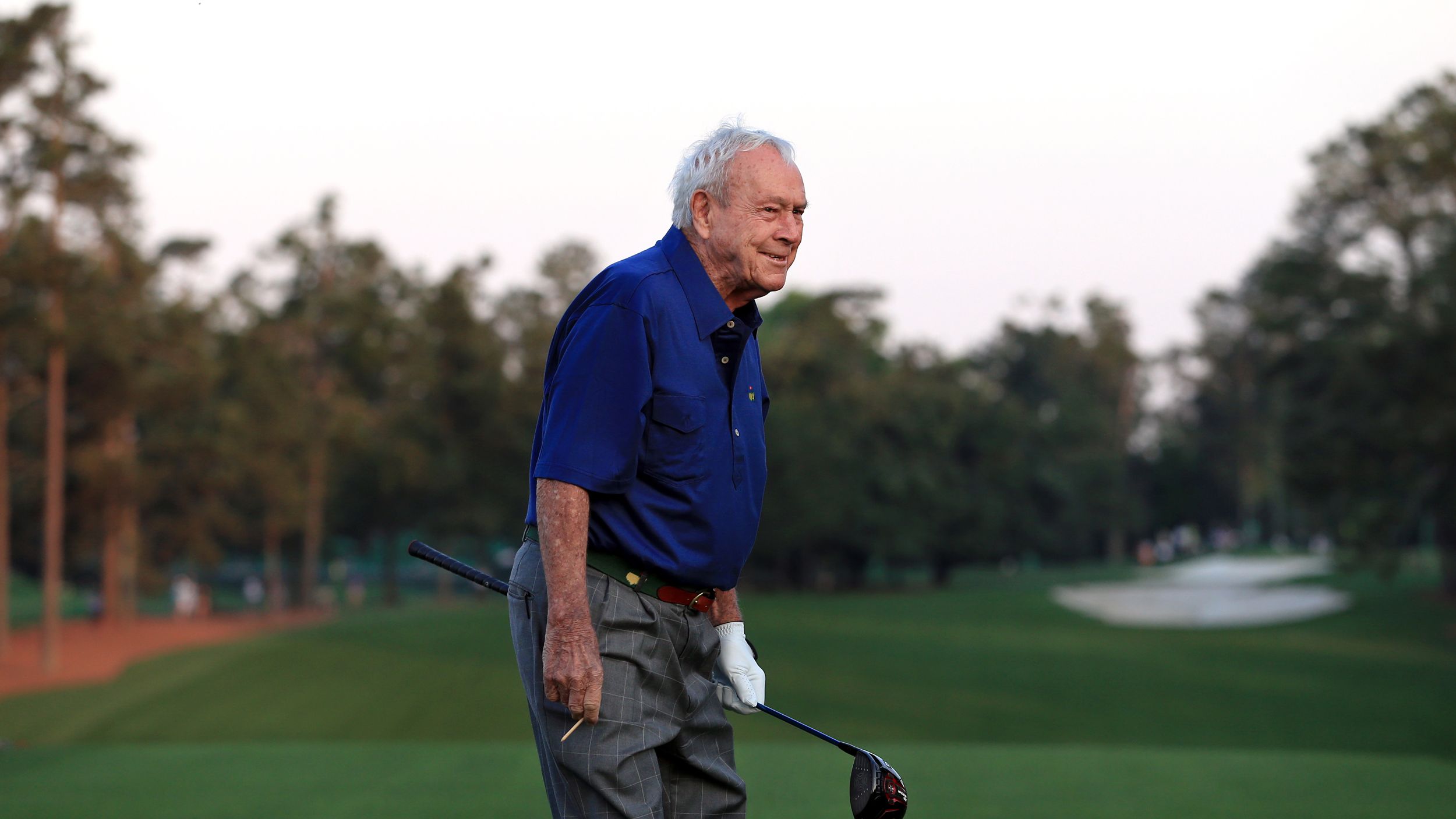
As of 2026, the late Arnold Palmer’s estate is valued at approximately $700 million, sustained by the enduring global success of his licensing and beverage empires. In comparison, Jack Nicklaus maintains a net worth estimated at $400 million, primarily driven by his world-renowned golf course design firm and various high-end lifestyle brand endorsements.
The rivalry between Arnold Palmer and Jack Nicklaus is the most significant narrative in the history of professional golf. While their battle for major championships defined the 1960s and 70s, their competition in the boardroom has had an even longer-lasting impact on the sports world. By examining the net worth of these two legends in 2026, we see two distinct models of wealth creation: one built on mass-market brand licensing and the other on technical expertise and luxury architectural services.
The Foundation of Modern Sports Marketing
To understand the massive wealth accumulated by Palmer and Nicklaus, one must look back to the late 1950s. Before Arnold Palmer, professional golfers were essentially traveling athletes who relied almost entirely on tournament prize money. Palmer, alongside his manager Mark McCormack (the founder of IMG), revolutionized this by treating an athlete as a brand.
Palmer’s "King" persona was relatable, charismatic, and perfectly suited for the burgeoning medium of television. He became the first athlete to transcend his sport, signing deals for everything from tractors to motor oil. Jack Nicklaus, appearing shortly after Palmer, followed a similar trajectory but focused more on the "Golden Bear" persona—a symbol of excellence, precision, and longevity. While Nicklaus surpassed Palmer on the leaderboard with 18 major championships to Palmer’s seven, the financial race took a different path.
Arnold Palmer: The Perpetual Revenue Machine
Despite his passing in 2016, Arnold Palmer’s net worth has remained remarkably stable and even grown in certain sectors. As of 2026, his estate continues to rank among the highest-earning deceased celebrities globally. The "Palmer Effect" is rooted in three primary pillars: the beverage industry, apparel licensing in Asia, and his namesake tournament.
The AriZona Beverage Partnership
Perhaps the most famous "exit" for any sports brand is the Arnold Palmer half-tea, half-lemonade drink. In partnership with AriZona Beverages, the drink has become a multi-generational staple. In 2026, the licensing fees from this single product line continue to generate tens of millions of dollars annually for the Palmer estate. Its success lies in its accessibility; unlike high-end golf equipment, a can of Arnold Palmer is a mass-market product available to everyone, ensuring the brand remains visible even to those who have never seen a highlight reel of the 1960 Masters.
Global Licensing and Apparel
In markets like Japan and South Korea, the Arnold Palmer umbrella logo is one of the most recognized fashion symbols. The estate has maintained hundreds of retail outlets across Asia that sell clothing, luggage, and lifestyle accessories. This geographic diversification has protected the estate’s valuation from fluctuations in the American golf market. The 2026 valuation reflects a decade of strategic management by Arnold Palmer Enterprises to pivot the brand toward a "classic lifestyle" identity rather than just a "golf" identity.
Jack Nicklaus: The Architect of Wealth
Jack Nicklaus’s approach to wealth has been more hands-on and technical. While he certainly participated in the endorsement boom, his primary engine of wealth has been Nicklaus Design. As the most successful golf course architect in history, Nicklaus has put his name on over 400 courses in nearly 50 countries.
Nicklaus Design and Global Infrastructure
The business model for Nicklaus Design is highly lucrative. A single design contract for a "Signature" course can command millions of dollars in fees, plus ongoing royalties for use of the Nicklaus name. In 2026, despite a more selective approach to new projects, the firm remains the gold standard for luxury developments. Nicklaus’s net worth is also bolstered by his Nicklaus Companies' expansion into real estate, lifestyle products, and even high-end kitchenware and beverages, though none have reached the ubiquitous status of Palmer’s drink.
Asset Liquidity and Corporate Restructuring
It is important to note that in recent years, Nicklaus has been involved in complex corporate restructuring. Legal disputes over the use of his name and likeness with former business partners have impacted the visible valuation of his personal wealth. However, his diversified portfolio—including the Memorial Tournament and his vast real estate holdings—ensures that his financial standing remains at the pinnacle of the sporting world.
Comparative Wealth Breakdown: 2026 Estimates
The following table compares the key financial metrics and career achievements that contribute to the current net worth of both legends.
| Financial Metric | Arnold Palmer (Estate) | Jack Nicklaus |
|---|---|---|
| Estimated Net Worth (2026) | $700 Million | $400 Million |
| Primary Wealth Source | Licensing & Beverages | Course Design & Real Estate |
| Career Prize Money | ~$1.9 Million | ~$5.7 Million |
| Number of Major Titles | 7 | 18 |
| Global Brand Footprint | Dominant in Mass-Market Retail | Dominant in Luxury Golf Design |
| Key Business Entity | Arnold Palmer Enterprises | Nicklaus Companies |
Why Palmer’s Net Worth Outpaces Nicklaus’s
A common question among golf fans is how Palmer, with fewer major titles and less career prize money, has an estate worth nearly double that of Nicklaus. The answer lies in brand scalability.
- Relatability vs. Excellence: Palmer was the "Everyman." His brand was built on being approachable. This allowed his likeness to be used for mass-market products (drinks, Sears apparel, Hertz rentals). Nicklaus’s brand was built on "The Greatest of All Time" status, which naturally lends itself to higher-end, lower-volume luxury goods.
- Early Entry: Palmer and McCormack were first to the market. By the time Nicklaus was at his peak, Palmer had already secured the most lucrative non-endemic sponsorships that laid the foundation for his compound interest and business growth.
- The Beverage Factor: The AriZona Beverage partnership is a "unicorn" in sports business. Very few athletes have ever successfully created a product that becomes a generic term in the culinary world.
The Role of Philanthropy in Their Legacies
Both men used their wealth to establish significant charitable foundations, which also play a role in their public "brand value." The Arnold & Winnie Palmer Foundation supports children's hospitals and nature conservancy. The Arnold Palmer Hospital for Children in Orlando is one of the premier facilities in the United States.
Similarly, the Nicklaus Children’s Health Care Foundation has raised hundreds of millions of dollars. In 2026, the Nicklaus Children’s Hospital remains a testament to Jack and Barbara Nicklaus’s commitment to using their wealth for social good. While these foundations are non-profit entities, they enhance the longevity and prestige of the family names, which in turn supports the commercial value of their respective companies.
Challenges to Their Financial Legacies in 2026
Neither legacy is without its challenges. For the Palmer estate, the primary hurdle is maintaining relevance among Gen Z and Gen Alpha consumers who never saw Palmer play. The estate has countered this by focusing on the "retro-cool" aesthetic of the 1960s, a strategy that has proven successful in the fashion world.
For Jack Nicklaus, the challenge has been legal and structural. The ongoing evolution of the Nicklaus Companies and the transition of leadership to the next generation—and outside investors—has led to public disputes over the control of the "Golden Bear" trademark. These legal battles can be costly and can temporarily depress the valuation of brand assets.
Frequently Asked Questions
Who was the first billionaire golfer?
While Arnold Palmer and Jack Nicklaus were the pioneers, Tiger Woods was the first professional golfer to reach a net worth of $1 billion. He achieved this through a combination of unprecedented tournament dominance and massive Nike endorsements. Palmer and Nicklaus paved the way for the contracts that made Woods a billionaire.
Does the Arnold Palmer estate still make money from his golf courses?
Yes. Arnold Palmer Design Company continues to operate, though its influence has shifted more toward course renovations and maintaining the legacy of his existing designs. However, this is a smaller portion of the estate's revenue compared to clothing and beverage licensing.
How much did Jack Nicklaus make in his playing career?
Jack Nicklaus earned approximately $5.7 million in official PGA Tour prize money. While this was a record at the time, it is less than what a modern winner of a single "Signature Event" on the PGA Tour might earn in 2026. This highlights how much more important off-course earnings were for his generation.
Who owns the rights to the Arnold Palmer name?
The rights are primarily managed by Arnold Palmer Enterprises, which is overseen by his family and long-time business associates. They work with various partners, such as IMG and AriZona Beverages, to manage specific sectors of the brand.
Is Jack Nicklaus still designing courses in 2026?
While Jack Nicklaus has stepped back from the day-to-day heavy lifting of site visits, Nicklaus Design remains highly active. The firm uses a team of senior designers who adhere to the "Nicklaus standards," and Jack often provides the final sign-off on the "Signature" level projects.
Conclusion: Two Paths to Immortality
The comparison of Arnold Palmer’s net worth versus Jack Nicklaus’s net worth reveals that in the world of sports business, commercial appeal often outweighs athletic statistics. Palmer’s $700 million estate is a tribute to his status as the "King" of the people, while Nicklaus’s $400 million fortune is a tribute to his status as the "Golden Bear" of the industry.
For investors and sports fans alike, the lesson is clear: building a brand that can exist independently of the athlete's physical performance is the key to generational wealth. Whether through a refreshing drink or a masterfully designed landscape, both men successfully turned their 18-hole careers into eternal financial empires.