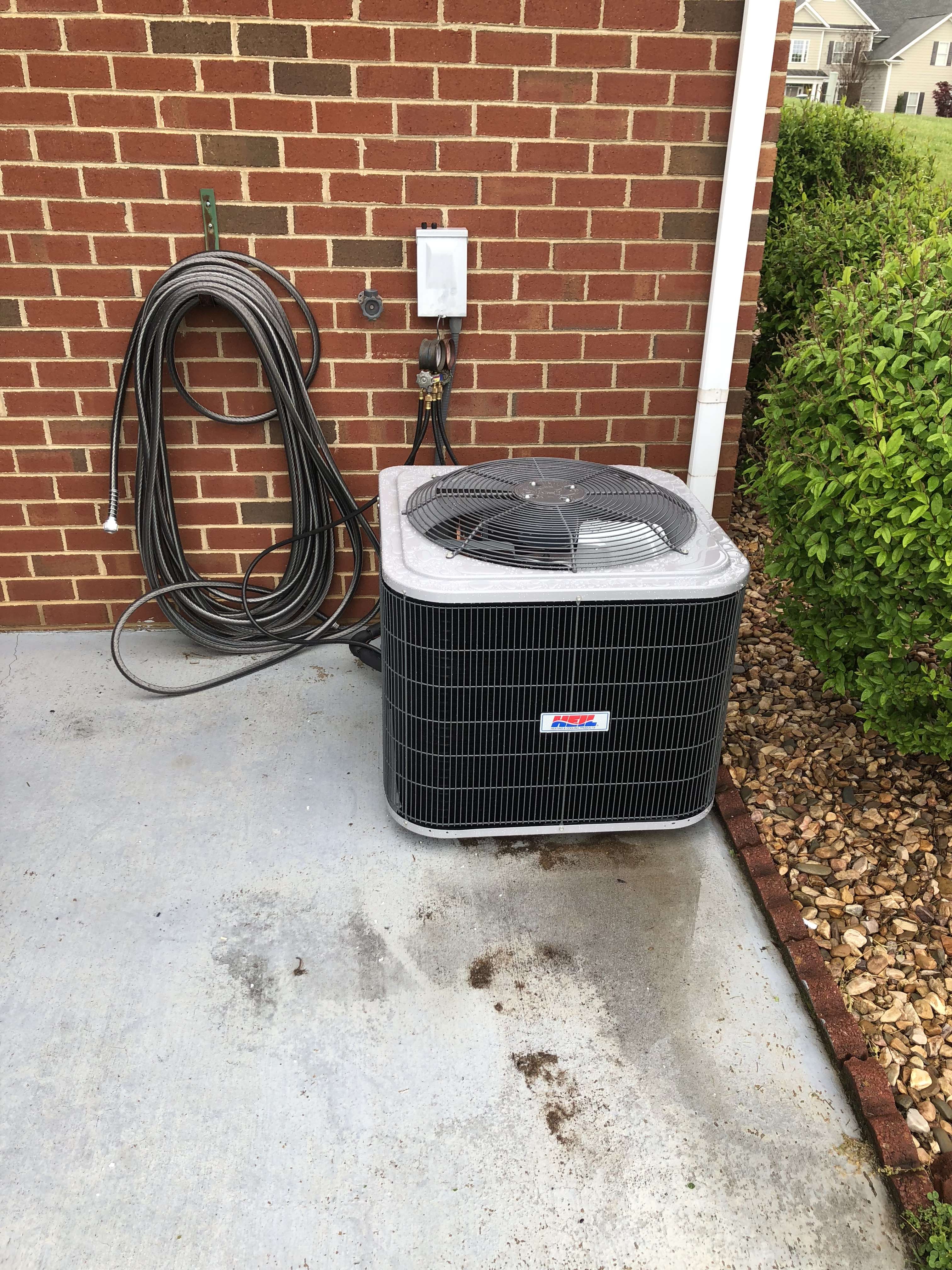
Anytime Heating and Air refers to a professional category of HVAC (Heating, Ventilation, and Air Conditioning) service providers that specialize in round-the-clock emergency repairs, routine maintenance, and system installations for residential and commercial properties. These companies prioritize rapid response times, 24/7 availability, and comprehensive diagnostic capabilities to ensure climate control systems operate efficiently regardless of the season or the time of day.
The Role and Importance of 24/7 HVAC Services
Modern climate control systems are complex electromechanical assemblies that integrate digital thermostats, high-pressure refrigerant lines, combustion chambers, and electronic control boards. Because these systems are essential for maintaining safety and habitability—particularly during extreme cold or heat waves—the ability to access professional support at any hour is a critical service model.
"Anytime" providers fill the gap between scheduled maintenance and catastrophic system failure. When a furnace fails at 2:00 AM in the middle of winter, or an air conditioning unit stops blowing cold air during a record-breaking summer day, the primary objective of these services is to restore the home to a safe temperature range quickly. They are equipped with emergency parts, mobile tracking software to dispatch technicians, and specialized diagnostic tools designed to troubleshoot issues like compressor failure, ignition lockouts, or refrigerant leaks on short notice.
Core Services Provided by Anytime HVAC Contractors
Professional contractors operating under the "anytime" model typically provide a tiered suite of services. Understanding these offerings helps homeowners prioritize when to call for immediate assistance versus when to wait for a scheduled service window.
Emergency Repair Services
This is the hallmark of anytime heating and air providers. Emergency services typically include:
- System Diagnostics: Utilizing manifold gauges, multimeters, and infrared cameras to identify electrical shorts or airflow restrictions.
- Refrigerant Management: Detecting and patching leaks in the copper lines of an A/C unit, followed by professional evacuation and recharging of the system.
- Combustion Safety: Addressing "flame rollout" or ignition failure in gas furnaces, which can pose a carbon monoxide risk.
- Component Replacement: Stocking common parts like capacitors, contactors, fan motors, and igniters in mobile service vehicles for immediate installation.
Preventive Maintenance Programs
While emergency repairs are reactive, preventive maintenance is proactive. By conducting semi-annual check-ups—once before the cooling season and once before the heating season—technicians can identify worn bearings, dirty coils, or frayed belts before they cause a system shutdown. These programs often include cleaning condensate drains, replacing air filters, and calibrating thermostat settings to optimize efficiency.
New System Installation
When a system reaches the end of its typical 15–20 year life cycle, repairs become economically unfeasible. Anytime providers offer consultations to determine the correct size (measured in BTUs for heating and "tons" for cooling) of the new equipment. They ensure that the installation meets current building codes and safety standards, which may include upgrading electrical circuits or gas lines to accommodate high-efficiency units.
Evaluating Professional Standards and Certification
When selecting a heating and air provider, homeowners must verify that the company meets specific technical and legal requirements. An "anytime" service is only valuable if the technicians are qualified to perform the work safely.
Technician Licensing and Certifications
- NATE Certification: The North American Technician Excellence (NATE) certification is the gold standard in the HVAC industry. Technicians who hold this certification have passed rigorous examinations on real-world installation and service scenarios.
- EPA Section 608 Certification: Under the Clean Air Act, any individual who handles refrigerants must be certified by the Environmental Protection Agency. This is mandatory for anyone working on air conditioning or heat pump systems.
- State and Local Licensing: Many jurisdictions require HVAC contractors to hold a mechanical contractor’s license. This ensures the contractor carries the necessary liability insurance and adheres to state-mandated safety codes.
Determining Service Viability
Before choosing a provider, verify their credentials through local regulatory boards. Ensure they maintain active insurance policies, including worker's compensation and general liability coverage, to protect your property during a repair.
Comparative Overview of Service Tiers
| Service Type | Primary Goal | Response Window | Typical Cost Factors |
|---|---|---|---|
| Emergency After-Hours | Immediate safety and comfort | 2–4 hours | High (includes "trip charge" or overtime rates) |
| Routine Maintenance | Longevity and efficiency | Scheduled (days/weeks) | Flat fee or subscription-based |
| Standard Repair | Correcting minor malfunctions | 24–48 hours | Hourly rate plus parts |
| System Replacement | Long-term upgrade/efficiency | Scheduled (weeks) | Equipment price + labor + permitting |
Troubleshooting Common HVAC Issues Before Calling
Before initiating a call for an emergency service, perform a few basic troubleshooting steps. These can sometimes resolve the issue or provide the technician with critical information, potentially saving on diagnostic time.
- Check the Thermostat: Ensure the device is set to the correct mode (Heat/Cool/Auto) and that the batteries are not depleted. A blank screen often indicates a simple power or battery issue.
- Inspect the Air Filter: A heavily clogged filter restricts airflow, which can cause an evaporator coil to freeze in the summer or a heat exchanger to overheat in the winter.
- Examine the Breaker Panel: HVAC equipment is power-intensive. If a circuit breaker has tripped, the system will not engage. Attempt to reset the breaker once, but if it trips again immediately, call a professional as this indicates a significant electrical fault.
- Confirm Power Switches: Verify that the furnace or air handler "service switch" has not been accidentally toggled off during routine cleaning or storage.
Understanding Costs and Estimates
The cost of anytime heating and air services is generally higher than standard business-hour repairs. This premium accounts for the logistical difficulty of after-hours dispatch, the overhead of maintaining a 24/7 staff, and the urgency of the request.
- Trip Charges: Most firms charge a flat fee for dispatching a technician to your location, regardless of whether a repair is performed.
- After-Hours Premiums: Expect a higher hourly labor rate for work performed on weekends, holidays, or late-night shifts.
- Parts Pricing: Specialized parts or "universal" components stocked in service vans often carry a markup to cover the cost of inventory management.
Request a written estimate before any major repair work begins. While emergencies may limit the time available for detailed bidding, a reputable contractor will always provide a clear explanation of the problem, the required parts, and an itemized breakdown of the labor costs.
When to Seek Emergency Professional Intervention
Certain scenarios require an immediate professional response rather than an attempt to troubleshoot:
- Burning Smells: An acrid or metallic odor coming from the vents or the unit indicates electrical overheating or a failing motor.
- Gas Leaks: If you smell "rotten eggs" near a gas furnace, evacuate the premises immediately and contact your utility provider.
- Carbon Monoxide Alarms: If a CO detector sounds, vacate the building instantly and seek medical advice.
- Flooding: A blocked condensate drain can cause water to leak onto electrical components or ceiling materials, leading to rapid structural damage.
Frequently Asked Questions
What does "anytime" actually mean in this context? It typically means 24/7/365 availability. However, service levels vary. Always confirm if the company uses an answering service to page an on-call technician or if they maintain a dedicated night-shift crew for faster dispatch.
Is it worth paying for an emergency repair on an old unit? This depends on the "50% rule": if the cost of the repair exceeds 50% of the cost of a new system, or if the unit is more than 15 years old, replacement is usually more cost-effective.
Do I need a permit for a new HVAC installation in 2026? Yes. In almost every jurisdiction, replacing a furnace or air conditioner requires a building or mechanical permit. This ensures the work is inspected for safety, venting, and efficiency standards.
How often should I change my air filters? For most residential systems, every 90 days is standard. However, if you have pets, live in a dusty area, or have allergies, you should inspect them monthly.
Why does my A/C freeze up in the summer? Freezing is usually caused by restricted airflow (dirty filters, blocked vents) or a low refrigerant level. Both require a professional to diagnose and address to prevent permanent compressor damage.
Next Actions and Recommendations
If your climate control system is currently failing, your first priority is safety. If you suspect a gas leak or electrical fire, evacuate the home and call emergency services. If the issue is simply a lack of heating or cooling, perform the basic troubleshooting steps listed above. If the problem persists, contact a licensed contractor. When selecting a provider, prioritize those who offer transparent, itemized estimates and hold valid, verifiable certifications like NATE. Maintaining a record of your system’s service history is highly recommended, as it allows technicians to better understand the unit's performance trends over time and helps justify future warranty or insurance claims.