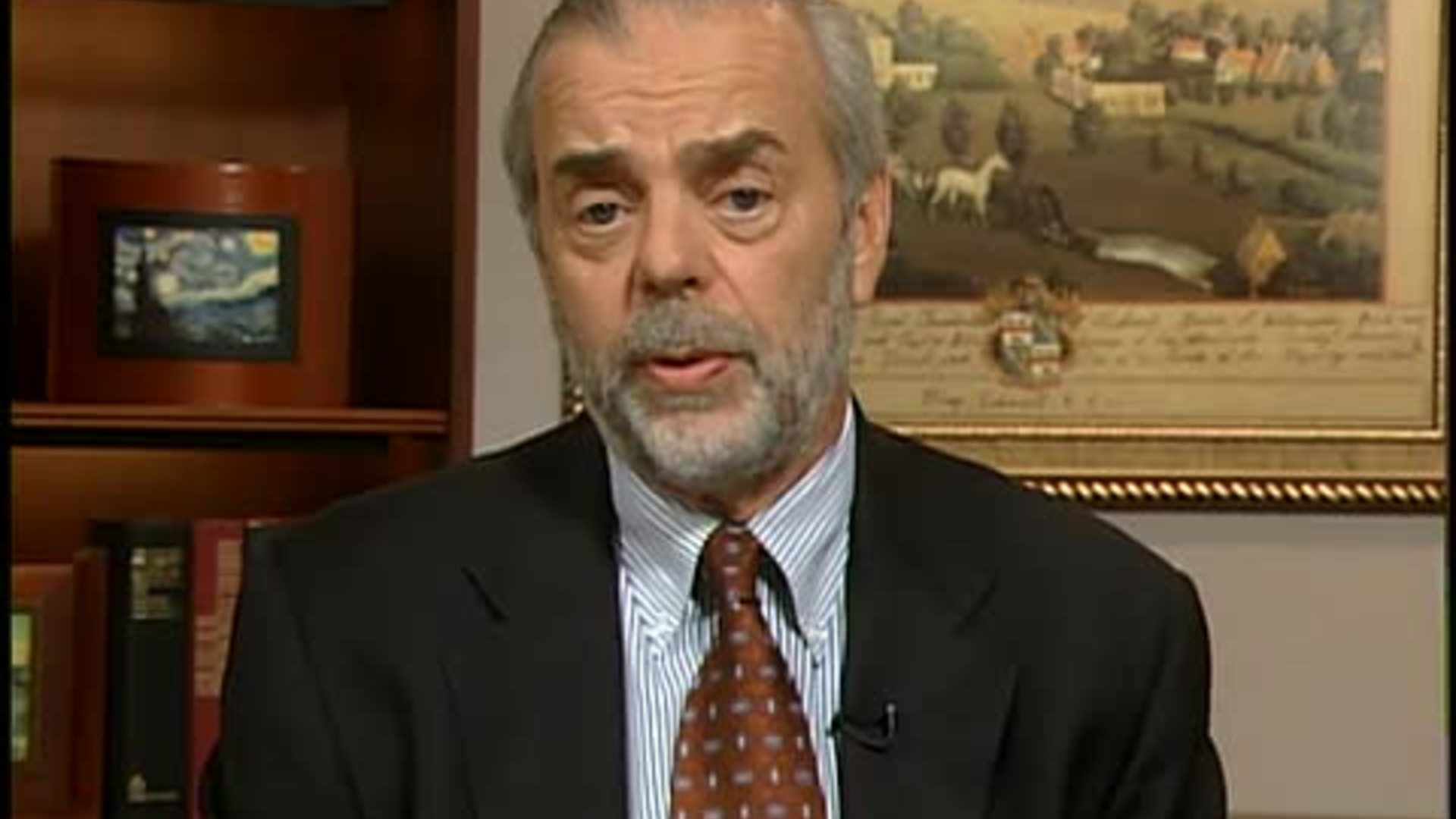
Andrew Kohut did not publish personal balance sheets, but examining his financial context requires looking at his leadership of commercial polling firms, his founding of Princeton Survey Research Associates, and his tenure as President of the non-profit Pew Research Center. Rather than commercial wealth accumulation, Kohut’s financial profile reflects executive compensation within high-level survey research, media consulting, and non-profit institutional governance.
Understanding Public Opinion Research Financial Context: Commercial vs. Non-Profit Leadership
Evaluating the financial standing of prominent public opinion researchers requires a different framework than assessing private sector corporate executives or media personalities. In survey research, political science, and non-partisan think tanks, financial success is tied to institutional budgets, consulting equity, intellectual property, and executive compensation packages disclosed through corporate records or public tax filings.
Andrew Kohut (1942–2015) occupied a unique position at the intersection of commercial polling, corporate market research, and non-partisan philanthropy. Over a career spanning five decades, Kohut moved from managing commercial enterprises like The Gallup Organization to founding private consulting entities and ultimately directing one of the world's most influential non-profit data institutions, the Pew Research Center.
To contextualize Kohut’s financial position and earnings trajectory, one must distinguish between three distinct economic environments in which he operated:
- Commercial Market and Media Polling: High-margin corporate research, proprietary methodology sales, and media partnership contracts.
- Entrepreneurial Research Services: Direct ownership and equity in private survey firms serving corporate, academic, and news organizations.
- Non-Profit Executive Management: Institutional salaries, foundation grants, and oversight of non-partisan research endowments governed by IRS compliance standards.
While public speculative databases often assign arbitrary net worth numbers to historical figures, a rigorous examination looks at verified career milestones, compensation mechanisms in non-profit management, corporate ownership of research entities, and the economic scale of the organizations Kohut directed.
The Career Trajectory of Andrew Kohut: From Gallup to Pew Research Center
ANDREW KOHUT CAREER TIMELINE
- 1967–1989: The Gallup Organization
- Joined as research assistant; rose to President (1979–1989)
- Managed commercial opinion polling & corporate client portfolios
- 1989–1993: Princeton Survey Research Associates (PSRA) & Times Mirror
- Founded PSRA (private polling firm)
- Directed Times Mirror Center for the People & the Press (1990–1995)
- 1995–2012: Pew Research Center
- Founding Director & President (2004–2012)
- Built non-partisan "fact tank" model backed by Pew Charitable Trusts
- 2012–2015: Senior Advisor & Legacy Era
- Transitioned to Senior Advisor until his passing in September 2015
Commercial Executive Era: The Gallup Organization (1979–1989)
Kohut began his career in survey research after completing graduate studies in sociology at Rutgers University. In 1967, he joined The Gallup Organization, working closely with founder George Gallup. Over the next twelve years, Kohut rose through the professional ranks to become President of Gallup in 1979, a position he held until 1989.
During this period, executive compensation at Gallup reflected the commercial value of national polling data, syndicate media contracts, and corporate consumer research. As President of a leading market research firm, Kohut’s earnings were structured around executive salary, profit sharing, and performance-based bonuses tied to commercial client acquisition and syndicate news partnerships. Operating at the senior executive level of a major polling enterprise during the expansion of cable news and national print syndication established Kohut's foundational earnings base.
Entrepreneurial Ventures: Princeton Survey Research Associates (1989)
In 1989, Kohut departed Gallup to launch his own private venture, Princeton Survey Research Associates (PSRA). Founding an independent survey research firm represented a strategic pivot from salaried executive management to business ownership and capital equity.
PSRA specialized in conducting public opinion surveys for major media networks, academic institutions, non-profit organizations, and corporate entities. By establishing an independent research shop, Kohut secured direct revenue streams from client contracts, proprietary survey methodologies, and media consulting agreements.
In 1990, the Times Mirror Company selected Kohut and PSRA to manage the newly formed Times Mirror Center for the People & the Press. This contractual relationship combined private entrepreneurial operations with corporate media funding, providing stable capital for high-volume, national public opinion polling.
Non-Profit Institutional Stewardship: Pew Research Center (1993–2012)
The most transformative phase of Kohut’s career began when The Pew Charitable Trusts assumed financial sponsorship of the Times Mirror Center in 1995, renaming it the Pew Research Center for the People & the Press. In 2004, The Pew Charitable Trusts expanded this effort by establishing the Pew Research Center as a single umbrella non-profit organization in Washington, D.C. Kohut served as its founding President until his retirement from executive management in 2012.
As head of a major non-profit operating foundation, Kohut transitioned from commercial equity to non-profit executive compensation. Under his stewardship, the Pew Research Center grew into an institution managing annual operating budgets scaling into tens of millions of dollars, fully supported by multi-million dollar grant allocations from The Pew Charitable Trusts.
Executive Compensation Structures in Survey Research and Non-Profit Governance
To evaluate Andrew Kohut’s financial context accurately, it is helpful to examine how leaders of major non-profit think tanks and research institutions are compensated under U.S. regulatory frameworks.
IRS Form 990 Disclosures and Non-Profit Transparency
Unlike private companies, tax-exempt 501(c)(3) organizations are required by U.S. federal law to file annual information returns (IRS Form 990). Schedule J of Form 990 mandates the explicit public disclosure of compensation paid to key officers, directors, trustees, and high-earning employees.
For chief executives leading major Washington, D.C. research institutions, policy centers, and survey foundations with multi-million dollar budgets, compensation typically comprises:
- Base Salary: Fixed compensation set by an independent board of directors based on market benchmarking studies of comparable non-profit institutions.
- Bonus & Incentive Compensation: Variable performance pay tied to institutional goals, research quality, and organizational stability.
- Other Reportable Compensation: Benefits, retirement contributions (such as 403(b) or deferred 457(b) plans), and healthcare coverage.
During the late 2000s and early 2010s—the culmination of Kohut’s tenure as President—executive leaders of major non-partisan policy research institutions in Washington, D.C. managing comparable operating budgets ($20 million to $40+ million annually) typically earned base salaries and total compensation ranging from $400,000 to over $800,000 annually, depending on organizational scale and deferred compensation vesting.
Book Royalties, Media Consulting, and Academic Honors
In addition to executive compensation from institutional leadership, Kohut generated revenue and professional assets through intellectual property and media engagements:
- Author Shipments and Royalties: Kohut co-authored four seminal books on public sentiment and global perspectives, including Stranger in the Land (1983), The Diminishing Divide: Religion's Changing Role in American Politics (2000), and America Against the World: How We Are Different and Why We Are Disliked (2006). Book sales and academic distribution provided supplementary passive income.
- Broadcast News Partnerships: Kohut served as a regular commentator and public opinion analyst for major broadcast and print outlets, including PBS NewsHour, The New York Times, and The Washington Post. Media commentary roles for prominent pollsters frequently involve honoraria, retainer fees, or syndicated contribution agreements.
- Board Service and Advisory Roles: Over his career, Kohut chaired or served on major professional organizations, including the American Association for Public Opinion Research (AAPOR) and the Council on Foreign Relations.
Financial Framework: Comparing Career Phases and Institutional Capital
The table below outlines the institutional context, primary financial mechanisms, and organizational scale associated with Andrew Kohut’s leadership across his career.
| Career Phase | Primary Institution / Business | Primary Financial Mechanism | Organizational Operating Scale | Financial Disclosures & Transparency |
|---|---|---|---|---|
| 1979–1989 | The Gallup Organization | Corporate Executive Salary, Profit-Sharing, Commercial Client Fees | Private Corporate Revenues (Commercial Polling & Market Research) | Private Corporate Records; Not Publicly Disclosed |
| 1989–1995 | Princeton Survey Research Associates (PSRA) | Business Ownership Equity, Corporate Contracts (Times Mirror) | Independent Private Agency Budget & Media Sponsorship Contracts | Private Small Business Corporate Filings |
| 1995–2004 | Pew Research Center for the People & the Press | Non-Profit Executive Salary, Grant Funding Management | Multi-Million Dollar Dedicated Grant Allocations (Pew Charitable Trusts) | IRS Form 990 / Non-Profit Public Disclosures |
| 2004–2012 | Pew Research Center (Umbrella Non-Profit) | 501(c)(3) President Compensation, Retirement Plan Contributions | $20M–$40M+ Annual Institutional Operating Budget | IRS Form 990 Schedule J Public Reporting |
| 2012–2015 | Senior Advisor / Author / Academic Speaker | Institutional Retainer, Book Royalties, Advisory Fees | Advisory & Intellectual Property Portfolio | Personal Tax Filings (Private Estate) |
The Broader Impact: How Kohut Shaped Modern Data Methodology and Political Polling
To focus solely on estimated net worth misses the broader institutional context of Kohut's work. His greatest financial legacy lies in how he transformed public opinion research from a news cycle gimmick into a heavily funded, rigorous non-partisan science.
Establishing the "Fact Tank" Financial Model
Prior to the growth of the Pew Research Center, public opinion polling was divided into two main categories:
- Commercial/Campaign Polling: Paid for by political candidates or corporations to win elections or sell products, meaning raw data was proprietary and often partisan.
- Media Polling Snapshots: Funded by news outlets to generate quick headlines, often lacking long-term longitudinal depth due to newsroom budget constraints.
Kohut pioneered a third model: the non-partisan, non-advocacy "fact tank." Supported by major philanthropic capital from The Pew Charitable Trusts, Kohut constructed an environment where researchers did not take policy positions, advocate for legislation, or advise political candidates.
This model required securing long-term philanthropic commitment. By building an institution backed by substantial foundation capital, Kohut ensured that high-quality, large-sample random digit dialing (RDD) phone surveys—which became increasingly expensive as cell phone adoption surged in the 2000s—could be conducted with rigorous methodological sampling without requiring commercial monetization.
Navigating the Cost Escalation of Modern Survey Methodology
During Kohut’s leadership in the 2000s, the public opinion industry faced severe operational cost pressures due to changing communications technology:
- Declining Response Rates: As landline usage dropped and call screening grew, the cost per completed survey interview escalated dramatically.
- Dual-Frame Sampling Requirements: Reaching cell-phone-only households required dual-frame sampling protocols, doubling or tripling data collection expenditures.
- Digital Infrastructure: Migrating research dissemination from traditional print releases to open-access online databases required significant technology investments.
Under Kohut’s direction, the Pew Research Center absorbed these industry-wide cost increases by leveraging non-profit institutional capital. This ensured that public opinion datasets remained freely accessible to journalists, scholars, and policymakers worldwide without commercial paywalls.
Common Misconceptions Regarding Pollster Wealth and Financial Metrics
When readers search for terms like "andrew kohut net worth", they often encounter generic internet databases that generate automated figures. Understanding the reality of high-level survey research requires dispelling several common misconceptions.
Misconception 1: Public Opinion Pollsters Amass Media-Celebrity Wealth
While cable news commentators and political strategists sometimes secure lucrative media contracts, professional survey research directors are primarily social scientists and research executives. Their compensation aligns with senior university leadership, think tank directors, and academic department chairs rather than entertainment figures or venture capitalists.
Misconception 2: Non-Profit Executives Own Institutional Assets
As President of the Pew Research Center, Kohut oversaw an enterprise managing tens of millions of dollars in philanthropic grants. However, non-profit executives do not hold equity in 501(c)(3) entities. The financial assets, research infrastructure, and endowments of non-profit research centers remain public charitable assets, governed by boards of trustees, and cannot be distributed to private individuals upon retirement or estate settlement.
Misconception 3: Commercial Polling Firms Generate Tech-Scale Valuations
While market research companies can be profitable, traditional political and opinion polling firms operate as service-based professional practices. Unlike technology software firms that scale rapidly with minimal marginal cost, survey research requires ongoing operational expenditures for field interviews, sample acquisition, statistical weighting, and analytical staff. Equity value in survey shops like PSRA reflects steady service revenue rather than multi-billion-dollar tech valuations.
Frequently Asked Questions
What was Andrew Kohut’s main career role?
Andrew Kohut was a leading American pollster, political scientist, and founding director of the Pew Research Center. He previously served as President of The Gallup Organization (1979–1989) and founded Princeton Survey Research Associates in 1989.
Why is Andrew Kohut's exact net worth not publicly published?
As a non-profit executive, academic researcher, and private business owner, Andrew Kohut’s personal estate balance sheets were private. Official public financial disclosures for figures in non-profit leadership are limited to institutional executive compensation reported on IRS Form 990 tax filings, rather than personal wealth statements.
How did Andrew Kohut generate his career earnings?
Kohut earned his income through corporate executive positions at Gallup, private equity ownership of Princeton Survey Research Associates, salaried executive leadership as President of the Pew Research Center, media commentary arrangements, and royalties from co-authored books.
How are non-profit polling directors compensated compared to commercial pollsters?
Commercial pollsters earn income based on corporate client contracts, campaign consulting fees, and equity ownership in market research firms. In contrast, non-profit polling directors are paid fixed salaries and benefits set by an independent board of directors, governed by IRS regulations for 501(c)(3) tax-exempt institutions.
When did Andrew Kohut pass away?
Andrew Kohut passed away on September 8, 2015, at the age of 73, due to complications from leukemia. His legacy continues through the methodological standards and non-partisan research framework established at the Pew Research Center.
Practical Takeaway for Researchers and Analysts
When evaluating the economic profile of historical leadership figures in policy research, public opinion polling, and academic scholarship:
- Rely on Official Institutional Records: Look to IRS Form 990 filings for non-profit executive compensation metrics rather than speculative third-party net worth aggregators.
- Distinguish Institutional Budgets from Personal Wealth: Recognize that managing a $30 million research foundation budget reflects institutional trust and philanthropic stewardship, not personal net asset ownership.
- Analyze Multi-Sector Career Phases: Assess how transitions between private commercial management (Gallup), entrepreneurship (PSRA), and non-profit direction (Pew Research Center) shape an executive's overall earnings structure.
To explore Andrew Kohut's academic publications, survey archives, and methodological contributions, visit the official archived research collections at the Pew Research Center and the American Association for Public Opinion Research.