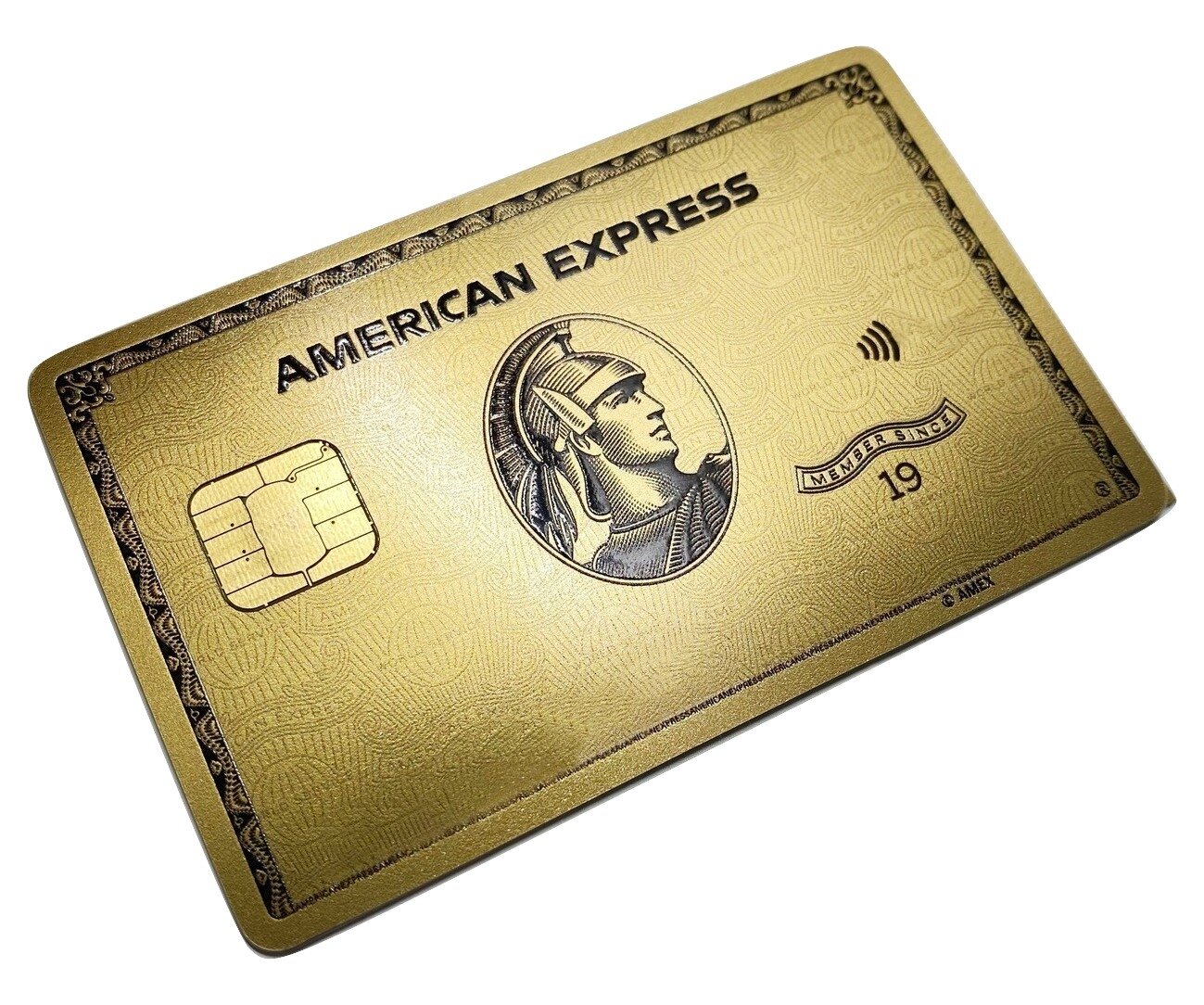
Active-duty military service members, reservists on federal orders, and eligible spouses can secure the American Express Gold Card with all annual fees waived under the Military Lending Act and Servicemembers Civil Relief Act policies, making a rewards card typically carrying a substantial yearly fee completely free to maintain while earning valuable Membership Rewards points on dining, groceries, and travel.
Navigating the intersection of premium credit cards and military benefits requires a clear understanding of federal legislation, issuer policies, and application strategies. For decades, military personnel have utilized high-end financial products to maximize rewards without bearing the underlying cost burden. Among these offerings, the American Express Gold Card stands out as a premier option for everyday spending, particularly for families managing household budgets, dining out, and grocery purchases. Securing this card under military fee waivers changes the mathematical equation of rewards-earning entirely, transforming an expensive luxury card into a high-yield asset for everyday household expenditures.
The Foundation of Military Credit Card Benefits
To understand how military personnel acquire premium cards without paying annual fees, one must look at two major federal laws: the Servicemembers Civil Relief Act (SCRA) and the Military Lending Act (MLA). While these laws serve different historical purposes, they combine to create a comprehensive framework that protects service members from predatory lending and reduces financial burdens during active service.
The SCRA, originally enacted as the Soldiers' and Sailors' Civil Relief Act of 1940 and significantly updated over the decades, primarily protects individuals who entered military service before incurring financial obligations. It caps interest rates at six percent per year on debt incurred prior to active-duty status. However, many credit card issuers—including American Express—voluntarily extend benefits that align with or exceed statutory requirements to accounts opened after entering service, often applying interest rate caps and annual fee waivers to all eligible military accounts regardless of when they were opened.
Complementing the SCRA is the Military Lending Act, a federal law enacted in 2006 and expanded by the Department of Defense in 2015. The MLA establishes a 36 percent Military Annual Percentage Rate (MAPR) cap on consumer credit extended to covered borrowers. Crucially, the MLA definition of MAPR includes application fees, participation fees, and credit insurance premiums. Because American Express structures its annual card fees as participation fees, charging a standard yearly fee on a card like the Amex Gold would breach the MLA cap for service members who do not carry a balance. Consequently, major issuers waive annual fees entirely for covered borrowers to comply with federal regulations.
Amex Gold Card Overview and Core Features
Before evaluating how the card fits a military lifestyle, examining the structure, earning rates, and standard benefits of the American Express Gold Card is essential. The card is designed primarily for consumers with high spending in food-related categories, distinguishing itself from travel-centric cards by emphasizing dining and supermarkets.
The card earns Membership Rewards points, which can be transferred to a wide variety of airline and hotel loyalty programs or used for statement credits, gift cards, and travel bookings through the American Express Travel portal. Transferring points to airline partners frequently yields the highest redemption value, allowing cardholders to secure business and first-class flights for a fraction of their cash cost.
Key earning categories and features include:
- U.S. Supermarkets: Earns 4X points per dollar on up to $25,000 in purchases per calendar year (then 1X).
- Dining and Restaurants: Earns 4X points per dollar on eligible dining worldwide, including takeout and delivery in the U.S.
- Flights: Earns 3X points per dollar on flights booked directly with airlines or through Amex Travel.
- Other Purchases: Earns 1X points per dollar on all other eligible purchases.
- Dining Credits: Up to $120 in annual Uber Cash (distributed as $10 monthly) for Uber rides or Uber Eats orders in the U.S., and up to $120 in annual dining credits (distributed as $10 monthly) usable at participating partners such as Grubhub, The Cheesecake Factory, Wine.com, and select Shake Shack locations. Enrollment is required.
These credits, combined with the robust 4X multipliers on groceries and dining, make the card exceptionally lucrative for families living on or near military installations who frequently cook at home or order takeout.
Eligibility Criteria for Military Fee Waivers
Qualifying for the annual fee waiver on the American Express Gold Card requires meeting specific definitions established by the Department of Defense and American Express verification systems. The primary database used to verify military status is the Manpower Data Center (DMDC) database, which tracks active-duty personnel, activated reservists, and National Guard members.
| Military Status Category | MLA Eligibility | SCRA Eligibility | Annual Fee Waiver Status |
|---|---|---|---|
| Active-Duty Officer / Enlisted | Yes | Yes (Pre-service debt) | Waived by Amex policy |
| National Guard / Reservist (Activated) | Yes (While on orders) | Yes (While on orders) | Waived during active orders |
| Military Spouse (Dependent) | Yes | Yes (Dependent protections) | Waived if linked to primary service member |
| Veteran (Discharged / Retired) | No | Limited | Standard fees apply |
Understanding the distinction between primary cardholders and authorized users is vital for military families. A service member who is the primary account holder will have their status verified automatically via the MLA database during the application process. If the system confirms active-duty status, American Express automatically flags the account for fee suppression.
Spouses listed as eligible dependents in the DEERS (Defense Enrollment Eligibility Reporting System) database are also covered under the MLA. If a military spouse applies for the card independently and their Social Security number is correctly registered in the military database, they are entitled to the same fee waivers. However, adding a spouse or family member as an authorized user on a service member's account requires careful verification to ensure the system links the dependent status correctly and removes the associated user fees.
Application Process and Verification Steps
Applying for the American Express Gold Card as a military service member follows a standard application workflow, but specific precautions ensure that fee waivers are applied swiftly without requiring manual intervention from customer service.
- Check Credit Profile: Ensure your credit score and history align with American Express approval criteria. Premium rewards cards typically require good to excellent credit (generally 700 or higher).
- Verify DEERS Information: Confirm that your personal information, including your Social Security number and active-duty status, is up to date in government databases. American Express cross-references applications with the MLA database instantly.
- Submit the Application: Complete the online application on the official American Express website. Ensure your name and Social Security number match your military records exactly. Avoid using shortened first names or nicknames that could cause database mismatches.
- Monitor Account Settings: Once approved, log into your online account within a few days to verify that the annual fee has either not posted or has been automatically zeroed out. If the fee appears on your first billing statement, do not panic.
- Contact Support if Necessary: If the system fails to apply the MLA waiver automatically within 30 days of account opening, contact American Express customer service via secure chat or phone. Inform the representative that you are a covered borrower under the Military Lending Act and request a manual review of your account.
Maximizing Rewards in a Military Lifestyle
Military families often experience frequent relocations, deployments, and unique lifestyle patterns that can either hinder or enhance credit card rewards strategies. To extract maximum value from the Amex Gold Card, cardholders must align their spending habits with the card's multi-multiplier structure.
Grocery and Commissary Shopping
The 4X points multiplier on U.S. supermarkets is one of the most powerful features of the card. While purchases made at military base commissaries historically coded inconsistently across various credit card issuers, major credit card networks generally classify modern commissary point-of-sale systems under standard supermarket merchant category codes (MCC). Service members should test a small purchase at their local commissary and review the point earnings on their statement to confirm proper categorization.
Dining Out and Permanent Change of Station (PCS) Moves
During Permanent Change of Station moves, families often spend substantial sums on temporary lodging, restaurants, and fast food while transitioning between homes. Utilizing the Amex Gold Card for these dining expenses ensures a return of 4X points on every dollar spent during a stressful logistical period. Furthermore, the monthly Uber Cash and dining credits can offset meal delivery costs during initial weeks in a new location before household goods arrive.
Travel and Overseas Assignments
While the Amex Gold Card earns 3X on flights, it is worth noting that the card carries no foreign transaction fees, making it a reliable tool for service members stationed overseas or traveling internationally on leave. However, cardholders stationed abroad should pair the Amex Gold with a Visa or Mastercard that offers strong international acceptance, as American Express is less widely accepted by small merchants in certain overseas regions compared to its competitors.
Common Pitfalls and Troubleshooting
Even with robust federal protections, service members occasionally encounter administrative hurdles when managing premium credit cards. Recognizing these common issues prevents unexpected charges and protects credit standing.
- Database Mismatches: A mismatch between the address or name on the credit card application and the military personnel database can prevent automatic MLA verification. Always use your legal name and current residential address.
- Delayed Fee Waivers: If an annual fee posts to the account before the MLA system updates, cardholders should pay the statement balance or request a temporary hold while customer service investigates. Paying the bill prevents late fees while the backend waiver is processed.
- Transitioning Off Active Duty: When a service member separates or retires from the military, MLA protections cease. Issuers periodically re-verify military database records. Once active-duty status ends, standard annual fees will apply upon the next account renewal date. Cardholders should evaluate whether the ongoing value of the card's credits and point earnings justifies keeping the account active before the fee renewal date arrives.
- Authorized User Fees: Some premium cards charge additional fees for authorized users. Under the MLA, these fees should also be waived for covered dependents, but users must ensure the system correctly identifies the authorized user as a military dependent to avoid unexpected billing.
Frequently Asked Questions
Does the Military Lending Act waive the annual fee for the Amex Gold Card?
Yes. Because the Military Lending Act caps the total cost of credit (including participation and annual fees) at 36 percent MAPR for covered borrowers, American Express waives the annual fee entirely for eligible active-duty service members and their registered dependents.
Do military spouses qualify for the Amex Gold annual fee waiver?
Yes. Military spouses recognized as dependents in the DEERS database are classified as covered borrowers under the MLA. If a spouse applies independently and passes the database verification, or is added correctly as an authorized user linked to the primary military member, the fee waivers apply.
What happens to my Amex Gold Card when I leave the military?
When you separate, retire, or leave active-duty service, your status as a covered borrower under the MLA terminates. American Express will apply the standard annual fee upon your next account renewal date. Cardholders typically receive notification and can choose to keep the card, product-change to a no-fee card, or close the account.
Are purchases at military commissaries and exchanges eligible for 4X points?
Commissary purchases generally code as U.S. supermarkets, earning 4X points per dollar up to the annual spending cap. However, base exchanges (PX/BX) typically code as department stores or general merchandise, earning the baseline 1X rate rather than the grocery multiplier.
How do I request the military fee waiver if it is not applied automatically?
If the annual fee posts to your account and is not automatically removed within your first billing cycle, contact American Express customer service via phone or secure chat. State clearly that you are a covered borrower under the Military Lending Act and request that the fee be waived and refunded.
Conclusion and Next Actions
For eligible military personnel and their families, the American Express Gold Card represents an exceptional financial tool. By combining zero annual fees under the Military Lending Act with high-yield 4X rewards on groceries and dining, plus valuable monthly dining and rideshare credits, service members can significantly enhance their travel and lifestyle rewards without incurring out-of-pocket costs. To get started, verify your DEERS and credit profile status, submit your application through official channels, and monitor your account to ensure seamless fee suppression.