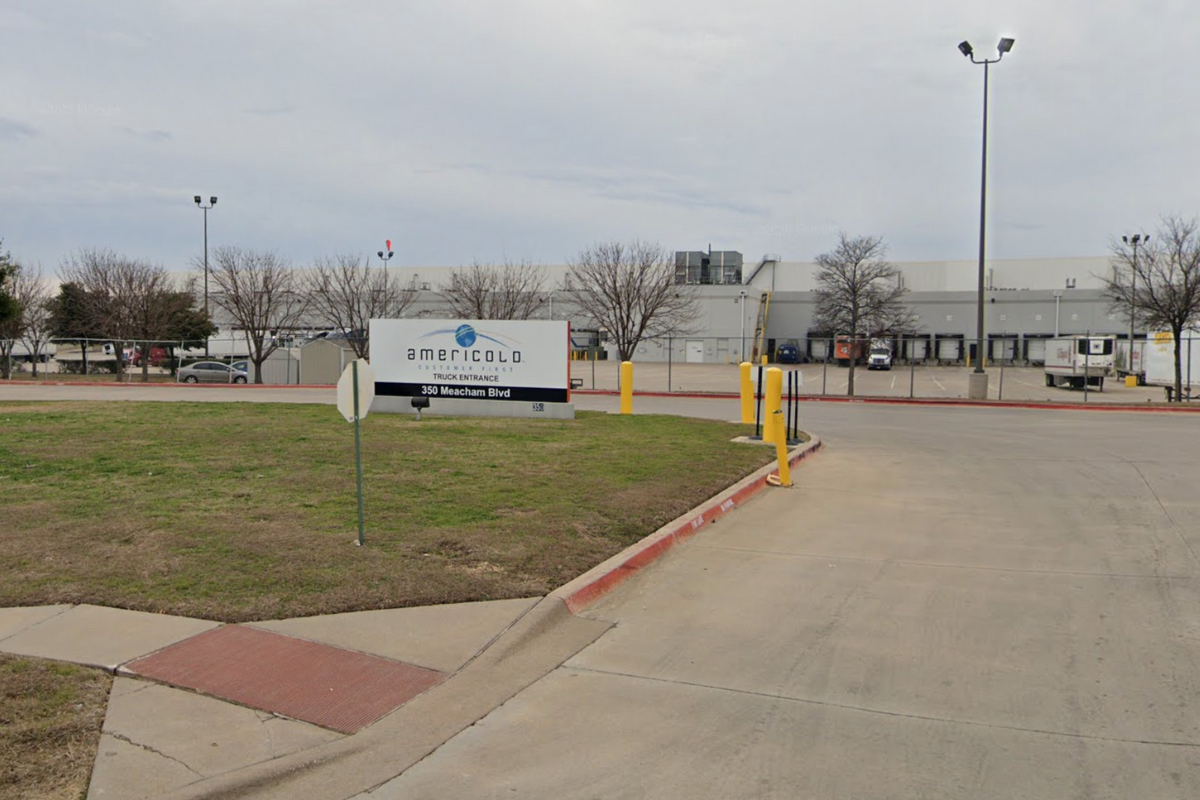
Americold Logistics, operating as a subsidiary of Americold Realty Trust (NYSE: COLD), represents a massive, capital-intensive component of the global cold chain infrastructure. Determining the "net worth" of a publicly traded real estate investment trust (REIT) like Americold requires looking beyond a single valuation figure to assess its market capitalization, asset portfolio, debt obligations, and its role as a specialized landlord in the temperature-controlled supply chain.
In 2026, the financial perspective of Americold is defined by its massive footprint of temperature-controlled warehouses, which serve as the essential middle layer between food producers and retailers. Its market value fluctuates based on occupancy rates, rental yields from its storage facilities, and its capacity to manage energy-intensive cooling systems in an era of rising utility costs. Rather than a private net worth, the company’s value is a reflection of its ability to maintain high-barrier-to-entry infrastructure while navigating interest rate environments that directly impact REIT valuations and capital expenditure cycles.
The Structural Reality of REIT Valuation
To understand the value of Americold, one must first distinguish between a private company's net worth and the market capitalization of a publicly traded REIT. Americold Realty Trust operates under the REIT structure, which mandates that the company distribute at least 90% of its taxable income to shareholders as dividends. This structure fundamentally alters how the company "holds" its wealth compared to a traditional corporation.
The "net worth" of the entity is effectively represented by its market capitalization—the total value of all its outstanding shares on the stock exchange. However, this is only a snapshot of investor sentiment. The intrinsic value of the business is anchored in its massive real estate portfolio, comprising hundreds of warehouses strategically located near major transportation hubs and population centers. Because cold storage facilities are significantly more expensive to construct and maintain than standard dry storage warehouses—due to the complexities of industrial refrigeration, insulation, and compliance with food safety regulations—Americold possesses a "moat" that protects its market position.
Asset Portfolio and Capital Intensity
The core of Americold’s value lies in its physical infrastructure. In the logistics sector, property value is tied to throughput capacity and the ability to maintain precise temperature zones (from chilled to deep-frozen). The investment required to enter the cold chain market is prohibitively high for most new competitors, which grants Americold long-term stability.
When evaluating this in perspective, consider three distinct tiers of value within their asset base:
- Strategic Proximity: Facilities located near primary agricultural production zones or dense metropolitan retail centers hold higher value due to the "last-mile" efficiency they provide to customers.
- Technological Integration: Automated storage and retrieval systems (ASRS) increase the utility and rental value of a facility, turning passive storage into active, high-speed logistics centers.
- Operational Resilience: The capacity to manage energy costs through sophisticated insulation and renewable energy integration acts as a hedge against operating margin erosion.
These assets are not just static buildings; they are high-performance engines of the food supply chain. A drop in occupancy rates—often caused by shifts in food production or retail demand—can lead to immediate valuation volatility, making the company's "worth" highly sensitive to broader macroeconomic health.
Comparing Market Valuation Metrics
Investors rarely look at a single net worth figure for a REIT. Instead, they rely on specialized metrics that provide a clearer picture of financial health. The table below outlines the primary metrics used to assess the scale and value of a company like Americold.
| Metric | Purpose in Perspective | Significance for Americold |
|---|---|---|
| Market Capitalization | Current total equity value | Reflects market sentiment and investor demand. |
| FFO (Funds From Operations) | Real performance of a REIT | Excludes depreciation; shows core cash flow. |
| Occupancy Rate | Asset utilization efficiency | High occupancy drives rental income and value. |
| Debt-to-EBITDA | Financial leverage check | Indicates the company's ability to cover debt. |
| Replacement Cost | Barrier to entry indicator | Represents the cost to replicate the cold chain network. |
These metrics confirm that Americold’s true financial weight is tied to its ability to generate recurring revenue from a fixed, irreplaceable asset base rather than short-term profit speculation.
The Impact of Macroeconomic Factors in 2026
As of 2026, the global logistics sector faces a unique set of challenges that redefine how companies like Americold are valued. The cost of energy is perhaps the most significant variable in their financial equation. Since refrigeration is inherently energy-intensive, periods of high electricity costs place downward pressure on operational net income unless the company can effectively pass these costs through to customers via contractual adjustments.
Furthermore, interest rates play a central role in REIT valuations. Because these companies rely on debt to finance the expansion of their warehouse footprint, rising interest rates increase the cost of capital. This creates a "seesaw" effect: while the demand for frozen food and pharmaceuticals remains steady (a "recession-resistant" characteristic), the cost to maintain or expand the physical infrastructure necessary to hold those goods can fluctuate, impacting the perceived net value of the organization on public markets.
Risk Factors and Operational Limitations
While the scale of Americold is undeniable, investors and stakeholders must recognize the inherent risks that keep its valuation in check. The company is heavily reliant on the food industry, making it susceptible to food safety recalls, supply chain disruptions, and changes in consumer diet habits.
- Energy Price Sensitivity: Unpredictable spikes in energy costs can compress margins, as not all customer contracts allow for immediate cost pass-throughs.
- Technological Obsolescence: As supply chains become more automated, older warehouses may require significant capital investment to remain competitive.
- Regulatory Compliance: Stringent food safety and environmental regulations (such as those regarding refrigerants) require constant, costly capital expenditures to ensure ongoing compliance.
Understanding the "net worth" of Americold requires viewing these risks not as failings, but as the costs of doing business in a highly specialized, essential, and heavily regulated industry.
Frequently Asked Questions
Is Americold a private company or publicly traded? Americold is a publicly traded company. It operates as a Real Estate Investment Trust (REIT) and is listed on the New York Stock Exchange under the ticker symbol COLD. Its value is determined by public market trading.
Why is cold storage considered a high-barrier-to-market industry? The cold chain market requires massive capital investment for specialized insulation, complex refrigeration, and stringent safety compliance. This makes it difficult for new, smaller competitors to enter the space, naturally favoring established leaders with existing networks.
How do interest rates affect the value of companies like Americold? As a REIT, Americold uses debt for growth and property maintenance. Higher interest rates increase the company's cost of borrowing, which can lower its net earnings and reduce the attractiveness of its stock compared to other income-generating assets.
What is the primary driver of Americold's revenue? The primary revenue driver is the leasing of refrigerated warehouse space and the provision of value-added services, such as blast freezing, temperature-controlled transportation, and inventory management for food producers and retailers.
Can individual investors influence the company's net worth? Individual investors influence the market capitalization of Americold through their buying and selling activities on the stock exchange. While they do not control the company's underlying assets, their collective sentiment determines the share price at any given moment.
Recommendations for Investors and Analysts
When assessing Americold, shift your focus from a traditional "net worth" figure toward the sustainability of its operational cash flow. Evaluate the company’s ability to maintain high occupancy rates in its primary warehouses and its success in managing energy expenditures.
If you are evaluating Americold as a potential investment, examine the most recent quarterly reports provided to the SEC. Pay specific attention to the "FFO" (Funds From Operations) trend over the last eight quarters. This will provide a more accurate reflection of the company's financial performance than the headline market capitalization. Additionally, monitor trends in the commercial real estate sector for industrial properties, as these will serve as a bellwether for the future valuation of Americold’s vast real estate portfolio.