When an American Airlines flight is diverted to Rome’s Leonardo da Vinci–Fiumicino Airport (FCO), the situation typically stems from severe Mediterranean weather, technical mechanical issues, or medical emergencies. Passengers are protected by a combination of US Department of Transportation (DOT) mandates and, for flights departing from Rome, stringent European Union (EU 261) compensation regulations.
The diversion of a long-haul flight is a complex operational maneuver that prioritizes safety over schedule. For American Airlines, which operates frequent service between major US hubs like Philadelphia (PHL), Charlotte (CLT), Dallas/Fort Worth (DFW), and New York (JFK) to Rome (FCO), these incidents involve a coordinated effort between flight crews, Air Traffic Control (ATC), and ground operations. As of 2026, the protocols for handling these disruptions have become more automated, yet the fundamental challenges of passenger re-accommodation and technical resolution remain.
Understanding the Context of Rome Diversions
Rome Fiumicino is a primary gateway for Italy and a critical alternative airport for flights traversing the Mediterranean basin. When an American Airlines flight is diverted here—whether it was the original destination or an emergency waypoint—the airline must balance Italian civil aviation requirements with its own internal safety standards.
Why Rome (FCO) is a Frequent Diversion Point
Fiumicino is equipped with three main runways and advanced Category III (CAT III) Instrument Landing Systems, making it one of the most capable airports in Southern Europe for handling diversions in low-visibility conditions. For American Airlines flights traveling from the US to other destinations in the region (such as Athens or Tel Aviv), Rome serves as a strategic "bolt-hole" when primary landing sites become unavailable.
Common reasons for a diversion to Rome include:
- Convective Weather: The Mediterranean is prone to sudden, violent thunderstorms and hail, particularly in late summer and autumn.
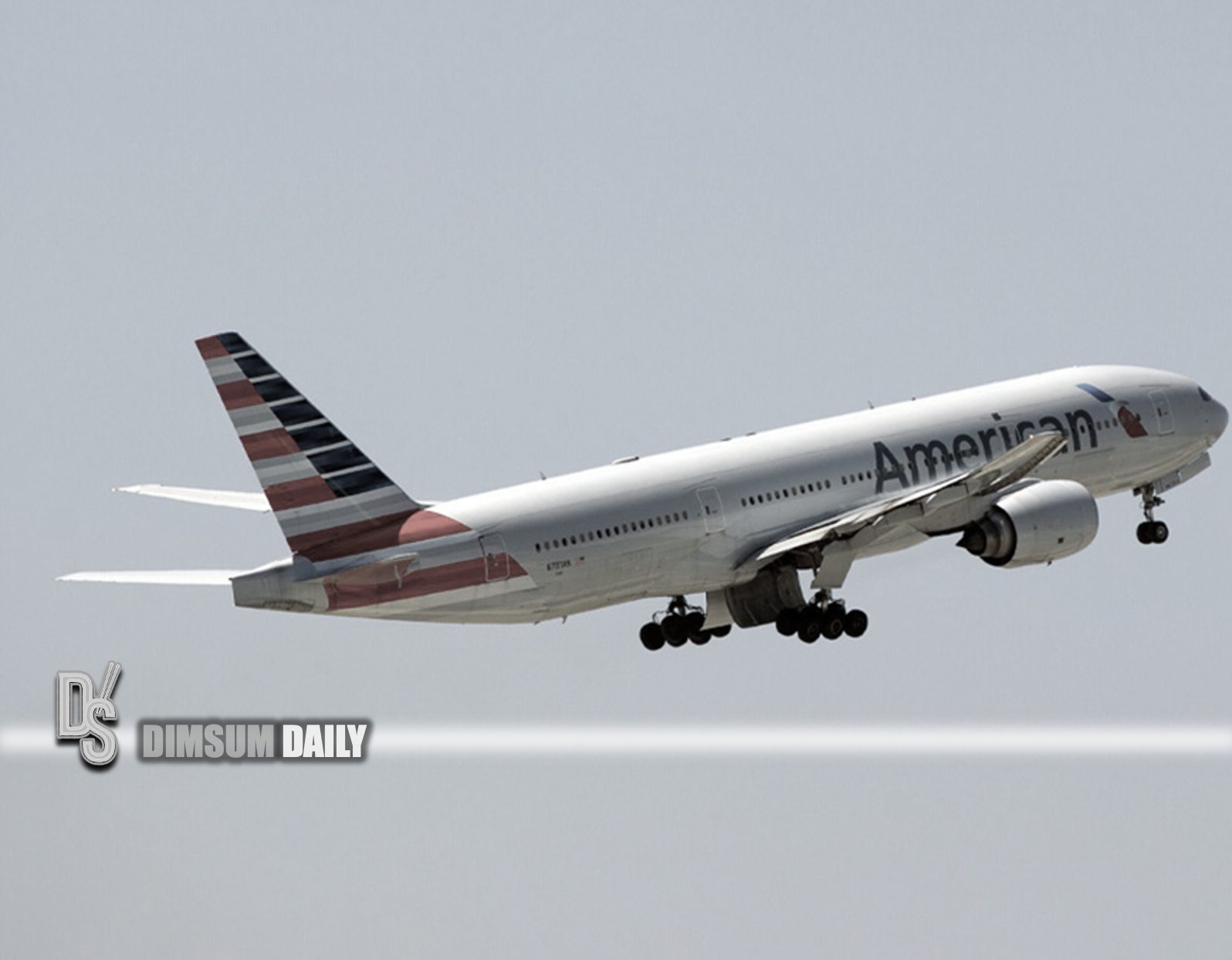
- Technical Snags: Long-haul aircraft like the Boeing 777-200ER or 787-8 used by American Airlines may experience "non-go" technical alerts that require the specialized maintenance facilities available at a major hub like FCO.
- Medical Emergencies: Given Rome’s central location and proximity to world-class medical facilities, it is a preferred diversion point for mid-Atlantic or trans-European medical incidents.
Technical Procedures During an In-Flight Emergency
When the flight crew of an American Airlines aircraft decides to divert to Rome, a highly choreographed series of events begins. This is not a simple "change of direction" but a high-stakes calculation involving fuel, weight, and airspace congestion.
Communication and Air Traffic Control (ATC)
Once the captain determines a diversion is necessary, they notify the relevant Oceanic or Regional ATC. If the situation is urgent, the crew will "Squawk 7700" (the international transponder code for an emergency). In the vicinity of Rome, ENAV (the Italian air navigation service provider) takes over, clearing a direct path to Fiumicino and often holding other traffic to prioritize the American Airlines vessel.
Fuel Management and Landing Weight
One of the most critical technical hurdles for a diverted long-haul flight is the Maximum Landing Weight (MLW). Aircraft taking off from the US for Rome carry enough fuel for a 9-10 hour journey. If a problem arises only 4 hours into the flight, the plane may be too heavy to land safely without damaging the landing gear or overshooting the runway.
In such cases, the pilot must either circle to burn off fuel or use the aircraft’s fuel jettison system (if equipped) to dump fuel over the sea before approaching Fiumicino. American Airlines' Boeing 777 fleet is capable of fuel dumping, whereas the 787 Dreamliner typically relies on "overweight landing" procedures or fuel-burn patterns, as it lacks a dedicated jettison system.
The Legal Landscape: EU 261/2004 vs. US DOT Rules
The rights of a passenger on a diverted American Airlines flight depend heavily on the direction of travel and the cause of the diversion. As of 2026, legal precedents have clarified these protections, but they remain a point of confusion for many travelers.
Flights Departing from Rome (FCO to USA)
If your American Airlines flight was departing from Rome and was forced to divert back to Rome or to another airport (like Milan or Madrid), you are fully protected under Regulation (EC) No 261/2004. Despite being a US-based airline, American Airlines must comply with EU laws for all flights departing from an EU airport.
Under EU 261, passengers may be entitled to:
- Right to Care: Meals, refreshments, and two phone calls or emails.
- Hotel Accommodation: If the diversion results in an overnight stay, the airline must provide hotel rooms and transport.
- Financial Compensation: Up to €600 per person if the diversion was caused by reasons within the airline's control (e.g., mechanical failure or crew scheduling) and resulted in a delay of more than three hours to the final destination.
Flights Arriving in Rome (USA to FCO)
For flights originating in the United States, EU 261 does not apply to American Airlines because it is a non-EU carrier. Instead, passengers are governed by the US Department of Transportation (DOT) rules and the airline’s Contract of Carriage.
In 2024, the US DOT implemented new rules (enforced through 2026) requiring automatic refunds for significant flight changes or diversions if the passenger chooses not to travel on the alternative provided. However, unlike the EU, the US does not mandate fixed monetary compensation for "pain and suffering" or lost time; the focus is on rebooking and basic care.
Logistics of a Diversion in Rome: What to Expect at Fiumicino
Landing at an airport unexpectedly creates a logistical hurdle for both the crew and the passengers. Rome Fiumicino is a large, multi-terminal facility, and American Airlines usually operates out of Terminal 3.
Ground Handling and Customs
If the diversion is due to a technical issue and the plane can be fixed quickly, passengers may be kept on the aircraft or in a secure "transit" area of the terminal. However, if the flight is "scrubbed" (cancelled), passengers must clear Italian Customs and Immigration to access hotels.
- Visa Requirements: Passengers with passports that require a Schengen visa may face complications if they do not have one, as they cannot legally enter Italy to go to a hotel. In these rare cases, American Airlines must coordinate with the Polizia di Frontiera (Border Police) to provide airside accommodation.
Rebooking and Baggage Recovery
American Airlines’ internal system, often accessed via the "AA App," is the fastest way to see new flight assignments. In Rome, the airline utilizes ground handling partners (such as Aviapartner or ADR) to manage the physical flow of passengers.
- Baggage: During a diversion, baggage is rarely offloaded unless the flight is officially cancelled and passengers are terminating their journey in Rome. If you are being rebooked on a flight the following day, your bags typically remain in the "belly" of the aircraft or in the airport's secure sorting facility.
Comparison of Passenger Protections (2026 Standards)
The following table outlines what passengers are entitled to based on the nature of the diversion and the jurisdiction.
| Service/Compensation | Departure from Rome (EU 261) | Arrival to Rome (US DOT) |
|---|---|---|
| Meals & Water | Mandatory after 2+ hour delay | Expected/Airline Policy |
| Hotel Stay | Mandatory for overnight delays | Airline Policy (Usually provided) |
| Cash Compensation | Up to €600 (if AA at fault) | Not Required by Law |
| Full Refund | If delay exceeds 5 hours | If diversion is "significant" |
| Communication | Two calls/emails provided | Not specified |
| Rebooking | Mandatory on next available | Mandatory on next available |
Operational Challenges for American Airlines in Italy
Managing a diversion in a foreign country involves more than just finding a hotel for 300 passengers. American Airlines must navigate specific Italian labor laws and airport operating hours.
Maintenance and Parts
If an American Airlines Boeing 787 diverts to Rome with a specialized engine issue, the parts may not be available locally. Fiumicino has excellent maintenance through ITA Airways and other providers, but specific components for American's fleet configuration might need to be "ferried" in from the airline's European maintenance base in London Heathrow (LHR) or even from the US. This can extend a 5-hour diversion into a 24-48 hour delay.
Crew Legal Requirements
Flight crews have strict Duty Time Limitations. If a diversion to Rome occurs near the end of a pilot’s legal working day, they cannot legally fly the aircraft to the final destination until they have had a "rest period" (usually 10-12 hours). This is a frequent cause of "crewing-out" diversions, where the plane is fine, the weather is clear, but the pilots are legally prohibited from flying.
Actionable Steps for Affected Passengers
If you find yourself on an American Airlines flight that has just been diverted to Rome, follow these steps to ensure your rights are protected and your journey resumes as quickly as possible:
- Enable Data Roaming or Connect to FCO Wi-Fi: Immediate communication from American Airlines will come via the app or email. Ensure your contact information in the "Manage Trip" section is current.
- Request a "Statement of Delay": Before leaving the airport or the gate area, ask an American Airlines representative for a printed document stating the reason for the diversion. This is crucial for insurance claims and EU 261 filings.
- Keep All Receipts: If the airline does not provide vouchers for meals or hotels, keep every receipt. Under both EU and US guidelines, you are entitled to reimbursement for "reasonable" expenses incurred due to the disruption.
- Check Your Luggage Status: Confirm with ground staff whether bags will be "short-checked" to Rome or sent through to your final destination.
- Evaluate Compensation Eligibility: If your flight was leaving Rome, use an online EU 261 checker or consult a legal expert to determine if the "extraordinary circumstances" defense (like weather) applies or if the airline owes you the €600 statutory payment.
Frequently Asked Questions
Can I leave the airport during a diversion in Rome?
Yes, provided you have the legal right to enter the Schengen Area (e.g., a US, UK, or EU passport). However, you must ensure you can return through security and customs in time for your rescheduled flight. If the airline provides a hotel, they will facilitate this process.
What if American Airlines says the diversion was due to "Air Traffic Control" issues?
Under EU 261, ATC issues are generally considered "extraordinary circumstances," meaning the airline is not required to pay the €600 compensation. However, they are still required to provide the "Right to Care" (meals and hotels).
Will my travel insurance cover a diversion to Rome?
Most comprehensive travel insurance policies include "Trip Delay" or "Trip Interruption" coverage. This can cover expenses that the airline might refuse, such as non-refundable tours in your destination city or higher-tier hotel upgrades.
How long does American Airlines have to get me to my destination?
There is no specific legal time limit, but the airline is obligated to rebook you on the "next available flight." In 2026, this increasingly includes rebooking passengers on partner airlines like British Airways, Iberia, or Finnair through their Oneworld alliance.
If I am diverted to Rome, can I choose to end my trip there?
Yes, this is known as "voluntary termination." However, you must coordinate this with the airline and customs. Your baggage will need to be manually retrieved from the aircraft's hold, which can take several hours, and the airline is not obligated to refund the unused portion of your ticket if you choose to stay.
Summary of Next Actions
In the event of a diversion to Rome, your priority should be securing a confirmed seat on the next outbound flight. While the airline's automated systems will attempt to rebook you, speaking with a gate agent or calling the American Airlines "AAdvantage" elite desk (if applicable) can often result in better routing options, such as connecting through London or Madrid. Always document the specific reason given for the diversion at the time of the event, as this detail often changes in the airline's internal logs later, potentially affecting your ability to claim compensation.