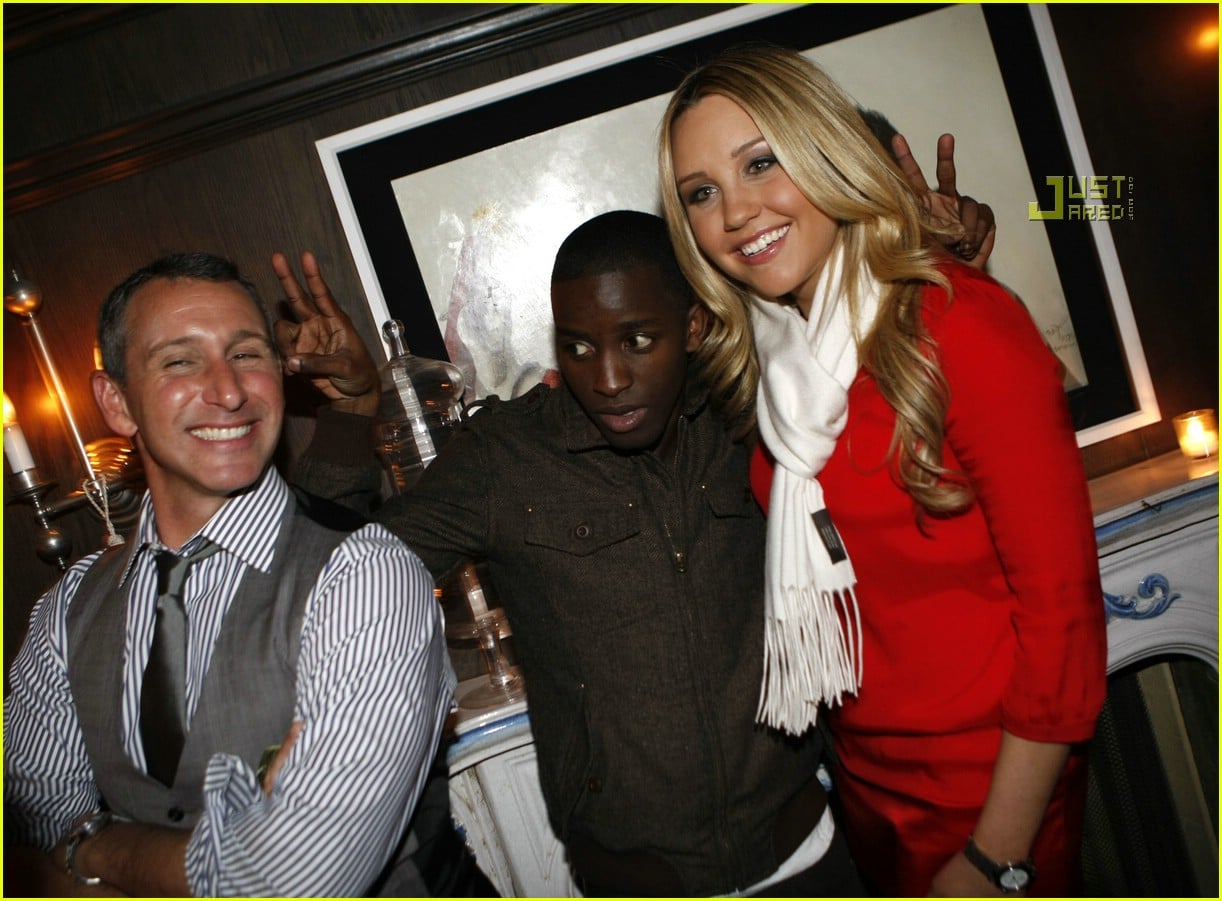
Amanda Bynes possesses a proven ability to sing, most notably demonstrated through her role in the 2007 film adaptation of the musical Hairspray. While primarily recognized for her comedic timing, Bynes has professional recording credits in musical theater and has more recently experimented with hip-hop and rap vocalizations.
The question of whether Amanda Bynes can sing is often overshadowed by her extensive career in sketch comedy and her subsequent highly publicized personal challenges. However, for those looking at her professional output, the evidence is substantial. Bynes is not merely an actress who can "carry a tune"; she is a trained performer who has held her own alongside seasoned Broadway veterans and professional vocalists. As of 2026, her musical legacy remains a distinct, if underutilized, facet of her multifaceted entertainment career.
The Foundation: Musical Theater and "Hairspray"
The most significant piece of evidence regarding Amanda Bynes’ vocal ability is her performance as Penny Pingleton in the 2007 movie musical Hairspray. Unlike many films that use "ghost singers" to dub over actors, the cast of Hairspray performed their own vocals. Bynes underwent rigorous vocal coaching and rehearsals to prepare for the role, which required a specific type of mid-century pop-musical theater belt.
The Role of Penny Pingleton
In Hairspray, the role of Penny Pingleton requires a voice that can blend in harmonies while also standing out during high-energy ensemble numbers. Bynes’ performance in the song "Without Love" is perhaps the best showcase of her technical ability. The song requires a mix of sweet, character-driven verses and a powerful, soul-influenced bridge. Bynes demonstrated a clear, resonant mezzo-soprano range with a bright, youthful timbre that fit the character perfectly.
Critical and Commercial Reception
The Hairspray soundtrack was a commercial juggernaut, eventually being certified Platinum by the RIAA. Bynes’ contributions to tracks like "You Can't Stop the Beat" and "Mama, I'm a Big Girl Now" (the latter featured on the soundtrack's special edition) were met with positive reviews. Critics noted that she managed to maintain the quirky essence of her character without sacrificing pitch or rhythmic precision. Her ability to match the energy of powerhouse vocalists like Queen Latifah and Nikki Blonsky suggested a high level of vocal competence and professional training.
Vocal Characteristics and Technical Analysis
To understand Bynes’ singing voice, one must look at the technical elements displayed during her peak performing years. Bynes’ voice is characterized by several key traits that define her as a capable, though perhaps not "virtuoso," vocalist.
Range and Tessitura
Bynes appears to be a natural mezzo-soprano. In her musical theater work, she comfortably navigates the middle register, with a solid "mix" (a blend of chest and head voice) that allows her to hit higher notes without straining into a thin falsetto. Her tessitura—the range where her voice sounds most natural and resonant—sits in the middle of the staff, which is ideal for the "ingenue" roles she played in the mid-2000s.
Tone and Timbre
Her tone is naturally "bright" or "forward." In vocal pedagogy, this means the sound is directed toward the hard palate, resulting in a crisp, clear sound that cuts through a thick orchestral arrangement. This brightness was a significant asset in Hairspray, where the 1960s-inspired wall of sound required singers who could maintain clarity amidst heavy brass and percussion.
Rhythmic Accuracy
A crucial component of singing that is often overlooked is rhythm. Bynes’ background in sketch comedy on All That and The Amanda Show likely contributed to her strong sense of timing. Singing in a fast-paced musical like Hairspray requires "dead-on" rhythmic precision, particularly in ensemble numbers where multiple voices are singing syncopated lines. Bynes never lagged or rushed, showing a professional level of musicality.
Early Career: The Nickelodeon Influence
Before Hairspray, there were glimpses of Bynes’ musical potential during her tenure at Nickelodeon. While The Amanda Show was focused on comedy, variety shows of that era often required performers to engage in musical numbers, parodies, and jingles.
On All That, Bynes participated in various sketches that involved singing, often for comedic effect. While these were not intended to be "serious" vocal performances, they required the ability to stay on key and follow a melody—skills that many purely dramatic or comedic actors struggle with. These early years served as an informal training ground, helping her develop the "triple threat" skill set (acting, dancing, and singing) that was the industry standard for teen stars in the early 2000s.
The Transition: From Musical Theater to Rap
In the years following her departure from mainstream acting, Bynes’ relationship with music took a stylistic turn. Around 2020 and 2022, she began teasing a foray into the world of hip-hop and rap. This shift represents a move away from the structured, melodic demands of musical theater toward a focus on flow, cadence, and stylized vocal delivery.
"Diamonds" and the Precise Collaboration
In 2022, Bynes released a snippet of a song titled "Diamonds," featuring her then-fiancé Paul Michael (performing under the name Precise). The track was a significant departure from her Hairspray days. It featured a low-tempo, trap-inspired beat with Bynes delivering lyrics in a rhythmic, spoken-word style common in modern rap.
While "Diamonds" did not showcase "singing" in the traditional melodic sense, it demonstrated her ability to adapt her voice to a different genre. In rap, the "voice" is used as a percussive instrument. The project was met with mixed reactions from fans—some missed her melodic theater roots, while others were intrigued by her desire to experiment with a genre that felt more authentic to her current interests.
Evidence Summary: Musical Credits and Projects
The following table outlines the primary projects where Amanda Bynes' vocal work can be heard, providing a timeline of her musical evolution.
| Project Year | Title | Genre | Role/Context | Key Track(s) |
|---|---|---|---|---|
| 2002 | Big Fat Liar | Pop/Comedy | Actress (Soundtrack) | "Hungry for Love" (Cast Version) |
| 2007 | Hairspray | Musical Theater | Penny Pingleton | "Without Love," "You Can't Stop the Beat" |
| 2007 | Hairspray Soundtrack | Pop/Soul/60s | Featured Artist | "Mama, I'm a Big Girl Now" |
| 2020 | Fairfax (Teaser) | Hip-Hop | Independent Release | "Fairfax" (Demo Snippet) |
| 2022 | Diamonds | Rap | Collaboration | "Diamonds" (ft. Precise) |
Contextualizing Bynes Among Her Contemporaries
During the mid-2000s, it was common for teen stars to launch dual careers in acting and music. Lindsay Lohan released Speak and A Little More Personal, Hilary Duff had massive success with Metamorphosis, and Miley Cyrus transitioned from Hannah Montana to a full-time music career.
Amanda Bynes, however, chose a different path. Despite the success of Hairspray, she did not immediately sign a record deal or release a solo pop album. This suggests that while she can sing, she did not initially view herself as a "pop star." Her singing was a tool in her acting toolkit, rather than the centerpiece of her brand. This distinction is important; her vocal performances were almost always tied to a character or a specific project, which may be why the general public doesn't always associate her with music as strongly as they do with her peers.
The 2026 Perspective: Where Does Her Music Stand Now?
As we look at her career in 2026, Amanda Bynes has largely moved away from the traditional entertainment industry, focusing more on her education in fashion and her occasional forays into podcasting and social media content. However, the interest in her musical "what could have been" remains high among pop culture historians.
There is a sense of untapped potential in Bynes’ musical career. Had she chosen to follow the "pop princess" blueprint of 2007, she likely would have seen significant success given her existing fanbase and proven vocal ability. Today, her music serves as a time capsule of a specific era in Hollywood where versatility was mandatory.
Common Obstacles to Her Musical Recognition
Several factors have contributed to the general public being unaware of Bynes' vocal talents:
- Comedy Dominance: Her immense success in sketch comedy and "screwball" film roles overshadowed her technical skills.
- Genre Shifting: The drastic jump from Broadway-style singing to independent rap confused the narrative of her "musical identity."
- Extended Hiatus: Her long breaks from the industry meant she wasn't releasing consistent musical content during the rise of streaming platforms.
- Lack of a Solo Album: Without a cohesive "Amanda Bynes" album, her musical contributions remain scattered across soundtracks and independent snippets.
Frequently Asked Questions
Did Amanda Bynes actually sing in Hairspray?
Yes, Amanda Bynes performed all of her own vocals for the film Hairspray. She worked with vocal coaches and recorded her parts in a professional studio environment before filming the musical sequences. Her voice is featured prominently on the film's Platinum-selling soundtrack.
Has Amanda Bynes ever released a solo album?
No, Amanda Bynes has never released a full-length solo studio album. Most of her recorded music is found on film soundtracks or released as independent singles/snippets on social media platforms in more recent years.
What is Amanda Bynes' vocal range?
Based on her performances in musical theater, Bynes is classified as a mezzo-soprano. She has a comfortable range that spans from the lower mid-range to higher "belt" notes (approximately A3 to Eb5 in her recorded work).
Is Amanda Bynes still making music in 2026?
As of 2026, Bynes has not announced a formal return to the music industry. While she has experimented with rap and hip-hop in the early 2020s, she appears more focused on her personal life and creative interests outside of the recording studio, though she occasionally interacts with fans regarding her past musical work.
Why didn't she pursue a music career like other Disney or Nickelodeon stars?
While Bynes never explicitly stated why she didn't pursue a full-time music career, her career choices suggest a preference for comedy and character-acting. During the height of her fame, she was one of the most sought-after comedic actresses of her generation, which likely took precedence over the demands of a recording and touring schedule.
Final Recommendation for Fans and Researchers
For those seeking to verify Amanda Bynes’ vocal abilities, the best starting point is the Hairspray (2007) Original Motion Picture Soundtrack. Listening to "Without Love" provides the clearest evidence of her pitch, tone, and ability to handle complex musical arrangements. For a contrast in style, searching for her 2022 collaboration "Diamonds" offers insight into her more recent vocal experimentation. While she may not be releasing chart-topping hits in 2026, the evidence of her ability is preserved in her filmography, proving that Amanda Bynes was, and is, a capable vocalist.