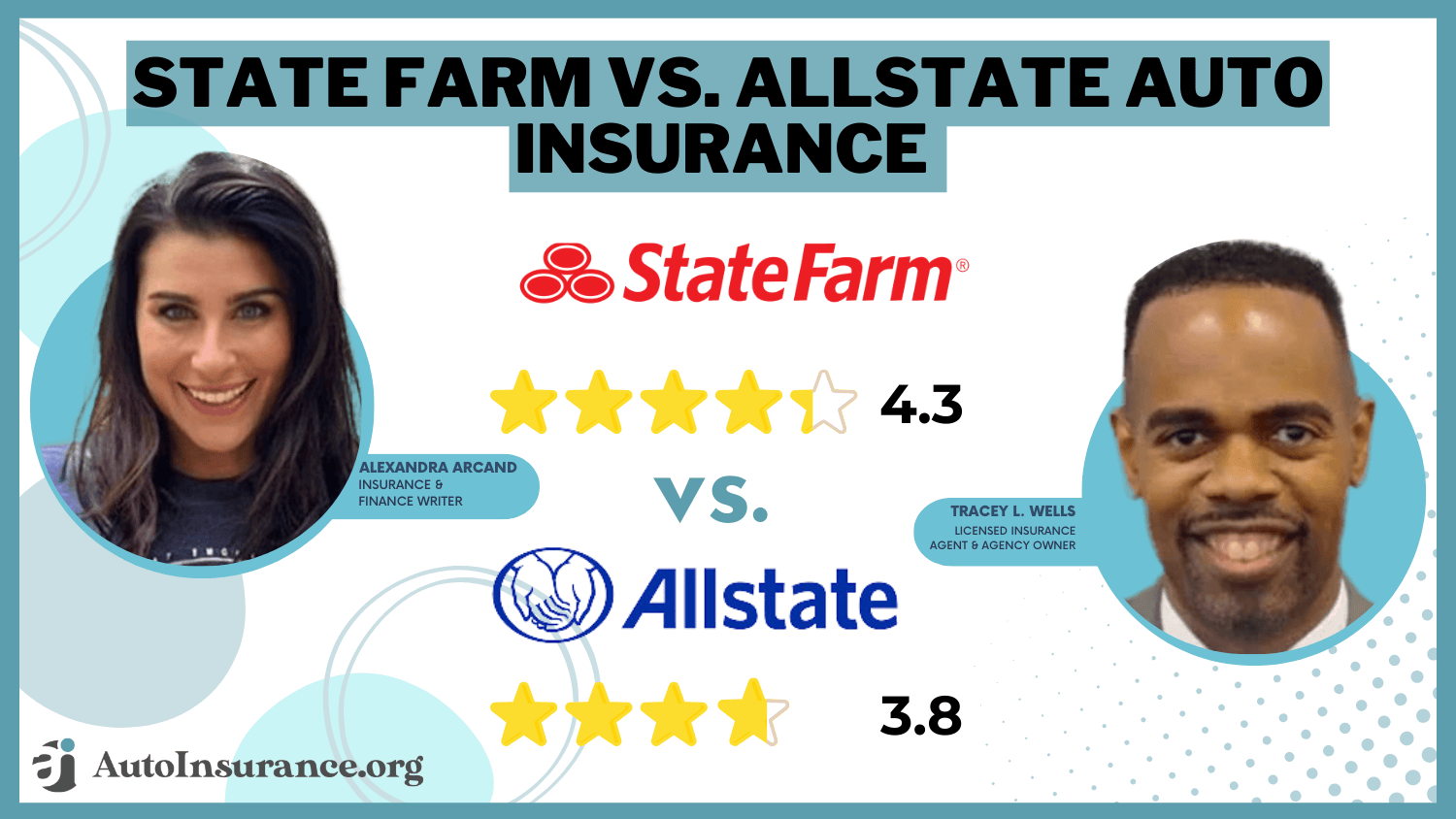
Allstate Auto Insurance provides a comprehensive range of vehicle coverage options, digital account management tools, and specialized policy add-ons for drivers across the United States. Obtaining coverage requires navigating specific state-mandated requirements, selecting appropriate deductible levels, and utilizing available policy discounts to manage annual premiums effectively while ensuring financial protection against liability and vehicle damage.
The Scope of Allstate Coverage
Allstate operates as one of the largest personal lines insurers in the United States, utilizing a vast network of captive agents and an integrated digital platform. When considering a policy, it is essential to understand that insurance regulations, coverage minimums, and premium calculations are governed at the state level. While Allstate maintains consistent product offerings like "Your Choice Auto," the specific application of these policies varies significantly between states such as California, Texas, or New York.
At its core, Allstate provides the standard suite of liability, collision, and comprehensive coverages. Liability insurance covers the costs associated with injuries or property damage caused to others when the policyholder is at fault. Collision coverage is designed to pay for repairs to the policyholder's vehicle following an accident regardless of fault, while comprehensive coverage addresses non-collision events, such as theft, vandalism, fire, or weather-related damage.
Evaluating Policy Features and Add-Ons
Beyond standard coverage, Allstate distinguishes itself through various endorsements and unique features. These optional protections allow policyholders to customize their risk management strategy based on their driving habits, vehicle age, and financial tolerance.
- Accident Forgiveness: This feature prevents a premium increase following a single at-fault accident, provided the policyholder meets specific criteria. In some states, this is available immediately; in others, it must be "earned" through a period of incident-free driving.
- New Car Replacement: If a vehicle is totaled within a specified timeframe or mileage limit, this endorsement may cover the cost of a brand-new model of the same make and trim, rather than the depreciated actual cash value (ACV).
- Safe Driving Bonus: This is a reward program that offers credits for every six months of clean driving, which can be applied to future premiums or used to offset a deductible.
- Rideshare Insurance: For drivers participating in services like Uber or Lyft, standard personal policies often contain gaps during the period between logging into the app and accepting a ride. Allstate’s rideshare endorsement is designed to fill these coverage gaps.
The Role of Technology in Premium Management
Allstate heavily emphasizes digital integration in 2026. Through the Allstate mobile application and online dashboard, policyholders can manage payments, view digital insurance cards, and file claims. A significant component of their modern strategy is the Milewise and Drivewise programs.
Drivewise is a telematics-based program that monitors driving habits, such as speed, braking, and time of day, via the mobile app or a plug-in device. Data collected through this program can result in premium discounts for drivers who demonstrate consistently safe behaviors. Milewise is a pay-per-mile insurance model, which is often attractive to drivers with low annual mileage. By paying a base rate plus a daily per-mile charge, these individuals can potentially lower their total insurance expenditures compared to traditional annual policies.
Comparison of Core Insurance Components
| Feature | Description | Primary Benefit |
|---|---|---|
| Liability Coverage | Financial protection for injuries/property damage to others. | Legal and financial compliance. |
| Collision Coverage | Repairs for the insured vehicle after an accident. | Protects vehicle equity. |
| Comprehensive | Repairs for non-collision damage (theft, weather). | Protects against external risks. |
| Uninsured Motorist | Coverage for accidents caused by underinsured drivers. | Prevents out-of-pocket costs. |
| Telematics | Data-driven driving behavior monitoring. | Potential for personalized discounts. |
Prerequisites for Obtaining a Policy
To secure an Allstate auto policy in the United States, applicants must provide verifiable information regarding their identity, vehicle registration, and driving history. During the underwriting process, Allstate will typically pull Motor Vehicle Reports (MVR) and Comprehensive Loss Underwriting Exchange (CLUE) reports to assess risk.
Required information typically includes:
- Vehicle Identification Number (VIN): Necessary for verifying the make, model, and safety features of the vehicle.
- Driver’s License Information: Used to verify years of driving experience and license status.
- Driving History: Disclosures regarding past accidents, tickets, or insurance claims.
- Current Coverage Details: Information regarding existing or previous policies to identify potential "continuous coverage" discounts.
Common Factors Influencing Costs
Insurance premiums are not static. While Allstate’s algorithms remain proprietary, several macro-factors consistently influence the cost of coverage in 2026. These include the driver’s age, credit-based insurance score (where permitted by state law), garaging location, and the vehicle’s repair cost index.
It is important to note that state insurance commissioners regulate the rates charged by insurers. If an applicant feels their premium is unfairly high, they may verify the rate filings through their state’s Department of Insurance website. Furthermore, drivers with "high-risk" profiles—such as those with multiple DUIs or significant accident histories—may face higher premiums or limited coverage options, as these individuals present a higher statistical probability of filing future claims.
Handling Claims and Disputes
In the event of a covered loss, the claim process begins with notification to the insurer. In 2026, most claims are initiated via the Allstate digital platform. An adjuster is assigned to investigate the scope of the damage, verify policy limits, and determine liability.
If a claimant disagrees with an adjuster’s assessment, they have the right to request a re-evaluation or provide additional documentation, such as independent repair estimates or police reports. If a dispute remains unresolved, policyholders may utilize the appraisal clause if it exists within their contract, or contact their state’s Department of Insurance to file a formal complaint regarding the handling of the claim.
Frequently Asked Questions
Does Allstate offer multi-policy discounts? Yes, Allstate offers "bundling" discounts for policyholders who maintain both auto and home, renters, or life insurance policies with them. This is typically the most effective way to reduce the overall cost of coverage.
How does my credit score affect my Allstate premium? In most U.S. states, insurers use credit-based insurance scores as one of many factors to determine premium rates. Generally, a higher credit score correlates to lower insurance premiums because actuarial data suggests these individuals are less likely to file claims.
Is it possible to switch to Allstate mid-policy term? Yes, you may switch at any time. However, it is advisable to wait until your current policy is near its expiration date to avoid potential short-rate cancellation fees from your current provider. Always ensure your new policy is active before canceling the old one to avoid a lapse in coverage.
What happens if I move to a different state? Auto insurance is highly localized. If you move, you must notify Allstate immediately, as your premiums will likely change based on the new state's regulations, traffic density, and crime rates. You may also need to update your vehicle registration and license to remain in compliance with local laws.
Does my policy cover me when driving in Canada or Mexico? Coverage for Canada is generally included in most standard U.S. policies. However, Mexico requires specific Mexican auto insurance, as U.S. policies are often not recognized by Mexican authorities. You should always consult your specific policy declarations page or speak with your agent before traveling internationally.
Strategic Recommendations for Policyholders
To maximize the value of your Allstate auto insurance, conduct an annual review of your policy declarations. Ensure your coverage limits reflect your current financial assets; for example, if your net worth has increased, higher liability limits are recommended to protect your assets in the event of a significant lawsuit. Conversely, if you are driving an older vehicle with low market value, you may determine that the cost of collision and comprehensive coverage outweighs the potential payout, leading you to increase your deductibles to lower monthly premiums. Finally, always maintain continuous insurance coverage, as gaps in history are among the most significant contributors to increased premium rates.