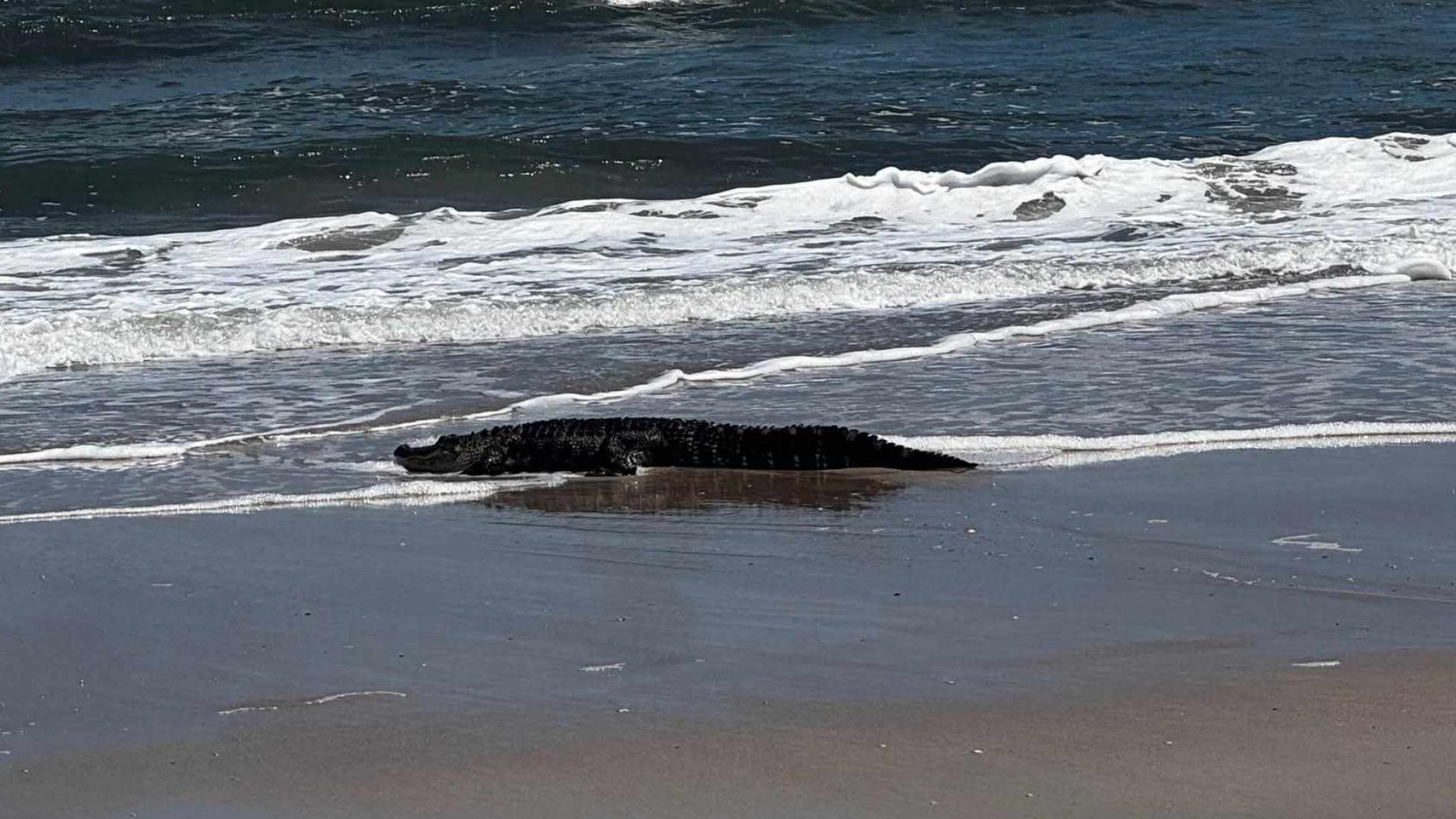
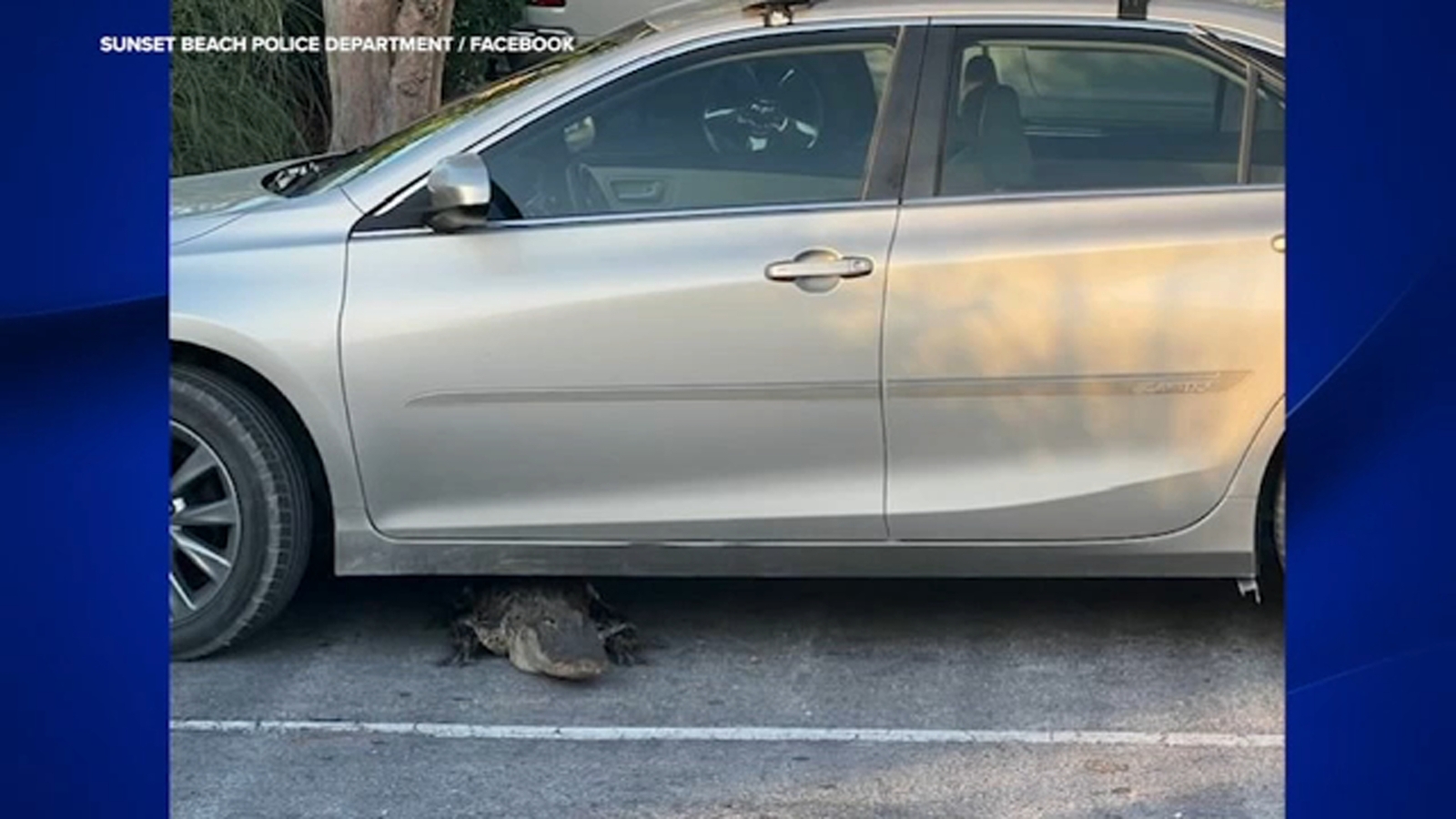
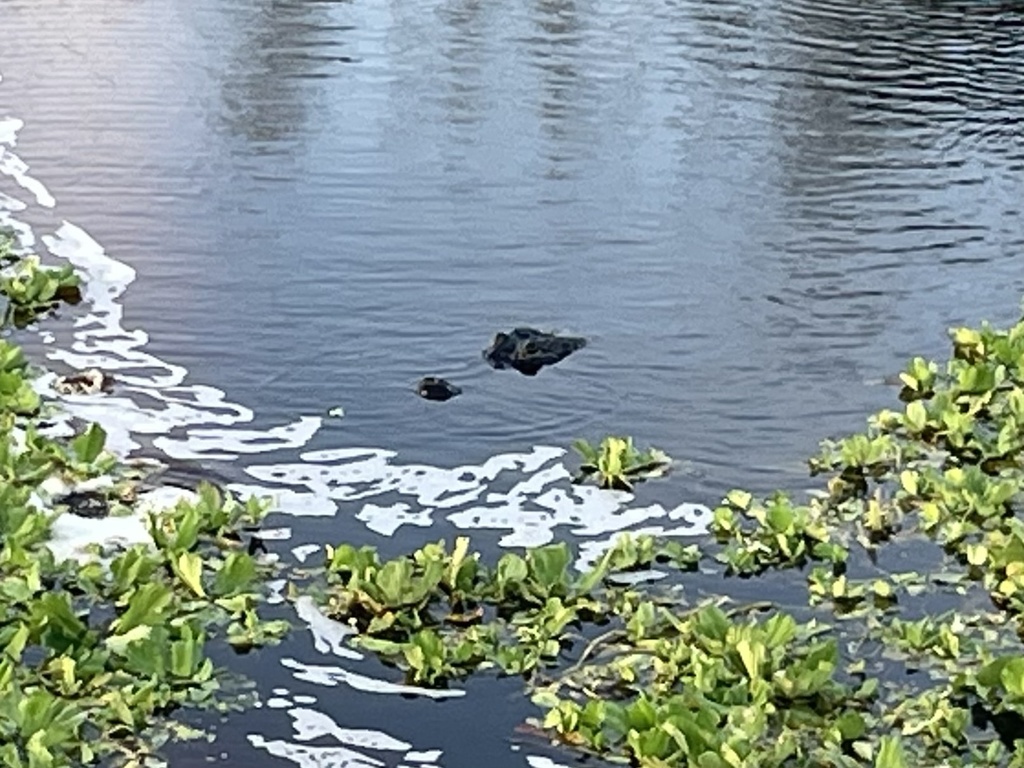
Alligator sightings on the beaches of Vero Beach, Florida, remained a significant point of public interest throughout 2025 and into 2026. While these reptiles primarily inhabit freshwater, the proximity of the Indian River Lagoon allows them to occasionally transition into the Atlantic surf for transit, parasite removal, or habitat exploration.
Understanding the "Beach Gator" Phenomenon in Vero Beach
Vero Beach, located in Indian River County, occupies a unique geographical position where the barrier island is narrow, separating the highly populated Atlantic coastline from the brackish waters of the Indian River Lagoon. This proximity is the primary driver behind the "beach gator" phenomenon. Although alligators are biological freshwater specialists, they are surprisingly mobile and adaptable, leading to the occasional viral sighting that captures the attention of residents and tourists alike.
The most famous recent incident occurred in April 2023, when a massive 10-foot alligator was captured on the sand near the Driftwood Resort and Humiston Beach Park. This event set a precedent for how local authorities and the Florida Fish and Wildlife Conservation Commission (FWC) handle such encounters. In 2025, several smaller-scale sightings were reported along the Treasure Coast, reinforcing the need for ongoing public education regarding the behavior of Alligator mississippiensis in saline environments.
As of 2026, wildlife biologists note that while these sightings are not becoming "common" in a statistical sense, social media and the ubiquity of high-definition smartphone cameras make them feel more frequent. For residents of Vero Beach, understanding the distinction between a random transit and a nuisance animal is essential for maintaining safety without succumbing to unnecessary alarm.
Biological Reality: Why Alligators Enter the Atlantic
To understand why an alligator would be on the beach in 2025, one must look at the biology of the species. Unlike the American Crocodile (Crocodylus acutus), which possesses specialized salt glands to excrete excess sodium, alligators are not equipped for long-term saltwater survival. However, they have a high tolerance for temporary immersion in the ocean for several strategic reasons.
Osmoregulation and Salt Tolerance
Alligators can survive in saltwater for several hours or even days by closing their mouth and nostrils tightly and using their nictitating membranes (clear third eyelids) to protect their eyes. They rely on "metabolic water" and must eventually return to freshwater to drink and flush their systems. The 2025 sightings in Vero Beach often involved gators that appeared lethargic on the sand; this is frequently a sign of the animal resting while its body processes the salt stress or simply waiting for the tide to change to facilitate an easier return to the lagoon.
Parasite Removal
One of the most fascinating reasons an alligator might be found in the Vero Beach surf is for hygiene. Freshwater environments are rife with leeches and other parasites that attach to the alligator’s hide, particularly in the softer tissue around the legs and jaw. Submerging in the highly saline Atlantic Ocean is an effective way for the alligator to kill these freshwater parasites. Observation of sightings in late 2025 suggested that some gators deliberately lingered in the wash-zone of the waves for this exact purpose.
Transit and Connectivity
The Treasure Coast is a labyrinth of canals, ponds, and lagoon systems. Sometimes, an alligator finds itself in a cul-de-sac of habitat and chooses the "ocean route" to move from one freshwater inlet to another. In Vero Beach, where the lagoon is often just a few hundred yards from the ocean, the beach serves as a convenient, if high-risk, shortcut for a wandering male looking for territory or a mate during the spring and summer months.
Public Safety and the FWC Response Framework
When an alligator is reported on a public beach like South Beach Park or Jaycee Park, the response is governed by the Statewide Nuisance Alligator Program (SNAP). As we look back at the protocols used in 2025, the priority remains the safety of beachgoers while minimizing the stress on the animal, provided it does not pose a direct threat.
The FWC generally considers an alligator a "nuisance" if it is at least four feet in length and believed to pose a threat to people, pets, or property. On a public beach, almost any alligator over five feet is treated as a nuisance due to the high density of human activity. In these cases, the FWC dispatches a contracted nuisance alligator trapper.
It is a common misconception that all beach-roaming gators are relocated. Because Florida has a healthy and robust alligator population, relocated gators often try to return to their capture site or are killed by established gators in the new territory. Consequently, those removed from public beaches are often harvested for their meat and hide or, in rarer cases, sent to alligator farms or zoos if they meet specific criteria.
Comparing Alligator and Crocodile Behavior on Florida Beaches
Vero Beach is part of a unique ecological "overlap zone" in Florida. While alligators are the primary subject of beach sightings in Indian River County, the American Crocodile has been expanding its range northward from the Everglades and Miami-Dade. Understanding the differences between these two is critical for accurate reporting and safety.
| Feature | American Alligator (A. mississippiensis) | American Crocodile (C. acutus) |
|---|---|---|
| Snout Shape | Broad, U-shaped; designed for crushing. | Narrow, V-shaped; designed for catching fish. |
| Visible Teeth | Only upper teeth visible when the mouth is closed. | Both upper and lower teeth visible, creating a "toothy" grin. |
| Coloration | Darker, often black or dark grey as adults. | Lighter, grayish-green or olive-brown. |
| Salt Tolerance | Low (temporary immersion only). | High (possesses functional salt-excreting glands). |
| Beach Behavior | Typically transient or resting for parasite removal. | More likely to be seen "surfing" or swimming in open salt water. |
| Prevalence | Extremely common throughout Florida. | Threatened; primary range is South Florida/Keys. |
Guidance for Beachgoers and Residents in 2026
As beach activity in Vero Beach remains high in 2026, visitors should adhere to established safety guidelines. An alligator on the beach is not looking to hunt humans; it is typically stressed, exhausted, or simply trying to get from point A to point B.
- Maintain Distance: The FWC recommends a minimum distance of 60 feet from any alligator. On the beach, where the animal may feel cornered by the dunes and the surf, this distance is even more critical.
- Keep Pets Leashed: Dogs are frequently the target of alligator curiosity. Alligators may mistake a small pet for natural prey like a raccoon or opossum. Never allow pets to swim in the surf if an alligator has been spotted in the vicinity.
- Avoid Evening Swims: Alligators are most active between dusk and dawn. While they are less likely to be in the ocean during these times than in the lagoon, visibility for humans is lower, increasing the risk of an accidental encounter.
- Do Not Feed the Wildlife: This is the most important rule in Florida. Feeding an alligator—even once—causes it to lose its natural fear of humans. A "fed gator" eventually becomes a "dead gator" because it will begin to approach people looking for food, necessitating its removal.
- Report Sightings Promptly: If you see an alligator on a Vero Beach beach, do not attempt to usher it back into the water. Call the FWC Nuisance Alligator Hotline at 866-FWC-GATOR (866-392-4286).
The Ecological Context of Indian River County
The health of the Indian River Lagoon (IRL) significantly impacts alligator behavior. In 2025, efforts to restore the lagoon's water quality and seagrass beds continued. When the lagoon's salinity fluctuates due to heavy rains or management of the Sebastian Inlet, alligators may move more frequently.
Furthermore, habitat fragmentation in the western parts of Vero Beach and Sebastian forces younger "sub-adult" alligators to seek out new territories. These younger gators are the ones most likely to end up in unusual places, such as backyard pools or the Atlantic beachfront, as they are pushed out of prime freshwater real estate by larger, dominant males.
For more information on the management of Florida's crocodilians, residents can consult the Florida Fish and Wildlife Conservation Commission and the Indian River County official wildlife portal.
Frequently Asked Questions
Can alligators swim in the ocean waves?
Yes, alligators are powerful swimmers and can navigate the surf zone with ease. However, they generally prefer calmer waters. If you see an alligator in the waves at Vero Beach, it is likely using the current to move down the coast or is in the process of hauling itself onto the sand to rest. They cannot stay in the heavy surf indefinitely due to the physical toll of the waves and the salt intake.
Are beach alligators more aggressive than those in lakes?
Not necessarily, but they are often more stressed. An alligator on a beach is in a foreign, harsh environment with no cover and high human visibility. This stress can lead to a heightened "fight or flight" response. While they are not out to hunt beachgoers, they will defend themselves if they feel crowded or provoked.
Why was there a spike in sightings in 2025?
While "spike" is a relative term, the perception of more sightings in 2025 was likely due to a combination of high spring temperatures and increased coastal development. Warmer winters in Florida mean alligators remain active longer and emerge from their dormant states earlier in the year, coinciding with the peak spring break tourist season in Vero Beach.
What happens to the alligator after it is trapped on Vero Beach?
In accordance with SNAP guidelines, most alligators over four feet that are trapped in high-traffic public areas like Vero Beach are euthanized and processed for their meat and hide. This is because alligators have a homing instinct; if relocated, they often travel long distances to return to their original territory, creating a recurring hazard and potential for conflict in other neighborhoods along the way.
Do alligators and crocodiles ever interact on the Vero Beach coastline?
Interactions are extremely rare but theoretically possible in the "overlap zone" of the Treasure Coast. In 2025 and 2026, crocodile sightings have trended slightly further north. However, the two species generally occupy different niches—crocodiles prefer the higher salinity of the mangroves and open bay, while alligators stick closer to the freshwater-influenced sections of the lagoon and canals.
Practical Recommendation for Residents
If you encounter an alligator on the beach, the most effective next action is to secure the area by informing nearby beachgoers and immediately contacting the FWC Nuisance Alligator Hotline. Do not attempt to take "selfies" or get close-up footage, as this can startle the animal and lead to a dangerous situation for you or others on the beach. For those living on the barrier island, it is also wise to check your property’s perimeter and pool area during the spring months, as alligators in transit may seek out residential pools as a temporary freshwater refuge after a dip in the Atlantic.