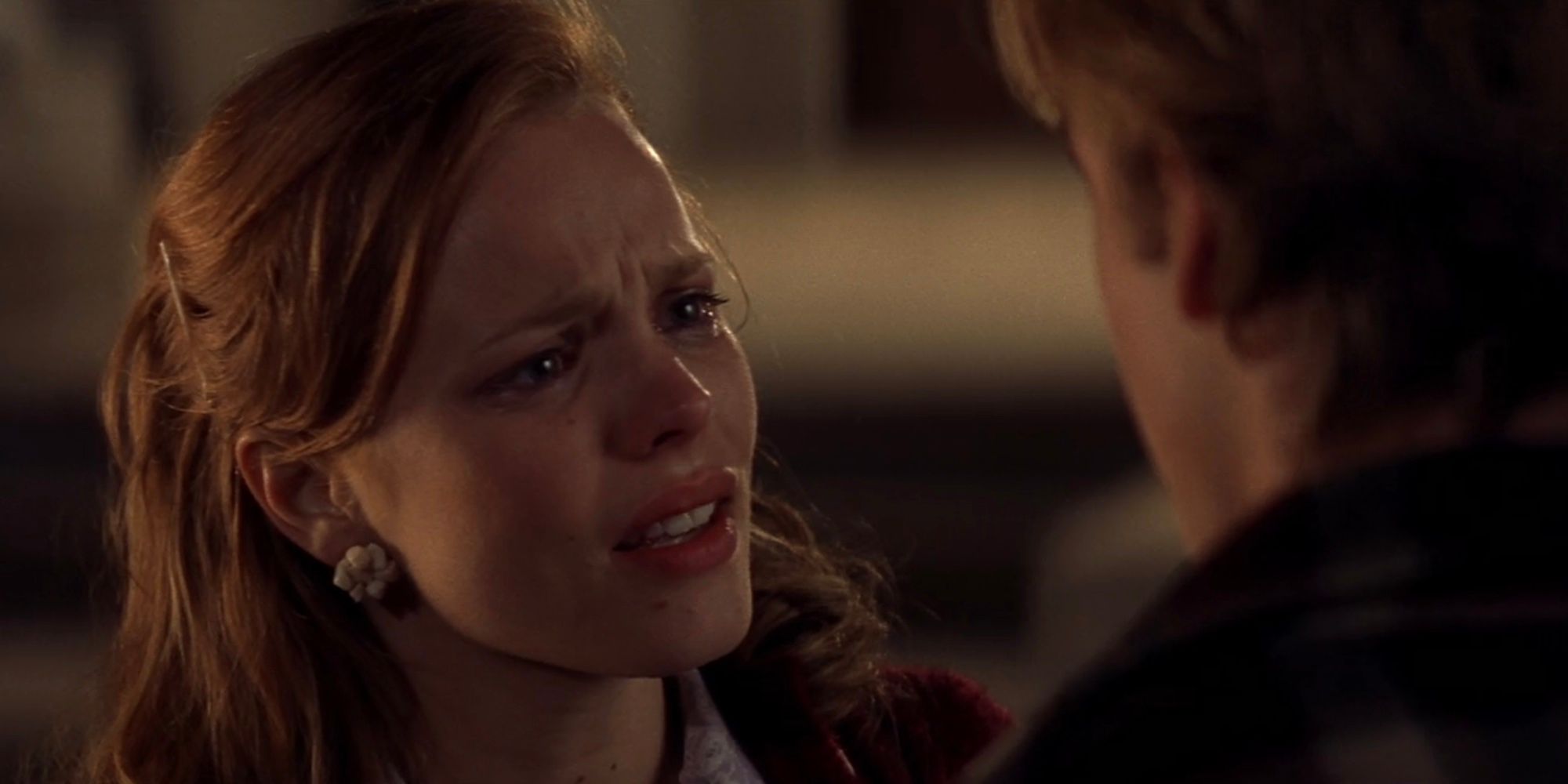
In the cinematic version of The Notebook, Allie Hamilton is portrayed as a seventeen-year-old during the pivotal summer of 1940, though many viewers associate her coming-of-age experience with being sixteen. In Nicholas Sparks’ original novel, she is actually fifteen when she first meets Noah Calhoun. Her teenage years serve as the narrative foundation for the film's exploration of class, choice, and enduring love.
Defining Allie’s Age: The Discrepancy Between Page and Screen
Understanding the age of Allie Hamilton requires a look at both the 1996 novel by Nicholas Sparks and the 2004 film adaptation. The prompt "Allie was sixteen in The Notebook" reflects a common middle-ground perception of the character, as her behavior and the social constraints she faces are quintessential to the "sweet sixteen" era of American history.
In the original novel, the timeline is set earlier. Allie Nelson (her surname in the book) is fifteen years old during the summer of 1932. Noah is seventeen. This two-year age gap is standard for adolescent romances of the time, but it places Allie in a much more vulnerable position regarding her parents' legal and social authority.
The film adaptation, directed by Nick Cassavetes, shifted the timeline to the summer of 1940. In this version, Allie is seventeen years old, and Noah is likely nineteen or twenty. This change was likely made to make the intense romantic scenes more palatable for a modern audience and to align with the ages of the actors. Rachel McAdams was 24 years old during filming, and playing a seventeen-year-old was a more natural fit than playing a fifteen-year-old. Despite the official "seventeen," the themes of the movie—first cars, parental curfews, and the transition from high school to college—are the hallmark experiences of a sixteen-to-seventeen-year-old in the mid-20th century.
The Summer of 1940: A Turning Point in Seabrook
The setting of Allie’s youth is not just a backdrop; it is a catalyst for the story's conflict. As a girl of seventeen (or sixteen in the minds of many fans), Allie is at a crossroads. In 1940, the United States was on the precipice of entering World War II, and the social expectations for wealthy young women were rigid.
Allie’s age is significant because it represents her final season of relative freedom before she is expected to enter the "marriage market" of the Southern aristocracy. Her family, the Hamiltons, views Seabrook as a temporary retreat, a place for their daughter to relax before she begins her formal education at Sarah Lawrence College. At sixteen or seventeen, a young woman’s primary duty was to maintain her reputation and secure a future with a man of equal or greater social standing.
Noah Calhoun, a laborer at the local lumber mill, represents everything Allie’s parents fear. Because she is still a minor under their roof, her age gives her parents, specifically her mother Anne, the leverage to intervene. The "summer love" is dismissed by the adults as a passing adolescent whim precisely because of her age.
The Socio-Economic Pressures on a Teenage Allie Hamilton
The tension in The Notebook arises from the collision of adolescent passion and adult pragmatism. When we analyze Allie at sixteen or seventeen, we see a character who is biologically ready for adulthood but socially tethered to her parents' wealth.
The Expectation of Sarah Lawrence
For a girl in Allie’s position in the 1940s, education was often a finishing school for the elite. Her acceptance into Sarah Lawrence College in New York was a status symbol. At seventeen, her path was pre-determined: a summer in Seabrook, four years of college, and a marriage to a man like Lon Hammond Jr. By falling for Noah, Allie deviates from a script that had been written for her since birth.
Parental Control and the "Trashy" Label
One of the most famous scenes in the film involves Allie’s mother taking her to the "other side of the tracks" to see an older Noah-like figure. This is a direct attempt to "scare" a seventeen-year-old girl into realizing the consequences of her choices. Anne Hamilton views Allie’s age as a period of susceptibility where she can still be steered away from a life of perceived poverty and hardship.
Noah and Allie: The Dynamics of First Love
The intensity of Noah and Allie’s relationship is fueled by the neurological and emotional realities of being sixteen or seventeen. Research in adolescent psychology suggests that first loves are felt more intensely because the prefrontal cortex—the area of the brain responsible for impulse control and long-term planning—is still developing.
For Allie, Noah is not just a boyfriend; he is her first taste of autonomy. With Noah, she jumps into the water from heights, eats cherries in the street, and experiences a sensory world that her structured upbringing denied her. Her age is the "why" behind the recklessness of their romance. A thirty-year-old Allie might have considered the logistics of a cross-class relationship, but a sixteen-year-old Allie only considers the feeling of the moment.
Timeline Comparison Table
The following table clarifies the differences in Allie’s age and the story’s timeline across the two primary versions of The Notebook.
| Feature | The Novel (Nicholas Sparks) | The Film (2004) |
|---|---|---|
| Year of Meeting | 1932 | 1940 |
| Allie’s Age at Meeting | 15 | 17 |
| Noah’s Age at Meeting | 17 | 19-20 |
| Duration of Separation | 14 Years | 7 Years |
| Year of Reunion | 1946 | 1947 |
| Allie’s Age at Reunion | 29 | 24 |
| Location | New Bern, NC | Seabrook, SC |
| Allie's Education | Not heavily emphasized | Sarah Lawrence College |
The 14-Year Gap: From Adolescence to Adulthood
While the movie shortens the separation to seven years to keep the actors in a similar age range, the book emphasizes a 14-year gap. This gap is crucial because it transforms Allie from a teenager of fifteen or sixteen into a woman of twenty-nine.
The Allie we see at the end of the separation is no longer the girl who needed her parents' permission to stay out late. However, the "sixteen-year-old" version of herself remains the most authentic version in her own mind. This is a central theme of the story: the idea that our adolescent selves hold the key to our true desires before the world "tells us" who we should be.
When Allie returns to Seabrook as a woman in her mid-twenties (film) or late twenties (book), she is looking to see if the girl she was at sixteen still exists. The "Notebook" itself, read by the elderly Duke (Noah), serves as a bridge back to that specific age of innocence.
Why Allie’s Age Matters to the Theme of Choice
The climax of Allie's story revolves around a choice between two men: Noah and Lon. This choice is only powerful because we saw her at sixteen/seventeen.
- Lon Hammond Jr.: Represents the logical progression of the life her parents chose for her. He is wealthy, handsome, and kind. He is the "adult" choice.
- Noah Calhoun: Represents the emotional core of her youth. He is the "sixteen-year-old" choice that she never outgrew.
If Allie had met Noah for the first time at age 24, the story would be a simple romance. But because they met when she was a teenager, the story becomes a tragedy of lost time and a triumph of memory. Her age at the beginning establishes the "original sin" of her parents—separating two people who were essentially growing into adulthood together.
Behind the Scenes: Casting and Age Authenticity
In 2026, looking back at the 2004 production, the casting of Rachel McAdams remains a point of discussion for film historians. McAdams was significantly older than seventeen, which is a common practice in Hollywood (often called "Dawson’s Casting").
The benefit of this casting was that McAdams could bring a level of sophisticated chemistry to the role that a real sixteen-year-old might have struggled with. However, it also contributed to the audience's confusion about Allie's age. Because McAdams looked like a young woman rather than a child, many viewers aged her up to eighteen or nineteen in their minds, while others, focusing on the "summer before college" plot point, correctly identified her as seventeen. The "sixteen" label often persists because it is the quintessential age of the American teenage experience in literature.
Frequently Asked Questions
How old was Allie when she first met Noah?
In the film, Allie is 17 years old. In the Nicholas Sparks novel, she is 15 years old. The discrepancy is due to the film's need to adapt the story for a slightly older demographic and the logistical considerations of the actors' appearances.
Why did Allie’s parents move her away from Noah?
Allie’s parents, particularly her mother, disapproved of Noah’s social status. He was a "country boy" with no financial prospects, while Allie was headed to an elite college. They viewed her relationship as a reckless teenage fling that would ruin her future prospects.
Was the movie based on a true story?
Yes, Nicholas Sparks was inspired by the grandparents of his wife, Cathy. They had been married for over 60 years and had a relationship that mirrored the enduring devotion of Noah and Allie. However, the specific characters of Allie and Noah are fictionalized.
How many years pass before Allie and Noah see each other again?
In the movie, seven years pass. In the book, the separation lasts for 14 years. The longer gap in the book emphasizes the "lost decade" Allie spent trying to conform to her parents' expectations before finally following her heart.
What happened to the letters Noah wrote?
Noah wrote Allie 365 letters—one for every day of the year after she left. Allie’s mother, Anne, intercepted them and hid them, preventing Allie from knowing that Noah had tried to reach her. This is a key plot point that highlights Allie's lack of agency due to her age and living situation.
Practical Recommendation for Fans and Researchers
If you are researching the timeline of The Notebook for academic or creative purposes, it is essential to specify whether you are referencing the 1996 novel or the 2004 film. The two-year difference in Allie's starting age (15 vs. 17) significantly alters the legal and social context of her relationship with Noah.
For the most accurate understanding of Allie Hamilton's character arc, read the novel's first few chapters to see her "sixteen-year-old" (actually fifteen) perspective on the Great Depression-era South, and then watch the film to see how the 1940s aesthetic reshaped that experience. Understanding this evolution helps clarify why Allie's age remains a point of fascination: it is the moment her life split into the "path taken" and the "path desired."