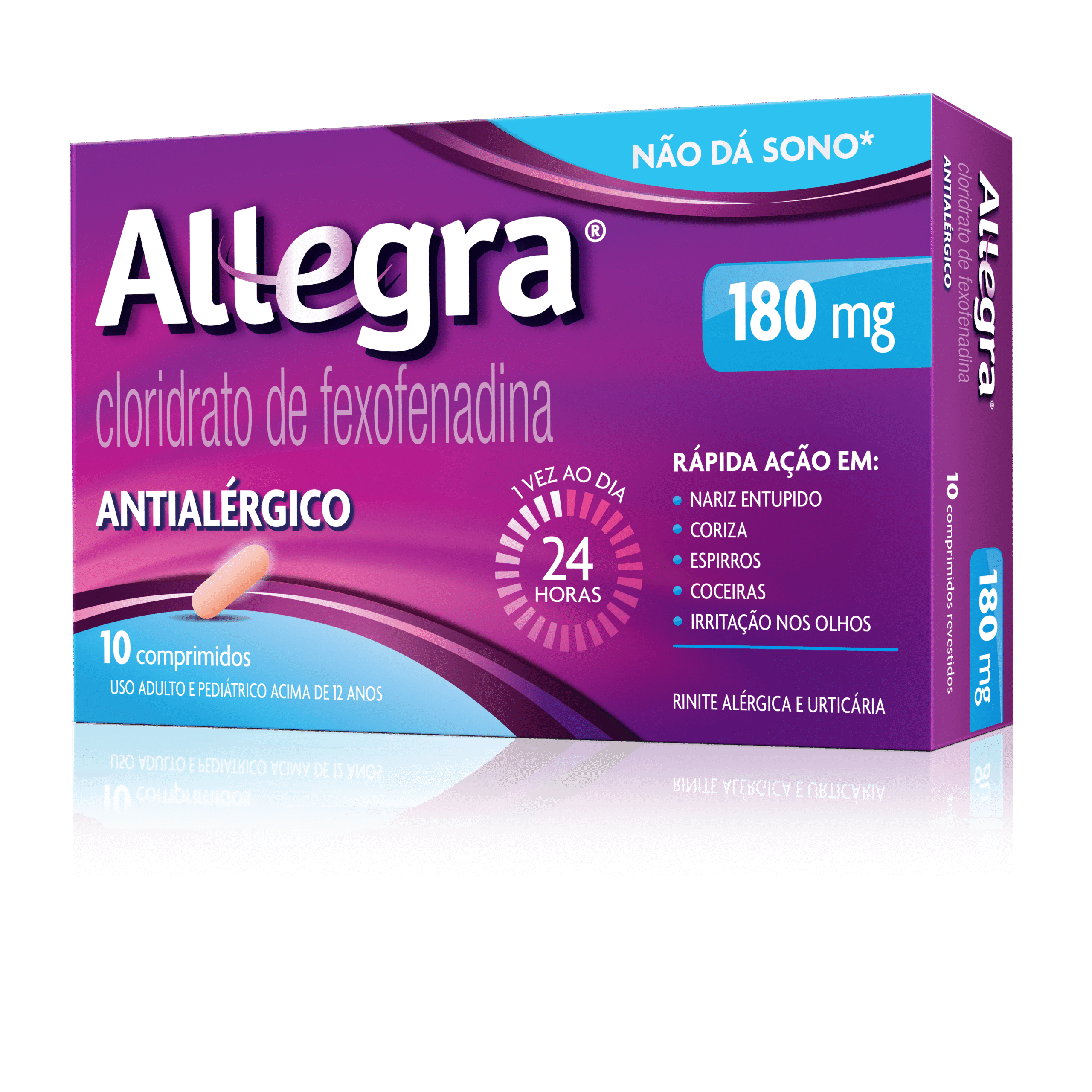
Allegra-D contains two primary active ingredients: fexofenadine hydrochloride, a second-generation antihistamine that provides non-drowsy relief from allergy symptoms, and pseudoephedrine hydrochloride, a potent decongestant that reduces swelling in the nasal passages. This dual-action formula is designed to treat both systemic allergy symptoms and localized sinus pressure simultaneously.
As of 2026, Allegra-D remains one of the most widely utilized over-the-counter (OTC) medications for the management of seasonal allergic rhinitis complicated by nasal congestion. While the base medication, Allegra (fexofenadine), is available on open shelves, the "D" version—denoting the addition of a decongestant—is subject to specific regulatory requirements due to its chemical components. Understanding how these two active ingredients interact with the human body is essential for maximizing efficacy while minimizing potential side effects.
The Dual-Action Formula: An Overview of Allegra-D
Allegra-D is categorized as a combination medication. Unlike standard Allegra, which only addresses the histamine response, Allegra-D targets two distinct physiological pathways. This makes it particularly effective for individuals who experience "stuffy" or "plugged" sensations in their sinuses alongside typical allergy symptoms like sneezing, itchy throat, or watery eyes.
The medication is available in two primary strengths: a 12-hour formulation and a 24-hour formulation. The difference between these products lies not in the nature of the active ingredients, but in their concentrations and the extended-release technology used to deliver them over a specific timeframe.
Why Combine an Antihistamine and a Decongestant?
Allergies occur when the immune system overreacts to a harmless substance, such as pollen or pet dander. This reaction triggers the release of histamine, which causes inflammation and fluid secretion. While antihistamines are excellent at stopping the "leakiness" (runny nose and watery eyes), they often do little to shrink the swollen tissues inside the nasal cavity that cause the sensation of blockage. By adding pseudoephedrine, Allegra-D addresses the physical obstruction that antihistamines alone cannot resolve.
Deep Dive: Fexofenadine Hydrochloride (The Antihistamine)
Fexofenadine hydrochloride is the component responsible for blocking the effects of histamine in the body. It belongs to a class of drugs known as second-generation H1-receptor antagonists.
Mechanism of Action
When an allergen enters the body, it binds to IgE antibodies on mast cells, causing them to "degranulate" and release histamine. Histamine then seeks out H1 receptors located on blood vessels and sensory nerves. When histamine binds to these receptors, it causes the symptoms we associate with allergies.
Fexofenadine works by acting as a competitive antagonist at these H1 receptors. Essentially, it "parks" in the receptor site, preventing histamine from binding. Because the fexofenadine molecule is large and polar, it does not easily cross the blood-brain barrier. This is a critical distinction from first-generation antihistamines like diphenhydramine (Benadryl), which enter the central nervous system and cause significant sedation. Fexofenadine is widely considered the least sedating of all modern OTC antihistamines.
History and Development
Fexofenadine was developed as a safer alternative to terfenadine (Seldane). In the late 1990s, it was discovered that terfenadine could cause dangerous heart rhythm issues when taken with certain other medications. Researchers found that fexofenadine was the active metabolite of terfenadine—the substance the body actually uses—but without the cardiac risks associated with its predecessor. This discovery led to the FDA approval of fexofenadine as a standalone treatment.
Deep Dive: Pseudoephedrine Hydrochloride (The Decongestant)
The "D" in Allegra-D stands for pseudoephedrine, a sympathomimetic amine. This ingredient is responsible for the rapid relief of nasal and sinus congestion.
Mechanism of Action
Pseudoephedrine works by stimulating alpha-adrenergic receptors in the smooth muscle of the blood vessels within the nasal mucosa. This stimulation causes vasoconstriction—the narrowing of the blood vessels. When the blood vessels in the nasal passages shrink, the swelling of the mucous membranes decreases, fluid drainage is improved, and the patient can breathe more easily through the nose.
Additionally, pseudoephedrine has a mild stimulatory effect on beta-adrenergic receptors, which can lead to increased heart rate and bronchodilation. This is why many users report feeling "jittery" or having difficulty sleeping after taking medications containing pseudoephedrine.
The Regulatory Landscape of Pseudoephedrine
As of 2026, pseudoephedrine remains a restricted substance in many jurisdictions, including the United States, under the Combat Methamphetamine Epidemic Act. Because pseudoephedrine can be chemically diverted to manufacture illicit methamphetamine, it is kept "behind the counter." While you do not need a prescription in most states, you must provide a government-issued ID, and your purchase is logged in a national database (NPLEx) to ensure you do not exceed daily or monthly legal limits.
Understanding the Formulations: 12-Hour vs. 24-Hour
The choice between Allegra-D 12 Hour and Allegra-D 24 Hour depends on the severity of symptoms and the user's tolerance for the decongestant component.
| Feature | Allegra-D 12 Hour | Allegra-D 24 Hour |
|---|---|---|
| Fexofenadine HCl Content | 60 mg | 180 mg |
| Pseudoephedrine HCl Content | 120 mg | 240 mg |
| Dosing Schedule | One tablet every 12 hours | One tablet every 24 hours |
| Delivery System | Extended-release matrix | Dual-layer extended-release |
| Primary Use | Intermittent or moderate symptoms | Severe or chronic daily congestion |
| Best For | Daytime relief (avoids late-night stimulation) | Round-the-clock symptom control |
It is important to note that the 24-hour version contains a significantly higher dose of pseudoephedrine (240 mg). For individuals sensitive to stimulants, the 12-hour version taken only in the morning may be preferable to avoid insomnia.
The Significant Interaction with Fruit Juices
One of the most unique technical aspects of fexofenadine is its interaction with certain fruit juices, specifically grapefruit, orange, and apple juice. This is not a dangerous interaction like those seen with some cholesterol medications, but rather one that significantly reduces the drug's effectiveness.
The OATP1A2 Protein
Fexofenadine relies on a transport protein called Organic Anion Transporting Polypeptide 1A2 (OATP1A2) to be absorbed from the gut into the bloodstream. Compounds found in fruit juices—particularly naringin and related flavonoids—inhibit this transport protein.
Clinical studies have shown that consuming fexofenadine with orange or grapefruit juice can reduce the bioavailability of the drug by up to 40%. To ensure the active ingredient works as intended, it is recommended to take Allegra-D only with water and to avoid fruit juices for at least two hours before and after dosing.
Pharmacokinetics: How Allegra-D Moves Through the Body
To understand how Allegra-D works, we must look at its pharmacokinetics—how the body absorbs, distributes, metabolizes, and excretes the active ingredients.
- Absorption: Both fexofenadine and pseudoephedrine are absorbed in the gastrointestinal tract. However, the tablets use an extended-release coating. It is vital never to crush or chew an Allegra-D tablet, as this would cause a "dose dump" of the decongestant, leading to potentially dangerous levels of pseudoephedrine in the bloodstream.
- Distribution: Fexofenadine is highly protein-bound (about 60-70%), while pseudoephedrine distributes widely into tissues.
- Metabolism: Fexofenadine undergoes very little metabolism by the liver (less than 5%). It is primarily excreted unchanged. Pseudoephedrine is partially metabolized in the liver to an active metabolite called norpseudoephedrine.
- Excretion: The kidneys are the primary route of elimination for both ingredients. Fexofenadine is mostly excreted in the feces (80%) and urine (11%), while pseudoephedrine is primarily cleared through urine.
Because these drugs are cleared by the kidneys, individuals with decreased renal function (kidney disease) must consult a physician before use, as the drugs may accumulate in the system and lead to toxicity.
Potential Side Effects and Safety Considerations
While both active ingredients are generally safe for the healthy adult population, the stimulant nature of pseudoephedrine introduces several contraindications.
Common Side Effects
- Pseudoephedrine-related: Insomnia, restlessness, increased heart rate (tachycardia), palpitations, and mild increases in blood pressure.
- Fexofenadine-related: Headache, back pain, and dizziness. Unlike older antihistamines, fexofenadine is highly unlikely to cause dry mouth or constipation.
Critical Contraindications
Certain groups of people should avoid Allegra-D unless specifically directed by a healthcare provider:
- Hypertension (High Blood Pressure): Decongestants cause systemic vasoconstriction, which can dangerously elevate blood pressure.
- Glaucoma: Pseudoephedrine can increase intraocular pressure.
- Benign Prostatic Hyperplasia (BPH): The decongestant can cause urinary retention by tightening the muscles in the bladder neck.
- MAOI Users: Taking Allegra-D while on Monoamine Oxidase Inhibitors (used for depression or Parkinson's) can lead to a hypertensive crisis.
- Cardiovascular Disease: The increased cardiac demand from pseudoephedrine can be dangerous for those with pre-existing heart conditions.
Comparative Performance: Why Use Allegra-D Over Competitors?
In the crowded landscape of 2026 allergy medications, Allegra-D maintains its position through a balance of safety and efficacy. When compared to Claritin-D (loratadine/pseudoephedrine) or Zyrtec-D (cetirizine/pseudoephedrine), fexofenadine distinguishes itself by being truly non-drowsy.
While cetirizine (Zyrtec) is highly effective, it has a documented sedation rate of about 10% in clinical trials. Fexofenadine's sedation rate is equivalent to a placebo. For pilots, heavy machinery operators, or students who need to remain sharp, the fexofenadine component in Allegra-D is often the preferred choice.
Furthermore, compared to over-the-counter nasal sprays containing oxymetazoline (like Afrin), the pseudoephedrine in Allegra-D does not carry the risk of "rebound congestion." Nasal sprays used for more than three days can cause the nasal tissues to become dependent on the drug, leading to worse congestion when the drug wears off. Oral decongestants like the one found in Allegra-D do not typically cause this phenomenon.
Best Practices for Taking Allegra-D
To get the most out of the active ingredients, users should follow these guidelines:
- Take on an empty stomach: For optimal fexofenadine absorption, take the medication one hour before or two hours after a meal.
- Hydration is key: Decongestants can be drying. Drinking plenty of water helps thin mucus, making the medication's job easier.
- Timing: If using the 24-hour version and you experience insomnia, try taking the dose as early in the morning as possible.
- Consistency: For seasonal allergies, Allegra-D works best when taken consistently during the allergy season rather than "as needed" for acute symptoms, as it allows the antihistamine levels to stabilize in the blood.
FAQ: Common Questions About Allegra-D Ingredients
Can I take Allegra-D with my morning coffee?
While there is no direct chemical interaction between caffeine and fexofenadine, both caffeine and pseudoephedrine are stimulants. Combining them can lead to an increased heart rate, jitters, and heightened anxiety. If you are sensitive to stimulants, it is best to limit caffeine intake while taking Allegra-D.
Is fexofenadine safe for children?
Fexofenadine is approved for children as young as six months in specific liquid formulations. However, the "D" (pseudoephedrine) component in Allegra-D is generally not recommended for children under 12 years of age in the extended-release tablet form. Always consult a pediatrician before administering combination cold or allergy medications to children.
How long does it take for the ingredients to start working?
Pseudoephedrine typically begins to provide decongestant relief within 30 to 60 minutes. Fexofenadine reaches peak plasma concentrations in about two to three hours, though many users report a reduction in sneezing and itching within the first hour.
Can I drink alcohol while taking Allegra-D?
Alcohol generally interacts poorly with antihistamines. Although fexofenadine is non-drowsy, alcohol can exacerbate any potential dizziness. Furthermore, alcohol can increase heart rate, which, when combined with pseudoephedrine, may cause cardiovascular discomfort. It is advisable to avoid or strictly limit alcohol consumption while on this medication.
What should I do if I miss a dose?
If you miss a dose of Allegra-D, take it as soon as you remember. However, if it is almost time for your next scheduled dose, skip the missed dose and resume your regular schedule. Never double the dose to "catch up," as this increases the risk of pseudoephedrine toxicity.
Practical Recommendations
When choosing Allegra-D, the most important step is to verify that you actually require a decongestant. If your only symptoms are sneezing and itchy eyes, a standard fexofenadine product (without the "D") is a safer and more cost-effective choice that avoids the systemic side effects of pseudoephedrine.
However, if you are struggling with significant sinus pressure or a completely blocked nose that interferes with your daily life, the dual-action formula of Allegra-D is highly effective. Ensure you purchase the product from a reputable pharmacy, verify the expiration date, and always consult with a pharmacist if you are taking other medications for blood pressure, thyroid issues, or mental health. By understanding the specific roles of fexofenadine and pseudoephedrine, you can better manage your allergy symptoms and maintain your quality of life during peak pollen seasons.
Disclaimer: This article is for informational purposes only and does not constitute medical advice. Always seek the advice of a physician or other qualified health provider with any questions regarding a medical condition or the use of medications.