When all 30 days of Ramadan have passed, the Islamic month of fasting concludes, signaling the arrival of the month of Shawwal and the celebration of Eid al-Fitr. This transition marks the end of obligatory fasting and the beginning of a period focused on gratitude, spiritual maintenance, and the reintroduction of regular eating patterns.
The completion of the 30-day fast in 2026 represents a significant spiritual milestone. Whether the month lasted 29 or 30 days—determined by the sighting of the new crescent moon—the conclusion brings a mix of emotions: the joy of accomplishment and the solemnity of saying goodbye to a month of heightened mercy. However, the end of the month is not the end of the spiritual journey. It is a "graduation" that requires specific religious actions, social obligations, and a strategic plan to maintain the habits formed during the month.
Understanding the Completion of the Lunar Cycle
In the Islamic Hijri calendar, months are determined by the lunar cycle, which typically lasts 29 or 30 days. When all 30 days of Ramadan have passed, the month is mathematically and observationally complete. There is no 31st day in a lunar month. In 2026, the month of Ramadan (1447 AH) began in mid-February and concluded in mid-March.
The transition from the 30th day of Ramadan to the 1st of Shawwal is a profound shift. For 30 days, the routine was governed by Suhoor (the pre-dawn meal) and Iftar (the meal to break the fast). Once the sun sets on the 30th day, the fast is over, and the atmosphere shifts toward the festivities of Eid. This transition is verified through "Moon Sighting" committees and astronomical calculations, which confirm that the Hilal (crescent moon) of Shawwal has been birthed.
The Significance of the 30th Day
Completing the full 30-day term is often seen as a blessing, as it provides an extra day of worship, extra opportunities for Laylat al-Qadr (The Night of Power) in the final odd nights, and more time for personal supplication. When the moon is not sighted on the 29th evening, the Prophet Muhammad (peace be upon him) instructed believers to "complete the period of thirty days." This ensures that the community remains unified in their worship and celebration.
Immediate Religious Obligations: Zakat al-Fitr
One of the most critical tasks to complete once the 30 days are coming to an end is the payment of Zakat al-Fitr. This is a mandatory charitable contribution that must be paid by every self-sufficing Muslim who has food in excess of their needs.
Purpose and Timing
Zakat al-Fitr serves two primary purposes:
- Purification: It acts as a means to purify the fasting person from any indecent act or speech committed during the month.
- Social Welfare: It ensures that the poor and needy have enough resources to celebrate Eid al-Fitr along with the rest of the community.
The deadline for this payment is strict. It must be paid before the Eid prayer begins. If it is paid after the prayer, it is considered ordinary charity (Sadaqah) rather than the obligatory Zakat al-Fitr. Many people choose to pay it during the last few days of Ramadan to ensure it reaches the beneficiaries in time for 2026 Eid festivities.
Calculation of Zakat al-Fitr
The amount is traditionally equivalent to one Sa’ (approximately 2.5kg to 3kg) of staple food, such as rice, barley, or dates. In modern practice, many Islamic organizations provide a monetary equivalent based on local food prices. In 2026, most jurisdictions estimate this at approximately $10 to $15 per person in the household.
| Item | Requirement |
|---|---|
| Who pays? | The head of the household for themselves and all dependents. |
| When to pay? | Before the Eid al-Fitr prayer (ideally 1–2 days before). |
| To whom? | The poor, the needy, and those in debt. |
| Amount (2026) | Variable by region (approx. 3kg of staple food or cash equivalent). |
Celebrating Eid al-Fitr: The Festival of Breaking the Fast
As soon as the 30 days of Ramadan have passed, the first of Shawwal begins. This day is Eid al-Fitr. It is forbidden (Haram) to fast on this day. The celebration is a reward for the discipline shown during the preceding month.
The Sunnah of Eid Morning
There are several traditional practices (Sunnah) that are encouraged on the morning of Eid:
- Ghusl: Performing a ritual bath before heading to the prayer.
- Eating before Prayer: Unlike Eid al-Adha, it is a Sunnah to eat something (usually an odd number of dates) before leaving for the Eid al-Fitr prayer to signify that the fasting period has ended.
- New Clothes: Wearing one's best clothes, often new, to honor the occasion.
- Takbirat: Reciting the praises of God (Allahu Akbar, Allahu Akbar...) from the time of leaving home until the start of the Eid prayer.
- Different Routes: Taking one path to the prayer ground and a different path back to meet and greet more members of the community.
The Eid Prayer
The Eid prayer is a congregational prayer consisting of two units (Rak'ahs) with additional Takbirs (shouts of "God is Greatest"). In 2026, as in every year, this prayer is held in large open spaces or major mosques to accommodate the entire community. It is followed by a Khutbah (sermon), which usually focuses on themes of gratitude, perseverance, and the importance of maintaining the spirit of Ramadan.
Maintaining Spiritual Momentum: The Concept of Istiqamah
A common phenomenon after all 30 days of Ramadan have passed is the "post-Ramadan slump." After a month of intensive prayer and community connection, many individuals feel a sudden drop in their spiritual energy. In Islamic theology, the concept of Istiqamah (steadfastness) is the remedy for this decline.
The Sign of an Accepted Ramadan
Scholars often note that a sign of an "accepted" Ramadan is the improvement of one’s character and habits after the month has ended. If a person returns immediately to old, negative habits, the transformative power of the fast may have been missed.
To maintain momentum, consider the "Small and Consistent" rule. The Prophet Muhammad (pbuh) said, "The most beloved of deeds to Allah are those that are most consistent, even if they are small." Instead of trying to read a full chapter of the Quran daily as you might have done in Ramadan, commit to five minutes of reading every morning in Shawwal.
Practical Steps for Consistency
- Keep the Five Prayers: Ensure the five daily prayers remain the anchor of your day.
- Sustained Charity: If you gave frequently in Ramadan, set up a small monthly recurring donation.
- Night Prayer (Tahajjud): Even if you don't wake up every night, try to perform a few units of prayer before dawn once a week.
- Fasting Habits: Transition from obligatory fasting to voluntary fasting.
The Six Days of Shawwal: Extending the Reward
Once the 30 days of Ramadan have passed, Muslims are encouraged to fast for six days during the month of Shawwal. These are not obligatory, but they carry a massive spiritual reward.
The Prophet Muhammad (pbuh) stated that whoever fasts the month of Ramadan and follows it with six days of Shawwal, it is as if they have fasted the entire year. This is based on the Quranic principle that a good deed is rewarded tenfold.
- 30 days of Ramadan x 10 = 300 days.
- 6 days of Shawwal x 10 = 60 days.
- Total = 360 days (a full lunar year).
Rules for the Shawwal Fasts
- Timing: These fasts can be done at any time during the month of Shawwal, except for the first day (Eid).
- Sequence: They do not have to be consecutive. You can fast Mondays and Thursdays, or any six days that fit your schedule.
- Prerequisite: There is a scholarly debate regarding whether one must make up missed Ramadan fasts (due to illness, travel, or menstruation) before starting the six days of Shawwal. The safest and most recommended approach is to complete the missed obligatory fasts first.
Health and Nutrition: Transitioning Back to Normalcy
After 30 days of restricted eating windows, the body's metabolism and digestive system have adapted to a specific rhythm. Abruptly returning to heavy, frequent meals on the day after Ramadan can cause digestive distress, lethargy, and weight gain.
Digestive Reset
During Ramadan, the stomach shrinks slightly, and the production of digestive enzymes adjusts to the long gaps between meals. To transition safely:
- Hydrate Gradually: Start the day with water and maintain a steady intake throughout the day. Avoid excessive caffeine immediately, as it can lead to dehydration.
- Portion Control: Even though it is Eid, try to eat smaller portions more frequently rather than one massive feast.
- Probiotics: Incorporate yogurt or fermented foods to help rebuild gut flora that may have shifted during the month of fasting.
- Listen to Hunger Cues: Relearn the difference between actual hunger and the habit of eating because "it's time."
Comparative Table: Ramadan vs. Post-Ramadan Routine
| Aspect | During Ramadan | Post-Ramadan (Shawwal & Beyond) |
|---|---|---|
| Fasting | Obligatory (Fard) for 30 days. | Voluntary (Sunnah) - 6 days of Shawwal, Mondays/Thursdays. |
| Quran Intake | High volume, often completing the whole book. | Consistency over volume; daily reflection. |
| Night Prayer | Taraweeh in congregation. | Tahajjud or Qiyam-ul-Layl (at home or mosque). |
| Charity | Zakat and frequent Sadaqah. | Establishing a sustainable, long-term giving habit. |
| Diet | Suhoor and Iftar windows. | Return to regular breakfast, lunch, and dinner. |
Dealing with the "Ramadan Blues"
It is natural to feel a sense of sadness when the 30 days have passed. The "Ramadan Blues" occur because the intense communal atmosphere, the shared meals, and the clear spiritual focus provide a sense of purpose that can feel missing in the "normal" months.
To combat this, stay connected with the community. Many mosques continue to hold events, and maintaining friendships formed during Taraweeh can help bridge the gap. Additionally, reflecting on the lessons learned during the fast—patience, empathy for the poor, and self-control—can help integrate the "Ramadan version" of yourself into your everyday life.
Frequently Asked Questions
What happens if I missed some days of Ramadan?
If you missed days of fasting due to valid reasons such as illness, travel, or menstruation, these days must be made up (Qadha) before the next Ramadan arrives. While you have nearly a year to do this, it is recommended to complete them as soon as possible while the habit of fasting is still fresh.
Can I combine the intention for missed Ramadan fasts and the six days of Shawwal?
Most scholars of the major schools of thought (Hanafi, Shafi'i, Maliki, Hanbali) suggest that these intentions should be separate. The missed Ramadan fasts are a debt to God and are obligatory, whereas the Shawwal fasts are voluntary. To gain the full reward mentioned in the Hadith, it is generally advised to complete the makeup fasts first, then the six days of Shawwal.
When exactly does Ramadan end in 2026?
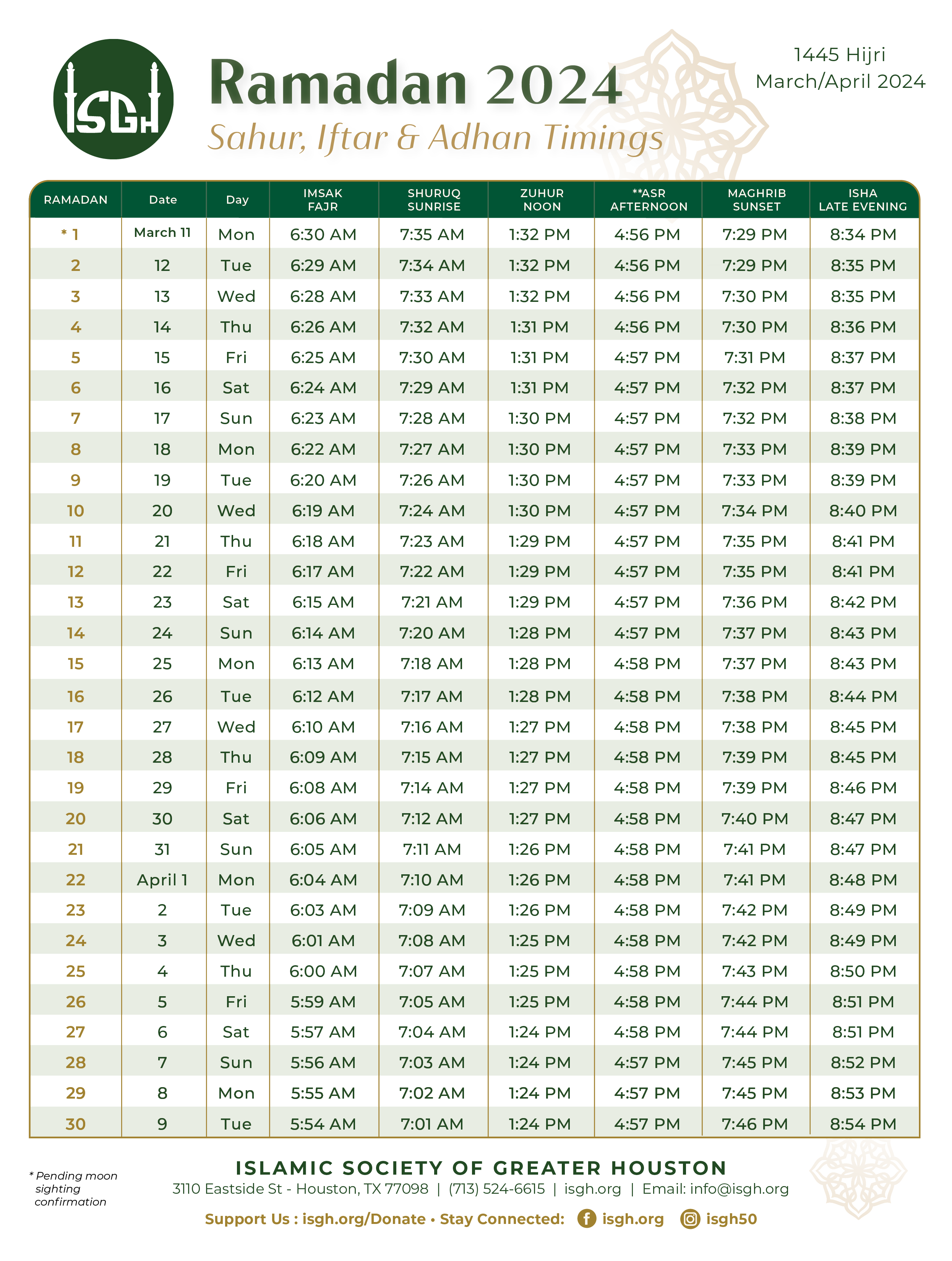
In 2026, Ramadan is projected to end around March 19th or 20th. The exact date depends on the sighting of the moon in your specific geographic location or the following of a global sighting, depending on your local mosque's methodology.
What is the significance of the "Takbirat" after 30 days?
The Takbirat are a way of glorifying God for the guidance provided during the month. It is a transition from the silence and restraint of fasting to the vocal and public expression of faith and gratitude. It is traditionally recited from the sunset of the last day of Ramadan until the start of the Eid prayer.
Is it okay to sleep all day on the day after Ramadan?
While the body needs rest after a month of interrupted sleep (due to Suhoor and late-night prayers), it is not recommended to spend the first day of Shawwal sleeping. Eid is a day of social interaction, visiting family, and celebrating. Balance rest with the Sunnah of being active and joyful within the community.
Final Recommendation: Setting Your Post-Ramadan Goals
As you reflect on the fact that all 30 days of Ramadan have passed, the most practical next step is to perform a "Spiritual Audit." Identify the one habit that was easiest for you to maintain during the month—whether it was avoiding gossip, praying on time, or giving charity—and make that your non-negotiable goal for the rest of 2026. By carrying even one small piece of Ramadan with you, you ensure that the month's influence lasts far beyond the 30 days of fasting.
Visit authoritative resources like Islamic Relief Worldwide for guidance on Zakat or Yaqeen Institute for in-depth spiritual reflections on maintaining consistency after the month of mercy.