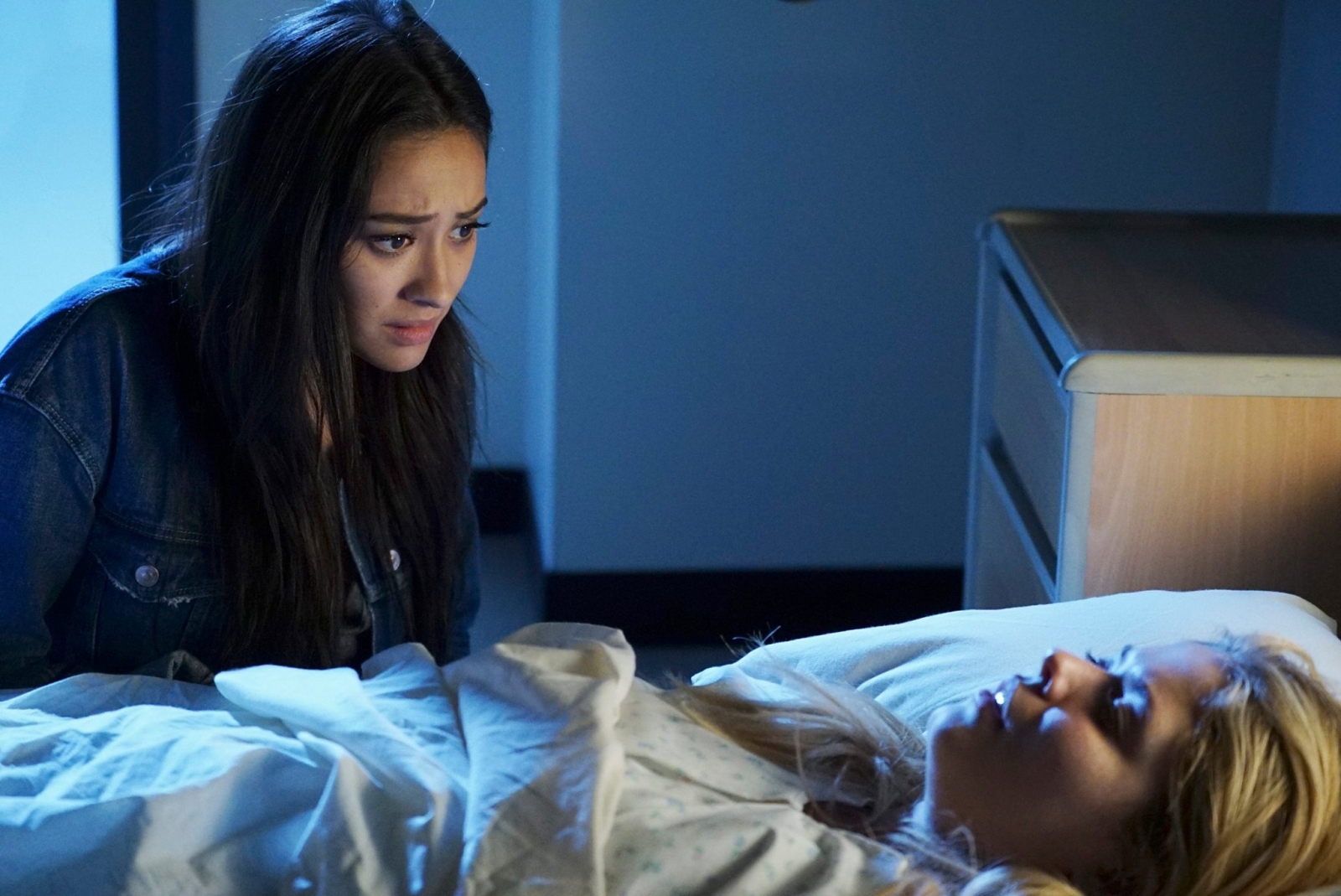
Yes, Alison DiLaurentis is alive throughout the vast majority of the television series Pretty Little Liars. While her apparent death serves as the central catalyst for the show’s premise, her survival is a verified plot development that reshapes the narrative, revealing that she was not the girl found in the grave, but rather a victim of a complex, long-term disappearance orchestrated to escape an unknown tormentor.
The Foundation of the Mystery: The Disappearance of Alison DiLaurentis
The entire narrative arc of Pretty Little Liars hinges on the disappearance of Alison DiLaurentis, the charismatic and manipulative "queen bee" of Rosewood High. In the pilot episode, the disappearance is framed as a tragedy: Alison vanishes during a sleepover, and her body is supposedly found a year later. This event haunts her four closest friends—Spencer Hastings, Hanna Marin, Aria Montgomery, and Emily Fields—triggering the anonymous harassment campaign led by the enigmatic figure known only as "A."
For several seasons, the audience and the protagonists operate under the assumption that Alison is deceased. The investigation into "who killed Alison" provides the motive for the series' initial conflicts, character developments, and the constant paranoia that defines the atmosphere of the show. However, as the mystery deepens, the evidence begins to point toward a much more complicated reality. The "body" identified as Alison was, in fact, Bethany Young, another patient from Radley Sanitarium, which establishes that the original investigation was built upon a fatal case of mistaken identity.
The Reveal: When and How Alison Returns
The revelation that Alison is alive is one of the most significant pivots in the show’s history. Viewers learn that Alison had been hiding in plain sight, having fled Rosewood on the night of her disappearance to escape someone who was actively trying to kill her. She lived a nomadic, fearful existence for years, constantly looking over her shoulder.
The transition from a ghost-like figure in flashbacks to a living, breathing participant in the present timeline occurs in the Season 4 episode, "Now You See Me, Now You Don't," with her full, public return to Rosewood occurring shortly thereafter. Her return does not end the drama; instead, it intensifies it. Having been away for so long, Alison finds that the friends she left behind have changed, and her influence over them has waned. Her return forces the group to confront their own secrets and the realization that their former friend is no longer the girl they remember.
Motivations for Secrecy and Survival
Alison’s decision to remain in hiding was driven by a combination of fear and tactical survival. She was the target of persistent, violent threats, and she correctly deduced that returning to her normal life in Rosewood would only place her in the line of fire. Her life on the run was characterized by:
- Paranoia: Alison could not trust anyone, leading her to move between locations and utilize different identities.
- Tactical Evasion: She utilized her pre-existing knowledge of the people around her to manipulate situations from a distance, even while she was officially considered dead.
- The Burden of Truth: She knew secrets about almost everyone in Rosewood, which made her a liability to many and a target for others.
When she eventually comes out of hiding, she is no longer the manipulative bully she once was—or at least, that is what she claims. The tension throughout the later seasons focuses on whether the "new" Alison is truly reformed or if she is simply employing different survival tactics to maintain control over her situation.
Comparison of Character Status: Alison vs. Other Missing Characters
To understand the scope of the mystery in Pretty Little Liars, it is helpful to look at how Alison’s status compares to other major characters whose fates were initially shrouded in mystery.
| Character | Initial Status | Final Fate | Key Context |
|---|---|---|---|
| Alison DiLaurentis | Presumed Dead | Alive | Faked disappearance to escape "A." |
| Bethany Young | Unknown | Deceased | The girl whose body was mistaken for Alison. |
| CeCe Drake (Charlotte) | Alive | Deceased | Revealed to be the tormentor "A" for a period. |
| Maya St. Germain | Missing | Deceased | Murdered by Lyndon James. |
This table illustrates that while death is a recurring theme in the series, the show frequently used the "presumed dead" trope to drive the narrative forward. Alison remains the most prominent example of a character subverting this expectation.
The Impact on the Protagonists
The return of Alison DiLaurentis acts as a massive disruption for the four main leads. For Aria, Spencer, Hanna, and Emily, Alison was the glue that held them together, but also the source of their deepest insecurities. When she comes back, they are forced to reconcile their grief with the reality that their friend had been manipulating them from the shadows.
This dynamic creates a fractured group. Some of the girls are relieved to have their friend back, while others are deeply suspicious of her motives. Alison’s presence forces them to navigate a new power structure where they are no longer her "puppets." This shift is essential to the show's later seasons, moving the focus from the search for a missing person to the struggle for independence and self-actualization.
Common Misconceptions Regarding Alison's Survival
Because the series spans several seasons and involves complex plot twists, several misconceptions regarding Alison’s story have persisted among viewers:
- "She was dead and brought back to life." This is false. She was never dead; the medical identification of the body found in the grave was incorrect.
- "She was 'A' the whole time." While Alison certainly had a hand in many of the events and manipulated her friends, she was not the primary "A" character throughout the series. Her role is more complex, often positioning her as both a victim and a perpetrator depending on the circumstances.
- "She remained the villain until the end." The show puts significant effort into depicting Alison’s attempt at redemption. Whether this redemption is perceived as sincere or manipulative is a core theme that the audience is invited to debate.
Investigative Challenges and The Role of the Police
The Rosewood Police Department, led largely by various detectives over the years, consistently fails to uncover the truth about Alison. Their inability to verify the identity of the body in the grave highlights the systemic incompetence and corruption within the town's official institutions. This narrative choice serves to keep the girls isolated, ensuring that they cannot rely on adult authority figures to solve their problems. Instead, they must rely on their own investigative skills, which are often rudimentary but ultimately more effective than those of the police force.
Navigating the Later Seasons: Her Role Post-Return
Following her return to Rosewood, Alison’s narrative arc shifts toward her integration into adult life. She attempts to reconnect with her family, specifically her brother Jason and her mother, both of whom are deeply involved in the tangled web of Rosewood’s secrets. She also begins a teaching career at Rosewood High, a move that is met with controversy given her past reputation.
Her struggle to overcome her past while constantly being dragged back into the drama of the "Liars" forms the backbone of her character development in the later seasons. She becomes a lens through which the show explores the difficulty of shedding a public identity, especially one as notorious as hers.
Frequently Asked Questions
Why was the wrong body identified as Alison’s? The police and medical examiners were misled by dental records and the fact that the body found was roughly the same age and size as Alison. Because of the traumatic circumstances and the pressure to close the case, the identification was processed with significant errors, allowing the real Alison to remain hidden.
Did Alison ever forgive her friends for their treatment of her? The relationship between Alison and the other girls is fraught with tension. While they eventually work together, the lingering resentment—on both sides—is a recurring point of contention. Her "forgiveness" is conditional and complex, reflecting the long history of toxicity in their dynamic.
Is there any point in the series where Alison is actually in danger again? Yes, frequently. Even after she returns to public life, she remains a target. The cycle of bullying and harassment continues under different iterations of "A," and Alison remains a focal point for those seeking revenge for past grievances.
Does Alison eventually leave Rosewood? Without detailing the final conclusions of the spin-offs, her arc within the primary series focuses on her transformation from a fugitive to a member of the community, even as the community itself continues to be haunted by the events of her youth.
How does Alison’s survival change the meaning of the "Liars" group name? Initially, they were liars because they covered up things like the "Jenna Thing." When Alison returns, they become liars for a different reason: they have to live with the knowledge that their friend, who they grieved for, has returned, fundamentally altering their sense of reality and trust.
Next Steps for Fans of the Series
If you are currently watching the series and are concerned about the status of characters, the best approach is to continue watching through the mid-season arcs of season 4. The show relies heavily on visual cues and non-linear storytelling, so paying attention to the details in the flashbacks is essential for catching the foreshadowing of Alison’s survival. For those who have completed the series and wish to dig deeper into the lore, examining the connections between the original books and the television adaptation provides further context on how Alison’s character was evolved for the screen.