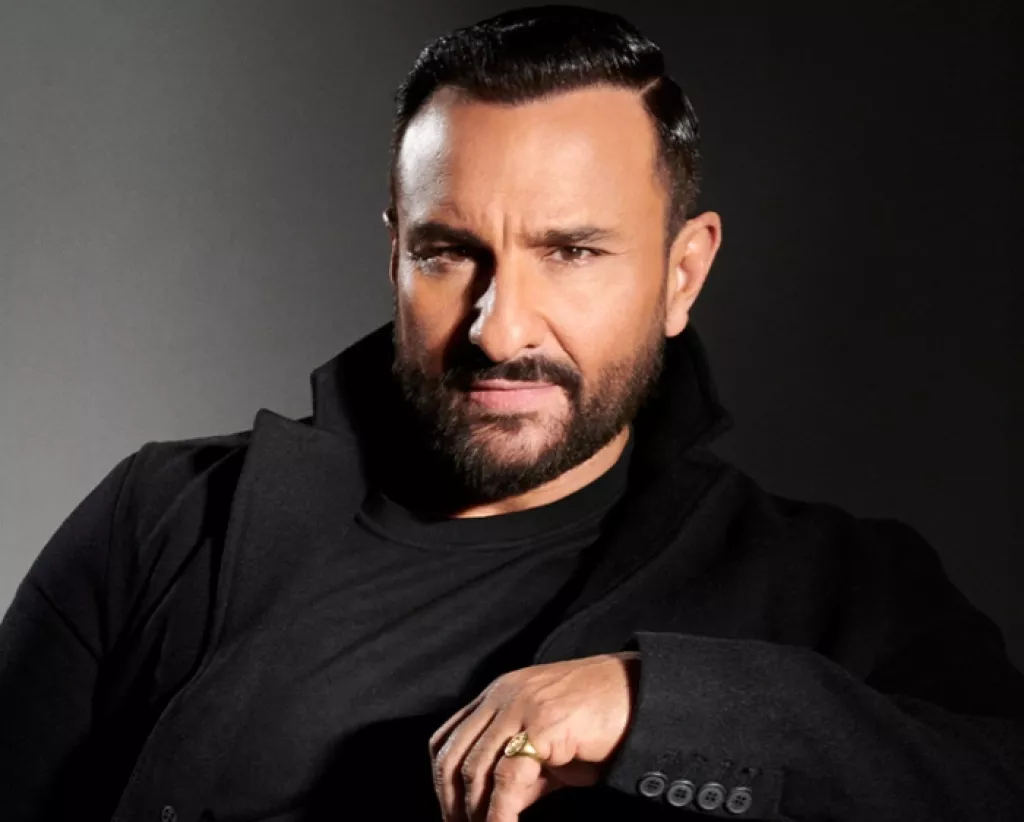
As of 2026, Ali Satvat's net worth is estimated to be between $50 million and $150 million. This valuation is primarily derived from his long-standing tenure as a Partner at KKR (Kohlberg Kravis Roberts & Co.), where he serves as the Global Head of Health Care Strategic Growth. His wealth is a combination of executive compensation, carried interest from multi-billion dollar funds, and personal co-investments in the healthcare sector.
To understand the financial standing of a high-level private equity executive like Ali Satvat, one must look beyond simple salary figures. In the world of global investment firms, net worth is built through a complex structure of performance-based incentives and long-term equity stakes. Satvat’s influence in the healthcare investment landscape has not only shaped the growth of numerous medical and biotech companies but has also established him as one of the most financially successful figures in modern healthcare private equity.
The Foundation of Wealth: Ali Satvat’s Role at KKR
The primary driver of Ali Satvat’s net worth is his leadership position at KKR. Having joined the firm in 2012, Satvat has spent over a decade ascending the corporate hierarchy. In 2026, he remains a pivotal figure in the firm’s private equity healthcare platform, specifically leading the Health Care Strategic Growth (HCSG) initiative.
The HCSG platform is designed to invest in high-growth companies across the healthcare spectrum, including biopharmaceuticals, medical devices, diagnostics, and healthcare services. Under Satvat's guidance, KKR has successfully raised and deployed multiple funds dedicated to this strategy. For a Partner, the financial rewards are tied directly to the "Internal Rate of Return" (IRR) of these funds. When a fund performs well, the partners receive a significant portion of the profits, known as carried interest.
Understanding Carried Interest and Net Worth
Carried interest is the most substantial component of Satvat’s wealth. In typical private equity structures, the firm (and its partners) retains approximately 20% of the profits generated by a fund after returning the initial capital to limited partners (investors). Given that KKR’s Healthcare Strategic Growth funds have historically managed billions of dollars, even a fractional share of that 20% carry represents tens of millions of dollars for a senior partner.
By 2026, Satvat has overseen the lifecycle of several major healthcare funds. As these funds reach their "harvest" period—where portfolio companies are sold or taken public—the realized gains are distributed. This creates a cyclical but massive influx of capital into his personal net worth.
Career Path and Professional Pedigree
Ali Satvat’s financial success is supported by an elite educational and professional background. He earned his A.B. from Harvard College and his M.B.A. from the Stanford Graduate School of Business. These credentials provided the entry point into high-stakes finance, which is a prerequisite for the levels of compensation he now commands.
Early Career Gains
Before joining KKR, Satvat held significant roles at other major institutions:
- Apax Partners: As a member of the healthcare team, he gained experience in large-scale private equity transactions.
- Johnson & Johnson: Working in the office of strategy and corporate development, he developed the technical expertise required to evaluate medical technologies.
- Audax Group: His early years in private equity provided the foundational knowledge of mid-market buyouts.
Each of these roles contributed to a steady accumulation of capital, but it was his transition to KKR and the subsequent launch of the Strategic Growth vertical that catalyzed his transition into the upper echelons of wealth.
Portfolio Impact and Board Compensation
A significant portion of an investment partner’s profile includes their roles on the boards of directors of portfolio companies. Throughout his career and continuing into 2026, Ali Satvat has served on the boards of several high-profile healthcare entities. These positions often come with their own compensation packages, typically consisting of annual retainers and, more importantly, stock options.
Notable Board Memberships
| Company | Sector | Role |
|---|---|---|
| BridgeBio Pharma | Biotechnology | Board Member |
| Coherus BioSciences | Biopharmaceuticals | Board Member |
| Gamma Biosciences | Life Sciences Tools | Board Member |
| Eidos Therapeutics | Rare Disease / Biotech | Former Board Member |
| Impel NeuroPharma | Medical Technology | Board Member |
When these companies undergo an Initial Public Offering (IPO) or are acquired by larger conglomerates, the equity held by board members can appreciate exponentially. For example, the success of BridgeBio Pharma and its subsequent market performance has been a notable contributor to the wealth of its early backers and board participants.
The 2026 Private Equity Landscape
In 2026, the valuation of private equity partners like Satvat is also influenced by the broader economic environment. The healthcare sector has remained a resilient "defensive" asset class. Despite fluctuations in interest rates or global trade, the demand for innovative medicine and efficient healthcare delivery systems continues to grow.
Satvat’s strategy of focusing on "strategic growth" rather than just traditional leveraged buyouts has proven particularly lucrative. This approach involves taking minority or majority stakes in companies that are already profitable or have proven technology, then using KKR’s global resources to scale them. This "value-add" approach often results in higher multiples upon exit compared to traditional financial engineering.
Estimated Compensation Structure of a KKR Partner
To explain the "how" behind Ali Satvat’s net worth, we must look at the standard compensation for a Global Head at a firm of KKR’s scale. While individual tax returns are private, industry standards for 2026 provide a clear picture.
- Base Salary: For a Senior Partner/Global Head, the base salary is often in the range of $500,000 to $1,000,000. While high, this is the smallest part of the total package.
- Annual Cash Bonus: Based on firm performance and individual contribution, this can range from $1 million to $5 million annually.
- Carried Interest (The "Carry"): As explained, this is the performance fee. For a partner leading a successful fund, this can result in distributions of $10 million to $30 million in "good" exit years.
- KKR Equity (Stock): Partners are often paid a portion of their bonus in KKR stock (NYSE: KKR). As KKR’s share price grows, so does the executive's net worth.
Strategic Investments and Personal Assets
Beyond his professional earnings, Ali Satvat’s net worth is likely bolstered by personal investment choices. High-net-worth individuals at his level typically utilize family offices or private wealth managers to diversify into real estate, venture capital, and fixed-income markets.
His focus on healthcare isn't just professional; it often informs his personal investment thesis. By understanding the regulatory hurdles and clinical milestones of the biotech industry, he is positioned to make informed "angel" or private investments outside of the KKR umbrella, provided there are no conflicts of interest.
Real Estate and Lifestyle
While Satvat maintains a professional and relatively low-profile public image, the lifestyle associated with a KKR Partner typically includes high-value real estate holdings in financial hubs such as New York or the San Francisco Bay Area. These physical assets form a stable bedrock for a net worth that might otherwise be tied up in illiquid private equity funds.
Comparative Context: Why Net Worth Varies
It is important to note that net worth in private equity is often "illiquid." This means that while Ali Satvat may be worth over $100 million on paper, much of that wealth is tied up in the funds he manages. This is known as "co-investment." KKR requires its partners to put their own "skin in the game" by investing their personal capital alongside the firm's investors. This aligns the partner’s interests with the success of the fund.
Therefore, his net worth is not just a reward for work done, but a reflection of his own capital at risk in the global healthcare market.
Frequently Asked Questions
What is the primary source of Ali Satvat's wealth?
The primary source of his wealth is his role as a Partner at KKR, specifically his share of "carried interest" from the Health Care Strategic Growth funds. This is a performance-based profit-sharing mechanism common in private equity.
How does being a "Global Head" impact his net worth?
As the Global Head of Health Care Strategic Growth, Satvat has a higher "carry" allocation than junior partners. He is responsible for the performance of the entire vertical, meaning his financial upside is tied to the success of every deal within that specific KKR strategy.
Is Ali Satvat's net worth public?
No, as a private individual and an executive at a publicly traded firm (KKR), his exact net worth is not a matter of public record. Estimates are based on industry-standard compensation for senior partners at KKR, known equity holdings in portfolio companies, and historical fund performance.
What education contributed to his career success?
Satvat holds an A.B. from Harvard University and an M.B.A. from Stanford Graduate School of Business. These institutions are major pipelines for leadership roles at top-tier investment firms like KKR.
Does he earn money from board memberships?
Yes. Serving on the boards of companies like BridgeBio Pharma or Coherus BioSciences typically includes compensation in the form of cash retainers and equity (stock options). If those companies perform well, the equity can become a multi-million dollar asset.
Summary of Financial Standing
Ali Satvat represents the modern archetype of a successful private equity executive. By combining deep sectoral expertise in healthcare with the financial leverage of a firm like KKR, he has built a net worth that is both substantial and tied to the advancement of medical technology. While the exact figure remains private, the scale of the funds he manages and his tenure at the firm suggest a net worth comfortably in the nine-figure range by 2026.
Practical Recommendation: For those looking to understand or emulate this level of wealth creation, the key takeaway is the power of carried interest and sector specialization. Moving from a generalist role to a specialized head of a high-growth sector like healthcare is the most common path to reaching a $50M+ net worth in the private equity industry.