Navigating an alcohol addiction program requires understanding various treatment settings, clinical approaches, and financial impacts to select a care path that matches individual medical needs and personal circumstances.
Understanding the Scope of Alcohol Addiction Programs
The journey toward recovery from alcohol use disorder (AUD) begins with recognizing that addiction is a chronic, relapsing medical condition characterized by compulsive alcohol use, loss of control over intake, and a negative emotional state when access is restricted. Choosing the right alcohol addiction program requires a comprehensive evaluation of physical health, psychological well-being, social support systems, and financial realities. Because clinical needs vary dramatically from one individual to another, no single treatment model works universally.
Navigating available choices involves weighing the intensity of care against personal responsibilities, employment obligations, and family commitments. High-intensity clinical settings provide 24-hour medical supervision, which is often essential during acute withdrawal, whereas flexible outpatient options allow individuals to maintain daily routines while receiving structured therapeutic support. Evaluating these choices effectively demands a clear understanding of clinical terminologies, levels of care, accreditation standards, and the financial structures that govern modern behavioral health systems.
Note: This article is for informational purposes and does not constitute medical, legal, or financial advice. Individuals seeking treatment should consult qualified healthcare professionals to determine appropriate clinical pathways.
The Clinical Spectrum: Levels of Care in Addiction Treatment
The American Society of Addiction Medicine (ASAM) defines multiple criteria and levels of care to guide placement in an alcohol addiction program. Understanding these distinct tiers helps patients and families match symptom severity with appropriate medical and psychological resources.
- Level 1: Outpatient Services
- (Increases Intensity)
- Level 2: Intensive Outpatient / Partial Hospitalization
- (Increases Intensity)
- Level 3: Residential / Inpatient Treatment
- (Increases Intensity)
- Level 4: Medically Managed Intensive Inpatient Services
Level 1: Outpatient Services
Outpatient treatment involves regular, scheduled visits to a clinic, therapist, or counselor, typically consuming fewer than nine hours of service per week. This level is best suited for individuals with mild AUD, strong support networks, and stable living environments. Therapy sessions focus on relapse prevention strategies, coping mechanisms, and behavioral modifications.
Level 2: Intensive Outpatient Programs (IOP) and Partial Hospitalization Programs (PHP)
Intensive Outpatient Programs generally require nine to twenty hours of clinical attendance per week, spread across multiple days. Partial Hospitalization Programs, often termed "day treatment," represent a more intensive step, requiring twenty or more hours of structured programming weekly. These programs provide a blend of individual therapy, group counseling, psychiatric evaluation, and medical monitoring without requiring overnight stays.
Level 3: Residential and Inpatient Treatment
Residential programs provide twenty-four-hour care within a supportive, structured environment. Traditional residential care focuses on rehabilitation through counseling, education, and peer support. Medically monitored inpatient programs include round-the-clock nursing care and physician oversight, which is necessary for individuals experiencing severe withdrawal symptoms or co-occurring physical health conditions.
Level 4: Medically Managed Intensive Inpatient Services
This represents the highest level of care, usually housed within acute care general hospitals. It is designed for individuals with severe medical or psychiatric instability who require continuous physician assessment, emergency medical access, and intensive pharmacological intervention.
Comparing Treatment Settings and Clinical Approaches
Selecting an alcohol addiction program involves contrasting operational structures, clinical methodologies, and environmental factors. The table below outlines key differences across primary treatment tiers.
| Treatment Level | Primary Setting | Typical Time Commitment | Medical Oversight | Best Suited For |
|---|---|---|---|---|
| Outpatient (Level 1) | Private office, clinic, or telehealth | 1 to 9 hours weekly | Minimal to moderate; medication management via external provider | Mild AUD, stable home environment, strong dual-diagnosis stability |
| IOP / PHP (Level 2) | Specialized addiction clinic | 9 to 30+ hours weekly | Moderate; routine nursing and psychiatric check-ins | Moderate AUD, failed lower-level care, needing structured support |
| Residential (Level 3) | Dedicated treatment facility | 24/7 residency for 30–90+ days | High; 24-hour nursing and scheduled physician visits | Severe AUD, unsupportive home environment, history of relapse |
| Inpatient Hospital (Level 4) | Acute care hospital or specialized unit | 24/7 continuous care | Maximum; 24/7 physician and nursing management | Severe medical/psychiatric complications, acute withdrawal risks |
The Critical First Step: Medical Detoxification
For individuals dependent on alcohol, abruptly stopping consumption can trigger a dangerous medical condition known as delirium tremens (DTs), characterized by autonomic hyperactivity, tremors, severe anxiety, seizures, and hallucinations. Consequently, an alcohol addiction program often begins with medically supervised detoxification.
During detox, physicians and nurses monitor vital signs and administer pharmacological interventions, such as long-acting benzodiazepines, to manage withdrawal symptoms safely. Detoxification alone is not treatment; it is a stabilization phase designed to clear the body of alcohol and manage acute physical distress. Transitioning directly from detox into a structured residential or intensive outpatient program is essential to address the psychological drivers of addiction and maintain long-term sobriety.
Financial Impacts and Navigating Insurance Coverage
The financial implications of entering an alcohol addiction program can be complex, involving considerations of insurance policies, out-of-pocket costs, and potential lost wages. Understanding structural protections under federal laws, such as the Mental Health Parity and Addiction Equity Act (MHPAEA) in the United States, helps patients assert their right to equitable mental health and substance use disorder coverage.
Insurance Verification Steps
- Request Summary of Benefits: Contact the insurance provider to obtain specific details regarding behavioral health coverage, copays, coinsurance, and deductibles.
- Verify In-Network Status: Confirm whether the chosen alcohol addiction program is in-network or out-of-network, as out-of-network costs can increase out-of-pocket expenses substantially.
- Check Prior Authorization Requirements: Many insurance companies require clinical documentation proving medical necessity before authorizing residential or intensive outpatient stays.
- Understand Lifetime Limits: Review policy documents for any caps on coverage days or specific therapeutic modalities.
Out-of-Pocket Considerations
For uninsured or underinsured individuals, financial barriers can feel insurmountable. Many facilities offer sliding-scale fees, financing plans, or scholarship opportunities. State-funded addiction treatment centers provide subsidized care, though waiting lists can be lengthy. Exploring municipal health departments and community health centers often reveals local resources tailored to individuals facing financial distress.
Evaluating Program Quality and Accreditation
Not all treatment centers maintain identical clinical standards. When investigating an alcohol addiction program, verifying credentials ensures that the facility adheres to established safety, ethical, and clinical benchmarks.
- Accrediting Bodies: Look for facilities accredited by recognized independent organizations, such as The Joint Commission or the Commission on Accreditation of Rehabilitation Facilities (CARF). Accreditation signifies that the facility meets rigorous performance standards.
- Licensure and Staff Credentials: Ensure that the facility is licensed by the relevant state health department and that clinical staff hold appropriate credentials, such as Licensed Professional Counselors (LPCs), Licensed Clinical Social Workers (LCSWs), or Board-Certified Addiction Medicine Physicians.
- Evidence-Based Practices: Inquire whether the program utilizes evidence-based therapeutic modalities, including Cognitive Behavioral Therapy (CBT), Dialectical Behavior Therapy (DBT), Motivational Interviewing (MI), and Medication-Assisted Treatment (MAT) where clinically indicated.
Impacts on Personal, Professional, and Social Life
Entering an alcohol addiction program creates ripple effects across all areas of a person's life. Acknowledging and preparing for these impacts can mitigate stress and facilitate a smoother transition back to daily functioning.
Professional Impacts and Legal Protections
Taking time off for inpatient or intensive outpatient care requires navigating employment obligations. In many jurisdictions, laws such as the Family and Medical Leave Act (FMLA) provide eligible employees with unpaid, job-protected leave for specified family and medical reasons, which can include inpatient substance use treatment. Confidentiality is also legally protected under regulations such as 42 CFR Part 2 in the United States, which guards the privacy of substance use disorder patient records.
Family Dynamics and Relationship Restoration
Addiction affects the entire family unit. Comprehensive alcohol addiction programs frequently incorporate family therapy and education sessions to address codependency, rebuild trust, and establish healthy communication patterns. Repairing relationships damaged by active addiction requires patience, accountability, and ongoing support through specialized groups like Al-Anon for affected family members.
Frequently Asked Questions
What are the primary signs that indicate someone needs an alcohol addiction program?
Indicators include loss of control over drinking habits, unsuccessful attempts to cut back, continuing to drink despite negative social, legal, or health consequences, experiencing withdrawal symptoms when sober, and prioritizing alcohol over professional or personal responsibilities. A formal clinical assessment by an addiction specialist provides a definitive diagnosis.
How long does a typical alcohol addiction program last?
Duration varies based on individual clinical needs and program design. Outpatient programs may last several months with weekly meetings. Intensive outpatient programs typically run for 8 to 12 weeks. Residential programs commonly offer 30-, 60-, or 90-day stays, though ongoing recovery support extends well beyond initial facility-based care.
What is Medication-Assisted Treatment (MAT) for alcohol use disorder?
Medication-Assisted Treatment involves using FDA-approved medications—such as naltrexone, acamprosate, or disulfiram—in combination with counseling and behavioral therapies to normalize brain chemistry, reduce alcohol cravings, and deter consumption. MAT is supported by extensive clinical research as an effective intervention for moderate to severe AUD.
Can an alcohol addiction program be completed while working full-time?
Yes, individuals with mild to moderate AUD often complete treatment through Intensive Outpatient Programs (IOPs) or standard outpatient therapy. These programs offer evening or weekend scheduling tracks specifically designed to accommodate employment and academic responsibilities without requiring extended absence from daily routines.
What happens after completing a formal addiction program?
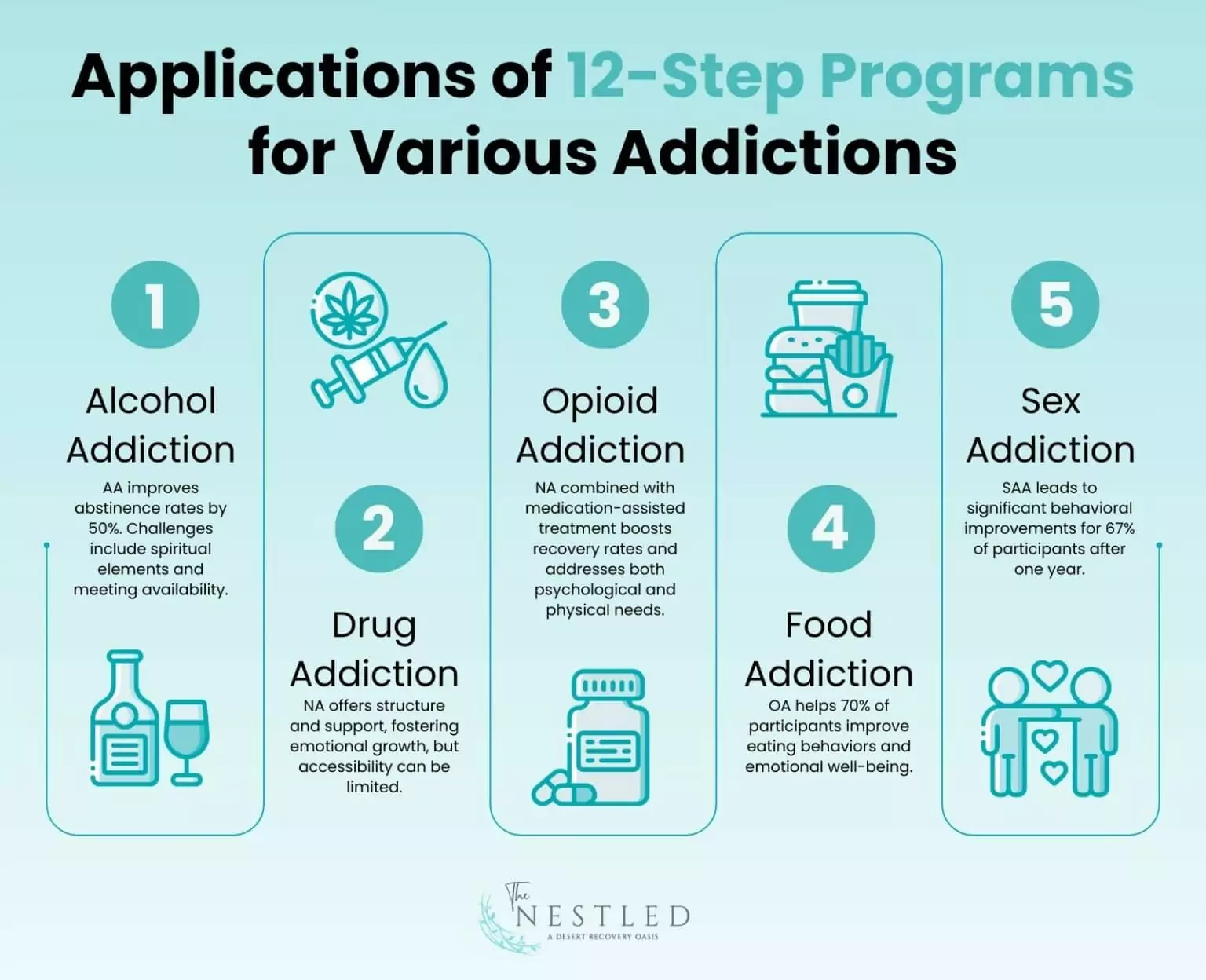
Post-treatment care, commonly known as aftercare or continuing care, is critical for maintaining long-term recovery. It typically involves participation in mutual-help support groups (such as Alcoholics Anonymous or SMART Recovery), ongoing individual therapy, alumni program participation, and maintaining a personalized relapse prevention plan.
Practical Next Steps for Accessing Care
Navigating options requires a systematic approach to ensure safety, clinical appropriateness, and financial feasibility. Begin by consulting a primary care physician or a licensed addiction specialist who can conduct an initial clinical screening and recommend the appropriate level of care. Next, contact insurance representatives to verify behavioral health benefits and secure a list of in-network facilities. Finally, tour prospective programs or speak directly with intake coordinators to ask detailed questions about clinical methodologies, staff qualifications, and daily schedules. Taking these deliberate steps ensures a grounded, well-supported entry into recovery.