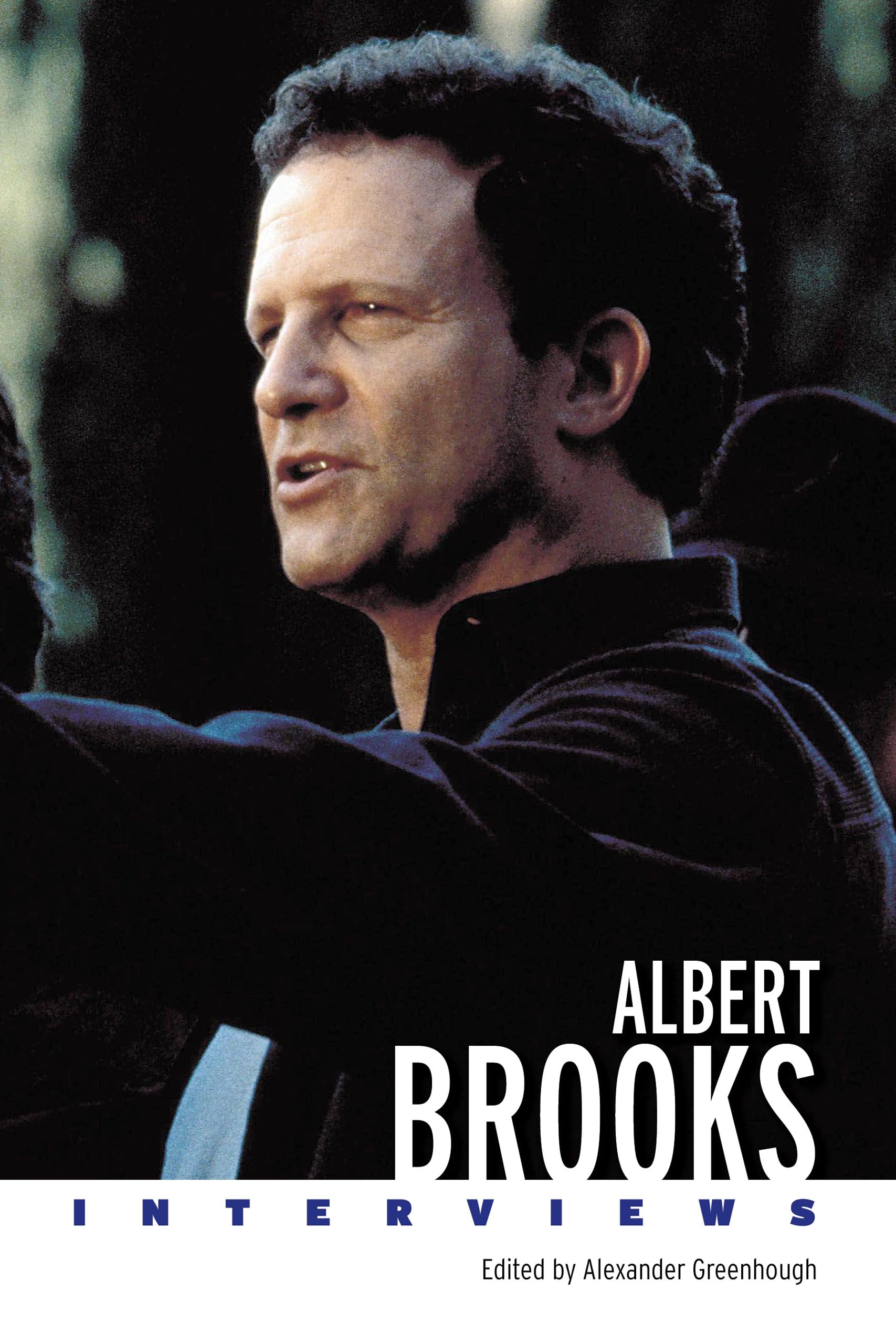
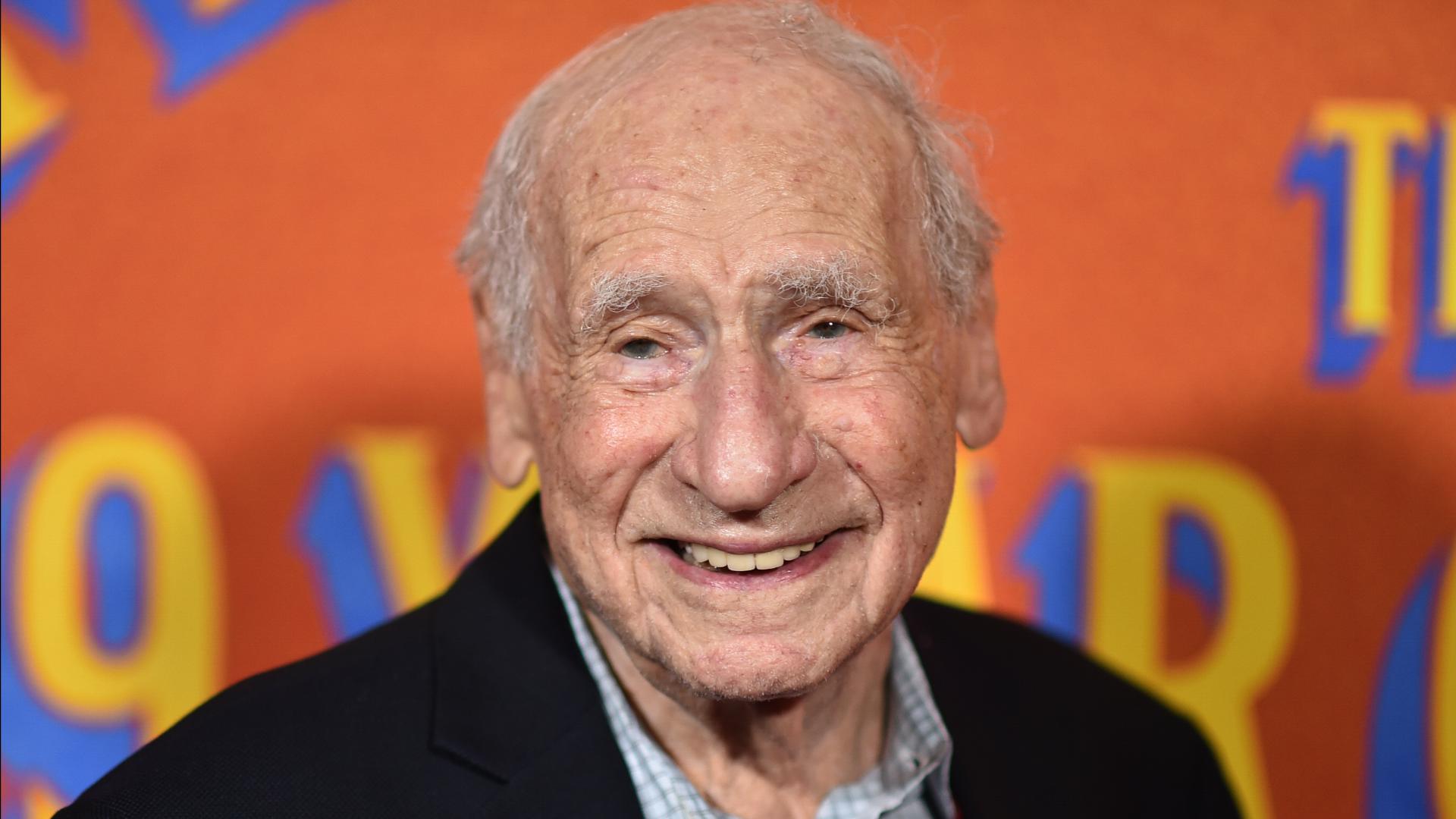
Albert Brooks is alive. As of 2026, the acclaimed American actor, director, and screenwriter is 78 years old and remains a vital figure in the entertainment industry. While he has maintained a lower public profile in recent years, there have been no credible reports of his passing, and he continues to be recognized for his pioneering contributions to comedy and cinema.
Verifying the Current Status of Albert Brooks in 2026
When fans search for the phrase "Albert Brooks is alive," it is often triggered by the general passage of time or the loss of other comedic contemporaries. In the digital era, celebrity death hoaxes are frequent, and for a performer like Brooks, who emerged in the late 1960s, younger audiences or casual fans often look for confirmation of his wellbeing.
As of early 2026, Albert Brooks remains active within the creative community. His most recent significant public engagement was centered around the retrospective appreciation of his career, bolstered by the 2023 documentary Albert Brooks: Defending My Life, directed by his lifelong friend Rob Reiner. This film served as a comprehensive verification of his health and mental acuity, showcasing his continued wit and sharp perspective on the industry.
There are several reasons why status queries regarding Brooks persist:
- The Loss of Bob Einstein: Albert's older brother, the legendary comedian Bob Einstein (known for "Super Dave Osborne" and his role on Curb Your Enthusiasm), passed away in 2019. Due to their close association, some fans occasionally conflate the two brothers' statuses.
- Selective Public Appearances: Brooks has always been selective about his projects. Unlike actors who appear in multiple television series or films per year, Brooks often takes long hiatuses between works, leading to "where are they now" inquiries.
- Legacy Status: Now in his late 70s, Brooks is frequently categorized as a "living legend," a term that often prompts users to check if the individual is still with us.
The Origins of a Comedy Revolutionary
To understand why the status of Albert Brooks matters to the cultural landscape of 2026, one must look back at his unconventional entry into show business. Born Albert Lawrence Einstein on July 22, 1947, in Beverly Hills, he grew up in a show business family. His father was the comedian Harry Einstein (Parkyakarkus), and his mother was singer Thelma Leeds.
Brooks famously changed his name to avoid confusion with the physicist Albert Einstein, a move that showcased his early penchant for identifying the absurdity in his own life. He began his career in stand-up comedy, but he was never a traditional "joke-teller." Instead, he performed deconstructive comedy—bits that mocked the very idea of being a performer.
His appearances on The Tonight Show Starring Johnny Carson and The Ed Sullivan Show in the early 1970s are now considered masterclasses in meta-humor. He would perform "bad" ventriloquism or "the world's worst magician" acts, forcing the audience to laugh at the awkwardness of the performance itself. This style laid the groundwork for modern alternative comedy and influenced everyone from Steve Martin to Larry David.
Albert Brooks as a Visionary Director
While many know him for his acting, Brooks’ most profound impact is arguably his work behind the camera. He wrote and directed a series of films that many critics believe anticipated the "cringe comedy" and "mockumentary" genres decades before they became mainstream.
Real Life (1979)
Before The Real World or Keeping Up with the Kardashians, Albert Brooks directed Real Life. In this film, he plays a fictionalized version of himself attempting to film a year in the life of a typical American family. The movie is a scathing satire of the "fly on the wall" documentary style and the inherent narcissism of the filmmaker. It remains one of the most prescient comedies in American history, correctly predicting the invasive nature of reality media.
Lost in America (1985)
Perhaps his most famous directorial effort, Lost in America follows a high-earning advertising executive and his wife who quit their jobs to "find themselves" by traveling across America in a motorhome. The film’s exploration of the "nest egg" and the fragility of the American Dream resonated deeply with the 1980s zeitgeist and continues to be studied in film schools for its tight script and impeccable comedic timing.
Defending Your Life (1991)
In this metaphysical comedy, Brooks plays a man who dies and must "defend" his life in a celestial court to determine if he can move on to the next stage of existence or if he must return to Earth to overcome his fears. Co-starring Meryl Streep, the film is a poignant exploration of human anxiety and the courage required to live fully. In 2026, it is often cited as his most heartfelt and philosophically resonant work.
Acting Career: From Neurotic Leads to Menacing Villains
Albert Brooks’ acting range extends far beyond the neurotic protagonist he often portrays in his own films. He has the rare ability to transition between high-stakes drama and broad comedy with ease.
Broadcast News (1987)
Brooks received an Academy Award nomination for Best Supporting Actor for his role as Aaron Altman in James L. Brooks' Broadcast News. His performance as a highly talented but socially awkward news reporter—highlighted by the famous "flop sweat" scene—is considered one of the definitive portrayals of professional jealousy and integrity in modern cinema.
Drive (2011)
In a shocking departure from his usual persona, Brooks played Bernie Rose, a brutal mobster, in Nicolas Winding Refn’s neo-noir thriller Drive. His performance was chilling and calculated, earning him widespread critical acclaim and a Golden Globe nomination. It proved that Brooks possessed a dark intensity that had previously been hidden behind his comedic timing.
Voice Acting: Finding Nemo and The Simpsons
For younger generations, Albert Brooks is the voice of Marlin, the overprotective clownfish father in Pixar’s Finding Nemo (2003) and Finding Dory (2016). His ability to convey deep parental anxiety through voice alone made Marlin one of the most relatable characters in animation. Additionally, his recurring guest spots on The Simpsons—playing iconic characters like Hank Scorpio and Brad Goodman—are frequently cited by fans as some of the best in the show’s long history.
The Significance of "Defending My Life" (2023)
In late 2023, the documentary Albert Brooks: Defending My Life premiered on HBO. Directed by Rob Reiner, the film served as a "living eulogy" and a deep dive into Brooks' psyche. It featured interviews with comedy giants like Chris Rock, David Letterman, Ben Stiller, and Wanda Sykes, all of whom testified to Brooks' genius.
The documentary was crucial for several reasons:
- Humanizing the Icon: It explored his relationship with his father and how the trauma of his father’s sudden death (which occurred at a Friars Club roast) shaped his comedic outlook.
- Preserving Comedy History: It compiled rare footage of his early stand-up and talk show appearances that were previously difficult for modern audiences to find.
- Current Status Confirmation: For those wondering "is Albert Brooks alive," the documentary provided a contemporary look at him—healthy, sharp, and still actively discussing his craft.
Comparing the Directorial Themes of Albert Brooks
The following table outlines the central themes and critical reception of Brooks’ major directorial works, illustrating his evolution as a storyteller.
| Film Title | Release Year | Primary Theme | Key Character Conflict |
|---|---|---|---|
| Real Life | 1979 | Media Obsession | Filmmaker vs. Reality |
| Modern Romance | 1981 | Romantic Obsession | Insecurity vs. Love |
| Lost in America | 1985 | Materialism | The "Nest Egg" vs. Freedom |
| Defending Your Life | 1991 | Overcoming Fear | Self-Judgment vs. Evolution |
| Mother | 1996 | Family Dynamics | Resentment vs. Understanding |
| The Muse | 1999 | Creative Ego | Success vs. Authenticity |
| Looking for Comedy... | 2005 | Cultural Diplomacy | Ego vs. Global Perspective |
Albert Brooks’ Influence on Modern Comedy
The reason the status of Albert Brooks remains a point of interest is his profound influence on the "DNA" of modern humor. Before Brooks, comedy was often structured as "Setup-Punchline." Brooks introduced a more cerebral, character-driven style where the humor came from the internal logic (or lack thereof) of the character.
- Seinfeld and Larry David: The "show about nothing" and the focus on the minutiae of social interactions owe a massive debt to Brooks' Modern Romance and Real Life.
- Judd Apatow: Apatow has frequently cited Brooks as one of his primary influences, particularly in how he blends deep emotional honesty with comedy.
- The Mockumentary Genre: Films like This Is Spinal Tap and shows like The Office or Parks and Recreation can trace their lineage back to the stylistic experiments Brooks conducted in the late 70s.
Writing and Literature
Beyond film and television, Brooks is also an accomplished author. In 2011, he published the novel 2030: The Real Story of What Happens to America. The book is a satirical yet grounded look at a future (now very close to our current 2026) where cancer has been cured, leading to a massive aging population and a resulting generational war over resources.
The novel demonstrated that Brooks’ satirical lens was not limited to the personal or the professional, but could also encompass large-scale societal and political issues. His ability to predict cultural shifts—whether it be the rise of reality TV or the tensions of an aging population—marks him as one of the more insightful thinkers in the arts.
Frequently Asked Questions
Is Albert Brooks related to Mel Brooks?
No. Despite having the same last name and both being titans of Jewish-American comedy, Albert Brooks and Mel Brooks are not related. Albert's original last name was Einstein. He chose "Brooks" as a stage name early in his career.
What is Albert Brooks' most recent project?
As of 2026, his most significant recent work remains his involvement in the 2023 documentary Albert Brooks: Defending My Life. He also continues to provide voice work for various projects and makes occasional appearances on comedy podcasts and retrospectives.
Why did Albert Brooks change his name from Albert Einstein?
He changed it to avoid the obvious and inevitable comparisons to the world-famous physicist. He famously joked that he didn't want to be "the second-most famous Albert Einstein."
Does Albert Brooks have any upcoming movies?
Brooks is notoriously selective. While there are often rumors of a new directorial project or a voice role in an upcoming Pixar sequel, he generally does not announce projects until they are in active production. In 2026, he is primarily focused on his legacy and occasional consultancy for younger filmmakers.
Has Albert Brooks won an Oscar?
While he has not won an Academy Award, he was nominated for Best Supporting Actor for Broadcast News (1987). He has, however, won numerous other awards, including several from the American Comedy Awards and various critics' circles for both his acting and screenwriting.
Summary of Recent Activity and Legacy
As the year 2026 continues, Albert Brooks remains a respected elder statesman of the entertainment world. His status as "alive" is not merely a matter of pulse, but of ongoing relevance. His films are frequently rediscovered by new generations on streaming platforms, where his themes of anxiety, narcissism, and the search for meaning remain as relevant today as they were in the 1980s.
For those looking to engage with his work today, the 2023 documentary Defending My Life serves as the perfect entry point, followed by his "big three" directorial efforts: Real Life, Lost in America, and Defending Your Life. These films provide the blueprint for a specific type of American comedy that is both intellectual and deeply human.
Next Action: If you are interested in exploring Albert Brooks' work, the most accessible starting point in 2026 is the HBO/Max library, which houses both his career-spanning documentary and several of his most influential feature films.