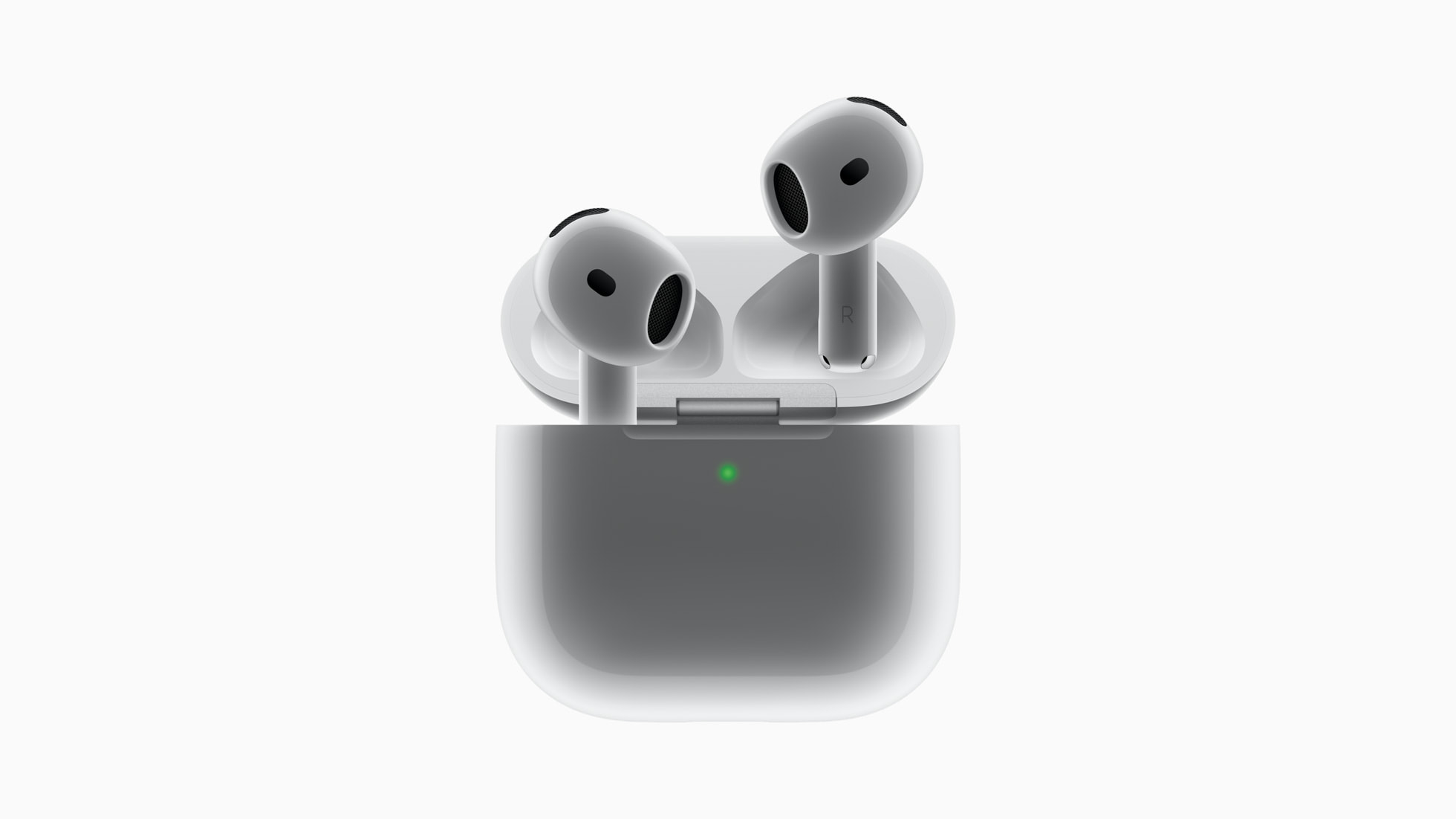
AirPods manufacturing is a sophisticated, multi-stage process involving a global network of specialized component suppliers and contract assemblers primarily located in China, Vietnam, and India. As of 2026, the production cycle leverages advanced System-in-Package (SiP) technology, high-precision acoustic engineering, and increasingly automated assembly lines to meet global demand for the world’s most popular True Wireless Stereo (TWS) earphones.
The Evolution of the AirPods Supply Chain (2016–2026)
The journey of AirPods manufacturing began with a relatively concentrated supply chain. In 2016, Inventec was the sole assembler for the first-generation AirPods. However, as the product's popularity surged, Apple diversified its manufacturing base to ensure scale, redundancy, and cost-efficiency. By 2026, the landscape has shifted from a China-centric model to a diversified "China Plus One" strategy, spreading risk across multiple Southeast Asian and South Asian nations.
This evolution was driven by three primary factors: the need for massive volume, the complexity of the Pro and Max models, and geopolitical shifts that necessitated manufacturing footprints outside of mainland China. Today, the manufacturing process is not just about assembly; it is a masterclass in vertical integration where Apple dictates specific machinery, labor standards, and environmental protocols to its partners.
Key Manufacturers and Strategic Partners
Apple does not own the factories that build AirPods. Instead, it relies on Contract Manufacturers (CMs) that provide the facilities, labor, and operational expertise.
Luxshare Precision
Luxshare Precision Industry Co., Ltd. has risen to become the lead assembler for the AirPods line. Based in Dongguan, China, Luxshare’s competitive advantage lies in its high "yield rates"—the percentage of finished goods that pass quality inspection. Luxshare’s involvement grew from humble beginnings as a cable manufacturer to becoming the primary partner for the AirPods Pro 2 and subsequent models. Their ability to manage the intricate "System-in-Package" (SiP) assembly has made them indispensable to the 2026 production ecosystem.
Goertek
Goertek Inc., headquartered in Weifang, China, is the second major pillar of AirPods production. Goertek specializes in acoustic components, which allowed them to transition naturally into full-scale assembly. While they faced temporary production suspensions in the early 2020s due to quality compliance issues, as of 2026, they remain a critical partner, particularly for the standard AirPods and AirPods Max lines.
Foxconn (Hon Hai Precision)
While Foxconn is best known for the iPhone, they have significantly expanded their AirPods manufacturing capacity by 2026. Their primary role has been the anchor for Apple’s expansion into India. By utilizing their massive facility in Telangana and other regions, Foxconn has enabled Apple to localize production for the Indian market and export standard AirPods models globally.
Global Production Hubs: China, Vietnam, and India
The geography of AirPods manufacturing has changed more than almost any other Apple product in the last decade.
China: The Technical Core
Mainland China remains the "brain" of the manufacturing operation. Locations like Kunshan and Dongguan house the most advanced SMT (Surface Mount Technology) lines. The proximity to component suppliers for batteries, magnets, and sensors allows for a rapid "feedback loop" where engineering changes can be implemented in hours rather than days.
Vietnam: The Pro and Max Specialist
Vietnam has emerged as the primary hub for the AirPods Pro and AirPods Max. Apple’s shift to Vietnam began in earnest around 2020, and by 2026, the country accounts for a substantial portion of the global Pro-series output. Factories in the Bac Giang and Bac Ninh provinces benefit from lower labor costs compared to coastal China and favorable trade agreements with Western markets.
India: The New Frontier
In 2026, India represents the fastest-growing segment of the AirPods supply chain. Initially focused on the entry-level AirPods, Indian facilities have matured to handle complex assembly tasks. This shift is supported by the Indian government’s Production Linked Incentive (PLI) schemes, which have encouraged Foxconn and Luxshare to set up massive plants in the country.
The Technical Manufacturing Process
The production of an AirPod is a marvel of miniaturization. Each earbud contains hundreds of tiny components packed into a space smaller than a grape.
Component Sourcing and SiP Assembly
The heart of the AirPod is the Apple-designed H-series chip (such as the H2 or H3). Unlike traditional circuit boards, AirPods use System-in-Package (SiP) technology. This involves mounting the processor, memory, and power management integrated circuits (PMICs) onto a single substrate, which is then encapsulated in a protective resin.
- TSMC: Manufactures the silicon wafers for the H-series chips.
- Amkor/JCET: Often handle the advanced packaging of the SiP modules.
Acoustic Engineering and Driver Integration
The acoustic chamber is the most sensitive part of the build. The "driver"—consisting of a diaphragm, a voice coil, and a high-strength neodymium magnet—is assembled in a clean-room environment. Automated robotic arms place the diaphragm with micron-level precision to ensure the frequency response meets Apple’s strict "Golden Unit" standards. Any deviation in the tension of the diaphragm or the alignment of the magnet can result in distorted audio or poor Active Noise Cancellation (ANC) performance.
Battery and Power Management
AirPods utilize custom-shaped lithium-ion batteries. In the 2026 models, these are typically sourced from suppliers like Huizhou Desay SV Automotive or Sunwoda Electronic. The challenge in manufacturing is the "potting" process, where the battery is secured inside the stem using specialized adhesives that provide both structural integrity and heat dissipation.
Final Assembly and Testing
Once the internal "guts" are assembled, they are inserted into the high-gloss polycarbonate shell. This is a "destructive" assembly process; once the two halves of an AirPod are ultrasonically welded together, they cannot be opened without breaking the shell. This makes the final testing phase critical.
| Manufacturing Stage | Key Equipment/Process | Primary Location | Output Metric |
|---|---|---|---|
| SMT Placement | High-speed pick-and-place robots | China (Kunshan) | Components per hour (CPH) |
| SiP Encapsulation | Vacuum molding machines | China / Vietnam | Yield rate percentage |
| Acoustic Calibration | Anechoic chambers & MEMS mics | Vietnam / China | Frequency response curve |
| Final Assembly | Ultrasonic welding & Adhesives | India / Vietnam | Units per labor hour |
| Quality Control | X-ray inspection & RF testing | All Facilities | Failure Rate (PPM) |
Quality Control and Testing Standards
Apple’s quality control (QC) for AirPods is among the most rigorous in the consumer electronics industry. Because the device is worn inside the ear and exposed to sweat and movement, it must pass several durability gates.
- Acoustic Testing: Every single earbud is placed in a miniature anechoic chamber where its microphones and speakers are tested against a reference profile. This ensures that the ANC (Active Noise Cancellation) and Transparency mode function identically across all units.
- Water Resistance (IPX4/IP54): To verify the ingress protection rating, batches of AirPods undergo "mist tests" and "pressure submersion tests" to ensure the seals around the charging port and the acoustic vents are watertight.
- X-Ray Inspection: Because the units are sealed, manufacturers use 2D and 3D X-ray machines to inspect the internal solder joints and battery alignment without opening the casing.
- RF Performance: Specialized "shielded boxes" test the Bluetooth 5.x connectivity to ensure the signal strength is consistent even in high-interference environments.
Environmental and Sustainability Initiatives
By 2026, AirPods manufacturing is a focal point for Apple’s "Carbon Neutral 2030" goal. The manufacturing process has been retooled to reduce the environmental footprint in three main areas:
- Recycled Materials: The magnets in 2026 AirPods models are made from 100% recycled rare earth elements. The solder on the main logic boards uses 100% recycled tin, and the plating of multiple printed circuit boards uses 100% recycled gold.
- Supplier Clean Energy Program: Apple requires its major assemblers, including Luxshare and Goertek, to commit to using 100% renewable energy for Apple-related production. This has led to the installation of massive solar arrays on the roofs of factories in Vietnam and China.
- Zero Waste to Landfill: All final assembly sites are certified as "Zero Waste to Landfill," meaning that scrap plastic, metal, and packaging material are diverted back into the supply chain or recycled.
Challenges in Modern AirPods Manufacturing
Despite the advanced automation, AirPods manufacturing faces significant hurdles in 2026.
Miniaturization Limits
As Apple adds more sensors (such as health-tracking biometrics or heart rate monitors) to the AirPods, the internal volume becomes a zero-sum game. Engineers must find ways to shrink the SiP further while maintaining battery life. This requires more expensive "stacked" PCB designs that are harder to manufacture without increasing the defect rate.
Labor and Human Rights Oversight
With production moving to newer regions like India and Vietnam, Apple faces the challenge of maintaining its "Supplier Code of Conduct." Ensuring fair wages, safe working conditions, and no forced labor requires a massive team of on-site auditors who monitor factories 24/7.
Supply Chain Transparency
The AirPods supply chain involves over 200 secondary suppliers who provide everything from the mesh in the speaker grill to the glue used in the hinge. Maintaining visibility into the environmental and ethical practices of these "Tier 2" and "Tier 3" suppliers is a logistical nightmare that requires advanced blockchain-based tracking systems.
Frequently Asked Questions
Are AirPods made by robots or humans?
AirPods manufacturing is a hybrid process. While high-precision tasks like SMT (Surface Mount Technology) component placement and ultrasonic welding are performed by highly specialized robots, the "final dress" (placing the units in the box, attaching ear tips, and final visual inspection) still relies on human labor. In 2026, automation in the India and Vietnam plants has reached record levels to offset rising labor costs.
Why did Apple move AirPods production to Vietnam?
The move to Vietnam was primarily a strategy to diversify the supply chain and reduce reliance on a single geographic region. Vietnam offered a stable regulatory environment, proximity to existing Chinese supply chains, and lower labor costs. This move also helped avoid certain trade tariffs that affected products imported directly from China to the United States.
Who makes the batteries for AirPods?
AirPods batteries are primarily manufactured by Huizhou Desay SV Automotive and Sunwoda Electronic Co., Ltd. These companies specialize in the tiny, high-density lithium-ion cells required for TWS earbuds. The batteries for the charging cases are typically larger and sourced from a wider variety of vendors including Samsung SDI or LG Chem in some cycles.
Can AirPods be repaired during the manufacturing process?
No. Due to the ultrasonic welding and heavy use of industrial adhesives, AirPods are generally considered non-repairable. If a unit fails a quality check at the end of the assembly line, it is typically sent to a specialized recycling facility where the precious metals (gold, silver, tin) are recovered, and the plastic is ground down for reuse in non-critical components.
What is the role of India in AirPods manufacturing in 2026?
By 2026, India serves as a critical manufacturing hub for the global market, not just for domestic sales. Under the "Make in India" initiative, companies like Foxconn have established sophisticated lines that produce millions of AirPods units annually. India is increasingly focusing on the standard AirPods models, while Vietnam and China handle the more complex "Pro" and "Max" variants.
Practical Recommendation for Industry Observers
If you are analyzing the AirPods manufacturing sector for investment or business purposes, focus on the yield rates and vertical integration of the primary assemblers. As of 2026, the companies that succeed are those that can manufacture their own components (like cables or housings) rather than just assembling parts from others. For consumers, the manufacturing origin (China vs. Vietnam vs. India) has no impact on the final product quality, as Apple enforces identical testing protocols and "Golden Unit" standards across all global facilities.