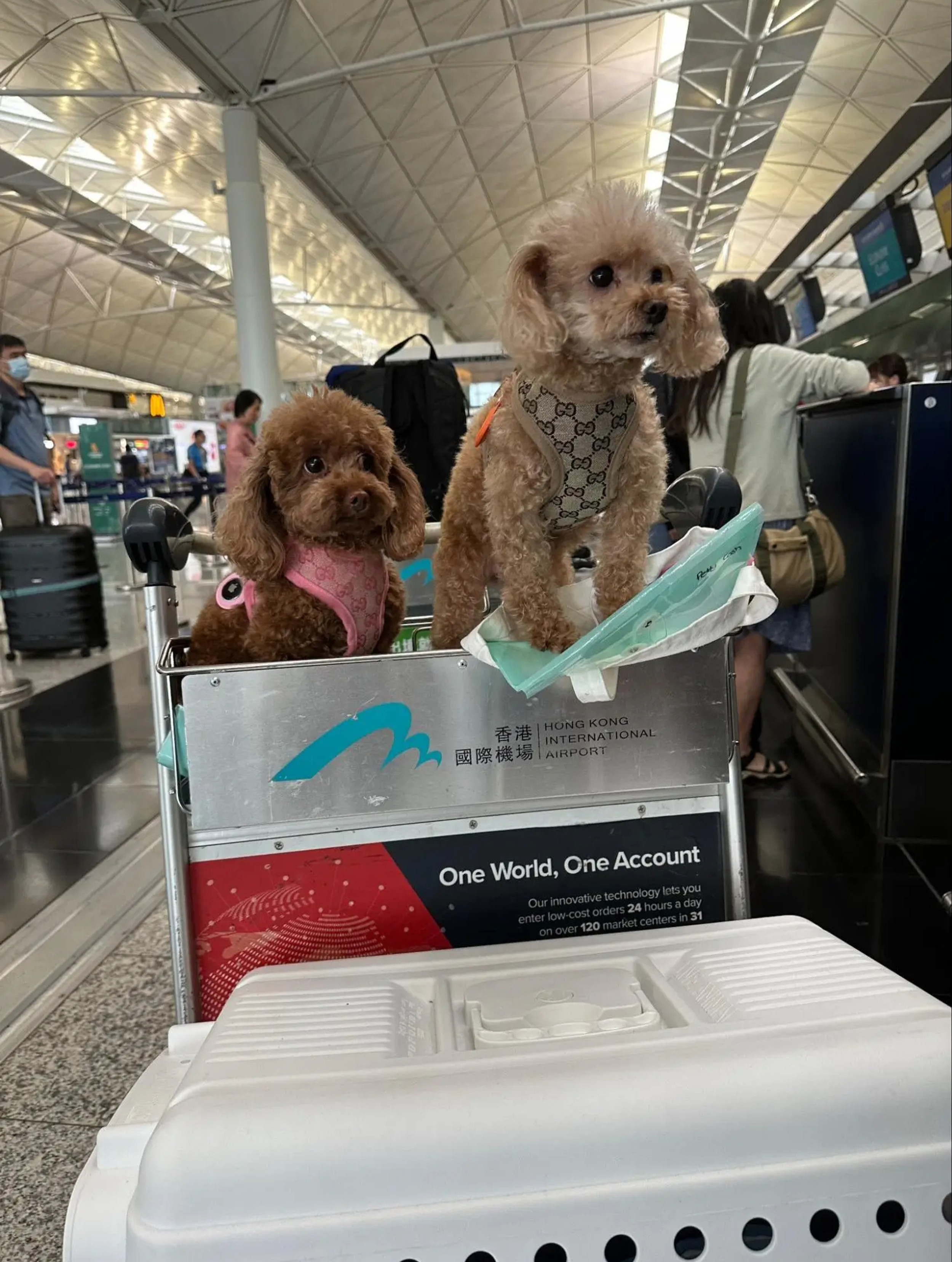
As of 2026, most major airlines treat emotional support animals (ESAs) as standard pets rather than service animals. While US-based carriers generally require ESAs to travel in carriers for a pet fee, several international airlines and specific regional carriers still provide specialized cabin access for emotional support dogs with proper documentation.
Traveling with an emotional support animal (ESA) has undergone a massive regulatory transformation over the last five years. Following the 2021 U.S. Department of Transportation (DOT) ruling, the distinction between a service animal and an emotional support animal became a critical legal boundary. If you are planning a trip in 2026, understanding which airlines still recognize the ESA designation—and which require you to transition to a Psychiatric Service Dog (PSAD) framework—is essential for a stress-free journey.
The Regulatory Shift: Why Most Airlines Changed Their ESA Policies
To understand the current 2026 landscape, travelers must look back at the Air Carrier Access Act (ACAA) revisions. Prior to 2021, airlines were required to allow ESAs in the cabin free of charge, provided the owner had a letter from a licensed mental health professional. However, due to concerns regarding animal behavior, cabin safety, and the "fraudulent" use of ESA letters, the DOT updated its rules.
Under current 2026 standards, the DOT defines a service animal specifically as a dog that is individually trained to do work or perform tasks for the benefit of a person with a disability. Because emotional support animals provide comfort just by their presence and are not necessarily trained to perform specific tasks, they no longer qualify as service animals under U.S. federal law. Consequently, most U.S. airlines have aligned their policies to treat ESAs as pets.
International Airlines That Recognize Emotional Support Dogs
While domestic U.S. carriers have largely moved away from ESA-specific programs, several international airlines continue to offer accommodations for emotional support dogs, particularly on flights to or from destinations where local laws or airline policies still prioritize mental health support animals.
1. Volaris
Volaris remains one of the more accommodating airlines for ESA owners in 2026. They allow emotional support dogs in the cabin if the passenger provides a recent (within one year) medical certificate issued by a specialist in psychology or psychiatry. The dog must meet specific weight and size requirements to ensure it can fit comfortably at the passenger's feet or in an approved carrier.
2. Latam Airlines
Latam has maintained a policy that allows emotional support dogs on specific routes, particularly those involving South American jurisdictions that recognize ESA status. Travelers are usually required to submit documentation at least 48 hours before departure. The dog must be at least four months old and behave appropriately in a public setting.
3. Aeromexico
Aeromexico continues to permit emotional support dogs in the cabin on many of its routes. Like Volaris, they require a formal letter from a mental health professional. They have strict rules regarding the animal's behavior; any dog showing signs of aggression or excessive barking may be moved to the cargo hold or denied boarding.
4. Air France (Select Routes)
Air France offers limited acceptance for emotional support dogs, primarily on flights between certain international territories where local regulations apply. However, for most flights into the U.S., they adhere to the stricter DOT definitions. It is vital to check the specific "Pet in Cabin" vs. "ESA" rules for your specific itinerary during the 2026 booking cycle.
U.S. Airlines: The Transition to Pet Policies
For travelers flying on major U.S. carriers such as Delta, United, American, or Southwest, the "ESA" category has effectively been retired. Instead, these airlines allow dogs to travel in the cabin under their Pet in Cabin programs.
Under these programs:
- Fees Apply: You must pay a pet transit fee, which in 2026 ranges from $95 to $150 each way.
- Carrier Requirements: The dog must remain inside an FAA-approved, soft-sided carrier that fits under the seat in front of you for the duration of the flight.
- Weight Limits: Most airlines limit the combined weight of the dog and the carrier to approximately 20–25 pounds.
- Space Restrictions: Only a certain number of pets are allowed per flight, making early reservation mandatory.
The Psychiatric Service Dog (PSAD) Alternative
Because ESAs are now treated as pets, many individuals with legitimate mental health disabilities have transitioned to using Psychiatric Service Dogs (PSADs). Unlike an ESA, a PSAD is trained to perform specific tasks, such as:
- Interrupting repetitive behaviors or "grounding" the handler during a panic attack.
- Providing deep pressure therapy (DPT) to calm the nervous system.
- Checking rooms for individuals with PTSD.
- Reminding the handler to take medication.
In 2026, PSADs are legally recognized as service animals under the ACAA. This means they can fly in the cabin free of charge and do not have to be confined to a carrier, provided they are leashed and sit in the handler's foot space.
Requirements for Flying with a PSAD
To fly with a PSAD, you must complete the DOT Service Animal Air Transportation Form. This form requires you to self-certify that the dog has been trained to perform tasks and that it will behave in the cabin. While airlines cannot ask for a demonstration of the task, they can legally ask what task the dog is trained to perform.
Comparison of Airline Cabin Policies for Dogs (2026 Estimates)
| Airline | Recognizes ESA? | Allows PSAD? | Pet Fee (Each Way) | Carrier Required for ESA? |
|---|---|---|---|---|
| Delta Air Lines | No (Treats as Pet) | Yes | $125 | Yes |
| United Airlines | No (Treats as Pet) | Yes | $125 | Yes |
| American Airlines | No (Treats as Pet) | Yes | $150 | Yes |
| Southwest Airlines | No (Treats as Pet) | Yes | $95 | Yes |
| Volaris | Yes | Yes | Varies by route | No (if documented) |
| Latam Airlines | Yes (Select routes) | Yes | Varies by route | Depends on size |
| JetBlue | No (Treats as Pet) | Yes | $125 | Yes |
Essential Documentation and Prerequisites
Regardless of whether you are flying with a documented ESA on an international carrier or a PSAD on a domestic one, documentation is the most frequent point of failure for travelers.
For Emotional Support Animals (Where Allowed)
- ESA Letter: A signed letter on professional letterhead from a licensed mental health professional (LMHP). It must state that you have a diagnosed disability and that the animal is necessary for your mental health.
- Health Certificate: Many airlines require a veterinary health certificate issued within 10 days of travel to prove the animal is fit to fly and vaccinated against rabies.
- Behavior Voucher: Some international carriers require a signed statement promising the dog is potty-trained and non-aggressive.
For Psychiatric Service Dogs
- DOT Form: You must submit the "U.S. Department of Transportation Service Animal Air Transportation Form" at least 48 hours before your flight.
- DOT Relief Form: For flights longer than eight hours, you must submit a form certifying that the dog will not relieve itself in the cabin or can do so in a sanitary manner.
Practical Tips for In-Cabin Travel with Dogs
Flying with a dog—whether as an ESA or a pet—requires significant preparation to ensure the animal remains calm and the crew remains satisfied with safety protocols.
Acclimatization
If your dog is required to be in a carrier, start "crate training" for the carrier at least a month before the flight. Place treats and familiar toys inside to create a positive association. In 2026, many airports have expanded their Pet Relief Areas, but it is still wise to limit food and water intake 4 hours before boarding to prevent accidents.
Exercise and Stimulation
A tired dog is a quiet dog. Engage in vigorous exercise before heading to the airport. For long-haul flights, consider mental stimulation toys that are silent, such as a Kong stuffed with peanut butter (check airline rules on liquids/gels first).
Dealing with "Invisible" Disabilities
If you are traveling with a PSAD or an ESA for a mental health condition, be prepared for questions. While airline staff are trained on ACAA regulations, carrying a printed copy of the airline's own policy from their official 2026 website can help resolve disputes quickly at the gate.
Common Mistakes to Avoid
- Buying "Certifications" Online: In 2026, "registries" and "ID tags" bought from third-party websites hold no legal weight. Airlines only care about the DOT form (for service dogs) or a legitimate letter from your actual doctor (for ESAs on qualifying airlines).
- Assuming All Dogs Qualify: Even if an airline allows ESAs, they may have breed restrictions (such as snub-nosed breeds like Pugs or Bulldogs) due to respiratory risks in pressurized cabins.
- Missing the 48-Hour Window: Most airlines require documentation to be uploaded via their app or website at least 48 hours before departure. Showing up at the check-in counter with new paperwork often leads to denied boarding.
Frequently Asked Questions
Can I fly with an emotional support cat in 2026?
Most airlines that still recognize ESAs focus primarily on dogs. For example, Volaris and Aeromexico generally allow ESA cats with proper documentation, but U.S. domestic carriers treat all cats as pets, requiring them to stay in a carrier and pay a pet fee.
Is there a weight limit for emotional support dogs?
For airlines that recognize ESAs as a distinct category, weight limits vary. Generally, if the dog is too large to fit at your feet without encroaching on another passenger's space, the airline may require you to purchase a second seat or transport the dog in the cargo hold.
What is the difference between an ESA and a Service Dog?
A service dog is trained to perform a specific action that assists with a disability (e.g., alert to a seizure). An ESA provides therapeutic support through companionship but does not require specialized training. In 2026, only trained service dogs (including PSADs) are guaranteed free cabin access on U.S. flights.
Do I need a vest for my emotional support dog?
Vests are not legally required by the DOT or the ACAA. However, many travelers find that a vest labeled "Emotional Support Animal" or "Service Animal" helps signal to other passengers and staff that the dog is working, which can reduce unwanted interactions.
Can an airline charge me for a Psychiatric Service Dog?
No. Under the ACAA, airlines are prohibited from charging a fee for a legitimate service animal, including psychiatric service dogs. If an airline attempts to charge you a pet fee for a PSAD, they are in violation of federal law.
Final Recommendation for 2026 Travelers
If you rely on a dog for emotional support and wish to fly in 2026, your most reliable path is to determine if your dog can be trained as a Psychiatric Service Dog. Because the "ESA" designation has been stripped of its legal protections on most carriers, the PSAD framework offers the most security, zero fees, and the best cabin accommodations. If your dog is not trained to perform tasks, you should prepare to fly under standard Pet in Cabin rules, which means budgeting for pet fees and ensuring your dog is comfortable in a small, under-seat carrier. Always verify the specific policy on your airline’s official website 72 hours before departure, as carrier-specific rules can change without notice.