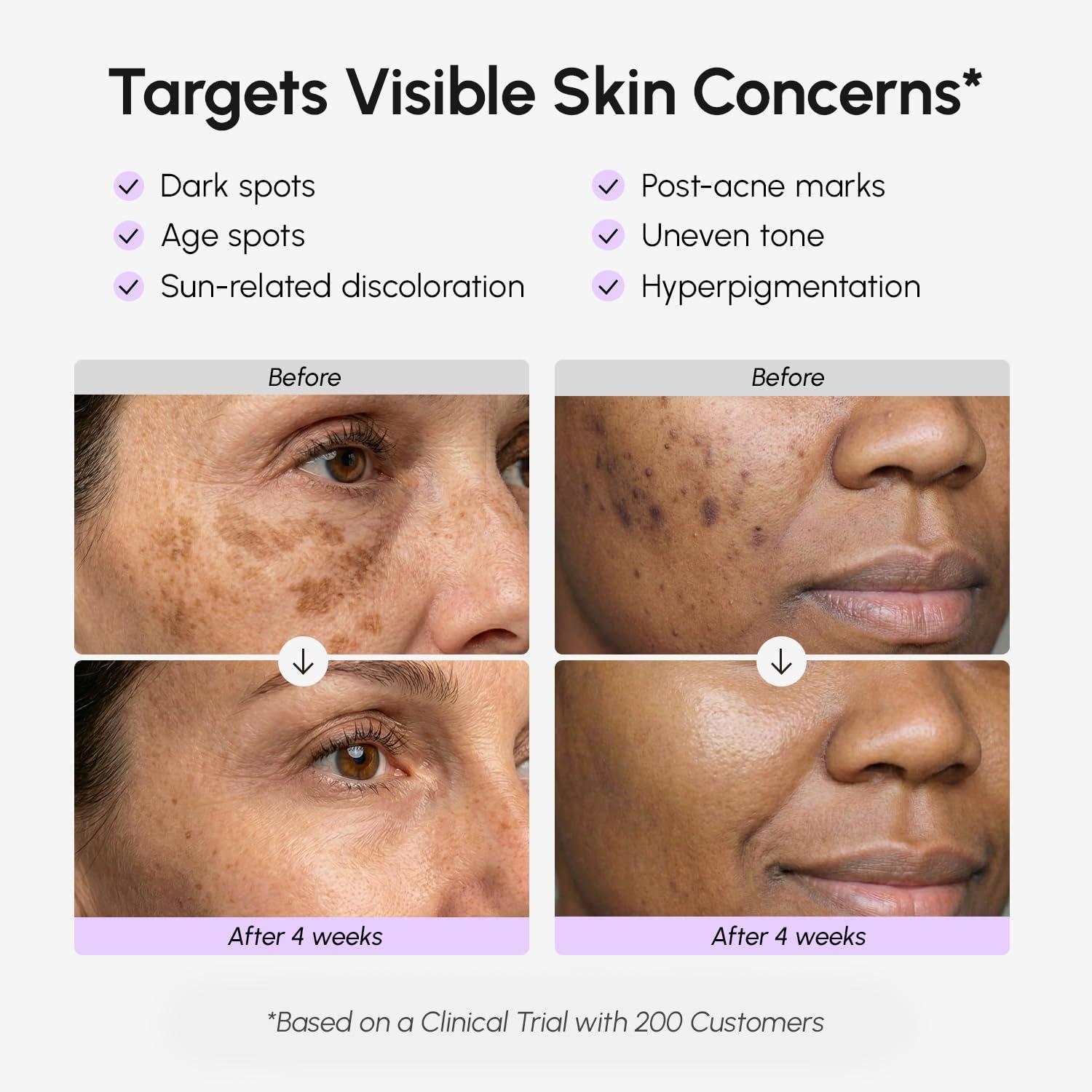
Aging spot removal involves a range of topical treatments like retinoids and hydroquinone, alongside professional procedures such as laser therapy, cryotherapy, and chemical peels. While topical solutions offer gradual improvement for superficial pigment, clinical interventions provide faster, deeper results. Success depends on skin type, spot depth, and consistent post-treatment sun protection.
Understanding Aging Spots and the Mechanism of Pigmentation
Aging spots, scientifically known as solar lentigines and often colloquially called liver spots, are flat, brown, gray, or black spots on the skin. In 2026, clinical understanding remains firm that these spots are not related to liver function but are the result of localized proliferation of melanocytes and the accumulation of melanin within the keratinocytes. This process is primarily driven by chronic exposure to ultraviolet (UV) radiation, which accelerates the production of melanin—the natural pigment that gives skin its color.
When skin is exposed to sunlight over decades, melanin can become "clumped" or produced in high concentrations in specific areas. These spots typically appear on regions with the highest cumulative sun exposure, such as the face, the backs of the hands, shoulders, and upper back. While generally harmless, they are often a significant cosmetic concern for individuals seeking a more uniform complexion. Before embarking on any removal regimen, it is critical to distinguish these benign lesions from malignant ones, such as lentigo maligna (a type of melanoma). A professional dermatological screening using dermoscopy is the standard of care in 2026 to ensure that a cosmetic treatment is not inappropriately applied to a cancerous growth.
Topical Aging Spot Removers: Active Ingredients and Efficacy
Topical treatments are the first line of defense for most individuals due to their accessibility and lower cost. These products work through several biological pathways: inhibiting the enzyme tyrosinase (which is essential for melanin production), increasing cell turnover to shed pigmented cells, or blocking the transfer of pigment between cells.
Tyrosinase Inhibitors
The enzyme tyrosinase is the rate-limiting catalyst in the synthesis of melanin. Most effective over-the-counter (OTC) and prescription spot removers target this enzyme.
- Hydroquinone: Despite the introduction of newer alternatives, hydroquinone remains the "gold standard" in 2026 for skin lightening. It works by inhibiting tyrosinase and can even affect the structure of melanocytes. OTC concentrations are typically limited to 2%, while prescription strengths reach 4% or higher. Long-term use (beyond 4–6 months) is generally discouraged to prevent ochronosis, a rare blue-black darkening of the skin.
- Kojic Acid: Derived from fungi, kojic acid is a popular natural alternative. It is effective but can be more irritating to sensitive skin than other botanicals.
- Alpha Arbutin: A derivative of hydroquinone found in bearberry plants, alpha arbutin is favored in 2026 for its stability and "slow-release" mechanism, which provides brightening effects with a lower risk of irritation.
- Azelaic Acid: Often used for acne, this dicarboxylic acid specifically targets overactive melanocytes, making it highly effective for post-inflammatory hyperpigmentation as well as solar lentigines.
Retinoids and Exfoliants
These agents do not necessarily stop pigment production but rather accelerate the removal of existing pigment.
- Tretinoin and Retinol: Vitamin A derivatives (retinoids) promote rapid cellular turnover. By forcing the skin to produce new, unpigmented cells more quickly, the older, pigmented cells are sloughed off. Tretinoin (prescription strength) is significantly more potent than the retinol found in non-prescription night creams.
- Alpha Hydroxy Acids (AHAs): Glycolic and lactic acids weaken the "glue" holding dead skin cells together. Regular use of AHAs helps fade superficial spots by thinning the stratum corneum (the outermost layer of skin), allowing other brightening agents to penetrate deeper.
Clinical Procedures for Rapid Removal
When topical treatments fail to produce desired results within 12 to 24 weeks, many patients in 2026 turn to in-office clinical procedures. these methods offer higher precision and can often resolve spots in one to three sessions.
Laser and Intense Pulsed Light (IPL) Therapy
Laser technology has become the primary clinical choice for aging spot removal due to its ability to target pigment without damaging the surrounding tissue.
- Q-Switched Lasers: These lasers deliver high-intensity pulses in nanoseconds. The energy is absorbed by the melanin, causing it to shatter into tiny particles that the body’s immune system then carries away. It is particularly effective for well-defined, dark spots.
- Fractional Lasers (Ablative and Non-Ablative): These create microscopic "columns" of thermal injury in the skin, triggering a wound-healing response that replaces old, pigmented skin with new tissue.
- Intense Pulsed Light (IPL): While not a true laser, IPL uses broad-spectrum light to target pigment. It is often referred to as a "photofacial" and is ideal for individuals with diffuse spotting and overall sun damage rather than a single, isolated dark spot.
Cryotherapy
Cryotherapy involves applying liquid nitrogen to the aging spot for a few seconds. The extreme cold destroys the excess pigment. As the area heals, the skin appears lighter. This method is fast and effective for individual spots but carries a risk of permanent hypopigmentation (white spots) or scarring, particularly in individuals with darker skin tones.
Professional Chemical Peels
Unlike home-use AHAs, professional-grade peels use higher concentrations of acids (such as 30–70% glycolic acid or Trichloroacetic acid/TCA). These peels remove multiple layers of skin, taking the accumulated pigment with them. The downtime for a medium-depth TCA peel can range from 7 to 10 days, during which the skin significantly flakes and peels.
Comparative Efficacy and Selection Criteria
Choosing the right option requires balancing the desired speed of results against the budget and the patient’s skin type, categorized by the Fitzpatrick Scale.
| Treatment Option | Primary Mechanism | Estimated Time for Results | 2026 Est. Cost (per session) | Risk Level |
|---|---|---|---|---|
| OTC Brighteners | Tyrosinase inhibition | 12–24 weeks | $20 – $150 | Low |
| Prescription Retinoids | Cellular turnover | 8–16 weeks | $50 – $200 | Moderate (Irritation) |
| Chemical Peels | Controlled skin shedding | 1–3 sessions | $150 – $600 | Moderate |
| IPL Therapy | Light-based destruction | 3–5 sessions | $300 – $700 | Moderate |
| Q-Switched Laser | Pigment shattering | 1–2 sessions | $250 – $600 | Moderate |
| Cryotherapy | Thermal destruction | 1 session | $75 – $200 | Low to Moderate |
Critical Considerations and Safety Risks
While the efficacy of these treatments is well-documented in 2026, they are not without risk. The most significant concern is Post-Inflammatory Hyperpigmentation (PIH). In darker skin tones (Fitzpatrick types IV–VI), aggressive treatments like certain lasers or deep peels can actually trigger the skin to produce more pigment as a defense mechanism, resulting in new dark patches that are harder to treat than the original aging spots.
Furthermore, any progress made with spot removers can be undone by a single afternoon of unprotected sun exposure. UV radiation reactivates the melanocytes. Therefore, the use of a broad-spectrum SPF 30 or higher is a mandatory prerequisite for any spot removal protocol. For more information on skin safety and professional standards, the American Academy of Dermatology provides updated clinical guidelines on the management of pigmented lesions.
The Importance of the "Spot Check"
In 2026, dermatologists emphasize that "aging spots" can sometimes mimic lentigo maligna, a form of melanoma in situ. If a spot has irregular borders, multiple colors, or has changed rapidly in size, it must be biopsied before any cosmetic removal is attempted. Laser treatment on a melanoma is dangerous because it can destroy the visual evidence of the cancer while allowing cells to remain and potentially metastasize.
Practical Steps for Starting a Treatment Regimen
- Professional Consultation: Visit a board-certified dermatologist to confirm that the spots are benign solar lentigines.
- Establish a Baseline: Take high-resolution photos in consistent lighting to track progress. Most topical treatments work so slowly that changes are difficult to notice day-to-day.
- The "Slow and Low" Approach: If using retinoids or high-strength acids, start twice a week and gradually increase frequency to avoid compromising the skin barrier.
- Strict Photoprotection: Apply sunscreen every morning, even on cloudy days or when staying indoors near windows.
- Patience: Topical regimens require at least three months of consistent use before efficacy can be accurately judged.
Frequently Asked Questions
Can aging spots be removed permanently?
While existing spots can be removed through lasers or cryotherapy, the underlying sun damage in the skin remains. Without strict sun protection, new spots will likely form in the same or adjacent areas over time. The "clearance" is permanent for the specific lesion treated, but the skin remains susceptible to future pigmentation.
Is hydroquinone safe for long-term use in 2026?
Current dermatological consensus in 2026 advises against using hydroquinone for more than five consecutive months. This "cycling" approach—using it for 4 months and then taking a 3-month break—prevents the risk of exogenous ochronosis, a permanent bluish-black skin discoloration.
Which laser is best for dark skin tones?
For patients with higher melanin levels, "long-pulse" lasers or specific wavelengths like the 1064 nm Nd:YAG are generally preferred. These bypass the epidermis to a greater degree, reducing the risk of surface burns and post-inflammatory hyperpigmentation.
Do natural spot removers like lemon juice work?
While lemon juice contains citric acid (an AHA) and Vitamin C, its concentration is inconsistent and its pH is highly acidic, which can cause severe chemical burns or phytophotodermatitis (a blistering reaction when the skin is exposed to sun after contact with certain plant compounds). Formulated skincare products are safer and more effective.
How much do professional aging spot treatments cost in 2026?
Prices vary significantly by geography and provider expertise. On average, a single session of IPL or laser treatment ranges from $250 to $700. Since most patients require multiple sessions, the total investment for clinical removal typically falls between $750 and $2,000.
Final Recommendation
For those with mild or emerging aging spots, a combination of prescription-strength retinoids and a tyrosinase inhibitor (like Alpha Arbutin or Tranexamic Acid) is the most cost-effective and least invasive starting point. However, if the spots are long-standing, dark, and causing significant distress, Q-switched laser therapy or IPL remains the most efficient path to clear skin in 2026. Regardless of the chosen method, the success of the treatment is entirely dependent on daily, lifelong sun protection.