Aerochef catering services CRM software is a specialized digital platform designed to help event planners and catering professionals manage client relationships, streamline event bookings, track menu selections, and automate invoicing within a unified system.
Introduction to Specialized Catering and Event Management Software
The modern event planning landscape requires meticulous coordination between diverse stakeholders, including clients, venues, kitchen staff, and external vendors. Managing these moving parts using fragmented tools like spreadsheets, disparate messaging apps, and manual ledger books frequently results in communication gaps, missed deadlines, and costly operational errors. As the events industry continues to grow and client expectations for personalization rise, professional event planners increasingly turn to dedicated technology solutions.
Aerochef catering services CRM software addresses these operational challenges by centralizing client data, event timelines, and kitchen production requirements. Rather than treating customer relationship management (CRM) and catering operations as separate silos, this software bridges the gap between front-of-house client interactions and back-of-house culinary execution. Understanding how this platform functions helps event planners determine whether it represents a viable investment for their business model.
Core Features of Aerochef Catering CRM Software
Evaluating any software solution begins with a rigorous examination of its core features and functional modules. Aerochef incorporates several tools tailored specifically to the workflow demands of caterers and event coordinators.
Client Relationship Management and Lead Tracking
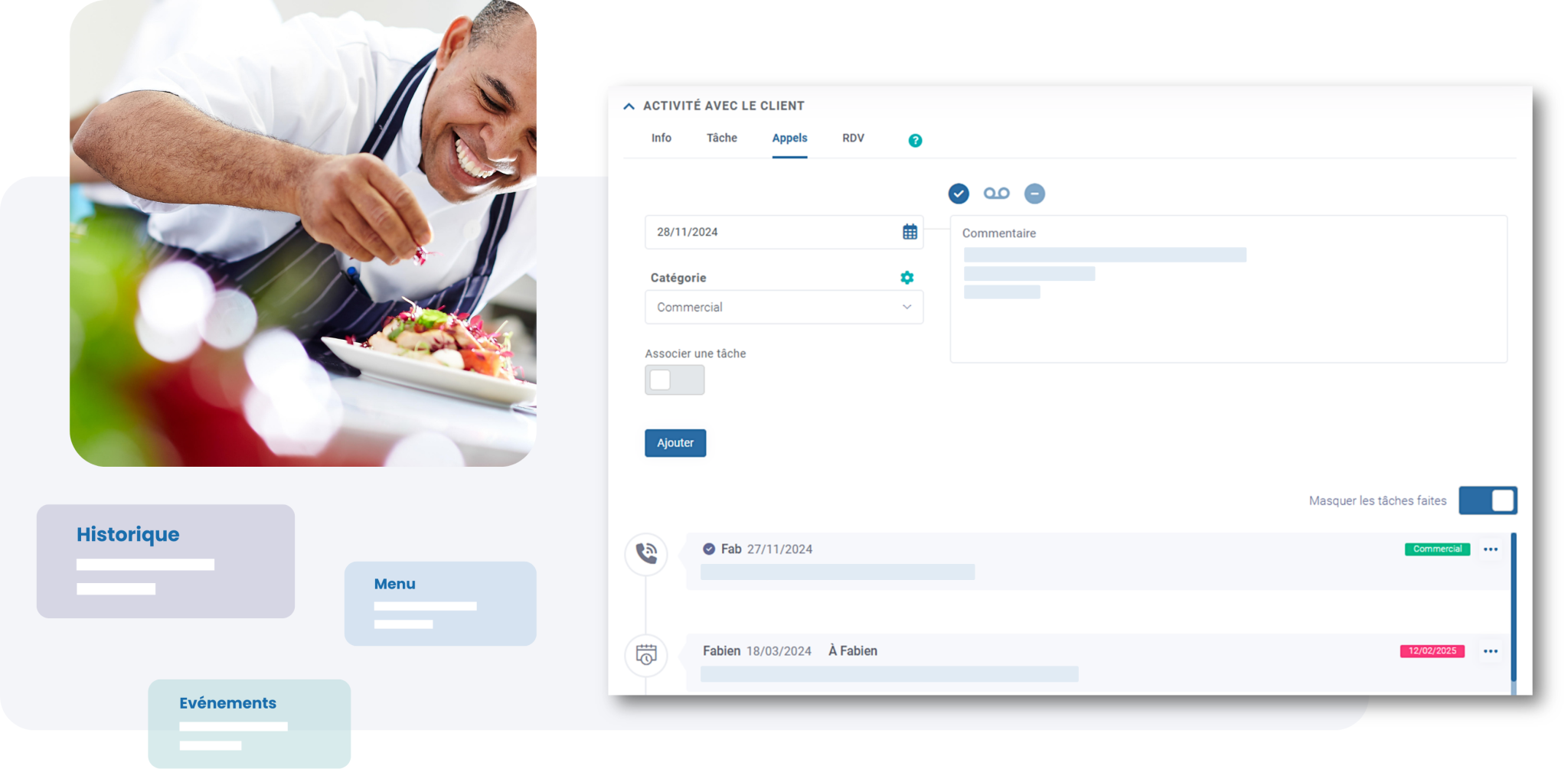
At its foundation, the platform operates as a robust CRM. Event planners can capture leads from various intake channels, track prospective clients through a customizable sales pipeline, and maintain comprehensive historical logs of all communications.
- Centralized Contact Profiles: Every client interaction, phone call, email, and meeting note is stored in a single digital file.
- Custom Inquiry Pipelines: Planners can visualize their sales funnel, moving leads from initial inquiry to proposal, contract signing, and final payment.
- Automated Follow-Ups: System triggers help ensure that prospective clients receive timely responses, reducing drop-off rates during the critical proposal stage.
Event Booking and Proposal Generation
Creating accurate, visually appealing proposals is vital for securing event contracts. Aerochef allows planners to build detailed proposals that incorporate menu items, staffing requirements, equipment rentals, and venue fees.
- Dynamic Pricing Calculators: As guest counts or menu selections change, the system automatically recalculates taxes, service charges, and total costs.
- Digital Signatures: Clients can review and sign contracts electronically, accelerating the booking timeline.
- Deposit and Payment Tracking: Integrated financial tracking monitors which invoices are paid, pending, or overdue.
Menu Management and Culinary Production Planning
Unlike generic business CRM tools, catering-specific software must account for the complexities of food preparation. Aerochef connects event bookings directly to kitchen operations.
- Recipe Costing and Scaling: Planners and chefs can input recipes, calculate exact ingredient costs per head, and automatically scale quantities based on confirmed guest counts.
- Ingredient Purchase Orders: The system generates procurement lists, helping kitchens avoid food waste while ensuring sufficient inventory.
- Dietary Restriction Tracking: Special meals—such as vegan, gluten-free, or allergen-sensitive dishes—are tagged to specific attendees, minimizing errors on the event floor.
Comparative Overview of Catering Management Capabilities
To understand the value proposition of a specialized catering CRM like Aerochef, it is helpful to compare it against alternative operational methods commonly used by event planners.
| Feature / Capability | Manual Spreadsheets & Email | Generic Business CRM | Aerochef Catering CRM |
|---|---|---|---|
| Lead & Contact Tracking | Low (Disorganized across files) | High (General sales focus) | High (Tailored to event timelines) |
| Menu Engineering & Costing | Manual calculations required | None or very limited | Built-in recipe scaling and food costing |
| Kitchen Production Sheets | Manual creation (High error risk) | None | Automated generation based on bookings |
| Client Proposal Generation | Static documents (Word/PDF) | Template-based (Generic) | Dynamic event proposals with e-signatures |
| Staff & Equipment Scheduling | Separate calendars needed | Limited scheduling tools | Integrated event resource allocation |
Operational Benefits for Event Planners
Adopting a dedicated platform like Aerochef yields tangible operational advantages that directly impact profitability, client satisfaction, and team efficiency.
Reduction of Administrative Overhead
Administrative tasks consume a significant portion of an event planner's workday. By automating routine workflows—such as sending reminder emails, generating standard invoices, and updating client contact records—the software frees up hours that can be redirected toward business development and creative design. Furthermore, digital proposal repositories eliminate the need to search through physical filing cabinets or chaotic local computer folders.
Enhanced Cross-Departmental Communication
Miscommunication between sales teams and kitchen staff can ruin an event. If a client requests a last-minute menu modification, that change must reach the head chef immediately. Aerochef maintains a single source of truth; when a planner updates a client file, the corresponding kitchen production sheets and packing lists update automatically. This transparency reduces internal friction and ensures flawless execution on the day of the event.
Data-Driven Financial Oversight
Profit margins in catering and event planning can be razor-thin, driven by fluctuating ingredient costs and labor expenses. The reporting modules within catering CRM software provide clear visibility into historical revenue, most profitable menu items, and labor costs per event. Armed with these insights, planners can adjust their pricing strategies and negotiate better terms with food suppliers.
Potential Limitations and Implementation Challenges
While the benefits are substantial, introducing any new software platform into an existing business operation involves challenges that require careful management.
Initial Setup and Data Migration
Transitioning historical client data, existing recipes, and standardized pricing structures into a new database demands considerable time and effort. Planners must dedicate staff hours to clean up existing spreadsheets, input accurate recipe quantities, and verify that all templates align with their brand identity. Rushing this setup phase often leads to operational friction during the first few live events managed on the platform.
Team Training and Adoption
Software is only as effective as the people using it. Culinary staff, sales coordinators, and event-day supervisors may resist adopting a new digital tool, preferring familiar analog methods or simpler text messaging apps. Overcoming this resistance requires structured training sessions, clear internal guidelines, and consistent enforcement from leadership.
Subscription Costs and ROI
Dedicated vertical software solutions often carry higher monthly or annual subscription fees compared to generic productivity tools. Smaller independent planners or boutique caterers must carefully calculate their projected return on investment (ROI) to ensure that the time saved and revenue protected justify the software expenditure.
Frequently Asked Questions
Is Aerochef suitable for standalone event planners who do not provide in-house catering?
While Aerochef is optimized for businesses that handle both event coordination and food service, independent planners who partner with external caterers can still utilize its client management, proposal generation, and timeline features. However, tools focused strictly on venue coordination or guest list management may offer a better fit for non-catering planners.
How does recipe scaling work within catering CRM software?
When an event planner updates the confirmed guest count from 100 to 150 attendees, the system automatically multiplies the ingredient quantities specified in the attached recipes. This generates an updated procurement list for the kitchen, ensuring that purchasing matches actual demand without requiring manual mathematical calculations.
Can clients view and sign contracts directly through the platform?
Yes, modern catering CRMs typically feature client-facing portals or secure web links. Clients can review interactive proposals, select optional add-ons, approve final terms, and execute legally binding electronic signatures without needing to print, sign, and scan physical documents.
What technical prerequisites are needed to run Aerochef?
As a cloud-based Software-as-a-Service (SaaS) platform, Aerochef generally requires only a stable internet connection and a modern web browser. This cloud architecture allows event planners and kitchen managers to access operational data from desktop computers, tablets, or mobile devices while on-site at venues.
How does software security protect sensitive client payment information?
Reputable catering CRM platforms utilize encrypted data transmission (such as SSL/TLS protocols) and partner with secure, PCI-DSS compliant payment gateways for processing credit card transactions. Planners should verify specific data governance practices directly with software vendors during their evaluation process.
Conclusion and Next Actions
Aerochef catering services CRM software offers a comprehensive digital environment designed to eliminate administrative bottlenecks, synchronize front-of-house planning with back-of-house kitchen operations, and elevate the client experience. Event planners seeking to scale their operations, improve profit margins, and reduce coordination errors should begin by mapping their current internal workflows. Documenting existing pain points provides a clear benchmark against which to evaluate software demos, trial periods, and feature sets. To determine suitability, request a personalized product demonstration focusing on your specific menu complexity, team size, and recurring booking volume.