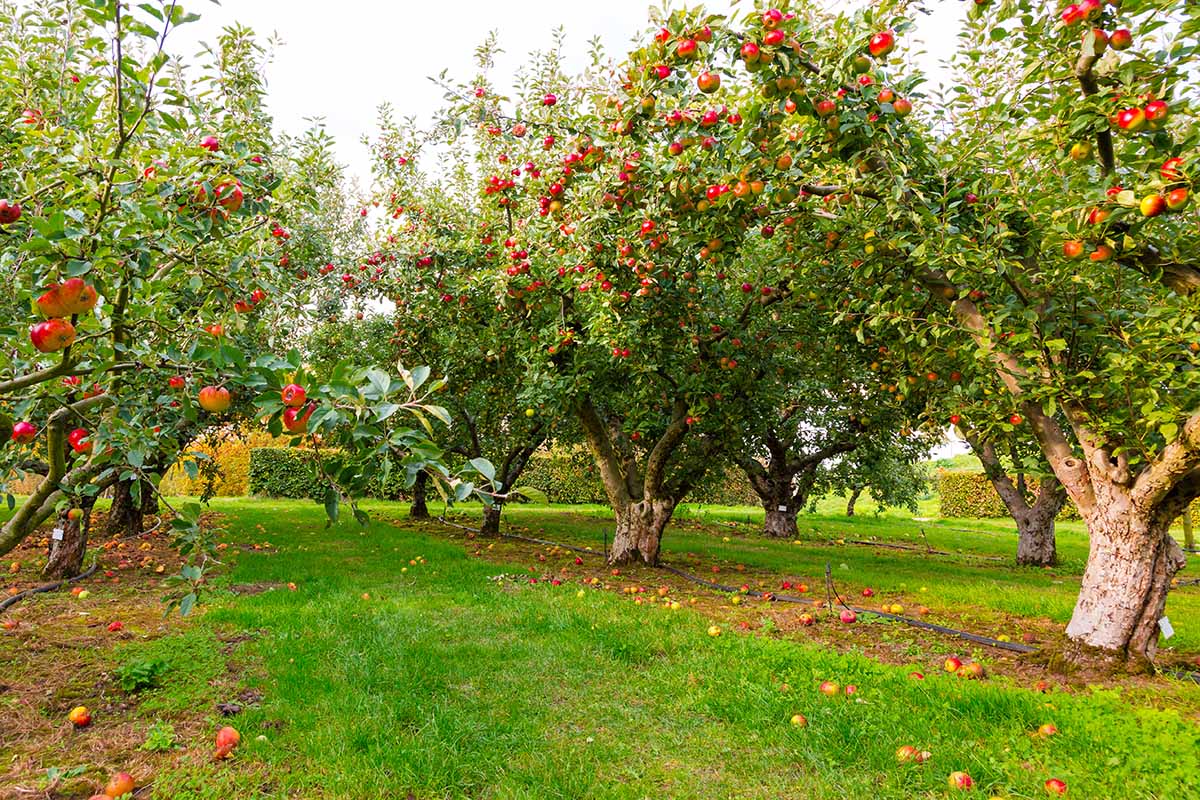
Adams Apple Tree Service delivers professional tree management solutions across Austin, Texas, specializing in structural pruning, hazardous tree removal, stump grinding, and oak wilt mitigation. By combining local environmental expertise with safety-compliant equipment, the company helps residential and commercial property owners protect their investments while complying with Austin's strict municipal tree protection ordinances.
The Urban Forest of Austin, Texas: Environmental Challenges and Tree Health
Maintaining a healthy urban canopy in Central Texas requires an understanding of distinct regional microclimates, severe weather patterns, and specific soil compositions. Austin's geographic location along the Balcones Fault line splits the area into two major soil environments: the alkaline, shallow limestone soils of the Texas Hill Country to the west, and the deep, heavy clay soils of the Blackland Prairie to the east.
Trees growing in these contrasting soil types experience different nutrient availability, root growth limits, and water retention rates. As a result, professional care must adapt to the specific conditions of each property.
| Hill Country (West) | Blackland Prairie (East) |
|---|---|
| • Shallow limestone soil | • Heavy clay soils |
| • Alkaline pH levels | • High water retention |
| • Elevated drought risk | • Expansion/contraction |
| • Extreme root stress | • Nutrient locking risk |
Central Texas Climate and Extreme Weather Stress
Austin experiences severe weather events that put extreme stress on mature trees. Prolonged summer heat, intense drought cycles, sudden flash freezes, and heavy Spring storms create hazardous conditions for structural integrity.
- Drought and Heat Stress: High heat and prolonged dry periods cause soil shrinkage and root breakage, leading to crown dieback, reduced sap flow, and increased susceptibility to wood-boring insects.
- Ice Accumulation: Winter freeze events add significant ice weight to evergreen and semi-evergreen species like Live Oaks (Quercus fusiformis), frequently causing severe limb breakage and trunk splitting.
- High Winds: Sudden squall lines and severe summer thunderstorms tear weak branch unions apart, especially in trees with unmanaged canopies or co-dominant stems.
Regular structural pruning reduces wind resistance within the canopy, while targeted deep-root fertilization helps trees recover from environmental stress.
Managing Oak Wilt (Bretziella fagacearum) Risks
Oak wilt is one of the most destructive tree diseases in Central Texas, affecting thousands of oaks across Austin annually. The fungus attacks the vascular system of trees—primarily red oaks (such as Spanish Oak and Shumard Oak) and white oaks (such as Live Oak and Post Oak)—blocking water transport and leading to rapid leaf loss and tree mortality.
- Nitidulid Beetles (Sap Feeders)
- Attracted to fresh pruning cuts
- Carry fungal spores externally
- Active primarily Feb 1 – June 30
- Root Graft Connections
- Connects adjacent trees
- Spreads underground rapidly
- Requires trenching isolation
To prevent the spread of oak wilt, local arborist standards enforce strict seasonal guidelines:
- Pruning Moratoriums: Avoid pruning oak trees between February 1st and June 30th, when sap-feeding Nitidulid beetles (the primary insect vector for fungal spores) are most active.
- Immediate Wound Sealing: Any fresh cuts, accidental breaks, or mechanical wounds made on oak trees—regardless of the season—must be treated immediately with wound paint or pruning sealant to block beetle entry.
- Root Trenching: When oak wilt infects a connected group of live oaks, specialized trenching equipment must cut interconnected root systems at a depth of at least four feet to stop underground transmission.
Core Arboricultural Services Offered by Adams Apple Tree Service
Proper tree maintenance requires specialized techniques tailored to the species, age, condition, and location of every tree on a property. Adams Apple Tree Service provides dedicated solutions for routine maintenance, property preservation, and severe storm recovery.
- Tree Trimming & Pruning: Enhances sunlight, removes deadwood
- Tree Removal & Hazard: Eliminates property risks, diseased trunks
- Stump Grinding & Prep: Clears ground for replanting or lawn maintenance
- Cabling & Bracing: Stabilizes co-dominant trunks & structural splits
Professional Tree Trimming and Pruning
Pruning is essential for tree structural health, aesthetic balance, and overall property safety. Standard pruning practices include:
- Crown Thinning: Selectively removing small-diameter branches throughout the upper canopy to improve light penetration and air movement, reducing wind drag during storm events.
- Crown Cleaning: Removing dead, dying, diseased, or weakly attached branches to eliminate fall hazards and stop decay from spreading into the main trunk.
- Crown Raising: Clearing lower limbs to provide vertical clearance for pedestrians, vehicles, rooflines, and adjacent structures.
- Structural Pruning: Developing strong branch architecture in young and maturing trees by establishing a dominant central stem and eliminating competing co-dominant leaders.
Hazardous and Emergency Tree Removal
When a tree becomes structurally unstable, fatally diseased, or poses an imminent threat to life and property, complete removal becomes necessary. High-risk tree removals demand technical rigging, crane operations, and specialized cutting strategies to lower large wood sections safely within tight urban spaces.
Key triggers for tree removal include:
- Extensive internal decay or hollow trunks compromising structural integrity.
- Severe root damage from construction, utility trenching, or soil erosion.
- Irreversible insect infestations or systemic fungal infections like oak wilt.
- Trees growing too close to power lines, foundation walls, or adjacent roofs without space for safe growth.
Stump Grinding and Site Restoration
After a tree is removed, the remaining stump creates a tripping hazard, attracts wood-destroying pests like termites and carpenter ants, and produces unwanted sucker growth. Mechanized stump grinding mills the wood below ground level (typically 6 to 12 inches deep), turning the stump and main root flare into fine wood mulch.
Once ground out, the remaining depression can be filled with fresh topsoil, leveled, and prepared for turf installation, garden beds, or replanting.
Tree Cabling, Bracing, and Structural Support
Not all structurally compromised trees need to be cut down. Valued shade trees with multi-stem trunks, narrow crotches, or heavy leaning limbs can often be preserved using supplemental support systems.
- Cabling: Flexible high-strength steel or synthetic cables installed in the upper canopy restrict how far co-dominant stems can sway independently during high winds, reducing stress at the branch union.
- Bracing: Threaded steel rods installed directly through split or weak crotches provide rigid support against twisting forces.
Austin Municipal Tree Regulations: Navigating Permits and Protected Trees
The City of Austin enforces strict environmental rules under its Land Development Code to safeguard the local urban canopy. Property owners and contractors must follow these guidelines before removing or heavily pruning protected trees.
| Tree Category | Size Requirement (DBH*) | Permit Required? |
|---|---|---|
| Standard Tree | Under 19 inches | No |
| Protected Tree | 19 to 23.9 inches | Yes (Most actions) |
| Heritage Tree | 24+ inches (Select species) | Strict variance needed |
* DBH = Diameter at Breast Height (measured 4.5 feet above ground level)
Understanding Protected and Heritage Tree Designations
In Austin, tree size is measured using Diameter at Breast Height (DBH), which is the diameter of the main trunk measured 4.5 feet above natural grade level.
- Protected Trees: Any tree measuring 19 inches DBH or greater is considered protected. Removing, topping, or cutting roots within the Critical Root Zone (CRZ) of a protected tree requires an approved permit from the City Arborist.
- Heritage Trees: A subset of protected trees measuring 24 inches DBH or larger that belong to specific indigenous species, including:
- Texas Red Oak (Quercus buckleyi)
- Southern Live Oak (Quercus virginiana)
- Escarpment Live Oak (Quercus fusiformis)
- Post Oak (Quercus stellata)
- Cedar Elm (Ulmus crassifolia)
- Bur Oak (Quercus macrocarpa)
- Cedar / Ashe Juniper (Juniperus ashei) – Large specimens meeting specific ecological criteria
Removing a Heritage Tree requires meeting stringent exemption criteria, such as proof that the tree is dead, poses an imminent safety hazard, or prevents all reasonable use of the property.
Permit Requirements and Mitigation Plans
To obtain a tree removal permit in Austin, property owners must submit an official application along with a tree survey, photos, and a detailed justification report prepared by a certified arborist. If a permit is approved, the owner must usually fulfill mitigation requirements, which may include:
- Replanting replacement trees on-site, calculated by total diameter inches removed.
- Paying into the City of Austin Urban Forest Replenishment Fund if on-site planting space is limited.
Performing unpermitted work on protected or heritage trees can result in substantial fines, legal penalties, and stop-work orders on active construction sites.
Service Breakdown and Seasonal Pruning Matrix
Understanding when and how to perform tree care operations ensures tree health while complying with local laws. The table below outlines standard tree care procedures, optimal execution windows in Central Texas, and regulatory considerations.
| Service Type | Primary Purpose | Optimal Execution Period | Austin Regulatory Requirements |
|---|---|---|---|
| Oak Tree Pruning | Structural balance, clearance, deadwood removal | July 1 to January 31 (Strictly avoid Feb 1–June 30) | Instant wound paint application mandatory; permit required if cutting >25% of canopy |
| Non-Oak Pruning | Light penetration, shape restoration, crown raising | Year-round (Late winter preferred for deciduous) | City permit required if pruning protected/heritage tree structural limbs |
| Hazardous Removal | Risk elimination, property defense | Immediate / Emergency response | City removal permit required for trees $\ge 19''$ DBH unless imminent hazard |
| Tree Cabling/Bracing | Structural stabilization of weak splits | Year-round | Non-invasive; no permit required unless severe root/trunk drilling is involved |
| Stump Grinding | Safety hazard removal, pest prevention | Year-round (Post-removal) | Call 811 (Texas 811) before digging to locate underground utility lines |
| Oak Wilt Treatment | Disease suppression and preventative injection | Early Spring or Late Fall | Regulated chemical application; must be performed by certified applicators |
Evaluating Local Tree Care Providers: Safety, Credentials, and Standards
Hiring a professional tree care contractor protects your land investment, reduces liability risks, and ensures long-term canopy health. Tree work involves hazardous equipment, high-elevation climbing, and proximity to power lines, making proper verification critical.
- Active General Liability Insurance ($1M–$2M minimum)
- Active Workers' Compensation Insurance Coverage
- On-site Certified Arborists (ISA Credentialed)
- ANSI A300 Pruning & ANSI Z133 Safety Compliance
- Formal Written Work Estimates with Clear Scope
Insurance, Licensing, and Safety Standards
Property owners should verify that any tree care company carries adequate insurance coverage before work begins:
- General Liability Insurance: Protects your property against structural damage, utility line destruction, or accidental fence breakage during operations.
- Workers’ Compensation Insurance: Covers crew members in the event of job-site injuries. Without this, property owners can be held financially liable for accidents occurring on their land.
Tree care companies must strictly adhere to ANSI Z133 safety standards, which govern tree trimming, rigging, chain saw operation, overhead utility line clearance, and personal protective equipment (PPE) usage.
ISA Certification and Technical Expertise
The International Society of Arboriculture (ISA) sets global benchmarks for arboricultural knowledge and ethics. An ISA Certified Arborist has demonstrated core competency in tree biology, diagnosis, soil management, structural risk evaluation, and urban forestry practices.
| Aspect | Certified Arborist | Unqualified Worker |
|---|---|---|
| Pruning Technique | Correct collar cuts | Flush cuts, stub cuts |
| Canopy Care | Max 25% foliage removal | Topping, lion's tailing |
| Disease Control | Seals wounds instantly | Leaves cuts exposed |
| Safety Focus | ANSI Z133 protocols | Minimal safety gear |
| Regulated Trees | Navigates City Permits | Ignores ordinance rules |
Outdated, harmful practices such as tree topping (cutting main stems to blunt stubs) or lion's-tailing (stripping all inner foliage and leaving small tufts at branch tips) weaken tree structure, induce sunscald, create entry points for wood decay fungi, and increase long-term collapse hazards.
Seasonal Care Guidelines for Austin Property Owners
Proactive maintenance throughout the year builds resilience against Central Texas weather extremes.
Spring (March – May)
- Inspect trees for fresh leaf growth, monitoring for leaf spot, aphid activity, or early symptoms of oak wilt.
- Apply a 2- to 4-inch layer of organic hardwood mulch around the base of trees to retain moisture, keeping mulch pulled back 3 inches from the trunk base to prevent bark rot.
- Verify that automatic irrigation systems do not spray directly onto tree trunks.
Summer (June – August)
- Provide deep, infrequent watering during prolonged summer droughts, targeting the drip line (the outer ring of the canopy) rather than the main trunk.
- Avoid major structural pruning during extreme heat to limit drought stress and sunburn on thin-barked trees.
- Monitor soil moisture using a soil probe; deep roots benefit from long, slow watering cycles applied late at night or in early morning.
Fall (September – November)
- Schedule structural pruning for non-oak deciduous species as trees transition toward dormancy.
- Inspect branch unions for structural cracks, fungi, or weeping sap, planning cabling or bracing installations before winter windstorms arrive.
- Plant new trees late in the fall season, giving root systems months to establish in cool soil before summer heat returns.
Winter (December – February)
- Perform major canopy corrections and maintenance pruning while trees are fully dormant.
- Protect vulnerable young trees or non-native species from hard freezes by wrapping trunks or mulching root zones thoroughly.
- Clear deadwood and hazardous branches ahead of winter ice storms to lower structural failure risks.
Frequently Asked Questions
When is the best time of year to trim oak trees in Austin?
The best time to prune oak trees in Austin is during the cold dormant season, specifically from July 1st through January 31st. Property owners should strictly avoid pruning oaks between February 1st and June 30th to minimize the risk of sap-feeding beetles spreading oak wilt. If an oak tree suffers storm damage or poses an emergency risk during these spring months, the damaged branches must be trimmed immediately, and all cut surfaces must be coated with paint or pruning seal within minutes.
Do I need a permit from the City of Austin to remove a tree on my private property?
You need a permit from the City of Austin if the tree meets the "Protected Tree" status, defined as having a trunk diameter of 19 inches or greater measured at 4.5 feet above ground level. If the tree is 24 inches or larger and belongs to a protected native species (like Live Oak or Cedar Elm), it qualifies as a "Heritage Tree," which involves even stricter removal rules. Trees under 19 inches DBH generally do not require removal permits unless they were planted as part of an approved site development mitigation plan.
How can I tell if a tree on my property is infected with oak wilt?
In live oaks, the most reliable symptom of oak wilt is veinal necrosis, where the veins of dying leaves turn yellow and then brown while the rest of the leaf remains light green. Infected trees shed leaves rapidly, thinning the canopy over a few weeks or months. Red oaks show rapid leaf browning across the entire canopy, usually dying within weeks. If you notice these symptoms, contact an ISA Certified Arborist right away to confirm the diagnosis and establish containment barriers.
What is the difference between tree topping and structural pruning?
Tree topping is an outdated, harmful practice that involves cutting major branches down to stubby ends without regard to lateral branch placement. This damages tree health, triggers weak sucker growth, and creates rapid internal decay. In contrast, structural pruning uses selective cuts at branch collars, preserves the tree's natural shape, improves air circulation, and balances canopy weight to build long-term strength.
How close to my home's foundation can tree roots grow before causing damage?
Tree roots rarely puncture intact concrete foundations on their own; instead, they follow pre-existing soil cracks, moisture lines, and utility channels. However, large root systems growing near foundations can dry out heavy clay soils (like those in East Austin), causing the soil to shrink and slide, which leads to foundation settling. Maintain a clearance distance of 10 to 15 feet between large shade trees and building foundations, or install root barriers to redirect growth away from concrete slabs.
Actionable Next Steps for Austin Property Owners
To maintain canopy safety, support overall tree health, and remain fully compliant with local Austin regulations, follow this step-by-step evaluation process:
- Measure and Catalog Your Trees: Measure your property's mature trees at 4.5 feet above ground level. Keep a record of any trees measuring 19 inches DBH or greater that fall under City of Austin protection guidelines.
- Inspect for Seasonal Hazards: Look for structural warning signs such as ground cracking around the root flare, co-dominant trunks with tight split bark, dead canopy limbs, or exposed wounds on oak trees.
- Confirm Contractor Credentials: When requesting quotes, verify that your chosen tree service provider holds active General Liability and Workers' Compensation insurance, employs ISA Certified Arborists, and guarantees compliance with ANSI A300 pruning practices and municipal permit procedures.
- Schedule Seasonal Pruning: Align major oak tree maintenance strictly within the July 1 to January 31 window. Ensure emergency repair crews carry pruning sealant to cover fresh cuts immediately during off-season work.