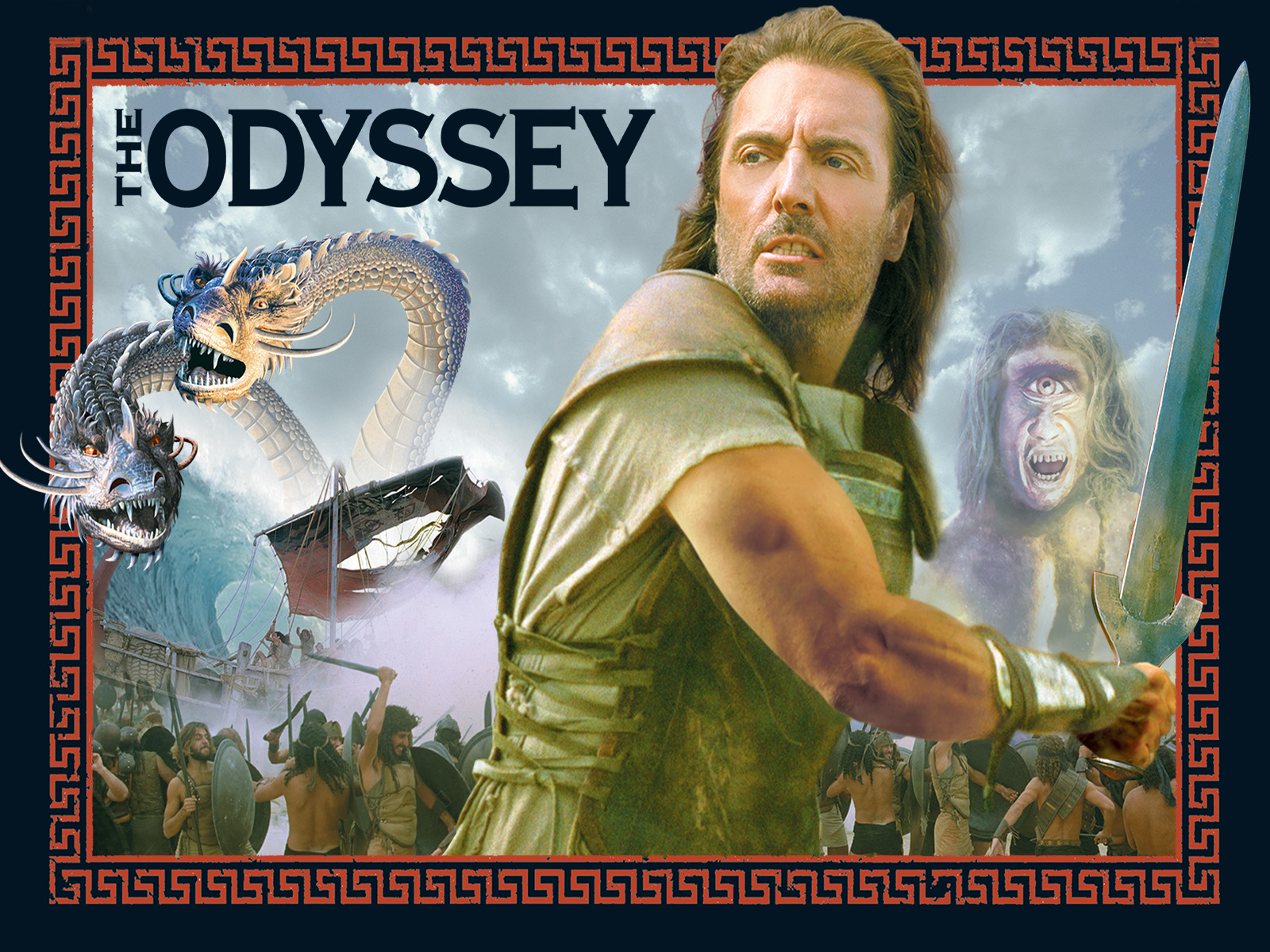
Action movies maintain their enduring appeal by combining high-stakes physical conflict with universal themes of justice, heroism, and survival. This genre serves as cinema's "universal language," relying on visceral visual storytelling and rhythmic pacing that transcends cultural and linguistic barriers, providing a primal form of catharsis and escapism for global audiences.
The Evolutionary Arc: From Staged Fights to Digital Spectacle
The history of action cinema is a testament to the industry's constant pursuit of technical innovation. In the early 20th century, action was often a byproduct of other genres, such as the Western or the silent comedy. Performers like Buster Keaton and Charlie Chaplin were the original action stars, executing life-threatening stunts with a level of physical precision that remains impressive in 2026. These early pioneers established the fundamental rule of the genre: the spectacle must feel earned.
As the studio system matured, the 1950s and 1960s introduced the "epic" action film. Movies like Ben-Hur (1959) utilized massive sets and thousands of extras to create a sense of scale that felt genuinely monumental. However, the modern template for the action hero began to solidify in the 1970s. This era moved away from the clean-cut heroes of the past, introducing grittier, more morally ambiguous protagonists in films like The French Connection (1971) and Dirty Harry (1971). These films prioritized realism, utilizing handheld cameras and location shooting to immerse the audience in the chaos.
The Golden Age of the 1980s and 1990s
The 1980s marked the "Hard Body" era, dominated by icons like Arnold Schwarzenegger and Sylvester Stallone. This decade transformed the action movie into a global economic powerhouse. Films such as Predator (1987) and The Terminator (1984) focused on hyper-masculinity and overwhelming firepower. Yet, it was Die Hard (1988) that redefined the genre by introducing the "vulnerable hero." Bruce Willis’s John McClane wasn't an invincible machine; he was a tired, bleeding man trapped in a building, making the stakes feel personal and immediate.
The 1990s brought a fusion of high-concept plots and burgeoning digital technology. Directors like James Cameron pushed the limits of visual effects in Terminator 2: Judgment Day (1991), while the influence of Hong Kong cinema—specifically the "Gun-Fu" style of John Woo—began to permeate Hollywood. This culminated in The Matrix (1999), a film that blended philosophy, cyberpunk aesthetics, and revolutionary "bullet time" photography, forever changing how action sequences were choreographed and filmed.
The Pillars of Action Cinema: Why We Stay Hooked
The enduring appeal of action movies is not merely about explosions or body counts; it is rooted in deep-seated psychological triggers. At its core, the genre addresses the human desire for moral clarity. In a complex world, action movies often present a clear distinction between right and wrong, even when the hero is flawed.
The Archetypal Hero and the Relatable Underdog
The most successful action movies feature a protagonist who undergoes a significant physical and emotional trial. This "Hero’s Journey" is a narrative structure that has resonated with humans for millennia. Whether it is Furiosa in Mad Max: Fury Road (2015) or John Wick in his eponymous series, the audience connects with the character's resolve. In 2026, we see a continued trend toward heroes who are defined by their expertise and discipline rather than just brute strength. This shift reflects a societal appreciation for "competence porn"—the joy of watching someone who is exceptionally good at a difficult task.
The Catharsis of Controlled Chaos
Action cinema functions as a pressure valve for modern anxieties. The "fight or flight" response is triggered in a safe, controlled environment, allowing for a release of adrenaline and dopamine. The mastery of pacing is crucial here; a great action movie understands the "ebb and flow" of tension. Constant action leads to sensory exhaustion, whereas the best films in the genre, such as Heat (1995), use long periods of atmospheric tension to make the eventual outbursts of violence more impactful.
Technical Innovations Defining the Genre in 2026
As of 2026, the technical landscape of action filmmaking has reached a fascinating crossroads. While generative AI and advanced CGI allow for impossible spectacles, there has been a powerful counter-movement toward practical effects and "real" risk. Audiences in the mid-2020s have developed a sophisticated "eye" for digital shortcuts, leading to a renewed appreciation for films that put real stunt performers in real locations.
The Resurgence of Practical Stunts
The influence of the Mission: Impossible franchise and the John Wick series cannot be overstated. These productions prioritized "in-camera" action, where the lead actors perform significant portions of their own stunts. This commitment to authenticity creates a visceral connection that CGI often fails to replicate. In 2026, the industry has seen a formalization of this trend, with more rigorous safety protocols and a growing movement for the Academy of Motion Picture Arts and Sciences to officially recognize stunt coordinators with a dedicated Oscar category.
Sound Design and the Auditory Impact
Sound is the unsung hero of the action genre. The "enduring appeal" is as much about what we hear as what we see. The "crunch" of a punch, the mechanical whine of a reloading firearm, or the roar of a custom engine in a car chase are all meticulously engineered to create a sense of physical impact. Modern Dolby Atmos and spatial audio technologies have made these elements more immersive, allowing directors to guide the audience's attention through a chaotic scene using sound alone.
Comparative Analysis of Action Movie Eras
The following table illustrates how the defining characteristics of action movies have shifted over the decades, reflecting changes in both technology and audience expectations.
| Era | Primary Focus | Key Technical Feature | Iconic Example |
|---|---|---|---|
| 1920s-1950s | Physical Comedy/Epics | Practical Stunts & Extras | The General (1926) |
| 1960s-1970s | Realism & Grit | Handheld Cameras/Squibs | The French Connection (1971) |
| 1980s | Hyper-Masculinity | Pyrotechnics & Models | Commando (1985) |
| 1990s | High Concept/CGI | Early Digital VFX | The Matrix (1999) |
| 2000s-2010s | Superhero/Gritty Reboots | Motion Capture/Green Screen | The Dark Knight (2008) |
| 2020s-2026 | Hybrid/Authenticity | Practical-Digital Fusion | John Wick: Chapter 4 (2023) |
The Globalization of Action: From Hong Kong to the World
One of the reasons action movies have such "all time" staying power is their ability to incorporate international styles. The 20th-century dominance of Hollywood has been supplemented—and sometimes challenged—by global cinema.
- Hong Kong Cinema: The 1980s and 90s Hong Kong action scene, led by figures like Jackie Chan and Sammo Hung, introduced a level of intricate choreography and physical comedy that Hollywood eventually adopted. The "long take" fight sequence, now a staple of Western action, finds its roots in the demanding production schedules of the East.
- Indonesian Mastery: In the 2010s, films like The Raid (2011) re-energized the genre by showcasing Pencak Silat, a traditional martial art. This brought a level of brutal, close-quarters efficiency back to a genre that had become overly reliant on "shaky cam" and rapid editing.
- Indian Spectacle: The success of RRR (2022) demonstrated a global appetite for maximalist action that isn't afraid of melodrama and vibrant color. This "more is more" approach has influenced the 2026 blockbuster landscape, encouraging directors to embrace a sense of wonder and stylistic flair.
For a deeper look into the history of these international influences, the British Film Institute provides curated lists and historical context on how global styles have converged.
Common Pitfalls: Why Some Action Movies Fail to Resonate
Despite the genre's popularity, not every action film achieves "all time" status. The most common failure is "CGI Fatigue." When a movie relies entirely on digital assets, the stakes often feel weightless. If the audience cannot perceive the physical laws of gravity or the threat of injury to the protagonist, the tension evaporates.
Another pitfall is the lack of a compelling "why." Spectacle without story is merely a technical demonstration. The films that endure are those where the action serves the character's development. In Mad Max: Fury Road, every car crash and stunt tells us something about the desperation and resourcefulness of the characters. Without that narrative engine, an action movie becomes a series of loud noises that the audience quickly forgets.
The Future of Action: Trends for 2026 and Beyond
As we navigate through 2026, the action genre is evolving toward more personalized and immersive experiences. We are seeing a rise in "POV" (Point of View) sequences influenced by video game aesthetics, as well as films designed specifically for high-frame-rate projection to enhance clarity during fast-motion scenes.
Furthermore, the "Legacy Sequel" trend—reviving older franchises with their original stars—continues to thrive. These films, like Top Gun: Maverick (2022), leverage nostalgia while utilizing modern filming techniques (like mounting IMAX cameras inside fighter jets) to provide an experience that feels both familiar and groundbreaking. This suggests that the "enduring appeal" of the genre is also tied to our collective history with these characters; we want to see them age, adapt, and overcome new challenges in a changing world.
FAQ
What is considered the greatest action movie of all time? While subjective, Die Hard (1988), Mad Max: Fury Road (2015), and The Terminator (1984) frequently top critical lists. Their high ranking is usually due to a perfect balance of innovative stunts, tight scripts, and iconic performances that have influenced all subsequent films in the genre.
Why is the 1980s often called the "Golden Age" of action? The 1980s saw the emergence of the "blockbuster" mentality, where massive budgets were allocated specifically for spectacle. It was also the era when global icons like Schwarzenegger and Stallone were at their peak, and practical pyrotechnics reached a level of artistry before CGI became the primary tool for destruction.
How has CGI changed the way action movies are made? CGI has allowed directors to visualize sequences that were previously impossible, such as large-scale superhero battles or complex sci-fi environments. However, it has also led to a "de-skilling" of some aspects of filmmaking, which has prompted the current 2026 trend of returning to practical stunts to maintain a sense of "real" danger.
Is there a difference between an action movie and a thriller? Yes. While they often overlap, an action movie focuses on the physical resolution of conflict (chases, fights, explosions). A thriller focuses on psychological tension, suspense, and the anticipation of danger. An action movie asks "How will they survive?" while a thriller asks "What will happen next?"
Are there any female-led action movies that are considered "all-time" classics? Absolutely. Films like Aliens (1986) with Ellen Ripley, Terminator 2: Judgment Day (1991) with Sarah Connor, and Kill Bill (2003) have set the standard for the genre. In more recent years, Mad Max: Fury Road and the John Wick spin-offs have continued this legacy.
Practical Recommendation for Action Fans
To truly appreciate the "enduring appeal" and technical mastery of this genre, viewers should seek out films that prioritize clarity of action. Look for directors who use longer takes and wider shots during fight sequences, such as those found in the works of Chad Stahelski or George Miller. This allows you to see the "geography" of the scene—where the characters are in relation to each other and their environment—which is essential for building genuine suspense. In 2026, the best way to experience these films remains the largest possible screen with a high-quality sound system, as the genre is fundamentally designed for a communal, sensory-rich environment.