When a life insurance policyholder dies as the result of a homicide, the payout process involves a complex intersection of criminal law, civil statutes, and contractual policy terms. In insurance terms, a murder is generally classified as an accidental death from the perspective of the victim, triggering standard death benefits and potentially accidental death riders, provided the beneficiary was not involved in the crime and the insured did not provoke the fatal altercation.
Defining Homicide and Accidental Death in Life Insurance
To understand how life insurance claims function after a violent death, one must first separate criminal definitions from insurance contractual terms. In criminal law, homicide encompasses any killing of one human being by another, ranging from first-degree murder to involuntary manslaughter. In life insurance, however, death classifications depend heavily on intent, foreseeability, and the perspective of the insured policyholder.
- Death of Policyholder by Homicide
- Insured Was Innocent Victim (Unprovoked crime/attack)
- Primary Beneficiary Innocent
- Full Payout Issued (Base + ADB Rider)
- Primary Beneficiary Suspected
- Interpleader Action / Funds Held Pending Investigation Outcome
- Convicted/Liable
- Slayer Rule Applied (Passes to Contingent)
- Exonerated
- Full Payout Issued
- Convicted/Liable
- Interpleader Action / Funds Held Pending Investigation Outcome
- Primary Beneficiary Innocent
- Insured Provoked or Engaged in Illegal Act (Felony Exclusions)
- Claim Denied / Excluded
- Insured Was Innocent Victim (Unprovoked crime/attack)
From the perspective of an innocent victim, an unexpected lethal attack is unintended, sudden, and violent. Therefore, standard life insurance policies treat an unprovoked murder as an accidental death.
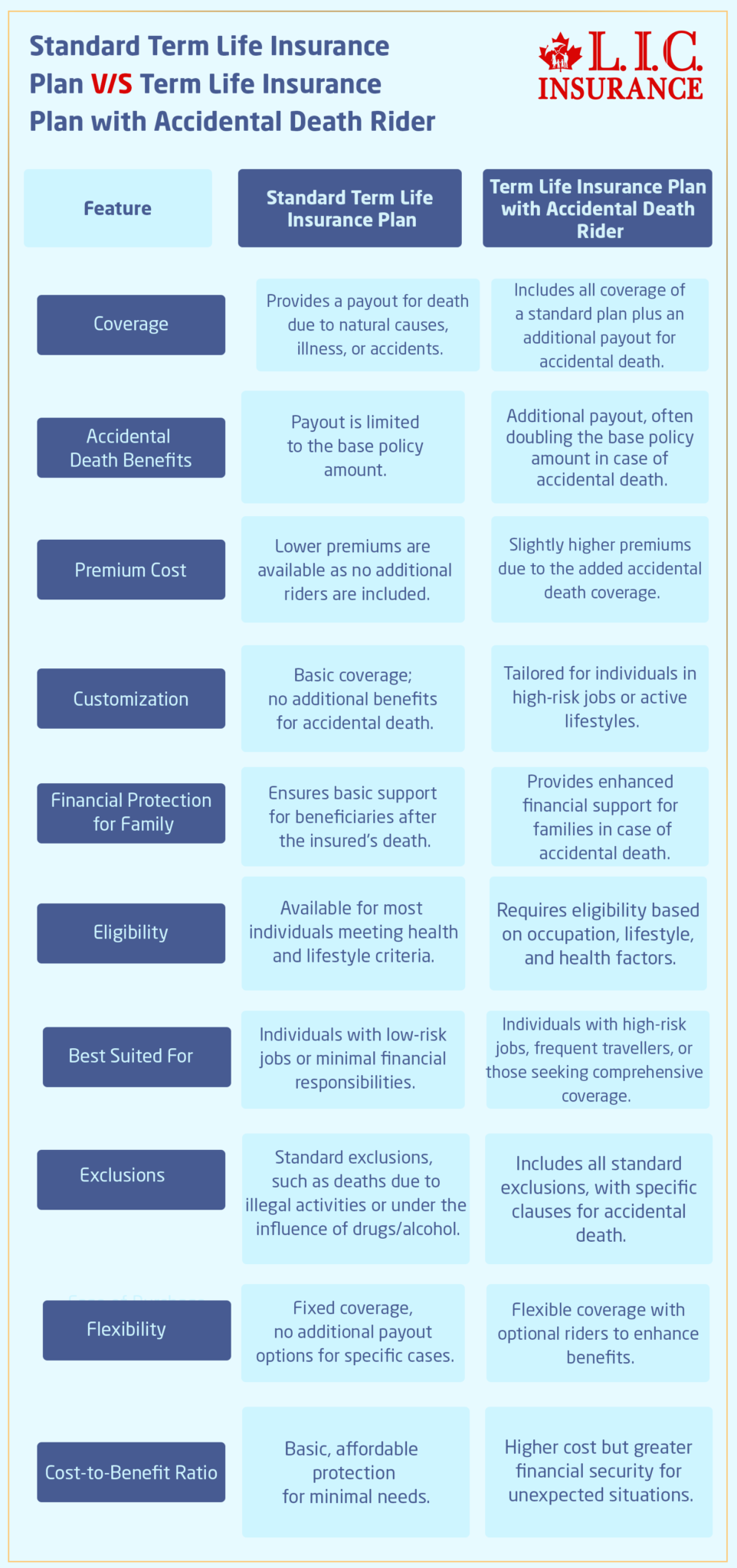
If a policyholder holds a standard individual term or permanent life insurance policy, the base face amount (the death benefit) is paid out to the designated beneficiary upon proof of death, regardless of whether the death resulted from natural causes, an illness, a traffic collision, or a violent crime committed by a third party.
However, the legal characterization changes dramatically depending on two pivotal factors:
- Who committed the act: If the primary beneficiary played a role in the policyholder's death, legal doctrines immediately freeze the claim.
- What the insured was doing: If the policyholder died while committing a violent crime or engaging in illegal activity, explicit policy exclusions may void coverage entirely.
The Slayer Rule: Barring Perpetrators from Policy Payouts
The core legal mechanism preventing a killer from profiting from their crime is known as the Slayer Rule. Originating in common law and codified across state statutes throughout the United States (as well as similar legal principles in common-law jurisdictions worldwide), the Slayer Rule dictates that a person who unlawfully and intentionally kills another person forfeits all financial benefits derived from the victim's death.
How the Slayer Rule Applies to Life Insurance
When a policyholder is murdered, the insurance company will not pay the death benefit to any beneficiary who is under investigation, charged with, or convicted of the crime.
Under the Slayer Rule, the law treats the perpetrator as though they predeceased the victim. This legal fiction ensures that the policy does not simply cancel or default to the insurer; instead, the money is redirected to non-offending secondary parties.
- Policyholder (Deceased)
- Primary Beneficiary (Perpetrator)
- Slayer Rule Disqualification
- BLOCKED
- Contingent Beneficiary OR Estate
- BLOCKED
- Slayer Rule Disqualification
- Primary Beneficiary (Perpetrator)
If a primary beneficiary is disqualified under the Slayer Rule:
- The death benefit passes directly to the named contingent (secondary) beneficiaries.
- If no contingent beneficiaries are listed, the proceeds are paid into the estate of the deceased policyholder, where they are distributed according to the policyholder's will or state intestate laws.
- Under no circumstances does the perpetrator receive funds through the estate.
Burden of Proof: Civil vs. Criminal Standards
A common point of confusion is whether a formal criminal conviction is required to trigger the Slayer Rule. In criminal court, a prosecutor must prove guilt beyond a reasonable doubt. In civil law—which governs insurance contracts—the standard of proof is a preponderance of the evidence (meaning it is more likely than not that the person committed or facilitated the act).
Consequently, an insurance beneficiary can be barred from receiving life insurance proceeds even if:
- They were acquitted in criminal court due to lack of evidence beyond a reasonable doubt.
- Criminal charges were dropped or never formally filed by prosecutors.
- The suspect committed suicide before standing trial.
In such cases, civil courts evaluating life insurance interpleader actions can independently determine whether the beneficiary intentionally caused the policyholder's death based on civil evidentiary standards.
When Is a Murder Considered an "Accidental Death" for Payouts?
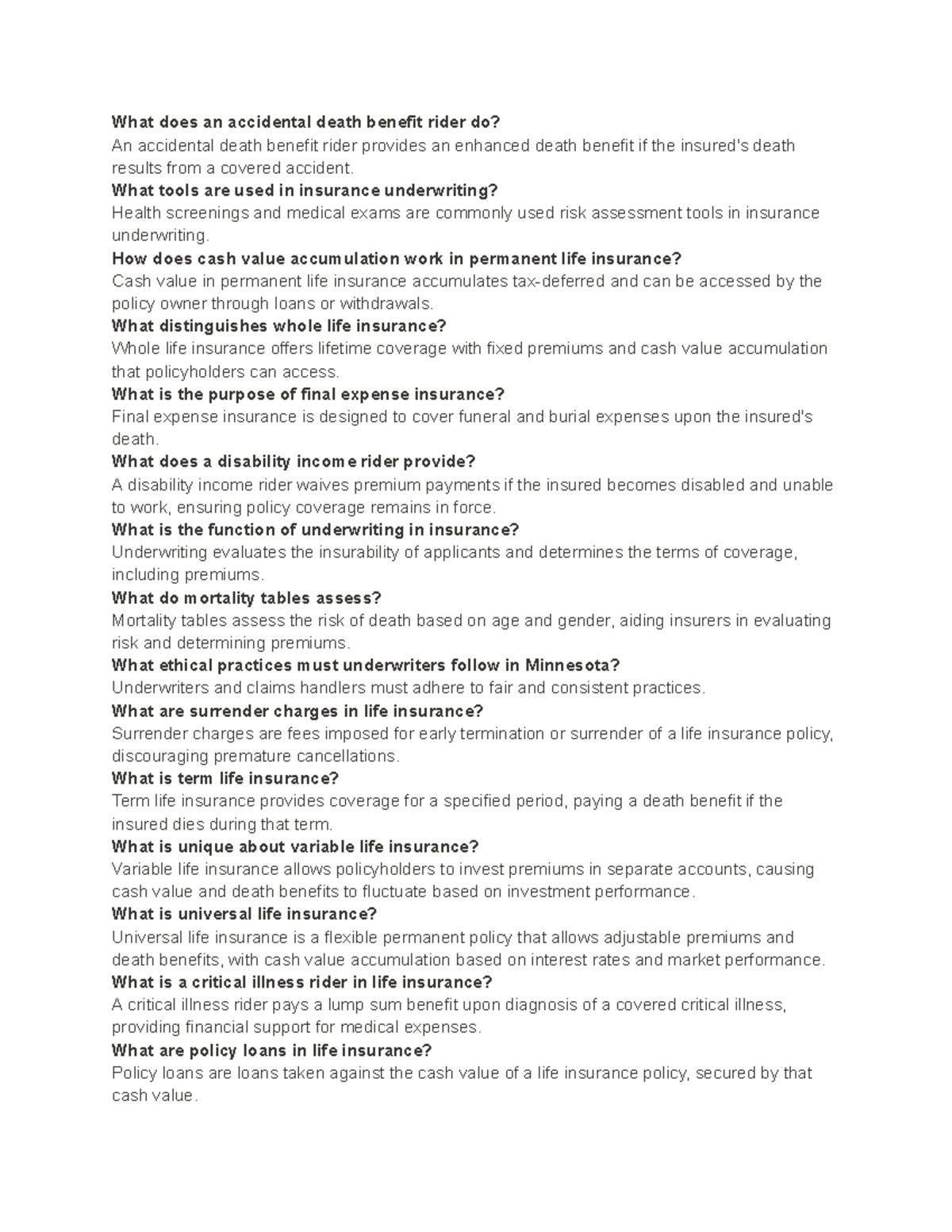
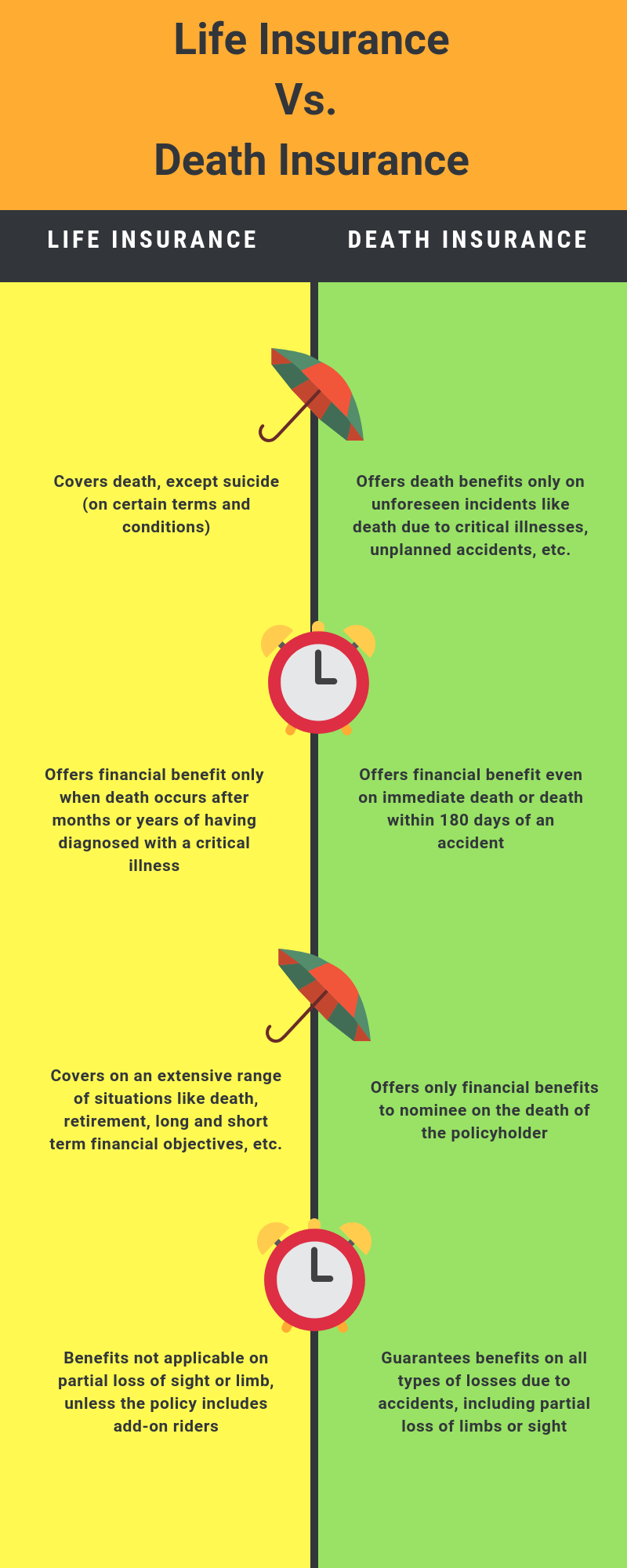
Many life insurance policies include or offer an optional rider called an Accidental Death Benefit (ADB), sometimes referred to as double indemnity. This rider pays out an additional sum—often equal to 100% of the original face value—if the insured dies directly from an accidental injury.
The Unprovoked Attack Standard
For an ADB rider to trigger in a homicide case, the death must meet the legal definition of an "accident" relative to the insured.
Courts consistently hold that if the insured is the victim of an unprovoked physical assault, armed robbery, mugging, or random act of violence, the resulting death is an accident under the terms of the policy. Because the policyholder did not intend, foresee, or bring about the assault, the death qualifies for both the core death benefit and the supplementary accidental death rider.
Exceptions: When Homicide Is Not an "Accidental Death"
An accidental death rider will generally not pay out for a homicide under specific, contractually defined circumstances:
- Provocation or Mutual Combat: If the insured initiated a violent physical altercations, pulled a weapon on someone else, or engaged in mutual combat, courts often rule that a lethal outcome was reasonably foreseeable. In these instances, the death is not considered an accident.
- Felony Exclusion Clause: If the policyholder was killed while committing a felony (such as participating in a burglary, illegal drug transaction, or armed assault), the insurer is exempt from paying the accidental death benefit, and frequently the primary life insurance policy as well.
- Internal Family Disputes Involving Assailants: If a non-beneficiary family member kills the insured during a domestic dispute, the base policy pays out to legitimate beneficiaries, but the ADB rider may be contested if the insurer proves the insured was the primary aggressor.
How Insurance Companies Investigate Suspicious Deaths
When a policyholder dies as a result of homicide or under suspicious circumstances, life insurance companies do not issue immediate payouts. Insurers have a fiduciary duty to investigate claims to prevent fraud and ensure compliance with statutory rules.
- Death Claim Filed (Homicide)
- Insurer Reviews Death Certificate & Police Report
- Clear Non-Involvement of Beneficiaries
- Claim Approved & Paid
- Beneficiary Listed as Suspect / Unclear Role
- Incur Interpleader Action (Funds Deposited with Court)
- Clear Non-Involvement of Beneficiaries
- Insurer Reviews Death Certificate & Police Report
The Role of Police Reports and Autopsies
Insurance claims adjusters request official documentation before approving payment, including:
- The certified death certificate, noting the manner of death (classified as Homicide, Accident, Suicide, Natural, or Undetermined).
- The coroner or medical examiner’s autopsy report, detailing toxins, physical injuries, and exact cause of death.
- Official police records and law enforcement statements identifying active suspects or clearing named beneficiaries.
If the death certificate lists the manner of death as "Homicide," the insurer automatically contacts the investigating law enforcement agency. Insurers will hold the claim in abeyance if police state that the primary or contingent beneficiary has not been ruled out as a suspect.
The Two-Year Contestability Period
If the policy was purchased within two years of the policyholder's death, it falls within the standard contestability period. During this timeframe, the insurance company has the legal right to review the original policy application for misrepresentations or omissions.
In a homicide investigation during the contestability period, insurers scrutinize:
- Whether the policy was fraudulently obtained by a third party with insurable interest concerns.
- If the policyholder concealed high-risk activities, criminal history, or pre-existing conditions.
- Fraudulent schemes involving straw buyers or staged policies.
If the insurer discovers material misrepresentations on the original application, it may rescind the contract and refund premiums paid, independent of the ongoing criminal homicide investigation.
Interpleader Actions: How Insurers Handle Disputed Claims
When an insurer faces competing claims or suspects a beneficiary may be barred by the Slayer Rule, it frequently files an interpleader action in state or federal court under statutes such as 28 U.S.C. § 1335.
Through an interpleader action, the life insurance company:
- Deposits the full policy proceeds into the registry of the court.
- Exits the legal dispute, removing itself from liability for double payouts.
- Asks the court to determine the rightful recipient (e.g., deciding between a suspect beneficiary, contingent beneficiaries, or the decedent's estate).
This process protects the insurance company while allowing the judicial system to hold funds until criminal charges are resolved or civil evidentiary hearings determine eligibility under the Slayer Rule.
Key Policy Exclusions That Deny Payouts
Even if the primary beneficiary had no involvement in the murder, certain standard policy exclusions permit life insurance carriers to deny coverage entirely following a violent death.
1. The Felony Exclusion Clause
Virtually all life insurance contracts contain a felony exclusion clause. This provision states that no benefits will be paid if the insured's death occurs directly or indirectly as a result of their participation in, or attempt to commit, a felonious act.
- Example: If an insured individual is shot and killed by a store owner while committing an armed robbery, the life insurance company will deny the claim under the felony exclusion clause.
- Causal Connection: The insurer must establish a direct causal link between the illegal act and the fatal injury.
2. Illegal Activity and Alcohol/Drug Exclusions
Policies often contain exclusions related to voluntary participation in illegal acts, unauthorized drug use, or extreme intoxication. If a policyholder is killed during an illegal drag race or an illicit drug transaction, insurers may invoke policy exclusions regarding dangerous or illegal conduct to deny accidental death riders or the base claim, depending on specific policy language and governing state law.
3. War and Acts of Terrorism Exclusions
If a policyholder dies in a mass attack, act of war, or civilian insurrection, insurers may evaluate claims under war exclusions or acts of terrorism provisions. While civilian deaths in domestic homicides are covered, death resulting from active participation in military conflict or acts of war often requires specialized coverage riders.
Legal Comparison Table: Scenarios, Payout Eligibility, and Recipients
The following table breaks down typical scenarios involving homicide, accidental death claims, and life insurance payouts:
| Death Scenario | Base Life Policy Payout? | Accidental Death (ADB) Payout? | Designated Recipient of Proceeds | Key Governing Legal Principle |
|---|---|---|---|---|
| Unprovoked murder of insured by stranger | Yes | Yes | Primary Beneficiary | Standard policy terms; murder treated as accidental death relative to victim. |
| Insured murdered by Primary Beneficiary | Yes | Yes | Contingent Beneficiary (or Estate) | Slayer Rule: Primary beneficiary is legally disqualified from profiting. |
| Insured killed while committing a felony | No | No | None (Claim Denied) | Felony Exclusion Clause: Insurer exempt due to insured's illegal action. |
| Insured killed after provoking a violent fight | Yes | No | Primary Beneficiary | ADB denied due to foreseeability/provocation; base policy generally pays unless felony committed. |
| Primary Beneficiary under investigation (unconvicted) | Suspended | Suspended | Held by Court via Interpleader | Funds held until law enforcement clears beneficiary or civil court applies Slayer Rule. |
| Insured murdered within 2-year contestability period | Subject to review | Subject to review | Primary Beneficiary (if application verified) | Insurer reviews original application for misrepresentation before releasing funds. |
Steps Beneficiaries and Families Must Take During a Claim
Navigating a life insurance claim following a homicide requires careful coordination with law enforcement, civil attorneys, and the insurer's claims department.
- Step 1: Obtain Official Death Certificate (Noting Manner of Death)
- Step 2: Contact Insurer & Submit Initial Proof of Loss
- Step 3: Provide Law Enforcement Status Letters (Clearing Beneficiary)
- Step 4: Monitor Contestability / Interpleader Actions (If Applicable)
- Step 5: Receive Payout OR Engage Legal Counsel for Court Hearings
Step 1: Obtain Necessary Documentation
To initiate a claim, beneficiaries or estate executors must obtain certified copies of the death certificate from the vital statistics office or coroner.
- Ensure the death certificate clearly states the immediate cause and manner of death.
- If the coroner marks the cause of death as "Pending Investigation," most insurers will not process the claim until a final death certificate is issued.
Step 2: Establish Communication with Law Enforcement
If you are a named beneficiary and completely uninvolved in the crime, request that the lead homicide detective or prosecuting attorney provide a brief letter or status update to the insurance company confirming that you are not a suspect or person of interest. This documentation can significantly accelerate the processing of held claims.
Step 3: File the Claim Form and Supporting Documents
Submit the formal claim paperwork (Proof of Loss form) along with the original policy document (if available) and the certified death certificate. If claiming under an Accidental Death Benefit rider, explicitly request the ADB claim evaluation in your submission.
Step 4: Manage Delays and Interpleader Filings
If the insurance company delays payment due to an ongoing police investigation or files an interpleader action:
- Do not interpret an interpleader as a total denial of the policy. It indicates the insurer is surrendering the funds to the court for legal distribution.
- Innocent contingent beneficiaries or estate representatives should retain a probate or life insurance legal specialist to file claims within the interpleader lawsuit to secure the proceeds.
Frequently Asked Questions
Can a life insurance policy be paid out if the murder is never solved?
Yes. If an unsolved murder occurs, the life insurance company will pay the proceeds to the designated beneficiary once law enforcement confirms that the beneficiary has been fully investigated and is not considered a suspect or accomplice. If suspicion remains on the primary beneficiary, the insurer will typically deposit the funds into a court interpleader account until civil claims or statutory time bars resolve eligibility.
Does double indemnity pay out for murder victims?
Yes, provided the murder was an unprovoked attack against an innocent victim. From the perspective of the policyholder, an unexpected violent attack is an accidental event, which qualifies for Accidental Death Benefit (ADB) or double indemnity riders. However, if the insured provoked the assault or was killed while committing a crime, the ADB rider will be denied.
What happens if the primary beneficiary is suspected of murder, but there are contingent beneficiaries?
If the primary beneficiary is suspected or convicted of murder, the Slayer Rule prevents them from collecting. The life insurance company will bypass the primary beneficiary entirely and pay the proceeds to the named contingent beneficiaries. If no contingent beneficiaries are named, the money is paid to the deceased policyholder’s estate.
How long can an insurance company hold funds during a murder investigation?
There is no fixed nationwide deadline when a homicide investigation is active. While state regulations generally require insurers to pay undisputed claims within 30 to 60 days, ongoing criminal investigations create legal justification for delays. Insurers will hold funds—or transfer them to a court via interpleader—until law enforcement provides clearance or civil proceedings determine the legal rights to the payout.
Will life insurance pay out if the insured was killed while breaking the law?
Generally, no. If the insured was actively participating in a felony or severe illegal act at the time of their death, the insurer will enforce the policy's felony exclusion clause. This voids both the standard death benefit and any accidental death riders.
Practical Next Steps for Policyholders and Claimants
Understanding how policy terms apply to unexpected fatal events allows individuals to structure their coverage correctly and helps surviving family members manage complex claims:
- Keep Beneficiary Designations Updated: Ensure your policy lists primary and contingent beneficiaries clearly. Adding contingent beneficiaries guarantees that funds pass to trusted individuals immediately if the primary beneficiary is legally disqualified or unavailable.
- Review Policy Exclusions: Read the fine print of existing policies regarding accidental death riders, felony exclusions, and dangerous occupation/hobby limitations.
- Seek Specialized Legal Guidance: If a life insurance claim is frozen due to an ongoing homicide investigation, or if an insurer files an interpleader action in court, consult a qualified insurance litigation attorney or probate lawyer promptly to defend your rights to the policy proceeds.