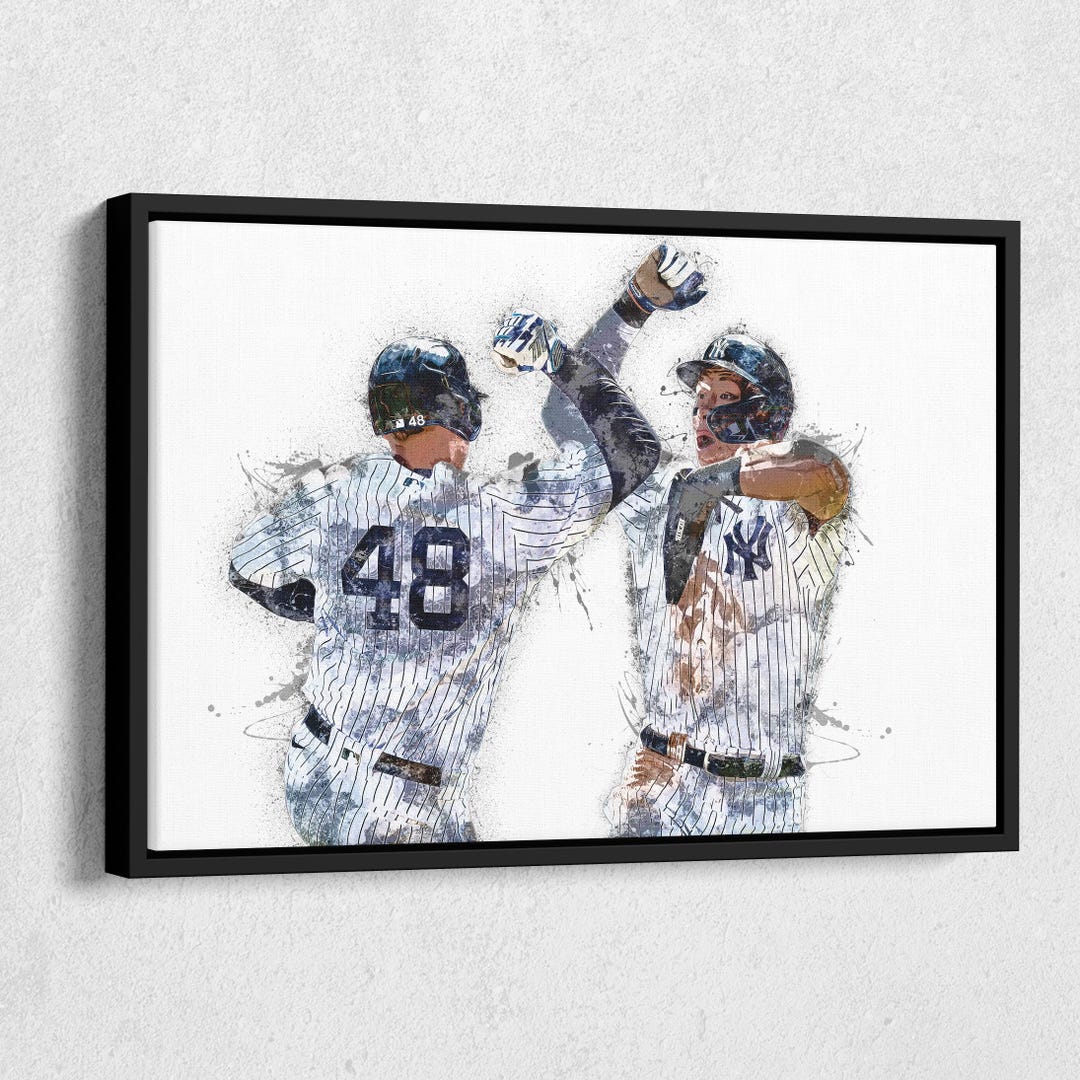
The enduring friendship between Aaron Judge and Anthony Rizzo has become a cornerstone of the modern New York Yankees’ clubhouse culture, bridging the gap between superstar talent and veteran leadership. This bond, forged through shared high-stakes professional experiences, mutual respect, and consistent clubhouse presence, has fundamentally influenced team morale and provided a stabilizing force during the demanding seasons in the Bronx.
The Foundations of a Major League Bond
In the high-pressure environment of Major League Baseball (MLB), where rosters are subject to constant turnover and the expectations in New York are uniquely burdensome, deep personal connections between players are often essential for maintaining a positive team atmosphere. When Anthony Rizzo was traded to the New York Yankees from the Chicago Cubs in July 2021, he arrived as a seasoned veteran with a World Series pedigree. Aaron Judge, already established as the team’s offensive engine and a burgeoning leader, found in Rizzo a peer who understood the specific nuances of playing at the highest level while managing the unrelenting spotlight of the New York media.
The friendship began in the intimate confines of the dugout and the clubhouse, moving quickly beyond the surface level of professional colleagues. Both players share a philosophy regarding accountability, work ethic, and the importance of shielding younger teammates from the external pressures that inevitably accompany a Yankees uniform. As Rizzo integrated himself into the team, he provided Judge with a sounding board—a fellow veteran who could share the burden of leadership, allowing the team captain to navigate the challenges of the long, 162-game season with a partner who was equally invested in the collective outcome.
The Role of Mutual Respect and Professional Alignment
At the heart of the relationship between Judge and Rizzo is a profound level of professional alignment. Both players possess a similar approach to the game: they prioritize consistency, emphasize the importance of situational hitting, and maintain a stoic demeanor even when facing prolonged slumps or intense scrutiny. Their friendship is built on these shared values, which function as an unspoken agreement on how to handle the responsibilities of being a marquee player.
For Judge, who assumed the role of team captain in 2022, the presence of someone like Rizzo in the locker room has been invaluable. A captaincy in the Bronx is a singular responsibility that carries with it the historical weight of the franchise. Having a close friend who can offer counsel, break the tension during difficult stretches, and support his leadership style creates a more cohesive environment. This dynamic translates onto the field, where their synergy in the batting order and their communication in defensive situations often serve as a template for the rest of the squad.
Influence on Clubhouse Culture and Team Morale
The impact of this friendship extends significantly beyond the two individuals. A professional sports team is a delicate ecosystem, and the chemistry between its leaders determines the overall tone of the clubhouse. When the two most visible players on a roster demonstrate a genuine, supportive, and lighthearted connection, it sets a standard for the younger players entering the organization.
The "Rizzo-Judge" dynamic is frequently cited by teammates as a source of stability. Whether it is through pre-game routines, collaborative analysis of opposing pitchers, or simply managing the stressors of travel and performance, their friendship fosters a sense of normalcy in an otherwise chaotic professional setting. By modeling how to deal with adversity—whether through injuries, cold streaks, or playoff exits—they provide a practical roadmap for the roster. This creates a culture of "we" over "me," where team goals are prioritized because the internal relationships are built on authentic, rather than superficial, foundations.
Comparative Dynamics in Yankees Leadership
To understand why this friendship stands out, it is helpful to look at how different leadership pairings function within the context of the New York Yankees. The following table highlights the characteristics that define the Judge-Rizzo dynamic compared to other traditional leadership structures.
| Feature | Judge-Rizzo Dynamic | Traditional Top-Down Leadership |
|---|---|---|
| Communication Style | Collaborative and peer-based | Authoritative and directive |
| Focus | Emotional support and shared accountability | Statistical output and performance metrics |
| Resilience | High; built on shared experience | Variable; dependent on immediate results |
| Integration | Encourages younger player inclusion | Often creates distance between tiers |
| Atmosphere | Relaxed but focused | High-stress and demanding |
This comparison illustrates that while many teams rely on a singular, authoritative captain, the Yankees have benefited from a dual-leadership model. This allows for redundancy in the leadership role, ensuring that if one player is struggling or unavailable, the standard of the clubhouse remains intact.
Navigating Challenges Together
A friendship in professional sports is rarely tested solely by success. The true measure of a bond between teammates occurs during periods of struggle, such as significant injuries or team-wide losing streaks. Both Judge and Rizzo have faced their share of physical setbacks throughout their careers. Their ability to support one another during rehabilitation processes—whether it was dealing with back issues, toe injuries, or other fatigue-related complications—has reinforced their personal connection.
By remaining visible and supportive of each other even when one is sidelined, they have minimized the potential for "siloing" within the clubhouse. There is a tangible difference in a team where the leaders remain present and engaged during their downtime versus those who withdraw. Their habit of maintaining communication and providing public support during each other's difficult recovery phases serves as a powerful example of organizational loyalty and personal character.
The Media and Fan Perspective
From the outside, the relationship between Aaron Judge and Anthony Rizzo is often romanticized, but it remains a staple of local sports coverage for good reason. Fans observe the body language, the high-fives after a home run, and the frequent interviews where they speak glowingly of one another. This narrative provides the fanbase with a sense of security; it suggests that the team is not merely a collection of high-priced assets, but a group of individuals who truly care about their teammates.
For the media, covering a team where the faces of the franchise enjoy a positive relationship simplifies the storytelling process but also increases the demand for insights into that bond. Both players have navigated this by being open enough to acknowledge the friendship without making it a distraction from their professional objectives. By treating their relationship as a natural extension of their jobs rather than a performance for the press, they have maintained a level of authenticity that resonates with the Bronx faithful.
Essential Components of a Sustaining Friendship in Baseball
Building and maintaining a professional friendship of this caliber requires specific, intentional behaviors that players often overlook in the rush to secure their personal stats. Based on the dynamics observed in the Yankees' clubhouse, these components are essential:
- Mutual Vulnerability: The ability to admit when a strategy isn't working or when the mental load of the season is weighing heavily.
- Professional Deference: Knowing when to lead and when to follow, allowing the other person the space to shine without ego interference.
- Shared Off-Field Interests: While baseball is the nexus, finding common ground in lifestyle, family values, or off-season habits strengthens the personal bond.
- Public Support: Consistently speaking well of one another in the media, which creates a positive feedback loop that reinforces the trust established in private.
FAQ: Understanding the Judge-Rizzo Connection
How did the friendship between Aaron Judge and Anthony Rizzo start? The friendship began immediately following Anthony Rizzo’s trade to the New York Yankees in 2021. The two bonded over their shared roles as veteran leaders and their mutual commitment to the team's success in the challenging New York market.
Does their friendship affect their on-field performance? While performance is ultimately a product of individual talent and preparation, the psychological safety provided by their friendship allows both players to remain more focused and composed under pressure. It creates a "low-stress" environment that fosters confidence during high-leverage situations.
What happens if one of them is traded or leaves in free agency? Friendships in professional sports often transcend team boundaries. While their day-to-day collaboration would change, the bond formed through the rigors of playing for the Yankees is deep. However, for the current 2026 team structure, their partnership remains a primary stabilizing force.
Is their relationship purely professional? No, it has evolved into a genuine personal friendship. Their families are often seen together, and they have spoken frequently about the respect they have for one another’s characters, not just their batting averages.
Why is this specific friendship important for the Yankees’ culture? The Yankees are an organization that demands perfection. Having two leaders who provide empathy and support to each other prevents the clubhouse from becoming too rigid, allowing the team to weather the inevitable storms of a 162-game schedule with more grace and patience.
Next Steps for Aspiring Leaders
For players at any level of sport looking to cultivate the kind of leadership and camaraderie demonstrated by Judge and Rizzo, the starting point is not about forcing friendships, but about prioritizing the needs of the collective over personal accolades. Begin by identifying a teammate who shares your commitment to the team's goals and start by engaging in transparent, constructive communication about your challenges.
Leadership is not a title; it is the result of consistent, positive interactions. To emulate the dynamic in the Bronx, focus on building trust through small, repeated actions—such as acknowledging a teammate's efforts after a difficult loss or helping a younger player navigate the complexities of team travel. By fostering an environment where your teammates feel comfortable and supported, you contribute to a culture that naturally breeds success, much like the one that has anchored the New York Yankees for years.