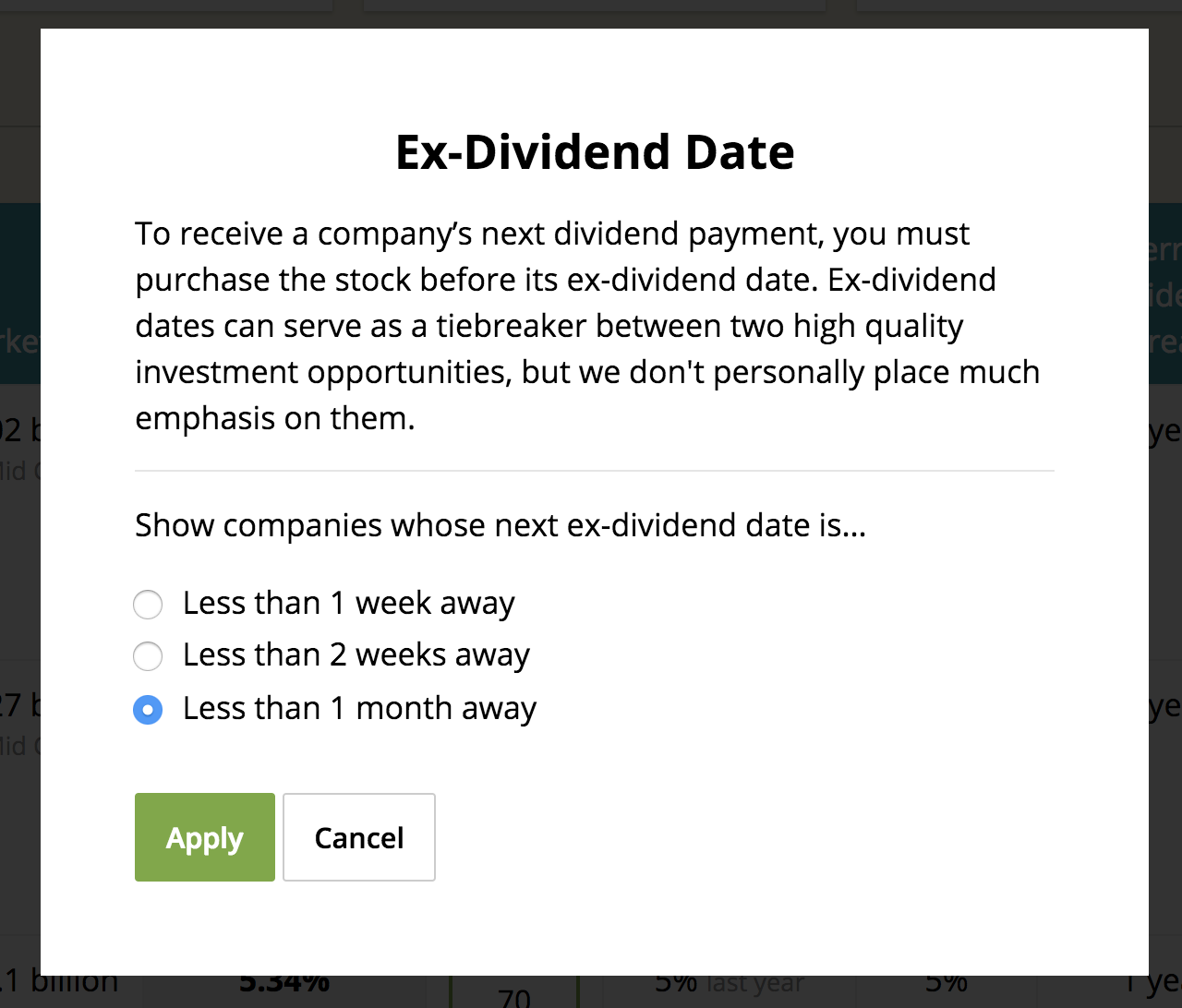
To receive an Apple Inc. (AAPL) dividend, you must purchase the stock at least one business day before the ex-dividend date. If you buy shares on or after this date, the upcoming dividend payment goes to the seller. Apple typically sets the ex-dividend date one business day prior to the record date.
Understanding the timing of Apple’s dividend distributions is a fundamental skill for income-oriented investors and total-return strategists alike. As one of the world’s most profitable companies, Apple Inc. (AAPL) maintains a consistent, quarterly dividend policy that returns billions of dollars to shareholders annually. However, the "ex-dividend" date is the most critical hurdle in the process, acting as the cutoff point that determines who gets paid and who does not.
The Mechanics of the Dividend Lifecycle
To grasp why the ex-dividend date matters, one must first understand the four distinct stages of a corporate dividend distribution. Apple, like most publicly traded companies in the United States, follows a standardized timeline regulated by the Securities and Exchange Commission (SEC) and exchange rules.
1. The Declaration Date
This is the day Apple’s Board of Directors officially announces the next dividend payment. During the announcement, usually coinciding with quarterly earnings reports, the company specifies the dividend amount per share, the ex-dividend date, the record date, and the payment date. For investors in 2026, these announcements typically occur in early February, May, August, and November.
2. The Ex-Dividend Date
The ex-dividend date is the day the stock begins trading without the value of the next dividend payment. In the current U.S. financial system, which moved to a T+1 (Trade plus one day) settlement cycle in May 2024, the ex-dividend date is usually set one business day before the record date. If you buy AAPL shares on the ex-dividend date, you are "too late" for the current cycle; the previous owner remains the "owner of record" for dividend purposes.
3. The Record Date
The record date is the deadline by which an investor must be officially registered on the company's books as a shareholder to receive the dividend. Because it takes one business day for a trade to "settle" (for the legal transfer of ownership to complete), you must execute your buy order at least one day before the ex-dividend date to be on the books by the record date.
4. The Payment Date
This is the day the cash actually hits your brokerage account. For Apple, the payment date usually follows about two weeks after the ex-dividend date. It is the culmination of the cycle where the company distributes the declared funds to eligible shareholders.
Why the Ex-Dividend Date Dictates Market Pricing
One of the most common questions regarding AAPL ex-dividend dates is why the stock price often appears to drop on that specific morning. This is not a coincidence or a sign of market weakness; it is a structural adjustment.
When a stock goes "ex-dividend," the exchange automatically reduces the share price by the amount of the dividend. For example, if AAPL closes at $200.00 the day before the ex-dividend date and the dividend is $0.25, the stock will technically open at $199.75 the next morning, all other market factors being equal.
This happens because the company is essentially "carrying" that cash until the ex-date. Once the date passes, that cash is legally earmarked for the shareholders of the previous day. The company is now worth slightly less because that cash is leaving its balance sheet. Professional traders and algorithms account for this "drop" instantly, ensuring there is no "free money" to be made simply by buying the stock the day before and selling it on the ex-date.
Apple’s Dividend Pattern and Consistency
Apple is renowned for its "capital return program," which combines dividends with massive share buybacks. Historically, Apple has shown a preference for raising its dividend annually, typically announcing the increase during its May declaration.
In 2026, Apple continues to follow a predictable quarterly rhythm. Investors can generally expect the ex-dividend dates to fall within the first or second week of February, May, August, and November. This predictability allows long-term investors to plan their cash flows and facilitates "dividend harvesting" strategies, though the latter requires careful consideration of tax implications and transaction costs.
Apple’s Typical Dividend Calendar Structure
| Event Period | Declaration Month | Typical Ex-Dividend Month | Payment Month |
|---|---|---|---|
| Q1 (Winter) | February | February | February |
| Q2 (Spring) | May | May | May |
| Q3 (Summer) | August | August | August |
| Q4 (Autumn) | November | November | November |
Note: Exact dates vary based on weekends and market holidays. Always verify specific dates via the Apple Investor Relations portal.
Strategic Timing: When to Buy and Sell AAPL
The ex-dividend date creates specific windows of opportunity and risk depending on your investment goals.
Buying for the Dividend
If your primary goal is to capture the upcoming dividend, you must complete your purchase no later than the business day before the ex-dividend date. If the ex-dividend date is Thursday, November 5th, you must buy the stock on Wednesday, November 4th, or earlier. Holding the stock through the "opening bell" on the ex-dividend date secures your right to the payment.
Selling and Still Getting Paid
A common misconception is that you must hold the stock until the payment date to receive the dividend. This is incorrect. Once the ex-dividend date arrives, you can sell your AAPL shares and still receive the dividend on the payment date. This is because you were the owner of record when the eligibility window closed.
The "Dividend Capture" Strategy
Some traders attempt to buy the stock just before the ex-date and sell it on the ex-date to "capture" the dividend. While this sounds lucrative, it is difficult to execute profitably. Because the stock price is adjusted downward by the dividend amount on the ex-date, the trader often breaks even or loses money once commissions and taxes are factored in. Furthermore, if the broader market is down that day, the stock could drop significantly more than the dividend amount.
Tax Implications and Holding Periods
The timing of your purchase and sale doesn't just determine if you get a dividend; it determines how much tax you pay on it. The U.S. Internal Revenue Service (IRS) distinguishes between "qualified" and "non-qualified" (ordinary) dividends.
To benefit from the lower qualified dividend tax rates (which are 0%, 15%, or 20% depending on income), you must meet the holding period requirement. For common stock like AAPL, you must hold the shares for more than 60 days during the 121-day period that begins 60 days before the ex-dividend date.
If you buy AAPL just to capture one dividend and sell it immediately, that dividend will likely be taxed at your ordinary income tax rate, which is generally much higher. This is a critical consideration for investors in 2026 looking to maximize their after-tax yield. For more detailed rules, investors should consult IRS Publication 550.
Dividend Reinvestment Plans (DRIP)
For long-term Apple investors, the ex-dividend date is the trigger for the Dividend Reinvestment Plan (DRIP). If you have DRIP enabled through your brokerage, the cash dividend you are entitled to on the payment date is automatically used to purchase more shares of AAPL—even fractional shares.
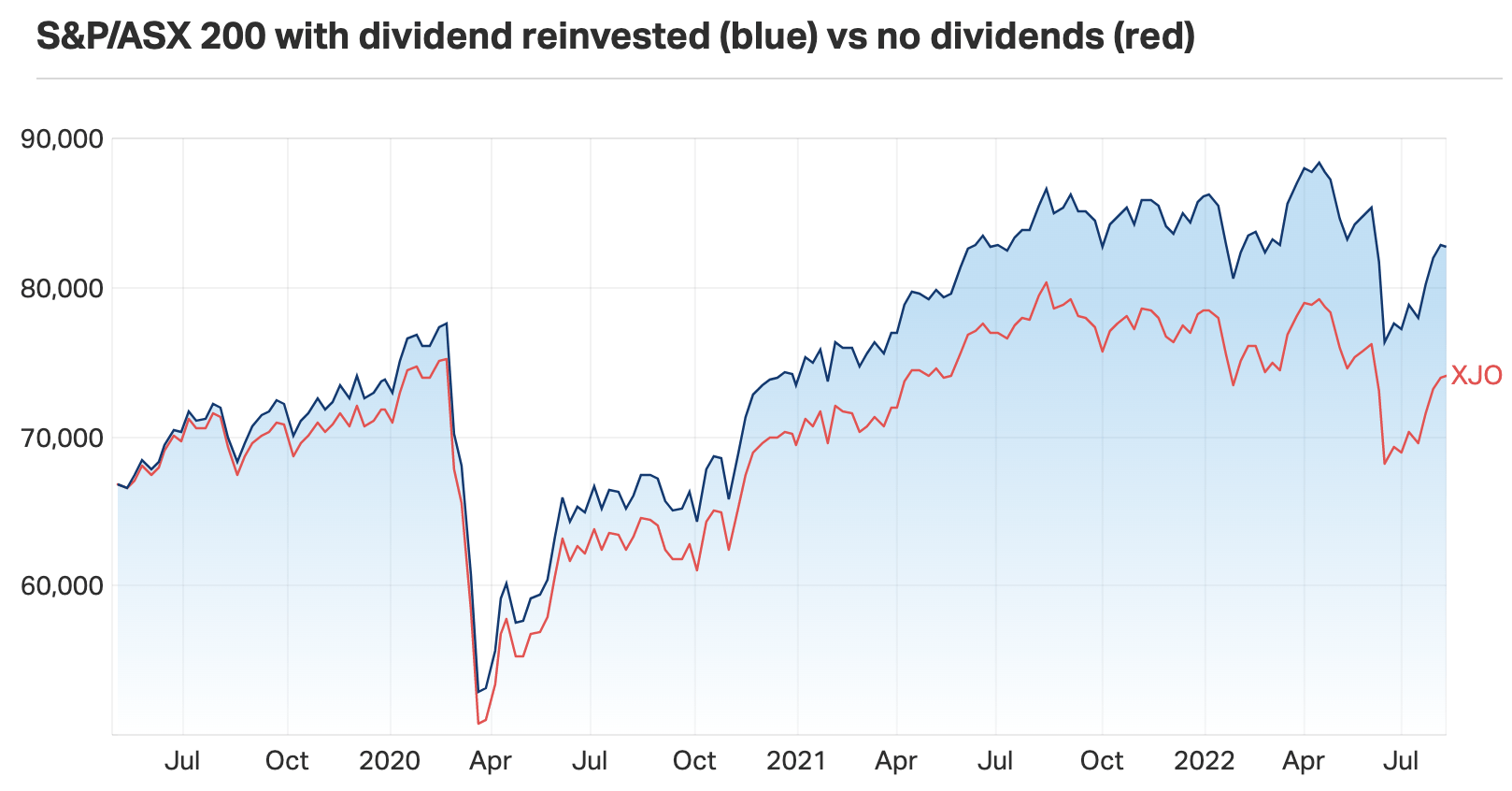
The advantage of this is compounding. By reinvesting dividends, you increase the number of shares you own, which in turn increases the amount of the next dividend you receive. Over a period of years, this can significantly outperform a strategy where dividends are taken as cash, especially with a company like Apple that has a history of share price appreciation alongside dividend growth.
Common Mistakes to Avoid
- Buying on the Ex-Date: This is the most frequent error. Investors see a "Dividend Coming Soon" notice and buy the stock on the day of the ex-dividend date, only to find they aren't eligible for the payout.
- Ignoring the T+1 Settlement: In 2026, the market operates on a one-day settlement. You must ensure your trade is executed and confirmed before the ex-date. Avoid waiting until the last minute if using a brokerage with slower execution speeds.
- Ignoring Market Volatility: Sometimes the "dividend drop" on the ex-date is masked by a broader market rally. Conversely, a bad earnings report can cause AAPL to drop far more than the dividend amount. Never base an investment solely on the dividend date without looking at the company's fundamental health.
- Miscalculating the "Net" Gain: Always calculate the dividend after-tax. A $100 dividend might only be $85 or $70 in your pocket after Uncle Sam takes his share.
Verifying AAPL Dividend Dates
While third-party financial websites provide dividend calendars, the most authoritative source for Apple’s financial data is the Apple Investor Relations website or the SEC EDGAR database. When Apple files its Form 10-Q (quarterly report) or 10-K (annual report), it legally binds the dates and amounts disclosed.
In 2026, many brokerages also provide automated alerts. You can set a notification for "AAPL Corporate Actions" to receive a push notification the moment the Board declares a dividend. This ensures you have several days or weeks to decide whether to increase your position before the ex-dividend cutoff.
Frequently Asked Questions
What happens if the ex-dividend date falls on a weekend?
The ex-dividend date is always a business day when the stock exchange (NASDAQ) is open. If a record date is a Monday, the ex-dividend date will typically be the preceding Friday. If the market is closed for a holiday, the date shifts to the next available trading day.
Can I receive the AAPL dividend if I hold options?
Generally, no. Standard call and put options do not grant the holder the right to dividends. Only owners of the underlying physical shares are entitled to dividends. However, the anticipated dividend is often "priced into" the option premium. Deep-in-the-money call holders sometimes exercise their options early (before the ex-date) specifically to capture the dividend.
Does Apple ever skip a dividend?
While Apple has the right to suspend or change its dividend at any time, it is highly unlikely given the company’s massive cash reserves and its status as a "Dividend Achiever" (a company that has increased its dividend for at least 10 consecutive years). Skipping a dividend would typically signal severe financial distress and would likely lead to a significant drop in share price.
How do I know if my AAPL dividend is qualified?
Whether a dividend is "qualified" depends mostly on your holding period. If you have held your AAPL shares for more than 60 days surrounding the ex-dividend date, your brokerage will typically report it as a qualified dividend on your Form 1099-DIV at the end of the year.
Is the ex-dividend date the same for all tech stocks?
No. Every company sets its own dividend schedule. While many tech companies like Microsoft (MSFT) or Nvidia (NVDA) pay quarterly, their specific declaration and ex-dividend dates will differ from Apple's. You must check each ticker symbol individually.
Summary Recommendation for Investors
To successfully navigate AAPL ex-dividend dates in 2026, maintain a "buy and hold" mindset rather than trying to time the market for a single payout. If you are looking to enter a position, buying a few days before the ex-dividend date ensures you receive the upcoming payment, but be prepared for the technical price drop on the ex-date itself. For the best tax treatment, ensure you hold the stock for at least two months. Always use official sources to confirm dates, and consider enabling DRIP to maximize the power of long-term compounding in your portfolio.