The South Tower of the World Trade Center, also known as 2 World Trade Center (WTC 2), was a 110-story skyscraper in Lower Manhattan that was destroyed during the terrorist attacks of September 11, 2001. Although it was the second building struck by a hijacked aircraft, it was the first to collapse, falling at 9:59 AM after burning for approximately 56 minutes.
Structural Design and Architecture of the South Tower
To understand the events of September 11, one must first understand the revolutionary engineering that defined the South Tower. Completed in 1973, the South Tower stood at 1,362 feet (415 meters), making it slightly shorter than its northern counterpart but identical in its "tube-frame" structural design.
The Tube-Frame Concept
The World Trade Center towers were designed by architect Minoru Yamasaki and structural engineers Leslie Robertson and John Skilling. Unlike traditional skyscrapers that relied on a dense grid of interior columns to support the weight, the South Tower utilized a "tube" design. This design shifted the structural load-bearing capacity to the perimeter walls and the central core.
The perimeter consisted of 59 closely spaced steel columns on each face, spaced only 40 inches apart. These columns were interconnected by massive "spandrel plates" at every floor level, creating a rigid steel lattice. The central core was a rectangular area containing 47 heavy steel columns that housed the elevators, stairwells, and utility shafts. This design allowed for vast, column-free office spaces, which was a significant commercial selling point at the time.
Vertical Logistics and the Sky Lobby
The South Tower featured a sophisticated elevator system designed to maximize floor space. It used "Sky Lobbies" on the 44th and 78th floors. Express elevators would transport people directly to these lobbies, where they would then transfer to local elevators to reach their specific floors. On the morning of September 11, the 78th-floor Sky Lobby became a focal point of both tragedy and miraculous survival.
The Sequence of Events: September 11, 2001
The timeline of the South Tower on 9/11 is distinct from the North Tower due to the speed of the impact and the trajectory of the aircraft.
The Impact of United Airlines Flight 175
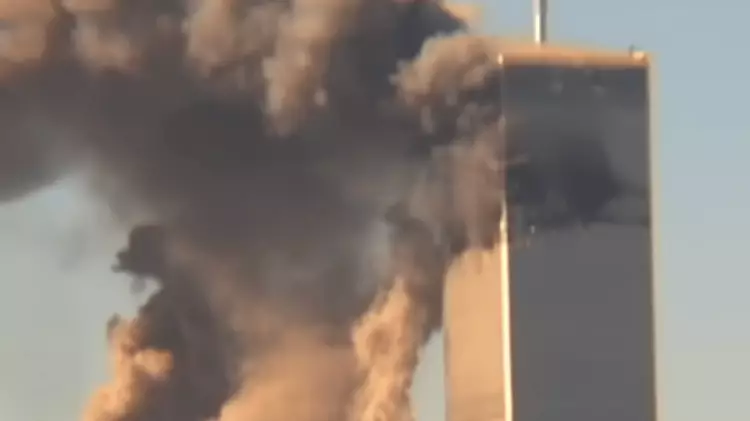
At 9:03:02 AM, United Airlines Flight 175, a Boeing 767-222, struck the south face of the South Tower. The aircraft was traveling at approximately 590 mph (950 km/h)—significantly faster than American Airlines Flight 11, which had struck the North Tower 17 minutes earlier.
The impact was centered between floors 77 and 85. Unlike the North Tower impact, which was relatively centered, Flight 175 struck the South Tower at an offset angle and a banking turn. This meant that the aircraft sliced through the corner of the building and heavily damaged the eastern and southern portions of the core.
The Survival of Stairwell A
One of the most critical differences between the two towers was the state of the stairwells. In the North Tower, all three stairwells were severed instantly. In the South Tower, because the plane hit at an angle, one stairwell—Stairwell A—remained partially passable, though filled with smoke and debris. This allowed a small number of people (approximately 18) located above the impact zone to descend to safety, a feat that was impossible for anyone trapped above the impact in the North Tower.
Engineering Analysis: Why the South Tower Collapsed First
A primary question for historians and engineers is why the South Tower collapsed in 56 minutes, while the North Tower stood for 102 minutes, despite being hit first. As we look back from the perspective of 2026, the findings from the National Institute of Standards and Technology (NIST) remain the definitive explanation for this structural failure.
Structural Load Redistribution
When Flight 175 struck, it instantly severed about 30 of the 59 perimeter columns on the south face and damaged several core columns. The "hat truss"—a massive steel bracing system at the top of the building—attempted to redistribute the load from the damaged columns to the remaining intact columns. However, the sheer speed of the impact (590 mph) caused significantly more kinetic energy damage than the impact in the North Tower.
The Role of Jet Fuel and Thermal Weakening
Contrary to early "controlled demolition" myths, the NIST report clarified that the steel did not need to melt for the building to fail; it only needed to lose approximately 50% of its structural integrity, which occurs at around 1,100°F (600°C).
The aircraft carried roughly 9,100 gallons of fuel at the moment of impact. While much of this fuel burned off in the initial fireball, it ignited office contents (carpeting, paper, furniture) across multiple floors. The fireproofing on the steel trusses had been stripped away by the force of the initial debris and "shrapnel" from the plane.
The "Bowing" Phenomenon
As the floor trusses heated up, they began to sag. Because the trusses were connected to the perimeter columns, this sagging created an inward pull. In the South Tower, this inward "bowing" was observed on the eastern face shortly before collapse. The combination of the tilted load from the angled impact and the weakening of the eastern perimeter columns reached a breaking point.
The Initiation of Collapse
At 9:59 AM, the top section of the building (floors 86 to 110) began to tilt toward the south and east. Once the support columns in the impact zone failed, the upper block of the building fell as a single unit onto the floor below. This initiated a progressive collapse; the dynamic load of the falling upper floors was far greater than what the static floors below were designed to support, leading to a total collapse in approximately 10 seconds.
Comparison of the North and South Towers
The following table summarizes the key technical and historical differences between the two towers on September 11.
| Feature | North Tower (1 WTC) | South Tower (2 WTC) |
|---|---|---|
| Height | 1,368 feet | 1,362 feet |
| Impact Time | 8:46 AM | 9:03 AM |
| Aircraft | AA Flight 11 (Boeing 767) | UA Flight 175 (Boeing 767) |
| Impact Velocity | Approx. 430 mph | Approx. 590 mph |
| Impact Floors | 93–99 | 77–85 |
| Stairwells Open | None (above impact) | One (Stairwell A) |
| Collapse Time | 10:28 AM | 9:59 AM |
| Duration of Fire | 102 minutes | 56 minutes |
Evacuation Challenges and the "Sky Lobby" Tragedy
The evacuation of the South Tower was marked by confusion and conflicting information. Immediately after the North Tower was hit at 8:46 AM, many people in the South Tower instinctively began to evacuate. However, an announcement was made over the building's public address system stating that the building was "secure" and that people could return to their offices.
The 78th Floor Sky Lobby
This announcement led many people who had already descended to the 78th-floor Sky Lobby to wait for elevators to go back up or to stay in the lobby. When Flight 175 struck at 9:03 AM, it hit the 78th floor directly. The Sky Lobby, which was crowded with hundreds of people, became a scene of immense devastation.
Survivor Stories: Stanley Praimnath and Brian Clark
The story of the South Tower is often personified by the survival of Stanley Praimnath and Brian Clark. Praimnath was in his office on the 81st floor when he saw the plane heading directly toward him. He dived under his desk as the wing of the plane wedged into his office. Brian Clark, an executive working for Euro Brokers on the 84th floor, heard Praimnath’s cries for help while descending Stairwell A. Clark helped Praimnath out of the debris, and the two descended the stairwell together, becoming two of only a handful of people to survive from at or above the impact zone.
Modern Lessons in High-Rise Safety
The collapse of the South Tower led to the most significant changes in building codes and fire safety regulations in a century. These changes are reflected in skyscrapers built between 2001 and 2026.
- Enhanced Fireproofing: Modern codes now require "extra-wide" stairwells and high-bond-strength fireproofing that cannot be easily stripped by an impact or explosion.
- Structural Redundancy: Engineering now focuses on "disproportionate collapse" prevention, ensuring that the failure of one or two columns does not lead to the total failure of the entire structure.
- Luminous Egress Markings: Glow-in-the-dark markings in stairwells, which were crucial for those descending the South Tower in the dark, are now mandatory in almost all high-rise jurisdictions.
- First Responder Radio Coverage: The failure of radio communications inside the steel-reinforced towers led to the requirement for Bi-Directional Amplifiers (BDAs) to ensure fire and police radios work on every floor.
The South Tower Footprint and Memorial (2026 Status)
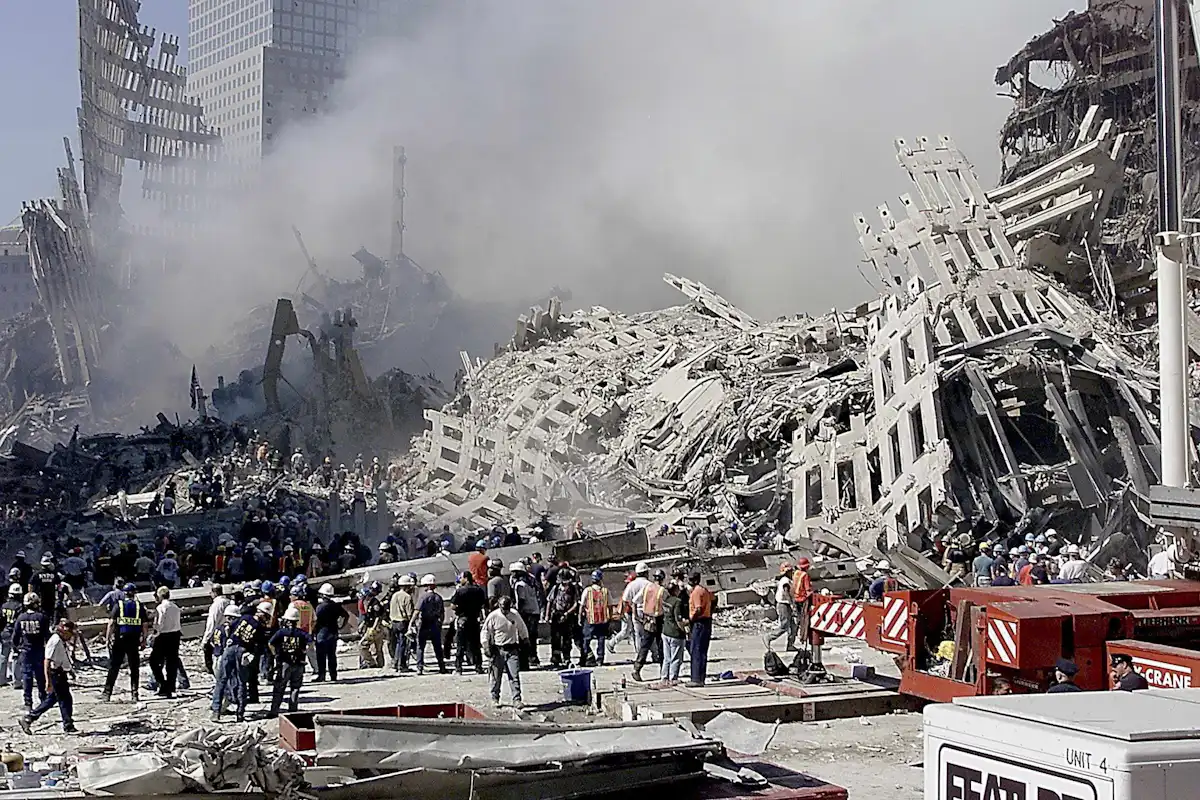
As of 2026, the site where the South Tower once stood is a place of solemn remembrance. The "South Pool" of the National September 11 Memorial & Museum sits exactly within the footprint of the original building.
The South Pool
The pool features 30-foot waterfalls cascading into a center void. The names of the victims from the South Tower, United Flight 175, and the 1993 World Trade Center bombing are bronze-etched into the parapets surrounding the pool. In 2026, the 25th anniversary of the attacks serves as a reminder of the enduring impact of the tower's loss on the New York City skyline and the global consciousness.
The Future of 2 World Trade Center
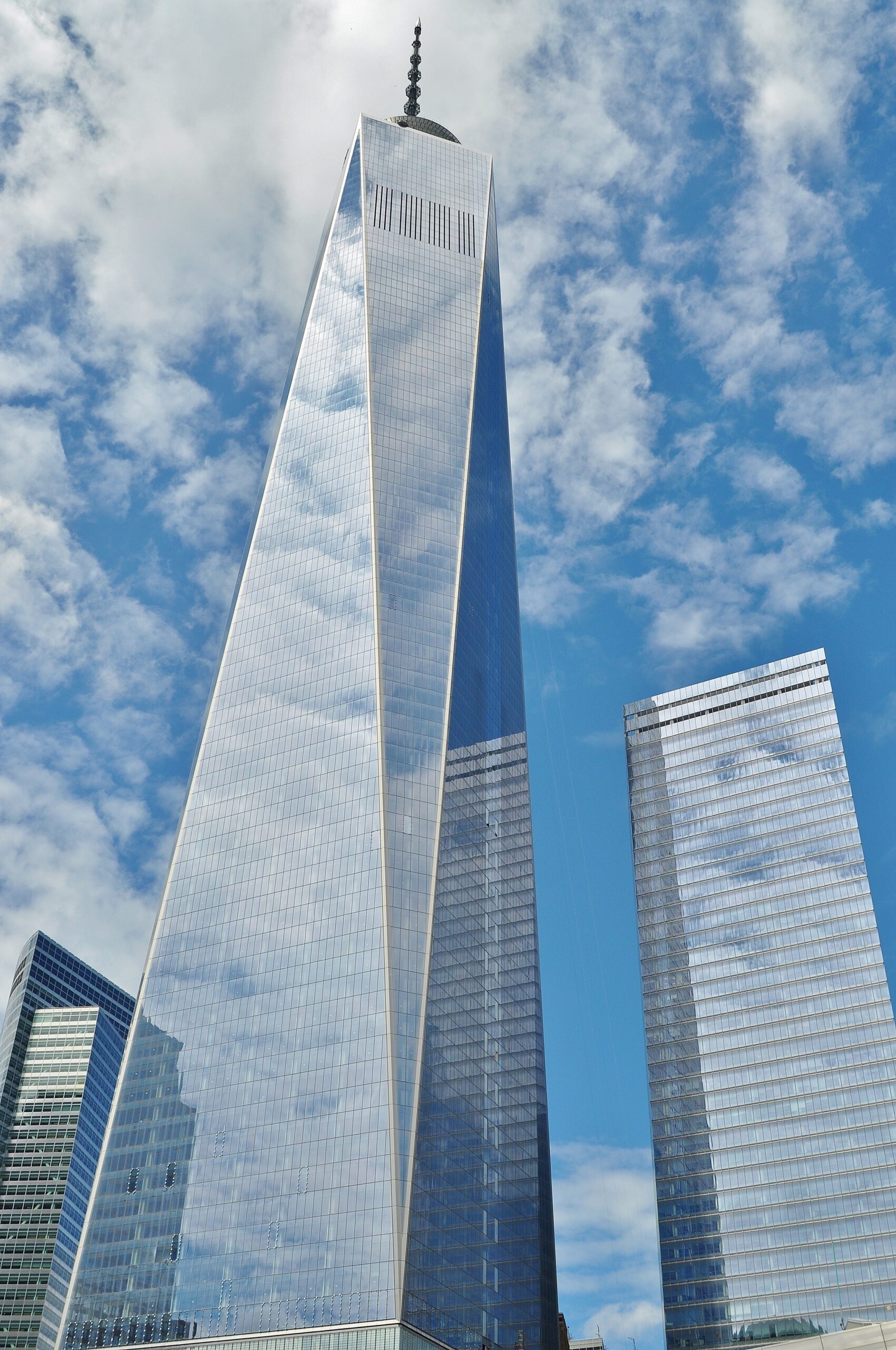
The replacement for the South Tower, known as 2 World Trade Center, has seen various designs by architects such as Norman Foster and Bjarke Ingels. As of 2026, the project remains a significant piece of the "New World Trade Center" complex, intended to eventually complete the spiral of towers surrounding the memorial.
Frequently Asked Questions
Why did the South Tower fall before the North Tower?
The South Tower fell first primarily because the aircraft (UA 175) was traveling much faster (590 mph vs 430 mph), which caused more immediate structural damage. Additionally, the South Tower was hit lower down than the North Tower, meaning the weakened floors had to support a much larger "block" of building weight above the impact zone.
How many people survived from the South Tower?
While approximately 2,977 people died in total on 9/11, roughly 600 to 900 people were killed in the South Tower. Because the North Tower was hit first, many in the South Tower began evacuating early, which significantly reduced the potential death toll. It is estimated that nearly 95% of those below the impact zone in the South Tower successfully evacuated.
Could the South Tower have been saved if the fires were extinguished?
Engineering consensus suggests that extinguishing the fires was impossible given that the impact had severed the water standpipes for the sprinkler systems. Furthermore, the structural damage to the core columns was so severe that even without the fire, the building's factor of safety was dangerously compromised.
Was anyone rescued from the roof of the South Tower?
No. Unlike the North Tower, where many people headed toward the roof hoping for a helicopter rescue, the South Tower's roof access was locked, and the heavy smoke and heat made helicopter landings impossible and unsafe, as per the NYPD aviation unit's reports.
Final Recommendation
For those seeking to honor the history of the South Tower or understand the technical aspects of its collapse, visiting the 9/11 Memorial & Museum in New York City provides the most comprehensive experience. Researchers should consult the NIST NCSTAR 1 reports for the full technical breakdown of the structural failure. Understanding the South Tower is not just a study of a building's end, but a study of the resilience of the people who worked there and the lessons that now keep millions of people safer in modern high-rises today.