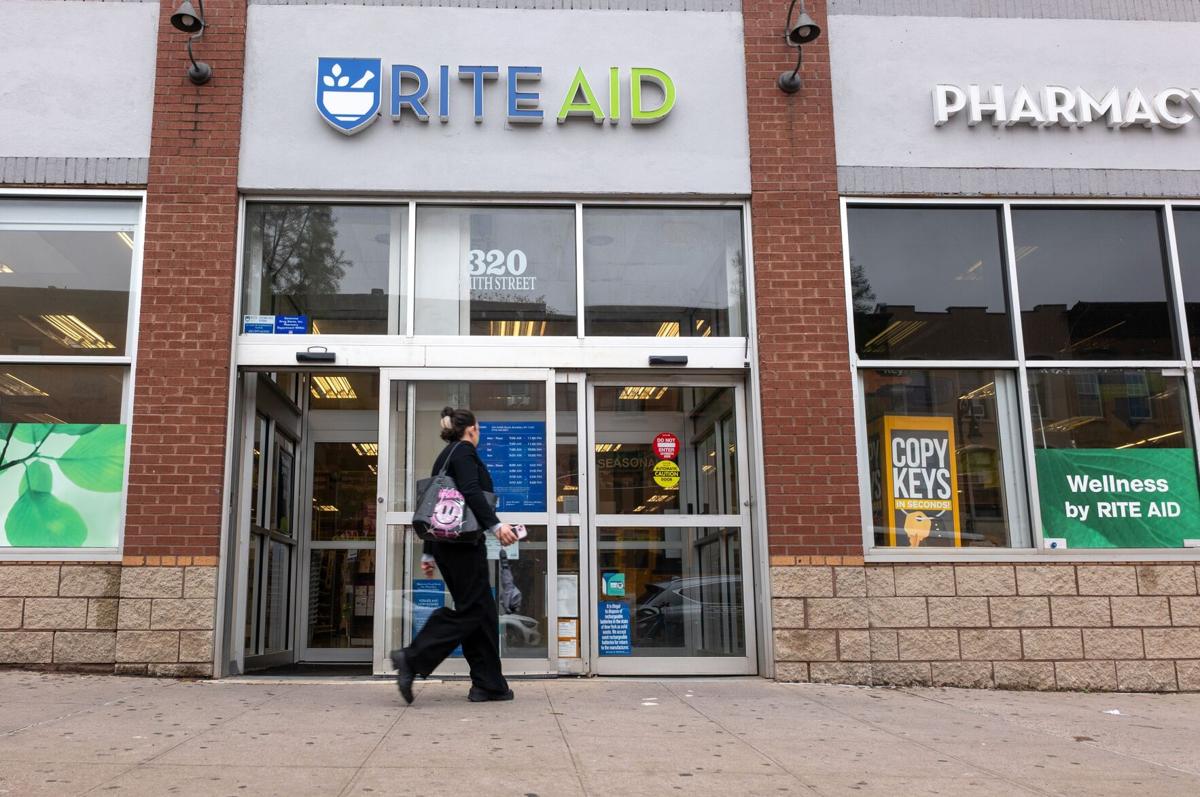
In 2025, Rite Aid executed the final phases of its court-approved restructuring, resulting in the closure of approximately 89 additional stores across several key markets. These closures were part of a broader strategy to exit Chapter 11 bankruptcy, reduce operational debt, and optimize the company's retail footprint for long-term viability in 2026.
The retail pharmacy landscape underwent a significant transformation throughout 2025. For Rite Aid, a company that has been a staple in American communities for decades, the decision to shutter 89 locations was not an isolated event but the culmination of years of financial restructuring. As we look back from 2026, the impact of these closures on patient care, local economies, and the competitive market provides a clear picture of the challenges facing traditional "brick-and-mortar" pharmacies. This guide details the specific circumstances surrounding the 2025 closures, what happened to patient records, and how the pharmacy industry has adapted.
The Context of the 2025 Restructuring
The 89 store closures in 2025 represented a strategic "right-sizing" of Rite Aid’s operations. To understand why these specific locations were targeted, it is necessary to look at the legal and financial framework established during the company's Chapter 11 bankruptcy filing in late 2023.
Rite Aid filed for bankruptcy protection primarily due to three factors: staggering debt levels, underperforming retail locations, and massive legal liabilities stemming from opioid-related litigation. By the time 2025 arrived, the company had already closed hundreds of stores. The "89 stores" identified in early 2025 court filings were largely locations where the company could not successfully renegotiate leases or where the proximity to other Rite Aid locations made the site redundant.
The Role of Lease Rejection
In a Chapter 11 bankruptcy, a company has the right to "reject" unexpired leases. This allows them to walk away from high-rent or underperforming locations without the usual long-term financial penalties. The 89 stores closed in 2025 were specifically selected because their operational costs outweighed their projected revenue in a post-bankruptcy environment. By shedding these leases, Rite Aid aimed to emerge as a leaner, more agile private company.
Geographical Distribution of Closures
The closures were not distributed evenly across the United States. Instead, they were concentrated in regions where Rite Aid had its densest presence—and where competition from giants like CVS and Walgreens was most fierce.
- Ohio and Michigan: These states saw a significant portion of the 89 closures. In many mid-sized towns, Rite Aid had been the primary pharmacy provider, making these closures particularly impactful for local residents.
- Pennsylvania and New York: As the traditional heartland of the Rite Aid brand, these states experienced strategic closures in urban centers where multiple stores were located within a few miles of each other.
- California: High operating costs and retail theft concerns contributed to the shuttering of several high-traffic locations on the West Coast.
The selection process was data-driven. Rite Aid's management and its creditors analyzed prescription volume, front-end retail sales, and the demographic shifts of the surrounding neighborhoods before finalizing the list of 89 locations.
Impact on Pharmacy Patients and Prescription Transfers
For the thousands of patients who relied on these 89 stores, the primary concern was the continuity of care. When a pharmacy closes, the legal and ethical responsibility to transfer prescriptions is paramount.
Automatic Transfers to Competitors
In many instances, Rite Aid reached agreements with competitors like Walgreens or CVS to purchase their prescription files. This meant that a patient who previously picked up medication at a closing Rite Aid would find their records automatically moved to a nearby Walgreens. While this ensured that medication was still available, it often caused confusion regarding insurance coverage and preferred pharmacy networks.
Patient Notification Requirements
State Boards of Pharmacy have strict regulations regarding store closures. Rite Aid was required to notify patients via mail and in-store signage at least 14 to 30 days before a location shut its doors. These notices informed patients where their records were being moved and how they could request a transfer to a different pharmacy of their choice.
Maintaining Insurance Continuity
A major hurdle during the 2025 closures was ensuring that "preferred" pharmacy status remained intact. Some insurance plans, particularly Medicare Part D plans, offer lower co-pays at specific pharmacy chains. Patients forced to move from Rite Aid to a non-preferred competitor often saw a temporary spike in out-of-pocket costs until they could navigate a transfer to an in-network provider.
The "Pharmacy Desert" Phenomenon
One of the most critical issues arising from the 2025 closures was the expansion of "pharmacy deserts." A pharmacy desert is defined as a geographic area where residents have limited access to a pharmacy, often defined as being more than one mile away in urban areas or five miles in rural areas.
In several communities in Michigan and Ohio, the Rite Aid scheduled for closure was the only pharmacy within walking distance for elderly or low-income residents. The loss of these 89 stores exacerbated health disparities, as patients without reliable transportation struggled to pick up life-sustaining medications. This has led to an increased reliance on mail-order pharmacy services in 2026, though many patients still prefer the face-to-face consultation provided by a local pharmacist.
Financial and Labor Implications
The closure of 89 stores also meant the loss of thousands of jobs, including pharmacists, pharmacy technicians, and retail associates.
- Employee Relocation: Where possible, Rite Aid attempted to relocate staff to remaining "core" stores. However, given the density of the closures in certain regions, many employees were forced to seek employment with competitors or leave the retail pharmacy sector entirely.
- Liquidation Sales: Before the final locks were turned, these stores held significant liquidation sales. Inventory from the front-end of the store—ranging from cosmetics to seasonal decor—was sold off at deep discounts to recoup as much cash as possible for the bankruptcy estate.
- Real Estate Vacancies: In 2026, many of the buildings that formerly housed these 89 Rite Aids remain vacant. The specific footprint of a Rite Aid (often a standalone building with a drive-thru) can be difficult to repurpose, leading to long-term "dark stores" in suburban shopping centers.
Summary of 2025 Store Closure Impact by State
The following table outlines the estimated distribution of the 89 closures and the primary recipient of the transferred prescription files.
| State | Estimated Stores Closed (of 89) | Primary Transfer Recipient | Impact Level |
|---|---|---|---|
| Ohio | 22 | Walgreens / CVS | High |
| Michigan | 18 | Walgreens | High |
| Pennsylvania | 15 | Local Independent Pharmacies | Moderate |
| New York | 12 | CVS | Moderate |
| California | 10 | Walgreens | Moderate |
| New Jersey | 7 | CVS | Low |
| Other States | 5 | Various | Low |
Note: Data is based on 2025 court filings and regional news reports during the restructuring period.
Managing Your Health Records in 2026
If you were a customer at one of the 89 stores that closed in 2025 and have not filled a prescription recently, you may need to track down your medical records.
- Contact the "Store of Record": Most closing notices identified a nearby Rite Aid that would serve as the "hub" for records. Even if that store is not convenient, they will have your electronic file.
- Use the Rite Aid Digital Portal: Rite Aid’s centralized database remains active for remaining stores. You can log into your account online to see your history and request a digital transfer to any active pharmacy in the U.S.
- Verify Insurance Authorizations: Prior authorizations for expensive medications do not always transfer seamlessly between chains. If your store closed in 2025, you should confirm with your doctor that new authorizations are on file with your current pharmacy.
The Competitive Landscape in 2026
The closure of these 89 stores marked a turning point in the "Pharmacy Wars." CVS and Walgreens have largely absorbed the market share left behind, but they too are facing similar pressures. The rise of Amazon Pharmacy and Mark Cuban’s Cost Plus Drug Company has changed consumer expectations regarding pricing and delivery.
Rite Aid, now a smaller and private entity, has pivoted its focus toward "Pharmacy Benefit Management" (through its Elixir subsidiary, though that was also part of the restructuring sales) and high-performing retail locations in the Northeast. The 2025 closures were a painful but necessary step in ensuring that the brand survived at all.
Frequently Asked Questions
Why did Rite Aid specifically close 89 stores in 2025?
The 89 stores were identified during the final stages of bankruptcy as "non-core" assets. These were locations where the leases were too expensive, the stores were underperforming financially, or they were located too close to other Rite Aid locations that the company chose to keep open.
What happened to my prescriptions when my local Rite Aid closed?
By law, your prescriptions must be transferred to another licensed pharmacy. Rite Aid typically sold these files to a nearby competitor (like Walgreens). Patients were notified by mail, but if you missed the notice, you can contact any open Rite Aid or the pharmacy that took over the location's files to retrieve your records.
Can I still use my Rite Aid Rewards points if my store closed?
Yes, as long as the Rite Aid brand continues to operate other locations or an online storefront. Your rewards are tied to your phone number or account ID and can be used at any remaining Rite Aid location in 2026.
How do I find out if a specific Rite Aid was among the 89 closed?
You can check the official Rite Aid store locator on their website. If a store is no longer listed, it has been closed. Additionally, the Kroll Restructuring Administration website maintains the historical court filings that list every store closure by address from the 2023-2025 period.
Will more Rite Aid stores close after 2025?
While the 89 stores in 2025 represented the final major wave of the bankruptcy restructuring, all retail businesses continually evaluate their footprint. In 2026, Rite Aid operates as a private company, meaning it may close individual underperforming stores as leases expire, but the mass closures associated with the bankruptcy have concluded.
Final Recommendations for Impacted Customers
If you were affected by the 2025 Rite Aid closures, your priority in 2026 should be verifying the accuracy of your medication list at your new provider. Data migrations between different pharmacy software systems can sometimes lead to errors in dosages or refill counts.
- Review your "Medication History": Ask your current pharmacist for a printout of your profile to ensure all chronic medications were transferred correctly.
- Update your Doctor: Ensure your physician's office has updated their records so that new electronic prescriptions (e-scripts) are sent to your current pharmacy and not the "ghost" Rite Aid location.
- Explore Local Options: In the wake of large chain closures, many patients have found better personalized care at independent pharmacies which often offer delivery services that match or exceed those of the major chains.
For more information on pharmacy regulations and patient rights, you can visit the National Association of Boards of Pharmacy (NABP) or consult the U.S. Department of Health & Human Services regarding health information privacy and record access.