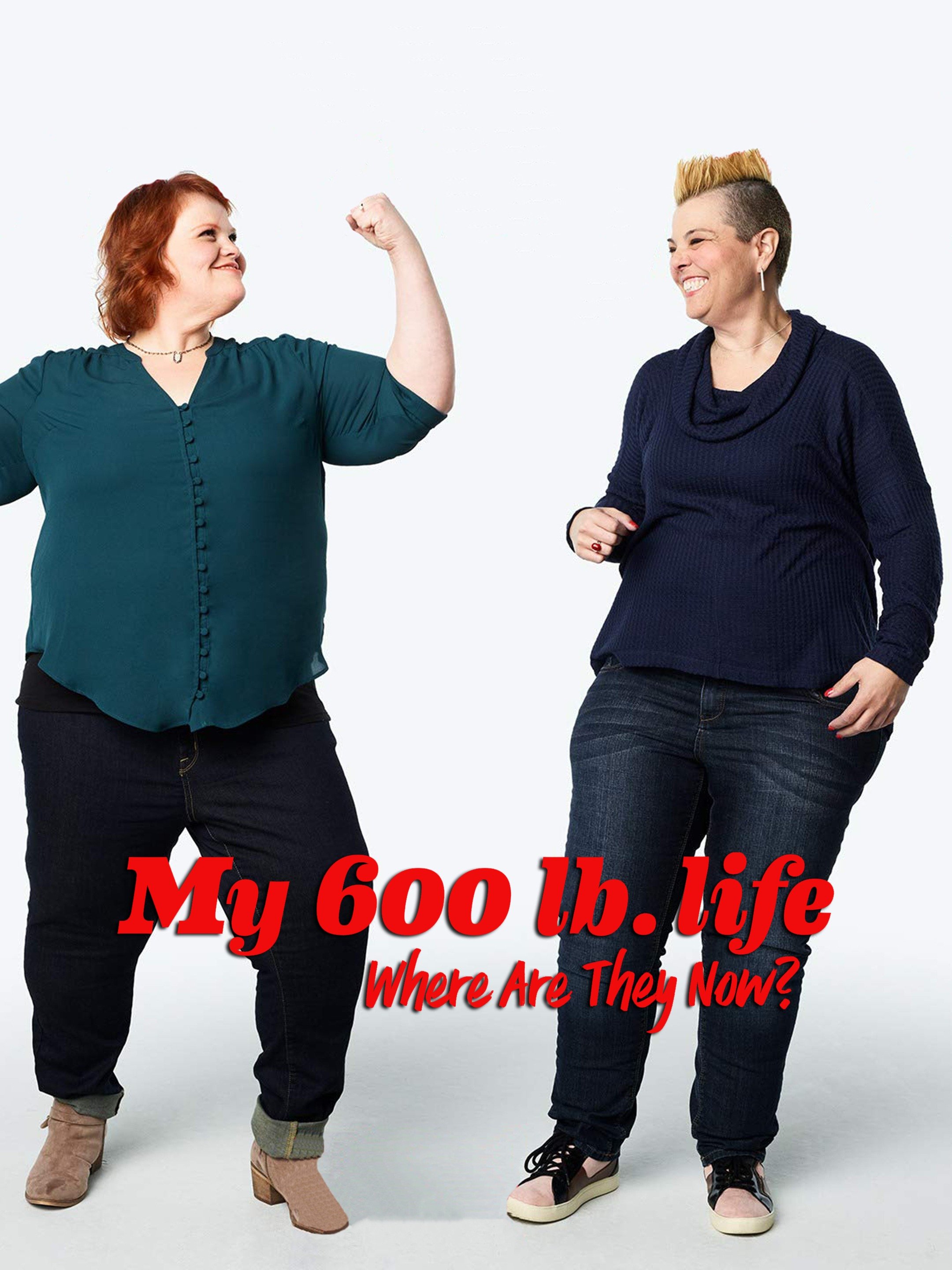
Dottie Perkins, who appeared on Season 4 of TLC's hit reality series My 600-lb Life, has successfully maintained significant weight loss after dropping over 300 pounds from her peak weight of 641 pounds. Today, she resides in Mississippi, lives a relatively private life away from reality television cameras, and focuses on raising her family following years of personal tragedy and legal battles with the show's production company.
Background: Dottie Perkins’ Journey on My 600-lb Life
When viewers first met Dottie Perkins (then known on the show as Dottie Potts) during Season 4 of My 600-lb Life in 2016, her story stood out as one of the most emotionally complex narratives in the series’ history. Living in Monroe, Louisiana, Dottie weighed approximately 641 pounds at the start of her filmed journey. Like many individuals featured on the show, her relationship with food developed early in childhood as a coping mechanism for emotional distress and trauma.
Dottie’s daily life before entering treatment was severe in its physical limitations. Carrying over 600 pounds placed immense strain on her joints, cardiovascular system, and overall mobility. Simple daily tasks—such as bathing, preparing meals, or walking short distances—required extraordinary physical effort or assistance from family members.
Her primary motivation for seeking medical help from Houston-based bariatric surgeon Dr. Younan Nowzaradan ("Dr. Now") was her family, specifically her children. Dottie was the primary caregiver for her young son, Daniel, who lived with severe cerebral palsy and required constant medical care, alongside her younger son, Landon. The physical burden of her weight rendered her increasingly unable to provide the hands-on care her children needed, prompting her to contact Dr. Now’s clinic at First Surgical Hospital in Houston, Texas.
The Weight Loss Journey Under Dr. Now’s Care
Entering Dr. Nowzaradan’s renowned weight loss program required Dottie to undergo radical lifestyle changes. Dr. Now’s standard protocol for patients with severe obesity involves a strict, medically supervised 1,200-calorie daily diet that is high in protein and low in carbohydrates, completely eliminating simple sugars, processed foods, and carbonated beverages.
| Component | Protocol Details |
|---|---|
| 1. Caloric Restriction | Strict 1,200 kcal/day high-protein regimen |
| 2. Behavioral Therapy | Psychological counseling for food addiction |
| 3. Target Weight Loss | Typically 30–50 lbs loss prior to surgery |
| 4. Surgical Clearance | Medical, cardiac, and pulmonary evaluations |
Dottie's progress was far from linear. In the initial months of the program, she struggled with compliance, frequently battling emotional eating triggers triggered by stress and habit. Bariatric surgery is not a standalone fix; patients must demonstrate the ability to alter their behavioral patterns and lose a targeted amount of weight independently before surgeons will safely operate.
Despite early setbacks and repeated confrontations during office weigh-ins, Dottie gradually adapted to the nutritional guidelines. After demonstrating consistent weight loss and commitment to the program, Dr. Now approved her for bariatric surgery. She underwent a successful sleeve gastrectomy—a surgical procedure that reduces the stomach's capacity by approximately 80%, limiting food intake and altering hunger-regulating hormones like ghrelin.
By the conclusion of her initial episode and subsequent follow-up appearances on the spin-off series My 600-lb Life: Where Are They Now?, Dottie had shed more than 300 pounds, bringing her weight down into the high 200s (around 290–300 pounds). This transformation dramatically improved her mobility, metabolic health, and independence.
Overcoming Personal Tragedy: The Loss of Her Son Daniel
Dottie’s weight loss journey was disrupted by profound personal tragedy. While in Houston pursuing her medical treatment, her 13-year-old son, Daniel, was hospitalized due to complications from cerebral palsy. Tragically, Daniel passed away during the period when Dottie was actively participating in the weight loss program.
The loss of a child is one of the most severe emotional shocks a person can experience. For individuals recovering from food addiction, intense grief poses an extraordinary risk of relapse. In many cases on My 600-lb Life, major emotional shocks lead patients to abandon their diets and regain lost weight.
Dottie faced extreme emotional trauma, feeling immense guilt for being away in Texas for her medical treatment during parts of Daniel's final months. However, despite intense emotional pain and moments of intense distress, she eventually recommitted to her physical recovery. She utilized psychological counseling to process her grief rather than returning entirely to severe emotional overeating, using the memory of her son and the needs of her surviving child, Landon, as motivation to continue her weight loss journey.
The 2020 Lawsuit Against Megalomedia
In March 2020, Dottie Perkins made national headlines outside of the entertainment scope when she became one of several former cast members to file a formal lawsuit against Megalomedia, the Texas-based production company behind My 600-lb Life.
Dottie's lawsuit, filed in Harris County District Court in Texas, leveled several serious allegations against the production entity:
- Failure to Cover Medical Expenses: The lawsuit alleged that producers promised to cover all medical and surgical expenses associated with the treatment depicted on the show, but failed to pay legitimate medical bills, leaving cast members burdened with debt and collections agencies.
- Intentional Infliction of Emotional Distress: The suit claimed that production staff deliberately staged dramatic scenes, manipulated conflicts, and forced cast members into emotionally taxing situations to boost television ratings, regardless of the psychological impact on vulnerable patients.
- Misrepresentation and Staged Narrative: Dottie alleged that producers presented distorted representations of her eating habits and personal behavior, including fabricating scenes to make her appear uncooperative or irresponsible regarding her diet and her late son's care.
- Lack of Mental Health Support: The filing contended that despite subjecting cast members to intense public scrutiny and drastic lifestyle shifts, the production company failed to provide adequate psychological support or mental health resources during or after filming.
Dottie's legal action was part of a broader wave of litigation initiated in 2020 by multiple former participants and their families, including the estate of L.B. Bonner, David Bolton, and Gina Krasley. These consolidated legal actions brought intense public attention to the contractual conditions, ethics, and duty of care within non-scripted reality television production involving medically vulnerable individuals.
Where Is Dottie Perkins Now? (Current Status)
For readers wondering about Dottie Perkins' current status, she has stepped away entirely from public television and maintains a low-key personal profile.
| Parameter | Initial Filming (2016) | Current Status |
|---|---|---|
| Peak Weight | ~641 lbs | Maintain High 200s |
| Location | Monroe, Louisiana | Mississippi |
| TV Status | Active TLC Cast Member | Retired from TV |
| Legal Status | Participant | Filed Lawsuit (2020) |
| Family Life | Caregiver to Daniel | Remarried, Mother |
Health and Weight Maintenance
Unlike some past participants who experienced dramatic weight regain after leaving the show's structure, reporting and social media updates indicate that Dottie has successfully kept off the majority of the weight she lost during her time with Dr. Now. While she has experienced minor weight fluctuations—which is medically typical after massive bariatric weight loss—she remains hundreds of pounds lighter than her starting weight of 641 pounds, preserving her physical independence and mobility.
Personal and Family Life
Dottie eventually relocated from Louisiana to Mississippi. She remarried, taking the last name Potts/Perkins in various personal accounts, and has focused her energy on raising her son Landon and spending time with her extended family. She actively avoids public commentary regarding My 600-lb Life and chooses not to participate in fan conventions, public interviews, or social media influencer platforms related to weight loss.
Timeline of Dottie Perkins’ Public Journey
To better understand the progression of Dottie’s story from her initial television appearance to her present life, the following timeline outlines the major milestones of her journey:
| Year | Event / Milestone | Details |
|---|---|---|
| 2016 | My 600-lb Life Season 4 Premiere | Dottie is introduced at a starting weight of ~641 lbs; begins Dr. Now's program. |
| 2016 | Personal Tragedy | Dottie’s 13-year-old son, Daniel, tragically passes away from cerebral palsy complications. |
| 2017 | Surgical Approval | After initial struggles, Dottie achieves required weight loss and undergoes bariatric surgery. |
| 2018 | Where Are They Now? Episode | Follow-up footage reveals Dottie dropped below 300 lbs, marking a total weight loss over 340 lbs. |
| 2020 | Legal Action Filed | Dottie files a lawsuit in Harris County, TX against Megalomedia over medical bills and ethics. |
| 2021–Present | Private Life in Mississippi | Retires from reality TV, maintains weight loss, and focuses on raising her family privately. |
Key Challenges in Extreme Bariatric Weight Loss
Dottie Perkins' trajectory illustrates several critical challenges faced by individuals suffering from super-morbid obesity (defined as a Body Mass Index of 50 or higher, or weighing over 500 pounds):
1. Psychological Dependence and Addiction
Severe obesity is rarely just a physical issue; it is closely tied to behavioral health. Food often serves as a psychological buffer against anxiety, past trauma, or depression. As demonstrated in Dottie's journey, removing food as a coping mechanism without immediately substituting healthy emotional management strategies can lead to severe psychological stress. Bariatric surgery changes the anatomy of the stomach, but it does not recondition the brain's psychological response to stress.
2. Surgical Risks and Complications
Bariatric procedures on individuals weighing over 600 pounds carry elevated surgical and anesthetic risks. Surgeons must account for:
- Cardiopulmonary Stress: High physical weight places severe baseline stress on the heart and lungs during anesthesia.
- Post-Operative Deficiencies: Malabsorptive surgical procedures require lifelong supplementation of fat-soluble vitamins, vitamin B12, iron, and calcium to prevent severe nutritional deficiencies.
- Skin Excess: Losing 300+ pounds inevitably leaves large aprons of redundant skin (panniculus), which can cause chronic pain, mobility issues, and severe skin infections, often requiring secondary skin removal surgery (panniculectomy).
3. Sustaining Long-Term Maintenance
According to bariatric medical research, maintaining significant weight loss over a multi-year period requires continuous lifestyle discipline. Metabolic adaptation—the body's natural tendency to lower its baseline metabolic rate following massive calorie reduction—makes regain a constant risk. Successful long-term patients like Dottie rely on permanent dietary structure, regular physical activity, and social support.
Medical and Practical Guidance for Extreme Weight Loss
For individuals or family members seeking guidance on extreme weight loss and bariatric intervention, medical consensus emphasizes several critical protocols before considering surgical options:
- Consult a Board-Certified Bariatric Surgeon: Bariatric surgery should be performed at accredited centers designated by organizations such as the American College of Surgeons (ACS) or the American Society for Metabolic and Bariatric Surgery (ASMBS).
- Prioritize Comprehensive Psychological Evaluation: Working with a licensed mental health professional specializing in eating disorders is essential prior to undergoing permanent anatomical changes.
- Establish a Multidisciplinary Support Team: Long-term success requires ongoing consultation with registered dietitians, exercise physiologists, and primary care physicians to monitor blood chemistry and metabolic health.
- Understand Financial and Insurance Realities: Verify what post-operative care, follow-up visits, and potential skin removal surgeries are covered by health insurance providers to avoid unexpected medical debt.
Frequently Asked Questions
What was Dottie Perkins' starting weight on My 600-lb Life?
Dottie Perkins weighed approximately 641 pounds when she began her journey on Season 4 of My 600-lb Life in 2016.
How much weight did Dottie Perkins lose in total?
Throughout her initial episode and subsequent Where Are They Now? appearances, Dottie lost over 340 pounds, successfully bringing her weight down into the high 200-pound range.
What happened to Dottie's son Daniel?
Dottie's 13-year-old son, Daniel, who lived with severe cerebral palsy, tragically passed away from medical complications while Dottie was participating in Dr. Now's weight loss program in Houston.
Why did Dottie sue the producers of My 600-lb Life?
In March 2020, Dottie filed a lawsuit against production company Megalomedia, alleging that they failed to pay promised medical bills, inflicted emotional distress, staged dramatic situations for television ratings, and misrepresented her personal life.
Is Dottie Perkins still alive and maintaining her weight loss today?
Yes, Dottie Perkins is alive, living privately in Mississippi, and has successfully maintained the majority of her weight loss while staying away from reality television and public media exposure.
Summary and Next Steps
Dottie Perkins' story highlights the extreme physical, emotional, and legal complexities that can accompany reality television weight loss transformations. While her journey included immense grief and subsequent legal conflicts with production entities, her physical health transformation remains a substantial personal victory. By losing over 300 pounds and keeping it off, she achieved her primary goal: regaining her physical independence and remaining present for her surviving family.
If you or someone you know is exploring medical options for severe obesity, consult with a qualified primary care provider or a board-certified bariatric specialist to discuss comprehensive treatment plans, nutrition counseling, and mental health support services.