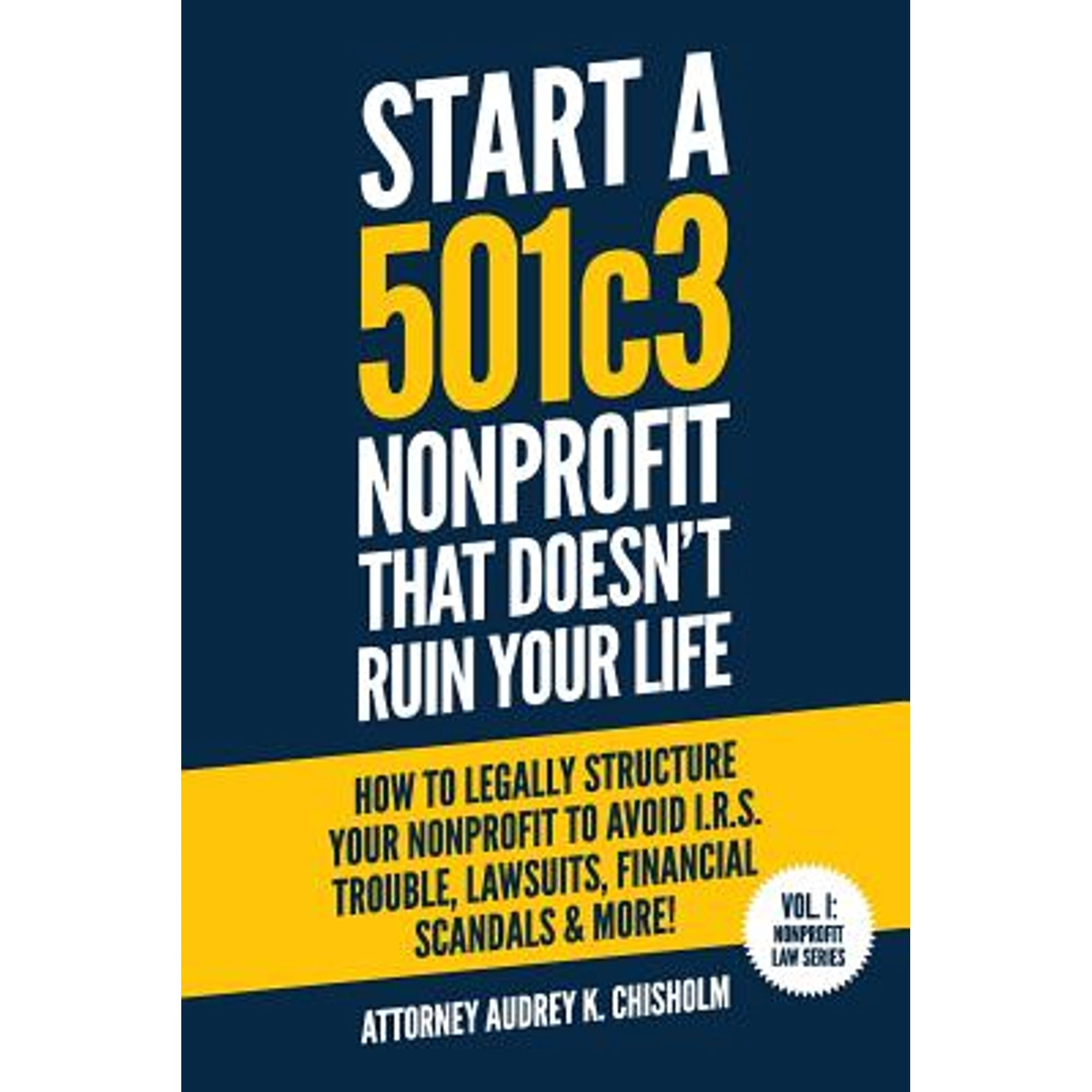
Obtaining 501(c)(3) status signifies that an organization is organized and operated exclusively for exempt purposes, such as charitable, religious, or educational goals. While this status offers significant tax advantages and eligibility for grants, it requires strict adherence to IRS regulations, public transparency, and complex governance structures. As of 2026, the realities of maintaining this status involve a balance of mission-driven work and rigorous administrative compliance.
1. The Reality of Rigorous IRS Compliance and Reporting
The most immediate reality for any 501(c)(3) organization is that federal tax exemption is not a "set it and forget it" designation. It is a conditional status that must be maintained through continuous compliance with Internal Revenue Service (IRS) regulations. This begins with the initial application process—using either Form 1023 or the streamlined Form 1023-EZ—and extends through the entire life of the organization.
The Annual Reporting Cycle
Every 501(c)(3) organization, regardless of size, must file an annual information return. For most, this is a version of Form 990. In 2026, the IRS has continued its push for full electronic filing to increase transparency. Smaller organizations with gross receipts normally less than $50,000 may file the 990-N (e-Postcard), while larger entities must navigate the more complex 990 or 990-EZ.
Failing to file these returns for three consecutive years results in the automatic revocation of tax-exempt status. This is a "death penalty" for non-profits, as it makes all income taxable and effectively ends the organization's ability to receive tax-deductible donations. Reinstating status is a costly, time-consuming process that involves reapplying to the IRS as if the organization were brand new.
Recordkeeping and Substantiation
Beyond the 990, organizations must maintain meticulous records of their activities. This includes tracking donor contributions and providing proper written acknowledgments for any gift over $250. The reality is that "charity" requires a level of accounting rigor that often surprises new founders. You must be able to prove that every dollar spent was used to further your stated exempt purpose. Mixing personal and organizational funds is the fastest way to trigger an audit or lose exempt status.
2. The Absence of Private Ownership and Equity
A common misconception among entrepreneurs moving into the non-profit sector is the idea of "owning" a 501(c)(3). In reality, no individual or group owns a non-profit organization. It is a public-benefit entity that belongs to the public at large, held in trust by a Board of Directors.
The Role of the Board of Directors
Because there are no shareholders or owners, the Board of Directors serves as the ultimate authority. The board has a fiduciary duty to the organization, which is typically categorized into three specific legal standards:
- Duty of Care: Board members must act with the same level of judgment as an "ordinarily prudent person" in a similar position.
- Duty of Loyalty: Board members must put the interests of the organization above their own personal or professional interests.
- Duty of Obedience: The board must ensure the organization remains faithful to its mission and complies with all state and federal laws.
Prohibition on Private Inurement
The IRS is extremely strict regarding private inurement. This rule states that no part of the net earnings of a 501(c)(3) may benefit any "insider"—such as a founder, board member, or officer. While non-profits can pay "reasonable compensation" for services rendered (salaries for staff), they cannot distribute profits like dividends. If a founder expects to build equity in the organization that they can later sell or cash out, they are in the wrong business structure. Upon dissolution, the assets of a 501(c)(3) must be distributed to another tax-exempt organization or a government entity for a public purpose; they can never be distributed to individuals.
3. The Financial Sustainability Paradox: Profit is Not a Dirty Word
There is a pervasive myth that 501(c)(3) organizations cannot make a profit. In truth, "non-profit" refers to the purpose of the organization, not its financial outcome. To be sustainable, a non-profit should ideally generate a surplus (profit) that can be reinvested into its programs, used for emergency reserves, or applied to future growth.
Unrelated Business Taxable Income (UBTI)
While non-profits can earn revenue, they must be careful about how they earn it. If an organization generates income from an activity that is not substantially related to its exempt purpose, that income may be subject to Unrelated Business Taxable Income (UBTI) tax. For example, if a non-profit dedicated to protecting wildlife starts a commercial car wash to fund its activities, the income from the car wash is likely taxable at corporate rates. As of 2026, the IRS continues to monitor UBTI closely to ensure non-profits do not have an unfair competitive advantage over for-profit businesses.
Diversifying Revenue Streams
Relying solely on donations is a risky strategy. The reality for successful 501(c)(3)s in 2026 is the need for a "blended" funding model. This might include:
- Individual Donations: One-time and recurring gifts from the public.
- Foundation Grants: Competitive awards for specific projects or operational support.
- Fee-for-Service: Charging a reasonable fee for the services provided (e.g., tuition for a non-profit school or tickets for a non-profit theater).
- Government Contracts: Performing specific social services on behalf of local or federal agencies.
| Funding Type | Predictability | Administrative Burden | Flexibility |
|---|---|---|---|
| Individual Donors | Low/Medium | Moderate (Acknowledgment letters) | High (Often unrestricted) |
| Foundation Grants | Low | High (Detailed reporting) | Low (Usually restricted) |
| Fee-for-Service | High | Moderate (Standard accounting) | High (Reinvestable) |
| Corporate Sponsorship | Medium | Moderate (Marketing requirements) | Medium |
4. Stringent Limitations on Political and Legislative Activity
One of the most rigid realities of 501(c)(3) status is the restriction on political involvement. Unlike 501(c)(4) social welfare organizations, 501(c)(3)s are strictly prohibited from participating in political campaigns on behalf of (or in opposition to) any candidate for public office.
The Absolute Ban on Political Campaigning
A 501(c)(3) cannot endorse a candidate, donate to a campaign, or use its resources to influence an election. This includes social media posts from the organization's official accounts or public statements by the Executive Director acting in an official capacity. Violation of this rule can lead to immediate loss of tax-exempt status.
Limited Lobbying and Advocacy
While campaigning is banned, lobbying (attempting to influence legislation) is permitted, but only if it does not constitute a "substantial part" of the organization's activities. To clarify this "substantial part" test, many non-profits make a 501(h) election. This election provides a clear, math-based formula for how much money an organization can spend on lobbying based on its total expenditures. For many advocacy-based non-profits, the reality is a constant monitoring of staff hours and expenses to ensure they don't cross the legal threshold into excessive lobbying.
5. The Burden of Public Transparency and Scrutiny
When an organization accepts 501(c)(3) status, it essentially enters into a contract with the public: in exchange for tax exemption, the organization agrees to operate in a "fishbowl." Transparency is not just a best practice; it is a legal requirement.
Public Inspection Requirements
By law, a 501(c)(3) must make its three most recent Form 990s and its original application for exemption (Form 1023) available for public inspection. In 2026, platforms like GuideStar and Charity Navigator make this information accessible to anyone with an internet connection. Donors, journalists, and watchdog groups can easily see how much the Executive Director is paid, how much is spent on overhead versus programs, and who sits on the Board of Directors.
Donor Expectations and Ethics
Beyond the IRS, there is the reality of donor scrutiny. Modern donors are increasingly focused on "impact metrics." They want to see data proving that their money is creating measurable change. This requires non-profits to invest in monitoring and evaluation systems. Furthermore, ethical fundraising practices—such as respecting donor privacy and being honest about how funds are used—are critical for maintaining the public trust that 501(c)(3) status represents.
Frequently Asked Questions
Can a 501(c)(3) pay its founder a high salary?
Yes, but the salary must be "reasonable" and based on market data for similar positions in similar organizations. If the IRS determines a salary is excessive, it can impose "intermediate sanctions," which are excise taxes on the individual receiving the overpayment and the board members who approved it. Non-profits should use independent salary surveys to justify executive compensation.
Is a 501(c)(3) exempt from all taxes?
No. 501(c)(3) status primarily provides an exemption from federal income tax. Organizations are still responsible for payroll taxes (Social Security, Medicare) for their employees. Whether a non-profit is exempt from state sales tax or local property tax depends on specific state and local laws, and usually requires separate applications to those jurisdictions.
What is the difference between a public charity and a private foundation?
All 501(c)(3)s are classified as either public charities or private foundations. Public charities (like churches, schools, and hospitals) receive a broad base of support from the general public. Private foundations are typically funded by a single individual, family, or corporation. Foundations are subject to stricter rules, including a mandatory annual distribution of assets (payout requirement) and an excise tax on investment income.
Can a 501(c)(3) change its mission?
An organization can evolve, but its mission must remain within the scope of 501(c)(3) exempt purposes. If the mission changes significantly from what was originally reported to the IRS on Form 1023, the organization must report this change on its next Form 990. Significant changes might require a formal amendment to the organization's Articles of Incorporation.
Does 501(c)(3) status protect board members from lawsuits?
While the corporate structure of a non-profit provides a "corporate veil" that generally protects individuals from the organization's debts, it does not provide absolute immunity. Board members can still be held personally liable for gross negligence, breach of fiduciary duty, or unpaid payroll taxes. Most non-profits carry Directors and Officers (D&O) Insurance to mitigate these risks.
Practical Recommendation for New Non-Profits
Before applying for 501(c)(3) status, conduct a "feasibility audit." Ensure you have a committed board of at least three unrelated individuals, a clear mission that does not duplicate existing services in your area, and a 12-month financial plan. The reality is that the administrative cost of maintaining a 501(c)(3)—including accounting software, insurance, and professional fees—can often exceed $5,000 to $10,000 annually before a single program is even launched. If your budget is smaller, consider fiscal sponsorship through an existing non-profit as a starting point.