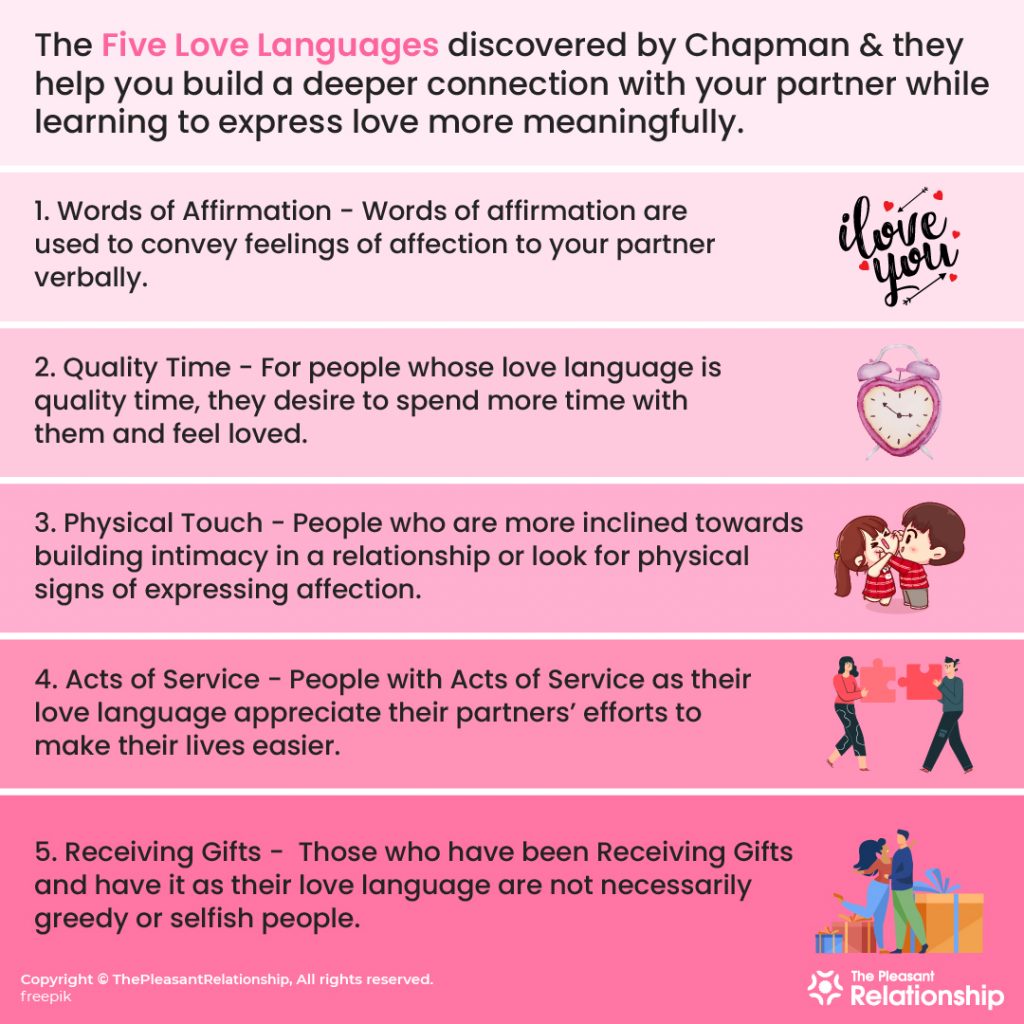
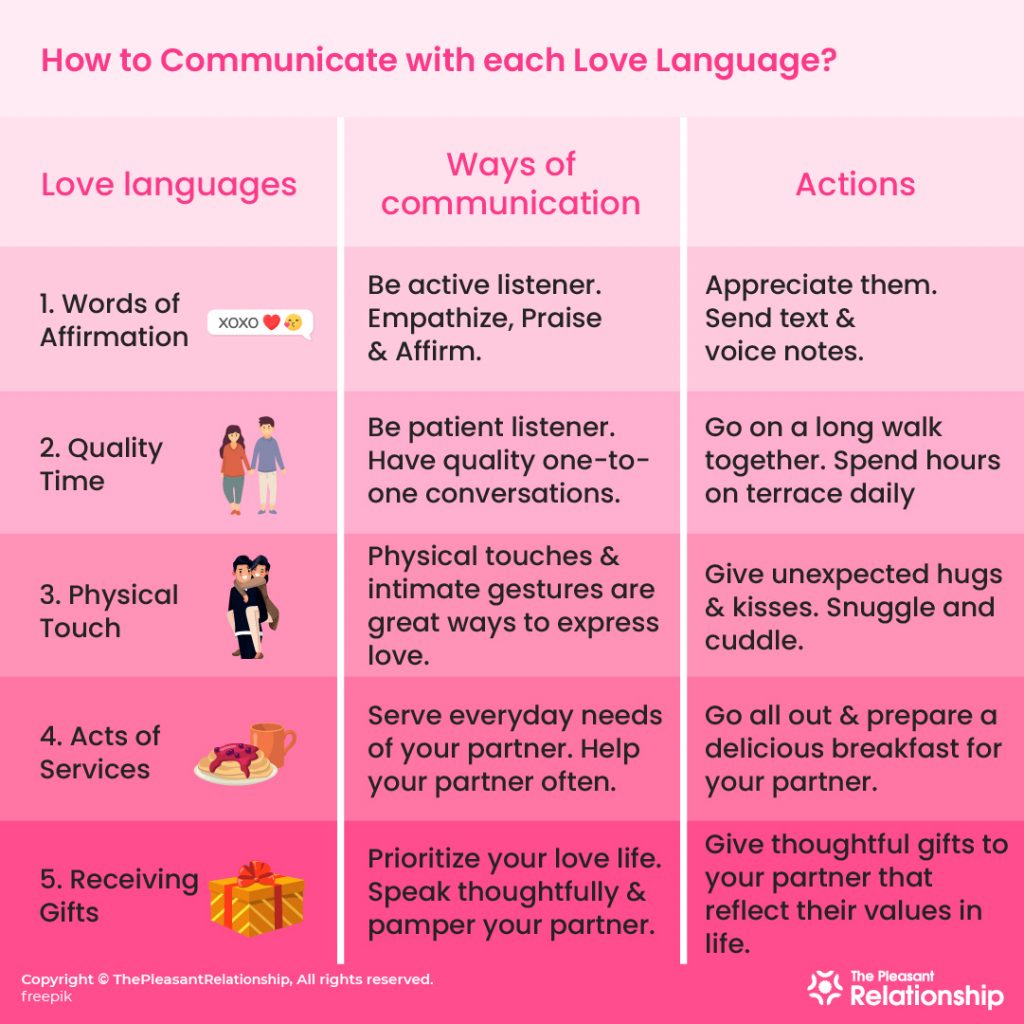
The five love languages—Words of Affirmation, Acts of Service, Receiving Gifts, Quality Time, and Physical Touch—represent distinct behavioral patterns through which individuals express and experience emotional affection in relationships. Developed initially by marriage counselor Dr. Gary Chapman in his 1992 book The 5 Love Languages: The Secret to Love That Lasts, this conceptual framework helps partners decode miscommunication by identifying their unique emotional preferences and communication styles.
Understanding the Conceptual Origins and Framework
The foundational premise of the love languages model posits that people naturally express affection in the same way they prefer to receive it. When individuals experience emotional disconnect or feelings of unrequited love in romantic partnerships, friendships, or familial bonds, the root cause is often a fundamental mismatch in love languages rather than a lack of genuine care.
Dr. Chapman developed this taxonomy during his years of marriage counseling, observing recurring patterns in couples who felt emotionally starved despite living together. He noted that emotional health requires intentional effort to learn a partner’s secondary or primary emotional dialect. Just as two people speaking different spoken languages cannot easily communicate without translation, partners speaking different emotional languages frequently misinterpret each other's intentions.
Recognizing these preferences allows individuals to move beyond guesswork and tailor their gestures for maximum emotional resonance. While scientific validation of the model has generated academic debate—with researchers exploring whether love styles are fixed traits or fluid preferences—millions of people worldwide utilize the framework as a practical tool for self-reflection and relationship maintenance.
1. Words of Affirmation
For individuals whose primary love language is Words of Affirmation, verbal compliments, words of appreciation, and spoken encouragement hold profound emotional weight. This language centers on the power of speech to build trust, validate emotional experiences, and express deep affection.
Characteristics and Expression
People who value words of affirmation feel most cherished when partners offer unprompted praise, acknowledge their daily efforts, or articulate explicit reasons why they are loved. Conversely, harsh words, sarcasm, insults, or chronic criticism linger painfully in their memory, causing lasting emotional damage that casual apologies struggle to resolve.
- Verbal Validation: Expressing gratitude for everyday tasks, such as thanking a partner for preparing a meal or managing household administration.
- Encouragement: Offering verbal support during high-stress periods, professional transitions, or personal challenges.
- Written Notes: Leaving thoughtful text messages, sticky notes, or handwritten letters expressing admiration and affection.
Common Misunderstandings
Partners who do not share this love language sometimes dismiss verbal compliments as empty flattery or "cheap talk," preferring tangible actions instead. However, for an affirmation-oriented individual, spoken words act as primary emotional fuel. Constructive criticism delivered without a foundation of verbal appreciation can easily trigger defensiveness and hurt.
2. Acts of Service
For those who lean toward Acts of Service, actions genuinely speak louder than words. This love language is defined by doing things you know your partner would prefer to have done—specifically tasks that alleviate the burden of daily responsibilities.
Characteristics and Expression
Individuals with this preference feel loved when partners anticipate their needs and pitch in without being asked. The core message communicated through acts of service is thoughtfulness, partnership, and tangible relief. When a partner cooks dinner after a grueling workday, repairs a broken appliance, or handles school drop-offs, the underlying emotional currency is deep consideration.
- Chore Delegation: Taking over traditionally assigned household duties when a partner is overwhelmed.
- Anticipatory Help: Filling up a partner's car with gas, clearing snow off their windshield, or packing their lunch ahead of a busy morning.
- Administrative Support: Managing bills, scheduling appointments, or organizing shared spaces to reduce mental fatigue.
Common Misunderstandings
Lazy execution, broken promises, or failing to follow through on commitments are particularly damaging in this category. If a partner agrees to handle a specific task and repeatedly forgets, it communicates apathy and disrespect to an acts-of-service recipient. Conversely, performing tasks grudgingly or complaining while helping strips the action of its emotional value.
3. Receiving Gifts
Receiving Gifts is frequently misunderstood as materialism, but within the love languages framework, it represents visual symbols of love, thoughtfulness, and effort. The value of the gift is secondary to the thought, time, and intentionality behind it.
Characteristics and Expression
People who cherish receiving gifts view them as physical representations of being remembered when apart. When a partner travels and brings back a small token, picks up a favorite snack from the grocery store, or selects a birthday present that aligns with a long-held passion, it communicates that the giver was actively thinking about them in their absence.
- Thoughtful Souvenirs: Bringing home small, inexpensive items that reflect an inside joke or shared memory.
- Milestone Recognition: Gifting meaningful items for anniversaries, birthdays, or achievements that demonstrate deep listening and attention to detail.
- The Element of Surprise: Presenting unexpected tokens of affection that require no special holiday or calendar event.
Common Misunderstandings
Critics often mistake this love language for superficial greed or transactional affection. In reality, gift-oriented individuals care deeply about the symbolism. A thoughtless, last-minute, or clearly expensive-yet-impersonal gift signals a lack of emotional investment, whereas a hand-picked, low-cost item chosen with care can spark immense joy.
4. Quality Time
Quality Time involves giving someone your undivided, unhurried attention. In an era dominated by screens, multitasking, and digital distractions, this love language centers on meaningful togetherness and shared experiences.
Characteristics and Expression
For quality time enthusiasts, sitting on the couch scrolling through smartphones while watching television does not constitute meaningful connection. True quality time requires eye contact, active listening, and shared focus. Whether taking a walk through a nature reserve, cooking a meal together without distractions, or engaging in deep conversation, the focus remains entirely on the relational bond.
- Focused Conversations: Discussing dreams, fears, and daily experiences without interruptions from work emails or notifications.
- Shared Hobbies: Exploring new activities, traveling, or learning a skill together as a team.
- Uninterrupted Presence: Setting aside dedicated hours each week where devices are put away and attention is mutually prioritized.
Common Misunderstandings
Busy schedules, postponed dates, and distracted listening are major pain points for this group. When a partner is physically present but mentally absent—checking phones or thinking about work deadlines—the quality-time individual feels isolated and neglected, regardless of how much time is technically spent in the same room.
5. Physical Touch
Physical Touch encompasses all forms of non-verbal, tactile affection. This language is rooted in biological biology and emotional security, utilizing touch to communicate presence, warmth, safety, and love.
Characteristics and Expression
Individuals who thrive on physical touch feel most secure when holding hands, embracing, cuddling, or experiencing spontaneous physical contact throughout the day. Touch acts as a powerful nervous-system regulator, conveying solidarity and reassurance during times of stress or celebration alike.
- Spontaneous Affection: Giving a reassuring squeeze of the hand while driving, a back rub after a long day, or a warm embrace upon returning home.
- Cuddling and Proximity: Sitting close on the furniture or sleeping intertwined.
- Intimacy: Experiencing deep physical connection that goes hand-in-hand with emotional vulnerability.
Common Misunderstandings
Physical touch must never be confused purely with sexual intimacy, though physical intimacy can certainly be a component for romantic partners. For platonic relationships or general daily reassurance, simple gestures like a pat on the back or a warm hug fulfill this need. Neglect, coldness, or physical withdrawal causes immediate emotional distress for individuals whose primary language is touch.
| Love Language | Primary Focus | Examples of Expression | Common Pitfalls to Avoid |
|---|---|---|---|
| Words of Affirmation | Verbal praise and encouragement | Compliments, love notes, explicit appreciation | Harsh criticism, sarcasm, insults |
| Acts of Service | Helpful, relieving actions | Doing chores, running errands, cooking meals | Broken promises, laziness, forced help |
| Receiving Gifts | Thoughtful symbols of love | Small souvenirs, milestone presents, surprises | Thoughtless gifts, materialism assumptions |
| Quality Time | Undivided attention and focus | Deep conversations, shared dates, walks | Distractions, postponed plans, checking phones |
| Physical Touch | Tactile connection and presence | Hugging, holding hands, cuddling, back rubs | Physical withdrawal, coldness, neglect |
Practical Application and Relationship Dynamics
Identifying your own love language and learning to recognize your partner's primary preference requires deliberate self-reflection and communication. Relationship experts recommend taking validated online questionnaires or reading literature together to start constructive dialogues about emotional needs.
Once preferences are understood, the practice of speaking a partner's language often requires stepping outside your comfort zone. For instance, if your partner values Acts of Service but you prefer Words of Affirmation, you must consciously make an effort to handle household responsibilities even when your instinct is to offer verbal praise. This intentional adaptation—sometimes called "emotional bilingualism"—transforms relationship dynamics by ensuring both partners feel genuinely seen, valued, and loved.
Frequently Asked Questions
Can your love language change over time?
Yes, love languages are not rigid genetic traits; they can evolve in response to life stages, trauma, relationship history, and personal growth. For example, new parents often shift toward Acts of Service due to overwhelming household demands, while older couples may prioritize Quality Time or Physical Touch as children leave the home.
What happens if a couple has completely opposite love languages?
Having opposite love languages is entirely normal and does not predict relationship failure. Success depends on mutual willingness to learn and speak each other's emotional dialect. When both partners make an intentional effort to step outside their comfort zones, differences can enrich the relationship rather than create distance.
Are love languages applicable outside of romantic relationships?
Yes, the framework applies broadly to friendships, parent-child dynamics, and professional mentorships. Understanding that a colleague values Words of Affirmation or that a child responds best to Quality Time helps build stronger, more supportive connections across all interpersonal domains.
How do I figure out what my partner's love language is?
Observe how your partner naturally expresses affection to others, listen closely to what they complain about most frequently (e.g., complaining that you never help out often points to Acts of Service), and notice what makes them feel most deeply appreciated or hurt.
Is scientific evidence backing the five love languages?
While clinical psychologists note that the framework lacks extensive empirical, peer-reviewed backing in academic literature, mental health professionals widely endorse it as an accessible, heuristic communication tool that prompts valuable introspection and empathy in relationships.