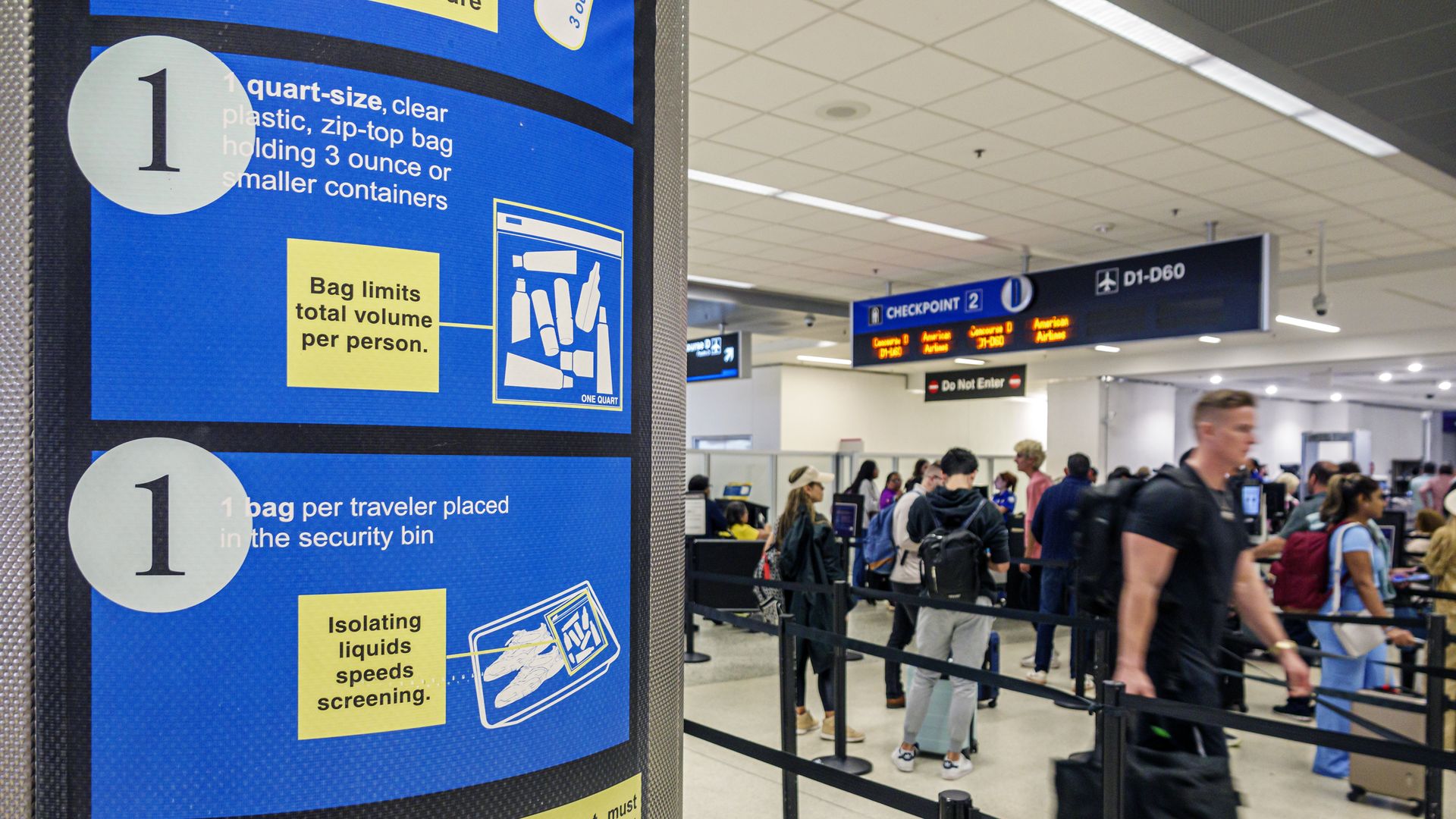
When traveling by air, understanding the Transportation Security Administration (TSA) regulations regarding liquids in carry-on baggage is essential for avoiding delays and confiscations at security checkpoints. The foundational security baseline remains anchored in the long-standing 3-1-1 liquids rule, yet examining specific historical guidelines—such as those actively enforced during the 2018 travel season—provides valuable clarity on how these security screening parameters operate, what specific items are restricted, and how passengers must prepare their hand luggage before arriving at the airport terminal.
Understanding these protocols helps passengers streamline the screening process, ensuring compliance with federal aviation security mandates. Below is an exhaustive breakdown of the core requirements, exemptions, and operational nuances governing liquid carry-on items.
1. The Core 3-1-1 Liquids Rule: Volume, Container Size, and Bag Limits
The cornerstone of the TSA liquid carry-on policy is the universally recognized 3-1-1 rule. Established to streamline screening while mitigating potential threats from liquid explosives, this protocol dictates exact volume limits and packing specifications for all passengers traveling through commercial aviation security checkpoints.
To maintain compliance, every passenger must adhere to three simple numerical constraints:
- 3.4 ounces (100 milliliters) or smaller per individual container.
- 1 clear, quart-sized, plastic bag to hold all individual containers.
- 1 bag per passenger placed separately in the screening bin.
Container Capacity vs. Liquid Volume
A common point of confusion for travelers involves the difference between container size and the actual amount of liquid inside. TSA regulations specify that the container itself cannot exceed 3.4 ounces (100 ml). Bringing a 6-ounce bottle filled halfway to 3.0 ounces is prohibited; the physical vessel capacity must not exceed the 3.4-ounce limit. Containers larger than 3.4 ounces must be packed in checked luggage, regardless of how much product remains inside.
The Quart-Sized Bag Standard
The mandated bag must be transparent, plastic, and resealable (such as a standard Ziploc-style bag), with a maximum capacity of approximately one quart (or one liter). Bags that are larger, opaque, colored, or non-resealable do not comply with the standard and will require repacking or surrender at the checkpoint. All items fitting into this category—including gels, aerosols, creams, pastes, and liquids—must fit comfortably inside this single bag without stretching or forcing the seal.
2. Defining "Liquids, Aerosols, and Gels" (LAGs) Beyond Beverages
Many travelers mistakenly assume that the restriction applies strictly to drinking water, sodas, and liquid refreshments. In practice, the TSA applies a much broader definition under the category of Liquids, Aerosols, and Gels (LAGs). Any substance that can flow, spray, pump, or spread at room temperature falls under these regulatory controls.
Recognizing these items prevents unexpected confiscations during security screening. The following categories are strictly regulated under the 3-1-1 framework:
- Toiletries and Personal Care: Shampoo, conditioner, liquid soap, toothpaste, mouthwash, facial cleansers, lotions, sunscreens, and liquid deodorants.
- Cosmetics and Makeup: Liquid foundations, liquid eyeliners, mascara, lip gloss, nail polish, perfume, and setting sprays.
- Food and Consumables: Yogurt, pudding, soup, syrups, honey, jelly, salsa, dips, and soft cheeses.
- Medical and Specialty Items: Contact lens solution, liquid medications, and cooling gels.
If an item maintains a semi-solid or viscous state that yields to pressure, it is treated as a gel or liquid by security personnel.
3. Exemptions for Medical Liquids, Baby Formula, and Special Needs
While the 3-1-1 rule applies to the vast majority of passengers, federal regulations provide specific exemptions for essential medical items, infant nutrition, and specialized dietary needs. These exceptions allow passengers to carry quantities exceeding the standard 3.4-ounce limit, provided they follow proper screening procedures.
Medical Liquids and Medications
Medications in liquid, gel, or aerosol form—including prescription drugs, over-the-counter medicines, saline solutions, and essential medical devices—are exempt from the 3-1-1 rule. Passengers are not required to place these items inside a quart-sized bag, but they must declare them to the TSA officer at the beginning of the screening process.
- Declaration Protocol: Liquid medications should be removed from carry-on luggage and presented separately in a bin for X-ray or alternative screening.
- Documentation: While not strictly mandatory, having a doctor’s note or prescription label can assist in verifying the item's medical necessity during secondary screening.
Baby Formula, Breast Milk, and Toddler Food
Traveling parents and guardians carrying infant or toddler nourishment are permitted to bring breast milk, formula, juice, and baby food in quantities greater than 3.4 ounces. These items do not need to fit within the standard quart-sized bag.
- Screening Procedures: Formula and breast milk are subject to additional security screening, which may include X-ray testing, vapor analysis, or explosive trace detection. Parents have the right to request that officers avoid opening sealed containers of breast milk or formula during testing.
4. Duty-Free Liquids and International Transfer Protocols
Purchasing liquids at airport duty-free shops or connecting through international airports introduces specific procedural nuances. Under standard guidelines, duty-free liquids purchased abroad are permitted in carry-on luggage if they meet specific international security standards established by the International Civil Aviation Organization (ICAO).
Secure Tamper-Evident Bags (STEBs)
To bring duty-free liquids exceeding 3.4 ounces through security checkpoints during a connecting itinerary, the items must be sealed inside a Secure Tamper-Evident Bag (STEB) by the retailer at the time of purchase.
- Receipt Requirement: The official receipt showing purchase details and date must be visible inside the STEB.
- Integrity Check: If the security officer determines that the STEB has been opened, tampered with, or improperly sealed after purchase, the items will be subject to confiscation.
- Connecting Flights: Passengers traveling internationally with connections into the United States must ensure their duty-free purchases remain sealed in STEBs when passing through secondary security checkpoints.
5. Screening Procedures and Checkpoint Preparedness at the Airport
Navigating the TSA security checkpoint efficiently requires physical preparation before arriving at the queue. Knowing how to present compliant and exempt items minimizes friction, reduces physical bag searches, and accelerates the screening flow for all travelers.
Step-by-Step Checkpoint Execution
Adhering to structured preparation steps prevents delays and ensures compliance with federal aviation security directives:
- Pre-Pack at Home: Place all travel-sized toiletries (3.4 oz or less) into a single clear, quart-sized zip-top bag before leaving for the airport.
- Isolate Special Items: Keep medical liquids, baby formula, and duty-free purchases in STEBs separate from standard toiletries for quick retrieval.
- Bin Placement: Remove the quart-sized bag of liquids from your carry-on luggage and place it flat in a separate screening bin, ensuring nothing obstructs the X-ray view.
- Declare Exceptions: Inform the TSA officer immediately if you are carrying declared medical liquids, baby nourishment, or items requiring specialized screening protocols.
Summary Comparison of Liquid Carry-On Categories
| Category | Maximum Container Size | Quart-Sized Bag Required? | Declaration Required? | Additional Screening? |
|---|---|---|---|---|
| Standard Toiletries | 3.4 oz (100 ml) or less | Yes | No | No (unless flagged) |
| Medical Liquids | Exceeds 3.4 oz permitted | No | Yes | May be required |
| Baby Formula / Milk | Exceeds 3.4 oz permitted | No | Yes (recommended) | May be required |
| Duty-Free Liquids | Varies (must be in STEB) | No | Yes (at connection) | Verified via STEB seal |
Frequently Asked Questions
What happens if I accidentally pack a liquid larger than 3.4 ounces in my carry-on?
If security officers detect a container exceeding 3.4 ounces in your carry-on bag, the item will be confiscated and surrendered immediately. Depending on airport layout and time constraints, passengers may occasionally be permitted to step out of line to check the prohibited item in luggage or surrender it voluntarily.
Can I bring empty bottles through TSA security checkpoints?
Yes, empty containers of any size are fully permitted through TSA security checkpoints. Many travelers bring empty reusable water bottles or silicone travel tubes through security and fill them at hydration stations or terminal restrooms after clearing the checkpoint.
Are frozen liquids permitted in carry-on luggage?
Liquids and gels that are completely frozen solid when presented at the security checkpoint are generally permitted. However, if the item has partially melted, thawed, or slushified at the time of screening, it must comply fully with the standard 3.4-ounce 3-1-1 rule or face confiscation.
How are aerosols and pressurized containers evaluated?
Aerosol sprays (such as hairspray, deodorant, or shaving cream) are treated as gels and liquids under TSA rules. They must be packaged in containers of 3.4 ounces or less and fit comfortably inside the quart-sized bag. Larger aerosol cans are strictly prohibited in carry-on baggage.
Does contact lens solution fall under the medical exemption?
Contact lens solution is generally permitted in quantities exceeding 3.4 ounces as a medical-necessity item, though it is not subject to the exact same blanket exemptions as prescription pharmaceuticals. Passengers carrying large contact lens solutions should declare them to TSA officers prior to screening, as they may undergo secondary testing.
Practical Next Actions
To ensure a seamless airport experience, audit your travel toiletries bag before departing for the airport to confirm that all bottles meet the 3.4-ounce threshold and fit inside a single quart-sized bag. Pack any oversized liquids, full-sized aerosols, or sharp tools directly into your checked baggage. Finally, organize medical supplies, infant formula, or duty-free items in an easily accessible pocket so you can declare and present them to security personnel without delay.