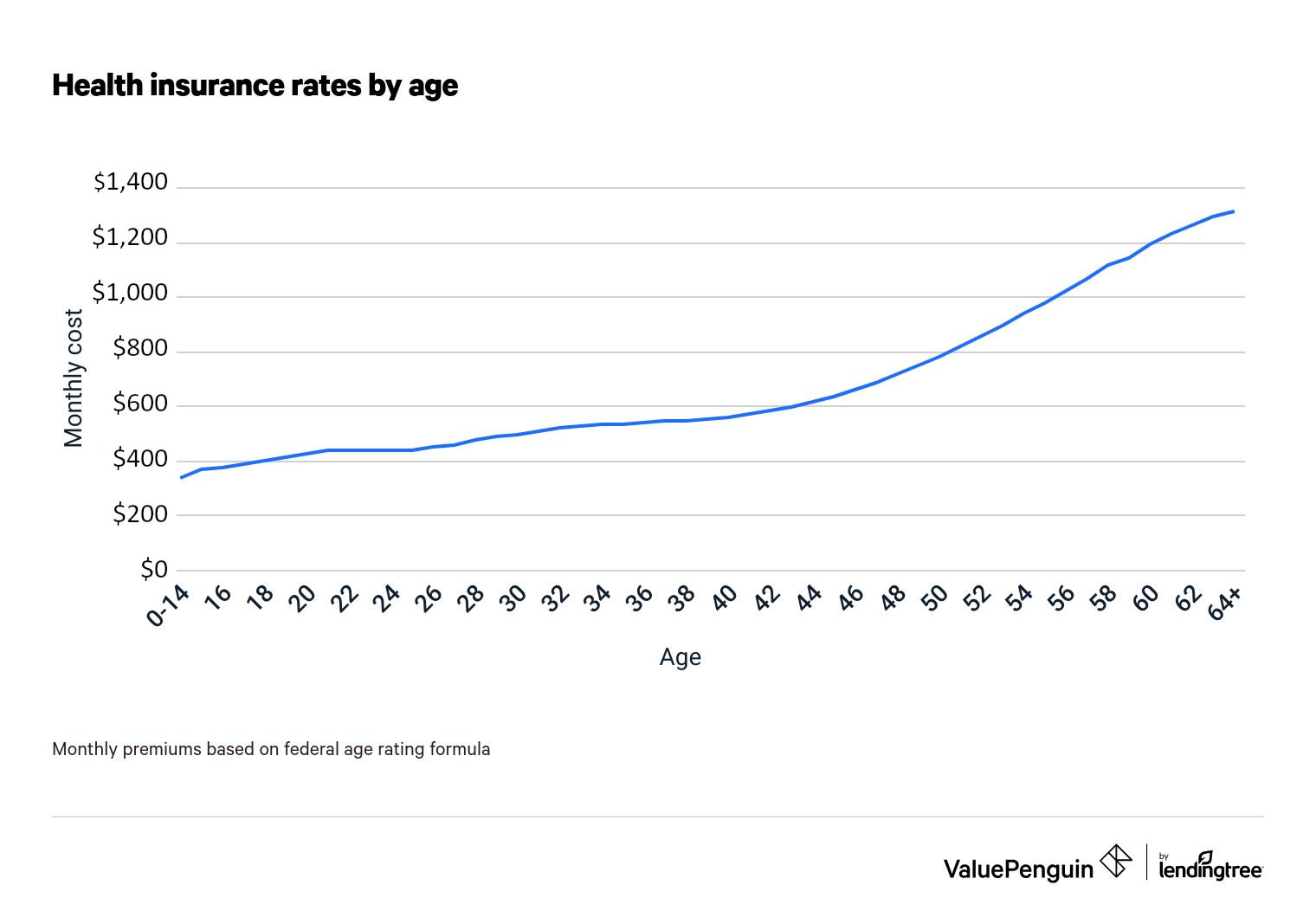
An annual premium of $3,550 for full coverage auto insurance for a 23-year-old male in Connecticut is a competitive quote in 2026, though it sits slightly above the state’s median. This rate reflects the high-risk profile of younger male drivers and Connecticut’s relatively high cost of living and vehicle repair expenses.
Evaluating a $3,550 insurance quote requires a deep dive into the specific variables that define the Connecticut insurance market in 2026. For a 23-year-old male, car insurance is rarely "cheap," but it can be "fair." To determine if this price is right for your situation, you must examine the components of "full coverage," the impact of Connecticut’s legal environment, and the actuarial data that insurance companies use to justify these premiums.
Deconstructing "Full Coverage" in the Connecticut Market
While "full coverage" is a common industry term, it is not a specific policy type. In Connecticut, a full coverage policy typically refers to a combination of state-mandated liability insurance and optional physical damage protections. In 2026, the cost of these components has risen due to the increased technological complexity of modern vehicles and the rising costs of medical care.
Mandatory Liability Limits
Connecticut law requires all drivers to carry minimum liability coverage. As of 2026, these limits are often evaluated against the "25/50/25" standard, though many experts recommend higher limits to protect personal assets.
- Bodily Injury Liability: Covers medical expenses for others if you are at fault.
- Property Damage Liability: Covers repairs to other vehicles or property.
- Uninsured/Underinsured Motorist (UM/UIM): This is mandatory in Connecticut and protects you if you are hit by a driver with insufficient insurance. This component alone can account for a significant portion of the $3,550 premium in high-traffic areas like Hartford or Bridgeport.
Collision and Comprehensive Coverage
This is what elevates a policy to "full coverage."
- Collision Insurance: Pays for damage to your own vehicle resulting from an accident, regardless of fault. For a 23-year-old driver, this is the most expensive portion of the policy because younger drivers statistically file more frequent and more severe collision claims.
- Comprehensive Insurance: Covers non-collision events such as theft, vandalism, fire, or "acts of God" like falling trees or hail. Given Connecticut’s susceptibility to coastal storms and winter weather, comprehensive rates can be higher than in inland states.
Why the 23-Year-Old Male Demographic Faces Higher Premiums
Age and gender remain two of the most significant rating factors in the insurance industry. Actuarial data consistently shows that male drivers under the age of 25 are involved in more accidents per mile driven than any other demographic.
The Actuarial Risk Profile
By age 23, a driver has typically been licensed for five to seven years. While this is better than a 16-year-old "new" driver, the insurance industry still views 23-year-olds as being in a high-risk transitional phase. Statistics from the Insurance Institute for Highway Safety (IIHS) indicate that young males are more likely to engage in speeding and risky passing maneuvers.
In 2026, insurers are also factoring in "distracted driving" metrics more heavily. Drivers in the 18–24 age bracket are statistically more likely to use mobile devices while driving, leading to higher premiums across the board to offset the anticipated cost of claims.
The "Cliff" at Age 25
A $3,550 premium at age 23 is often seen as a "pre-drop" rate. Most insurance companies offer a significant rate reduction once a driver turns 25, provided they have maintained a clean driving record. Therefore, the $3,550 price point is often the final hurdle before more affordable adult rates kick in.
Connecticut-Specific Factors Influencing Your Quote
Connecticut's insurance environment is unique. It is a "fault" state (also known as a "tort" state), meaning the person responsible for the accident is liable for the damages. This creates a highly litigious environment which drives up the cost of liability premiums for everyone in the state.
Geographic Variation (ZIP Code Impact)
Where you live in Connecticut drastically changes the math on a $3,550 quote.
- High-Cost Areas: If you live in New Haven, Bridgeport, or Hartford, $3,550 might actually be a bargain. High population density, higher crime rates (theft), and increased traffic congestion make these "hot zones" for claims.
- Low-Cost Areas: If you are located in Litchfield County or more rural parts of Windham County, $3,550 might be considered high. In these areas, lower traffic density typically results in lower premiums.
The Impact of Credit History
Connecticut allows insurance companies to use credit-based insurance scores to help determine premiums. For a 23-year-old, credit history is often "thin" or just being established. If your credit score is below 670, you may see a surcharge that pushes your premium toward that $3,550 mark. Improving your credit score by even 50 points can sometimes result in a 5% to 10% reduction in annual costs.
Comparing 2026 Insurance Costs in Connecticut
To provide context for the $3,550 figure, the following table illustrates the estimated annual full coverage premiums for various profiles in Connecticut for the 2026 calendar year.
| Driver Age & Profile | Estimated Annual Premium (Low) | Estimated Annual Premium (High) | Average Quote |
|---|---|---|---|
| 18-Year-Old Male (New Driver) | $4,800 | $6,500 | $5,650 |
| 23-Year-Old Male (Standard) | $3,100 | $4,000 | $3,550 |
| 25-Year-Old Male (Clean Record) | $2,200 | $2,900 | $2,550 |
| 35-Year-Old Married Couple | $1,800 | $2,400 | $2,100 |
| 23-Year-Old Male (1 At-Fault Accident) | $4,200 | $5,500 | $4,850 |
Note: These figures are estimates based on 2026 market trends in Connecticut and assume a standard vehicle like a mid-sized sedan.
Strategies to Optimize a $3,550 Premium
If you have received a quote for $3,550, you don't necessarily have to accept it as final. There are several levers a 23-year-old driver can pull to lower this cost without sacrificing essential coverage.
Adjusting Deductibles
The deductible is the amount you pay out-of-pocket before insurance kicks in for collision or comprehensive claims. Many $3,550 quotes are based on a $500 deductible. By increasing your deductible to $1,000, you can often reduce your premium by 15% to 20%. However, you must ensure you have the $1,000 readily available in savings in case of an accident.
Telematics and Usage-Based Insurance (UBI)
Most major carriers in Connecticut, such as Travelers, Progressive, and GEICO, offer telematics programs (e.g., Snapshot, DriveSafe). These programs use a mobile app or a plug-in device to monitor your driving habits, including braking, acceleration, and time of day. For a 23-year-old male who drives safely and avoids late-night trips, telematics can result in a discount of up to 30%, potentially bringing a $3,550 premium down to under $2,500.
Bundling and Multi-Policy Discounts
Even at 23, you might have renters insurance or a second vehicle. Bundling these policies with the same provider is one of the most effective ways to trigger a "loyalty" or "multi-policy" discount. In Connecticut, this often results in a 5% to 12% reduction on the auto portion of the bill.
Professional and Academic Discounts
- Good Student Discount: If you are still in school or recently graduated with a GPA of 3.0 or higher, many insurers offer a discount that lasts until age 25.
- Affiliation Discounts: Check if your employer, university alumni association, or even a professional organization (like an engineering society or credit union) has a partnership with an insurance carrier.
The Role of the Vehicle in Your $3,550 Quote
The car you drive is just as important as your age. Insurance companies look at the "loss history" of specific vehicle models.
- Performance Vehicles: If the $3,550 quote is for a sports car or a vehicle with a high horsepower-to-weight ratio, the price is likely quite low. Insurance for young men in high-performance cars often exceeds $5,000 in Connecticut.
- Safety Ratings: Vehicles equipped with advanced driver-assistance systems (ADAS) like automatic emergency braking and lane-keeping assist may qualify for safer-vehicle discounts, though these systems also make repairs more expensive if an accident does occur.
- Theft Rates: Certain models are targeted more frequently by thieves. In Connecticut, high-volume sedans like the Honda Accord or Ford F-150 have specific comprehensive rating factors based on local theft data.
Legal and Financial Risks of Under-Insuring
While $3,550 is a significant expense, the alternative—carrying only the state minimum or "dropping" full coverage on a financed vehicle—can be financially ruinous.
- Lender Requirements: If your vehicle is financed or leased, your contract likely mandates "full coverage" with specific deductible maximums (usually $500 or $1,000). Failing to maintain this can lead to "force-placed insurance," which is significantly more expensive and offers no liability protection for you.
- Asset Protection: Even at 23, you may have savings or future earnings that could be garnished if you cause an accident where the damages exceed your policy limits.
- The Uninsured Motorist Factor: Connecticut has a notable percentage of uninsured drivers. Part of your $3,550 premium pays for the peace of mind that if you are hit by someone without insurance, your own policy will cover your medical bills and car repairs.
Frequently Asked Questions
Is $3,550 per year or per six months?
In the context of 2026 Connecticut rates for a 23-year-old male, $3,550 is almost certainly an annual premium. A semi-annual premium of $3,550 ($7,100 per year) would be extremely high and typically only seen for drivers with multiple DUIs or major at-fault accidents on their record.
Does Connecticut require "Full Coverage" by law?
No. Connecticut law only requires liability coverage and uninsured motorist coverage. However, if you have a loan or lease on your car, your lender will require full coverage (collision and comprehensive) to protect their collateral.
How much will my insurance drop when I turn 25 in Connecticut?
While it varies by carrier, most drivers see a 15% to 25% decrease in their premiums upon turning 25, provided their driving record remains clean. If you are currently paying $3,550, you could realistically expect your premium to drop to approximately $2,700–$2,850 after your 25th birthday.
Will my rate go down if I take a defensive driving course?
Yes, Connecticut law encourages insurers to provide discounts to drivers who complete an approved accident prevention course. For a 23-year-old, this can result in a mandatory discount (usually around 5%) that stays on the policy for up to three years.
What happens if I move from Stamford to a smaller town?
Your premium will likely decrease. ZIP codes in Fairfield County and major urban centers have higher rates due to the volume of accidents and higher litigation costs. Moving to a more rural ZIP code can sometimes lower a $3,550 premium by several hundred dollars.
Practical Next Steps for the 23-Year-Old Driver
If you are staring at a $3,550 quote, your first action should be to verify the coverage limits. Ensure you aren't being over-insured in areas you don't need (like high towing/labor limits if you already have AAA) or under-insured in areas that matter (like low liability limits).
Next, request a "CLUE" (Comprehensive Loss Underwriting Exchange) report to ensure there are no errors in your driving history that are artificially inflating your rate. Finally, shop this $3,550 figure against at least three other "A-rated" carriers in Connecticut. The Nutmeg State has a competitive insurance market, and prices can swing by as much as $1,000 between companies for the exact same driver profile. For more information on state-specific regulations, you can visit the Connecticut Insurance Department.