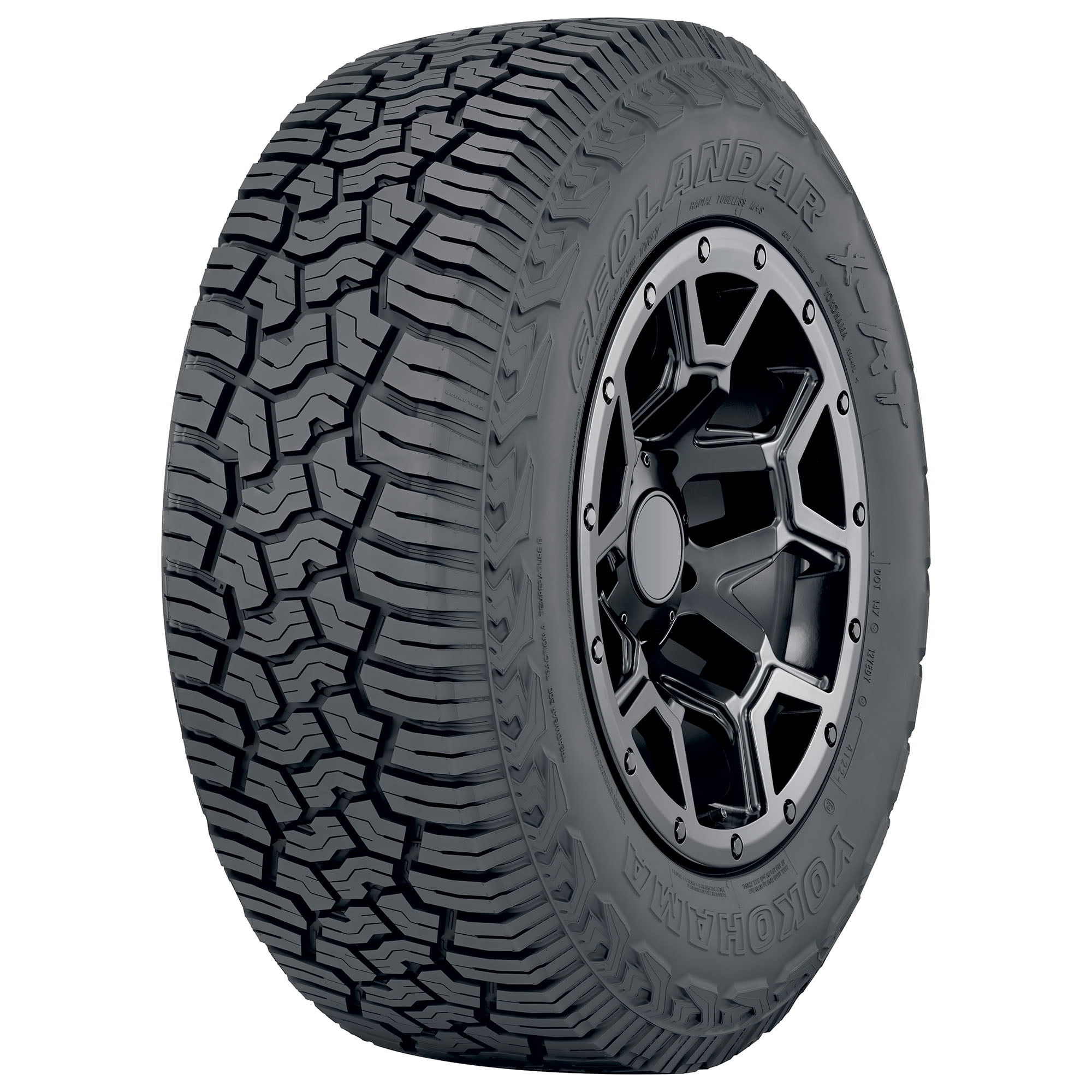
The 275/65R20 tire size is one of the most popular upgrades for Ford F-150 owners looking to achieve a more aggressive, "filled-out" look without transitioning to an ultra-wide 12.50-inch tire. On a 4WD Ford F-150, a 275/65R20 tire generally requires a minimum of a 2-inch leveling kit to clear without significant rubbing. While some 2021–2026 models can fit this size on factory wheels at stock height, a level is highly recommended to ensure full suspension travel and steering clearance.
Understanding the Dimensions of the 275/65R20 Tire
To understand why this specific size is so popular—and why it presents fitment challenges—we must look at the physical dimensions compared to the standard F-150 equipment. Most 20-inch factory wheels on the F-150 come wrapped in 275/55R20 tires.
A 275/65R20 tire measures approximately 34.1 inches in diameter and 10.8 inches in width. In contrast, the factory 275/55R20 is roughly 31.9 inches tall. This upgrade represents a significant 2.2-inch increase in total height. Because the width remains the same as the stock 20-inch tire (275mm), the primary concern is not "poke" or sticking out past the fenders, but rather the vertical and rotational clearance within the wheel well.
Because this size is the standard factory fitment for many Ford F-250 Super Duty trucks, these tires are widely available as "take-offs." This availability makes them a cost-effective way for F-150 owners to move into a 34-inch tire category. However, most tires in this size are Load Range E, meaning they have a 10-ply rating. This contributes to a stiffer sidewall and a heavier overall weight, which influences ride quality and fuel economy.
Fitment Requirements by Ford F-150 Generation
The Ford F-150 has undergone several structural changes over the years, specifically regarding the wheel well architecture and the introduction of safety components like crash bars. As of 2026, we categorize fitment into three primary eras.
2021–2026 Ford F-150 (14th Generation)
The 14th-generation F-150 features slightly more generous wheel wells than its predecessor. On 4WD models, many owners report that a 275/65R20 will fit on factory wheels with no rubbing at stock height, though the clearance to the front crash bars is extremely tight. If you plan to take the truck off-road or frequently navigate steep driveways where the suspension compresses while turning, a 2-inch leveling kit is the industry-standard recommendation. For 2WD (RWD) models, a leveling kit is mandatory, as these trucks sit lower from the factory.
2015–2020 Ford F-150 (13th Generation)
This generation introduced high-strength, military-grade aluminum alloy bodies and, crucially, reinforced steel crash bars located in front of and behind the front tires. These bars are the primary obstacle for the 275/65R20 size. On a 13th-gen truck, you almost certainly need a 2-inch to 2.5-inch leveling kit. Even with a level, if you use aftermarket wheels with a low or negative offset, you will experience significant rubbing on these crash bars. Staying with factory wheels (which typically have a +44mm offset) is the safest way to run this height without structural modification.
2009–2014 Ford F-150 (12th Generation)
The 12th-generation trucks do not have the crash bars found in newer models, but the wheel well liners are shaped differently. A 2-inch leveling kit is required to run a 34.1-inch tire. Without a level, the tire will rub against the lower plastic valance and the rear of the wheel well liner during full-lock turns.
The Role of Wheel Offset in Fitment
When discussing whether a 275/65R20 will fit, the wheel is just as important as the tire. Offset refers to how the wheel sits in relation to the hub mounting surface.
- Factory Wheels (+44mm Offset): These wheels tuck the tire deep into the wheel well. This is actually beneficial for a 34.1-inch tire because it keeps the tire away from the metal crash bars and the outer fender lip.
- Aftermarket Wheels (0mm to +18mm Offset): These wheels push the tire outward. While many owners prefer this "flush" or "stanced" look, it increases the "scrub radius." As the tire turns, the outer edge of the tire travels in a wider arc, making it much more likely to strike the crash bars or the plastic wheel well liner.
If you choose an aftermarket wheel with a 0mm offset, you may need to perform minor trimming of the plastic air dam or use a "crash bar spreader" tool to create enough clearance for a 275/65R20 tire, even with a 2.5-inch level.
Mechanical and Performance Impacts
Upgrading to a 34-inch tire involves more than just physical clearance; it changes the mechanical dynamics of the truck.
Gear Ratios and Acceleration
The F-150 is typically equipped with rear-end gear ratios ranging from 3.31 to 3.73. If your truck has the 3.31 ratio, moving from a 32-inch to a 34-inch tire will result in a noticeable loss of "pep" off the line. The larger diameter effectively lowers your final drive ratio, making the engine work harder to rotate the tires. Trucks equipped with the 3.55 or 3.73 gear ratios—and the modern 10-speed automatic transmission—handle the 275/65R20 size with very little perceptible performance loss.
Speedometer Recalibration
Because the 275/65R20 tire is roughly 7% larger in circumference than the stock 275/55R20, your speedometer will read slower than your actual speed. When your speedometer shows 60 MPH, you may actually be traveling at 64–65 MPH. This discrepancy also affects your odometer and transmission shift points. It is highly recommended to use a flash tool (such as those from Ford Performance or reputable aftermarket tuners) to update the tire size in the truck's Engine Control Module (ECM).
Fuel Economy (MPG)
Expect a decrease in fuel efficiency. The 275/65R20 is not only taller, which increases aerodynamic drag, but it is almost always an LT (Light Truck) rated tire. A standard P-Metric factory tire weighs about 40–45 lbs, whereas an LT275/65R20 often weighs between 55 and 62 lbs. This increase in unsprung rotational mass requires more energy to move and stop. Owners typically report a loss of 1 to 2 MPG after this upgrade.
Comparison Table: F-150 Tire Size Fitment
| Tire Size | Diameter | Width | Recommended Level/Lift | Common Issues |
|---|---|---|---|---|
| 275/55R20 (Stock) | 31.9" | 10.8" | None | N/A |
| 275/60R20 | 33.0" | 10.8" | Stock (4WD) | Minimal to none |
| 275/65R20 | 34.1" | 10.8" | 2.0" Leveling Kit | Rubbing on crash bars (offset dependent) |
| 285/65R20 | 34.6" | 11.2" | 2.5" Leveling Kit | Significant rubbing on stock wheels |
| 35x12.50R20 | 35.0" | 12.5" | 4" - 6" Lift Kit | Major trimming required on levels |
Installation and Potential Troubleshooting
When you take your F-150 to a shop to have 275/65R20s installed, there are several steps to ensure a professional fit.
- Alignment: Any time you install a leveling kit or significantly change tire height, a professional alignment is mandatory. The leveling kit changes the geometry of the upper control arms, which can lead to rapid tire wear if not corrected.
- Crash Bar Inspection: On 2015–2026 models, turn the wheel to full lock in both directions and check the distance between the tire tread and the crash bars. If the clearance is less than 1/4 inch, the tire may rub when the suspension flexes (e.g., pulling into a slanted driveway).
- Tire Pressure: Since most 275/65R20 tires are Load Range E, they require different air pressure than the factory "P-metric" tires. While the door placard might suggest 35 PSI, an LT tire usually requires 45–50 PSI to support the vehicle's weight properly and maintain even tread wear. Consult the tire manufacturer's load/inflation table for precise figures.
Safety and Legal Considerations
Modifying the suspension and tire size of a vehicle can have implications for safety systems. The F-150 utilizes sophisticated Electronic Stability Control (ESC) and Roll Stability Control (RSC). While a 2-inch level and 34-inch tires are generally considered safe and well within the tolerances of these systems, extreme modifications can alter the vehicle's center of gravity.
In some jurisdictions, removing or cutting the crash bars to accommodate larger tires is illegal and can significantly compromise the vehicle's performance in small-overlap frontal collisions. If you experience rubbing on the crash bars, it is safer to switch to a wheel with a different offset or increase the lift height rather than removing these safety components.
Frequently Asked Questions
Can I run 275/65R20 on a stock 4WD F-150?
Technically, yes, on the 2021–2026 models, it often fits with zero to minimal rubbing on factory wheels. However, on older generations (2015–2020), it will likely rub the crash bars or wheel well liners during tight turns or when reversing. A 2-inch leveling kit is the safest route for all 4WD F-150s.
Will this tire size void my Ford warranty?
The installation of larger tires and a leveling kit generally does not void the entire vehicle warranty. Under the Magnuson-Moss Warranty Act, a dealer must prove that the aftermarket part caused the specific failure. However, if a suspension component (like a ball joint or CV axle) fails, the dealer may deny the claim, citing the increased stress of the larger, heavier tires and altered suspension angles.
Is there a difference between "P-Metric" and "LT" in this size?
It is very rare to find a 275/65R20 in a P-Metric (Passenger) rating. Almost all tires in this size are LT (Light Truck) Load Range E. This means they are designed for heavy towing and off-road durability. The trade-off is a slightly firmer ride and increased weight compared to the soft, lighter tires that come from the factory.
Do I need to trim my fenders for 275/65R20?
If you are using factory wheels and a 2-inch leveling kit, no trimming is required. If you use aftermarket wheels with a negative offset (like -12mm or -24mm), you will likely need to trim the plastic front air dam and potentially the rear of the front wheel well liner.
How does this size affect towing?
The 275/65R20 can actually improve stability while towing due to the stiffer 10-ply sidewalls, which reduce "tire squirm." However, because the tire is taller, you lose a bit of effective torque at the wheels. If you frequently tow near your truck's maximum capacity, you may notice the engine stays in a lower gear longer to maintain speed on grades.
Final Recommendation
For the vast majority of Ford F-150 owners, the 275/65R20 is an excellent choice that balances aggressive aesthetics with practical daily drivability. To ensure the best experience, pair these tires with a 2-inch leveling kit and retain your factory wheels. This combination provides a significant boost in ground clearance and a much tougher stance without the headache of major trimming or compromised safety. If you choose to go with aftermarket wheels, aim for an offset between +18mm and +25mm to minimize rubbing issues while still pushing the tires out toward the edge of the fenders.